
For many pet owners and animal lovers, simply having a four-legged friend around can make the worst days a little better. They can single-handedly coax you out of bed in the morning, and they’re the perfect outlet to talk or cry to when things are too much to take on alone. That’s the power of unconditional love!
Of course, animals like dogs can do so much more for their owners’ mental health. That’s why some pups make the perfect candidates as mental health services dogs, such as emotional support animals (ESAs), psychiatric service dogs (PSDs), or even therapy dogs. Before you get lost in all the fancy terms, though, let’s run through what these service animals do, and how they differ from one another. The details might surprise you!
Here’s everything you need to know about the different kinds of service dogs for mental health.

Emotional support animals aren’t trained for specific tasks, but they provide lots of love and comfort
Despite being wonderfully helpful to those who need them, emotional support animals can also be controversial because of the lack of regulation in the industry. There are countless online organizations that claim to offer ESA certification (for a large amount of money, too), but the only true way to have your pet licensed is to get a “prescription” from your psychologist or psychiatrist.
As Mental Health America explains, “This is basically just a signed letter stating that you have a mental health condition and that your pet helps you deal with it. Some landlords and airlines will accept a letter from a medical doctor, but often it needs to be a therapist or a psychiatrist.”
That being said, any species of pet can become an emotional support animal if a psychologist believes they provide their owner with purpose and comfort. These animals don’t need to meet any specific training requirements — aside from the basics that all pets should receive — but additional training is always recommended for animals that will be in public places. Even though ESAs are not exempt from “no animal” rules, like service dogs are, they are protected under the Fair Housing Act and can live with you in non-pet-friendly homes — free of charge (via MHA)!

Psychiatric service dogs are personally trained to assist someone with daily tasks
Although service dogs can also provide comfort, love, and entertainment to their owners, they are specifically trained to perform tasks that help with everyday life. Atlas Assistance Dogs explains it like this: “In order to be a service dog, the dog must be trained for at least one task that directly mitigates their handler’s disability. The dog must reliably carry out the tasks it is specifically trained to do.” However, explains the American Kennel Club, this dog is not required to be professionally trained.
“Dogs whose sole function is to provide comfort or emotional support do not qualify as service animals under the ADA,” explains ADA.gov. That means that ESAs and therapy dogs don’t meet the requirements. Because of this, only true service animals have the right to accompany their owners in any public space.
For a mental health service dog, common tasks may include:
- Alerting to symptoms of an oncoming panic attack
- Reminding their owner to take medication
- Providing tactile stimulation
- Waking up their owner
- Turning on light switches or performing room checks
- Providing compression therapy
- Interrupting self-harm behaviors
- Guiding their owner to quiet, less-crowded places
At this time, dogs and miniature horses are the only animals eligible to receive service animal certification. Still, there are additional regulations written in the Americans with Disabilities Act that limit the size of service horses as well as where they can accompany their owners.
Therapy dogs require basic training, plus licensing with a verified organization
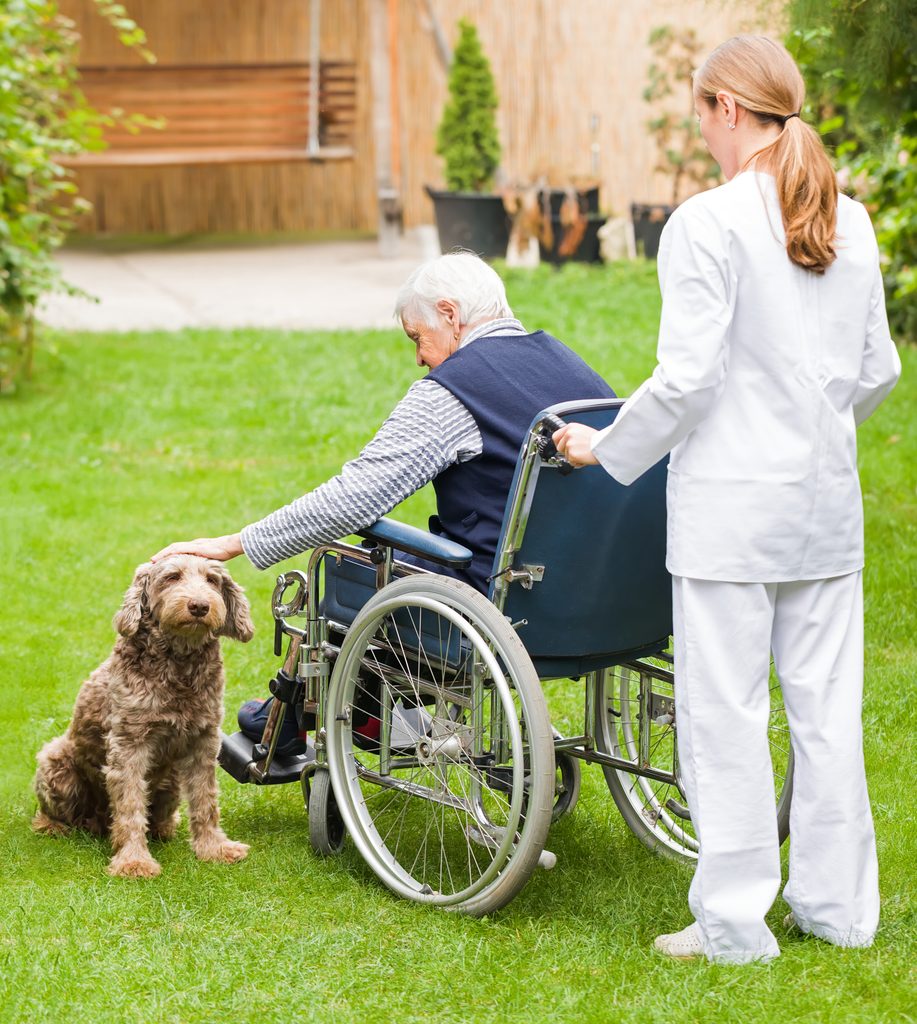
Animals trained to provide support in therapeutic settings, such as hospitals, assisted living facilities, and even schools, must have mastered their basic obedience and potty training. Then, notes the American Kennel Club, their owners can enroll in a licensed therapy dog organization where they can both be trained. The difference here is that both the dog and the owner receive training before earning certification.
Like emotional support animals, therapy animals aren’t allowed in restaurants, on planes, or other “no dog” settings just because of their licensing. Still, pursuing this certification would allow you and your pet to bring joy to so many people through your work together. What’s not to love about that?
Closing thoughts on mental health service dogs
In conclusion, there are countless ways a dog — or any pet, for that matter — can uplift a person’s emotional well-being. Even simply existing can be enough for an animal to heal the heart of someone who’s hurting, though many dogs excel at more formal care, too. Service dogs for mental health are truly heroes! Even therapy animals and emotional support pets can help someone through a crisis, but it’s important to know the difference between all of these four-legged helpers. We hope we made it easier to tell them all apart.