
Adding a new furry family member to your posse can include tons of excitement and cuteness, but you can’t forget the not-so-glamorous pieces of pet parenthood. That includes training, so don’t wait to look around for a trainer or class to help. Before you just pick the first training program you see, consider a few questions to help you find the best obedience class for your puppy.
Obedience program vetting has many layers to it, from the basics — like price and schedule — to more complex matters such as the trainer’s philosophy. All trainers run their classes a bit differently, so it’s important to find one whose values align with your own. This is just one aspect to consider, of course, so read on to discover what else can make or break your puppy training experience.
1. What experience does the trainer or organization have?
We think it goes without saying that your puppy should be taught and supervised by a dog training or behavior professional. The credentials that follow your trainer’s name can include anything from CPDT-KA or KPT CTP to CDBC or a number of other acronyms, according to Cathy Madson, MA, CBCC-KA, CPDT-KA, but ensuring a trainer’s certification is the only way to be sure. If you can’t find information about your trainer’s experience and credentials, don’t be afraid to ask!
2. What is the trainer’s philosophy?
Once you know you can trust your trainer’s expertise, it’s a good idea to ask about their beliefs regarding training and obedience. What kinds of interactions are allowed or prohibited? How will you communicate with your dog?
If anything you hear makes you feel uncomfortable or gives you thoughts like, “I’m not sure I want that for my dog,” don’t worry! There are countless trainers and behavior experts across the globe, so you don’t have to settle on the first one you meet.
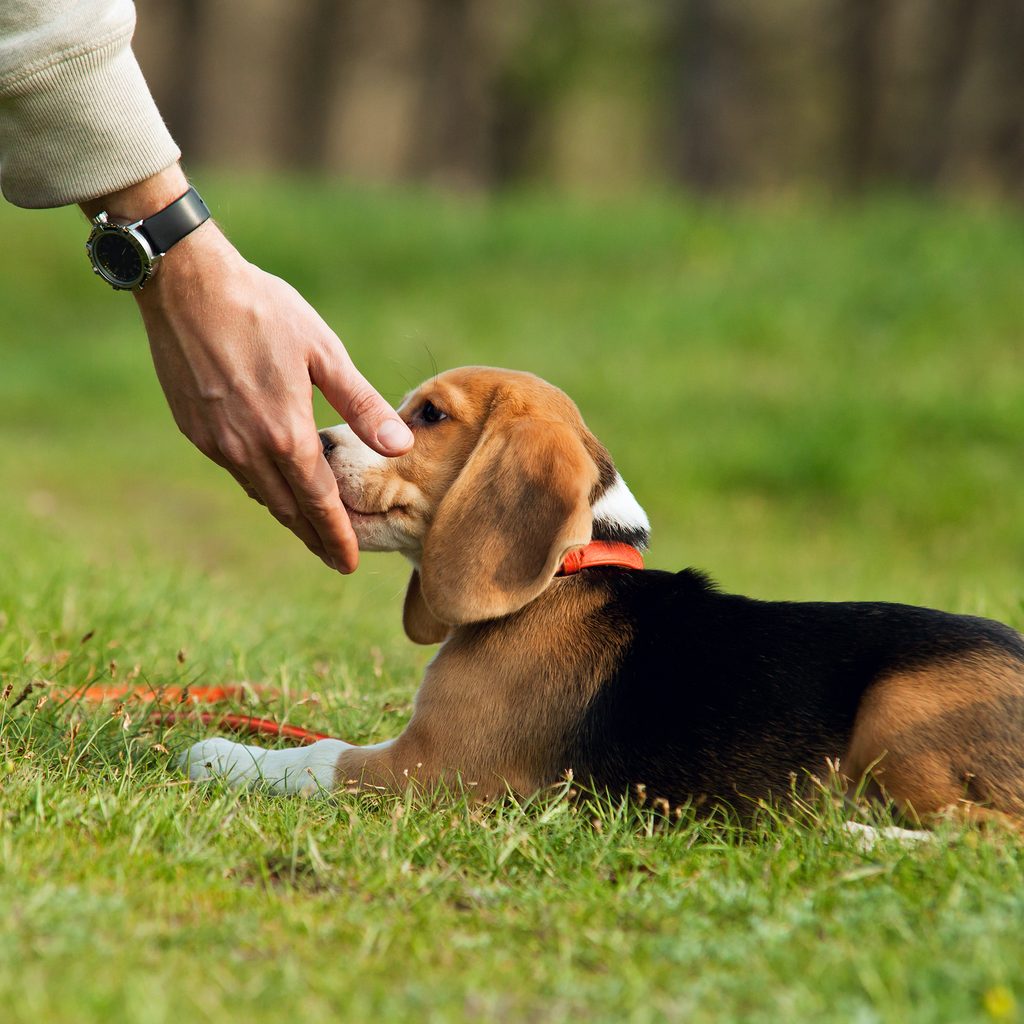
3. How will your dog be interacting with other dogs?
Many puppy obedience classes are led in a group environment, though whether or not the dogs interact can vary. If they do, be sure to ask what rules apply during interactions and whether you should wait until instructed to make introductions.
Even though most puppy classes are group-based, you will likely be able to request private sessions if your dog is especially distracted or afraid in crowds.
4. Is this class for puppies only?
Depending on the age of your new best friend, you’ll likely want a class that’s meant especially for puppies. This will set you up for success by ensuring that you’re not asking too much of your dog too soon, which will just lead to frustration for everyone. It will also lead to more appropriate social interactions between puppies when everyone is on the same page.
5. What will your puppy learn?
A basic obedience class for puppies will teach you effective ways to communicate with your dog. You and your buddy will both learn how to navigate a number of situations and behaviors, including their first obedience commands. You can expect to learn behaviors like:
- responding to name
- sit
- stay
- come
- no
- down
- loose leash walking
Many trainers will be happy to offer a training checklist or guideline for the course so you can know exactly what your puppy will learn.
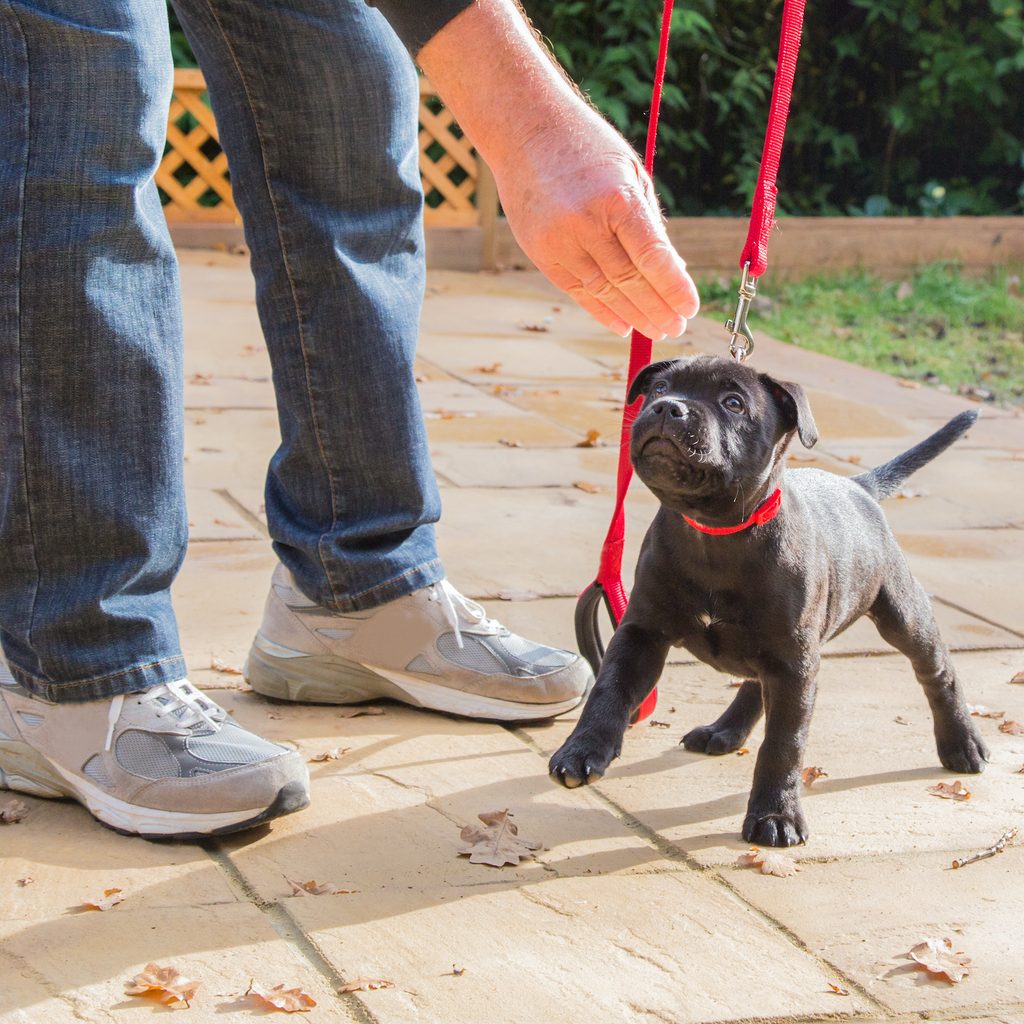
6. How does the program reward and correct behaviors?
Communication is key when it comes to training your dog and building trust with her, so it’s important to know exactly how to interact with your buddy. You can always ask about the reward and punishment techniques used in the class, though an ethical, caring trainer will always choose positive reinforcement and redirection instead of teaching through consequences or fear.
7. Do you need any extra training equipment?
Though you’re starting with the basics in a puppy obedience class, you’ll still need a few pet essentials, such as a leash, a collar, and an ID tag for your dog. It’s also a smart idea to bring a portable water dish to keep your buddy hydrated, as well as some treats to use as rewards during training. A program may provide treats at the facility, but vets recommend keeping your dog’s diet consistent — in other words, bring your own treats!
Some dog trainers use special tools — or even household items — to make training easier to visualize or perform. They’ll let you know what you’ll need in order to complete the class, but it never hurts to ask ahead of time.
8. How does the program address behavioral concerns?
If your puppy is behaviorally challenged, she may need more help than a basic training class can provide. This could mean just a few seconds of extra guidance from the trainer or some extra practice at home, but it’s always helpful to know what to expect, just in case. You may not be able to control whether you discover your pup’s rambunctiousness inside or outside of class, but you can educate yourself about alternative training options. Whether it includes private classes or more enticing treats is yet to be determined, but a lot can be done!
If this feels like a lot to consider before choosing the best obedience class for your puppy, don’t worry. You’re learning right alongside your four-legged friend, and there’s always time to make changes and improvements. You don’t need to know everything today. Deep breath, pet parents. You’ve got this!