
As adorable as a puppy can be, their teeth — all 28 of them, to be exact — are not so cute. These baby teeth, also called deciduous teeth, will fall out and be replaced by their adult chompers by the time they’re a year old, but the months leading up to it can be, well … destructive.
Puppies aren’t trying to be annoying by chewing while they’re teething, but there are still ways you can help them get through it with minimum collateral damage. Understanding puppy teething symptoms is the first step toward the ultimate goal — but what are the signs your puppy is teething?
What are the symptoms of puppy teething?
1. Drooling more than normal
Because your dog’s adult teeth are pushing her baby teeth farther and farther out, she may be drooling more (via Caring Hearts Animal Hospital). This sign can be a bit harder to notice if you have a dog whose breed is known for its slobber, but it might be easier to tell by looking for more drool than normal on their toys or anything they chew.
2. Chewing
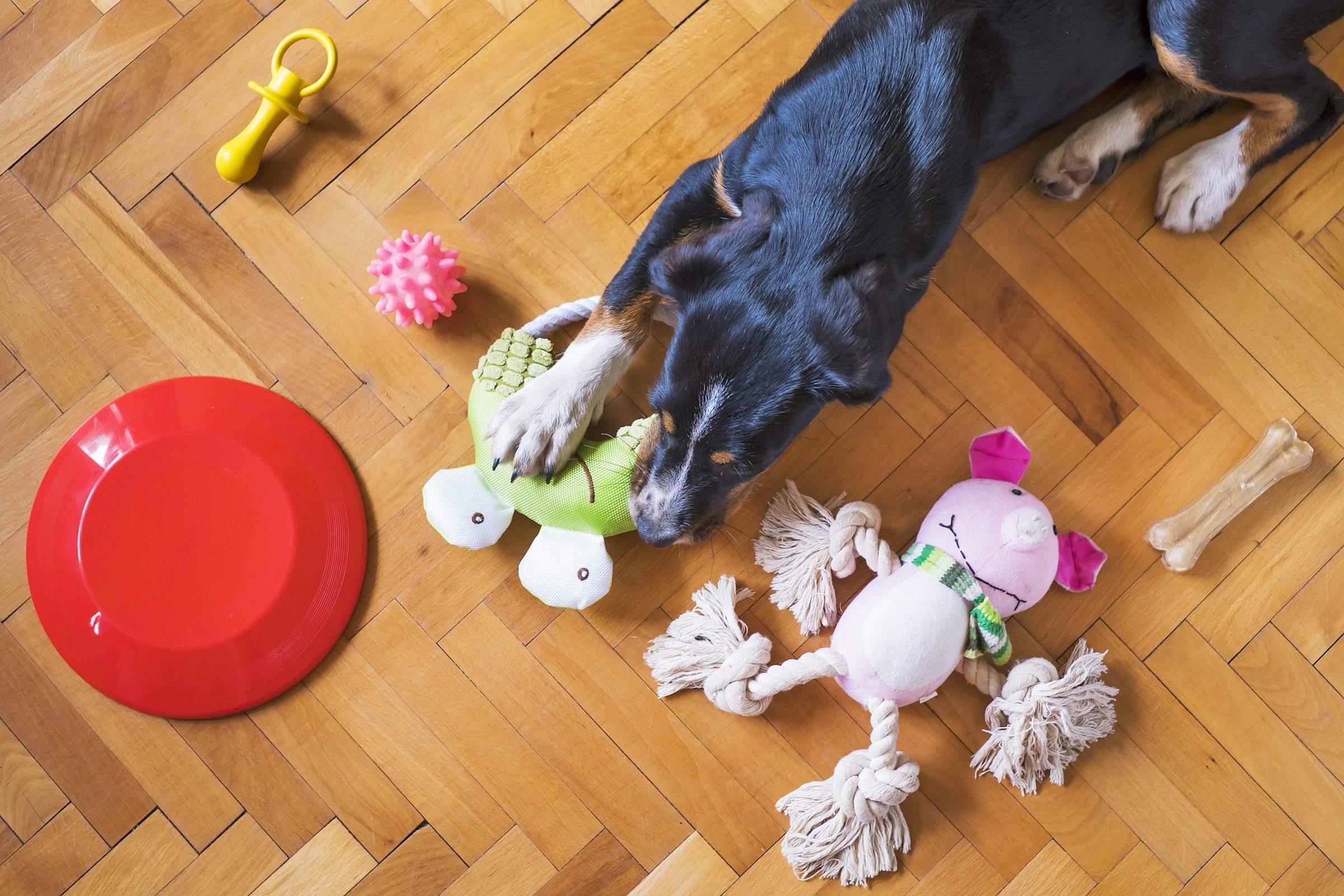
Although all dogs like to chew to some extent, this behavior is certainly more noticeable in pups — for a few reasons. While gnawing on a toy or your favorite shoes can relieve some of the discomforts of teething, it also helps puppies learn about the world around them. All dogs use their mouths, noses, and ears to figure out how to navigate life, though VCA Animal Hospitals notes that “mouthy” breeds like shepherds and Labradors will be especially prone to this.
3. Blood spots on your puppy’s toys
Although they can be alarming, especially for first-time pup parents, spots of blood on your dog’s toys and other victims shouldn’t normally be a cause for concern. If they’re between three weeks and six months old, your puppy is probably just dealing with the normal side effects of teething and not a larger issue. If there’s an excessive amount of blood, or if you’re still concerned, it’s never a bad idea to reach out to your trusted veterinarian.
4. Puppy teeth falling out
In the same way that human children lose their baby teeth, puppies will lose their deciduous — or puppy — teeth as their adult ones grow in. They may fall out randomly or while chewing, both of which can be surprising, but it’s not dangerous. Your puppy may even swallow some of her teeth when they fall out! This won’t be an issue; your dog will pass them like anything else she ingests (via VCA).
Do let your vet know if your pup’s deciduous teeth don’t fall out, since they can lend a gentle helping hand. This is mostly a risk with flat-faced breeds such as pugs and shih-tzus, but it is worth keeping an eye out for no matter your dog’s breed.
5. Irritability and lack of appetite
Teething hurts! Don’t blame your dog if she doesn’t feel like snacking quite as often as normal — it’s quite likely not as enjoyable as it should be. This frustration might last longer than mealtime when your pup is particularly sore, but you’d be in a mood if you were in pain, too, wouldn’t you? Luckily, you’ve got a few ways to help your puppy feel better while eating, and most take only a few minutes. Keep on reading, pet parent!
How to help your teething puppy
From making simple mealtime adjustments to buying specific toys and treats for teething, you have myriad ways to help your pooch cope with her new teeth. Remember that each dog is different and will eventually find their favorites, but some trial and error is always okay!
What to feed
Although you should not deviate from their recommended puppy diet, there are a few ways to make it more palatable for teething fur babies. Soaking kibble in warm water for 10–20 minutes before serving can help soften it, turning it into the perfect texture for sensitive mouths. The nutrition pros at Iams note that feeding your pup dry food will stimulate deciduous tooth loss and help your dog get through the process faster, which is a win for everyone.
If this doesn’t suit your fur baby’s needs, mixing her dry food with canned wet food meant for puppies is another option. You can switch entirely to wet food, too, though any large dietary shifts during this important time in your dog’s development can add more stress than value.
Teething toys and treats
A small splurge on a couple of teething toys for your puppy can go a long way in keeping your furniture safe (and even further in keeping your dog comfortable). You can even find puppy-sized Kong toys to keep food-motivated dogs occupied, though flavored puppy toys may be just as effective. Frozen carrots can be a cheap and natural alternative for chew toys — and many dogs enjoy them, too!
As you and your pup embark (pun certainly intended) on this lifelong journey, you’ll have many other firsts together. One step toward ensuring a lifelong friendship is caring for your pet and every part of her — teeth included! By keeping these few tips in mind, you’ll be more than ready to face whatever life throws at you both.