
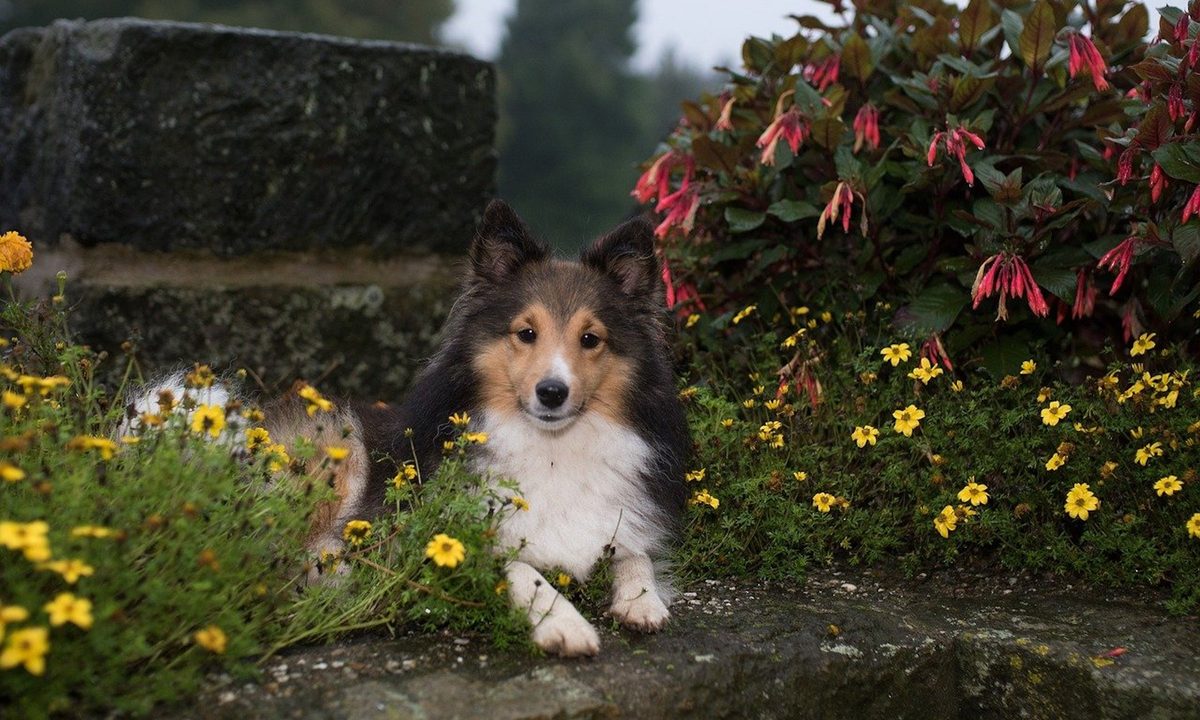
Shetland sheepdogs (shelties) look beautiful and majestic with their elegant coats and sleek, foxy faces, but they also make some of the best watchdogs. The breed is known for loud barking and extreme intelligence, so they’ll be able to alert you of an intruder earlier and from further away than any camera or pair of human could.
With these sheltie training tips, you and your pup can work together to learn how to keep your house and family safe. You’ll show your dog what you expect from them when a stranger approaches, what kind of behavior will be rewarded, and when to back down and stop barking. Here’s what you need to know before you begin training your sheltie to be a watchdog.

What does a watchdog do?
It’s important to make the distinction between a watchdog and a guard dog — they’re not the same. Watchdogs are trained to vocally alert their owners of a stranger or intruder, whereas guard dogs can keep said intruder busy and away from their owners.
Training your dog to guard as well as alert can be high-risk work, so it’s always a smart idea to enlist the help of a canine professional if you decide to take this route. If you’d like to teach your sheltie to be a helpful watchdog, though, you can do this completely from home.

Why do shelties make great watchdogs?
In addition to being an incredibly vocal smaller breed, shelties are highly intelligent. Their history as working dogs (they're in the herding group) helps them learn quickly — some shelties get the hang of a new command in as little as one training session — and remain on alert without it taking a mental toll.
Combine all these traits with a bonded relationship between sheltie and owner, and you’ve got one motivated watchdog. They’ll be driven enough by their natural desire to alert and protect, but the effort and time you put into training your dog will be the biggest factor in their success.

How to train a sheltie to be a watchdog
Once you know the steps and strategy for training your Shetland sheepdog to be an effective watchdog, you can get started implementing what you’ve learned.
Step 1: Socialize your sheltie.
Before any real watchdog training can begin, you need to make sure your Shetland sheepdog is properly socialized and able to get along with other pups and people. Early, positive socialization (at a younger age, if possible) can help your dog build up confidence and trust around others — especially those they'll be in regular contact with. You wouldn’t want your sheltie barking at your own family, right?
Step 2: Teach your sheltie to bark on command.
Once you feel your sheltie is properly acclimated to people, you can start formal training with your dog. Take advantage of your Shetland sheepdog’s natural vocal ability by helping them associate barking with a command. The American Kennel Club advises owners to offer their dog a reward while saying the command "speak!" immediately after they vocalize.
Step 3: Teach your dog to stop barking on command.
Teaching your dog to stop barking will work similarly: by marking and rewarding the behavior you want to see. When your dog barks, use the command "stop" and reward them after just a moment of silence.
As you progress, wait longer and longer after he stops barking to reward your dog’s behavior. Eventually, they’ll understand what it is you’re asking.
Step 4: Reward your dog for barking at approaching strangers.
Now that you can control your dog’s barking, you’re ready to practice watchdog behavior. You will need to enlist the help of someone your pooch has never met. Have them approach you or your home, and reward your dog for barking. Don’t use a command since your sheltie will need to alert based on their own judgment moving forward.
Step 5: **Keep the treats coming. **
Make sure to reward both the barking/alerting, as well as responding to your "stop" command when you’re ready to give it. You can practice this with different people or in different scenarios, but your sheltie will probably understand their job sooner rather than later.
Remember: Dog training of any kind can be tricky, especially if your pup doesn’t fall into the typical behavior patterns for their breed. Don’t be afraid to ask for help from a dog trainer or canine behavior consultant if you run into any issues. Odds are, though, you and your sheltie will get the hang of this practice thing in no time.