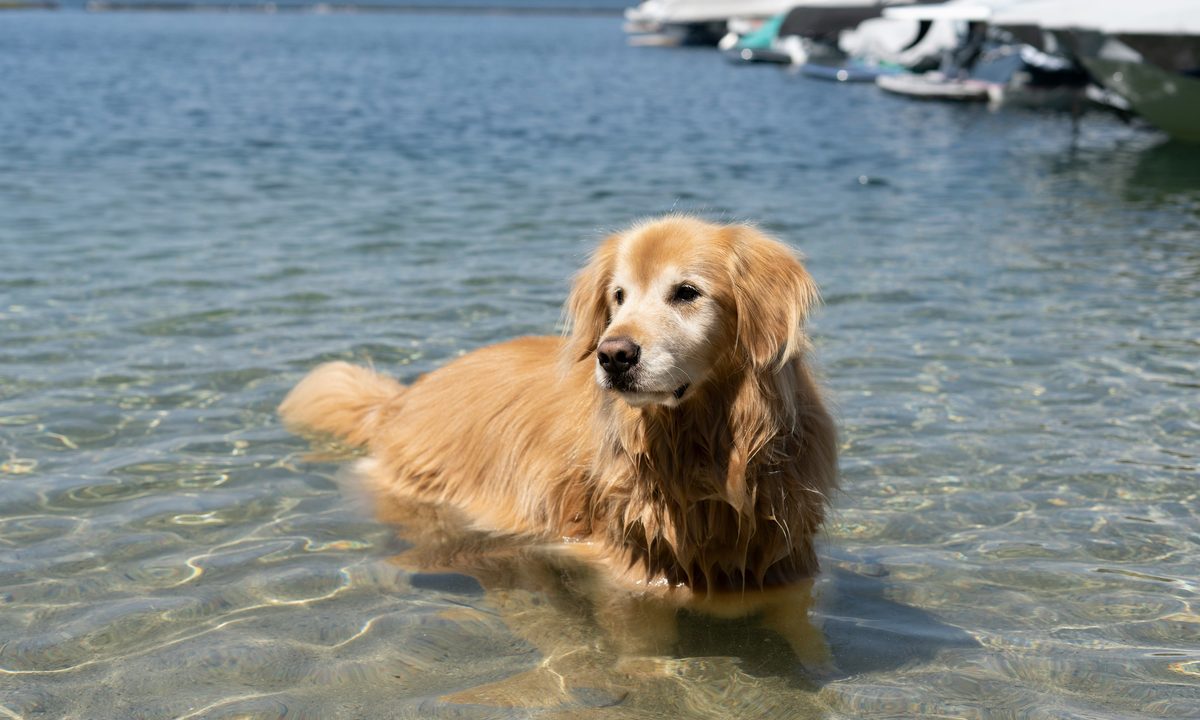
As the days become warmer and longer, more and more public beaches are open for the season. Families, couples, and even dogs enjoy visiting local shorelines, but some dog owners are surprised to see how easily their furry friends take to the water. Not all dogs love swimming or even getting near the water, but others are quite literally bred to swim and work on the shore. These unique and varied dog breeds even have webbed feet!
But how can you know what dogs have webbed feet? Let’s dive into the breeds that are built for swimming. This group is more diverse than you may have guessed, but no matter how different they are, they share one special physical trait in common. They can take to the water like pros, from the top of their heads to the bottom of their webbed feet.
Do all dogs have webbed feet?
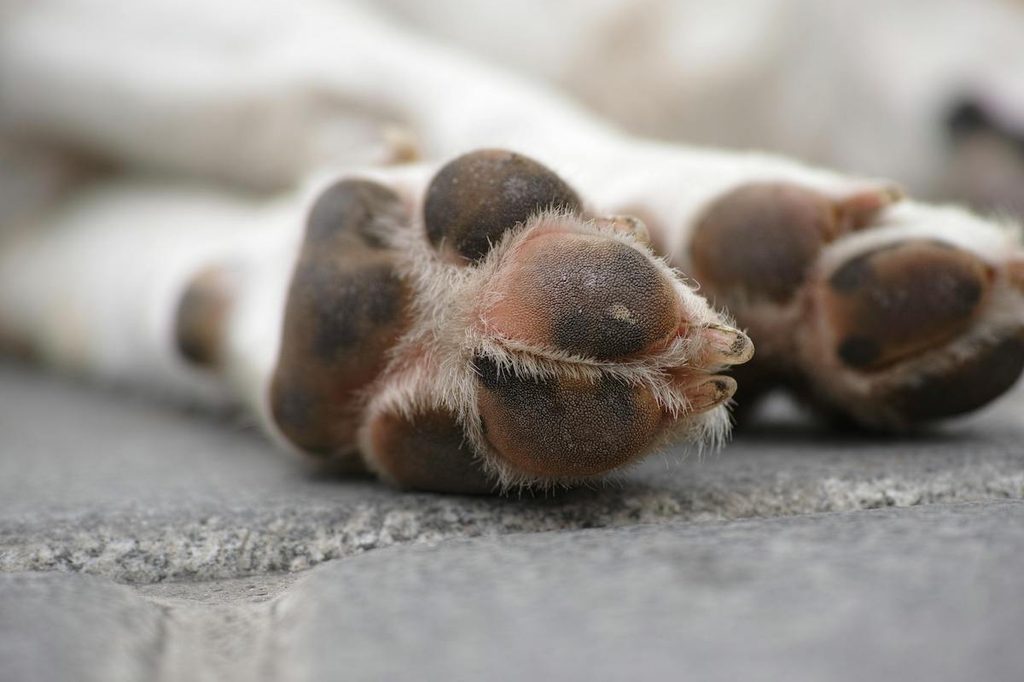
Technically, most dogs have webbed feet to some extent. Having a thin membrane between the toes plays a huge role in balance and swimming ability, but it can also help Nordic breeds like Siberian huskies walk more easily in the snow.
Go ahead—check your dog’s paws. There’s a good chance that you’ll find a thin webbing between their toes, though it may not be very prominent. This is a special adaptation that’s evolved over millennia of canine evolution, though it doesn’t necessarily correlate to a dog’s affinity for the water.
That being said, some dog breeds are known for having prominently webbed feet, thanks to their strong swimming abilities and centuries of working in lakes, creeks, and oceans. These pups are “pawsitively” incredible!
What dogs have webbed feet?
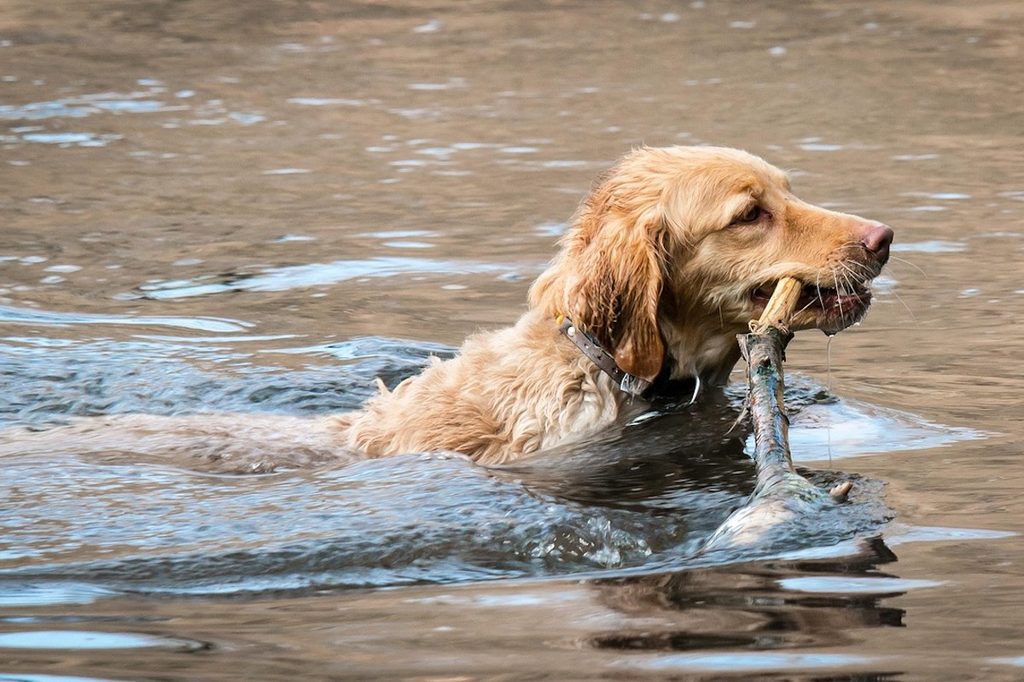
These dozen dogs aren’t the only ones that have webbed paws, but they’re the breeds that are best known for putting their webbed feet to use. Not every individual within these breeds will be a professional swimmer, but these dogs tend to be very comfortable around the water.
American water spaniel

As this breed’s name implies, the American water spaniel is extremely athletic in and out of the water. They originate from the Great Lakes region of the U.S., where they were bred to retrieve game and fowl from the water. Their iconic curly coat is also a double-layered one, which helps them dry off instantly no matter how long they’ve been swimming.
Chesapeake Bay retriever
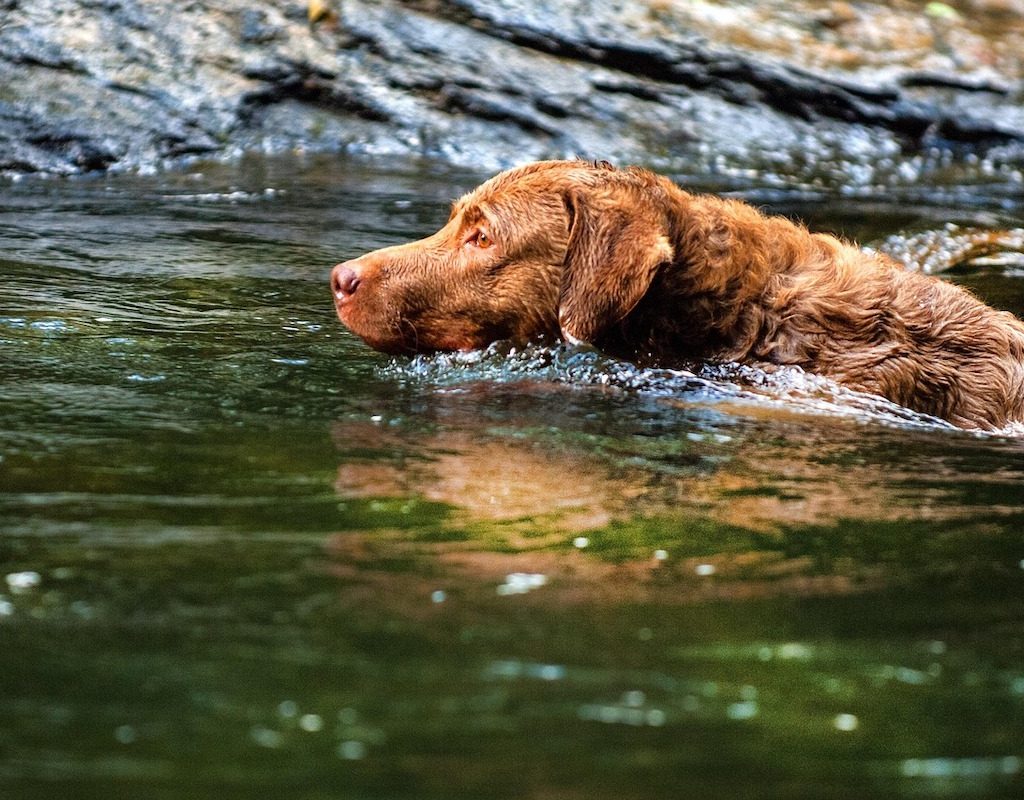
This is another American dog breed that was developed as a loyal and versatile hunting companion, although they can also be athletic pets. Chesapeake Bay retrievers, or Chessies, have a distinct wavy, oily coat that comes in a variety of unique, silvery hues. These dogs need to be well socialized from a young age and thrive with consistent exercise and obedience training.
Dachshund
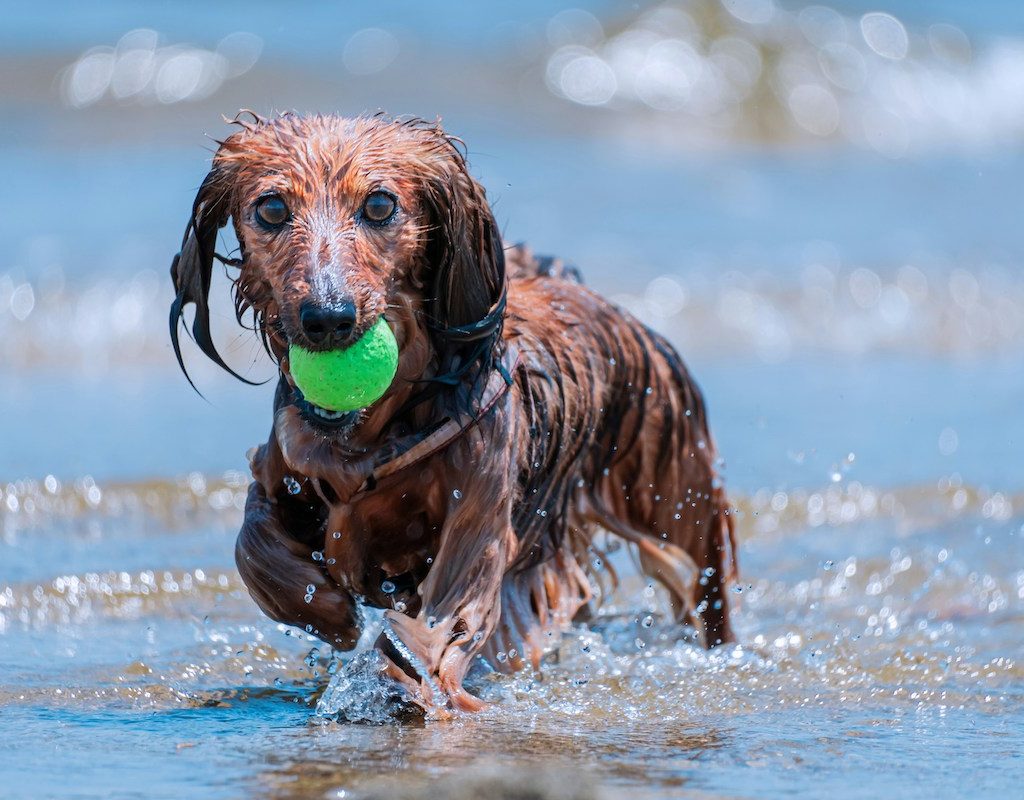
“Sausage dogs” are special in more ways than one. Not only do they have a unique, long body shape that makes their job of hunting burrow animals as easy as possible, but they also have webbed paws to help with digging. They’re one of the very few dog breeds that have webbed paws for purposes other than swimming.
Some dachshund dogs still enjoy swimming, though their long body shape can sometimes make it more challenging. Water-loving dachshunds should always be supervised while swimming, and a special tool like a canine life jacket can be extra helpful.
German shorthaired/wirehaired pointer
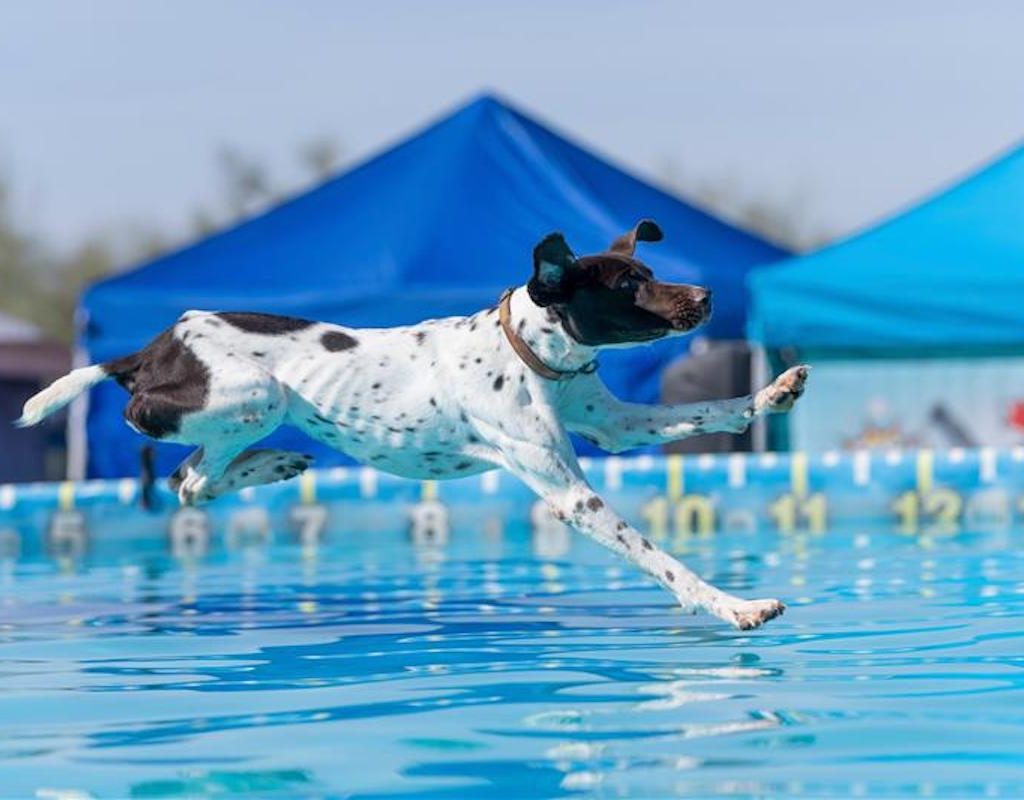
German shorthaired pointers and German wirehaired pointers are famous for their extremely high energy and drive to work. With the proper socialization and training, these dogs can work a number of jobs, from explosives detection to search-and-rescue gigs.
Both of these breeds are strong swimmers with their webbed paws and history as hunting companions, but the wirehaired variety has one extra step up. Their wiry coat is double layered and waterproof, which keeps them warm and dry around the water.
Irish water spaniel
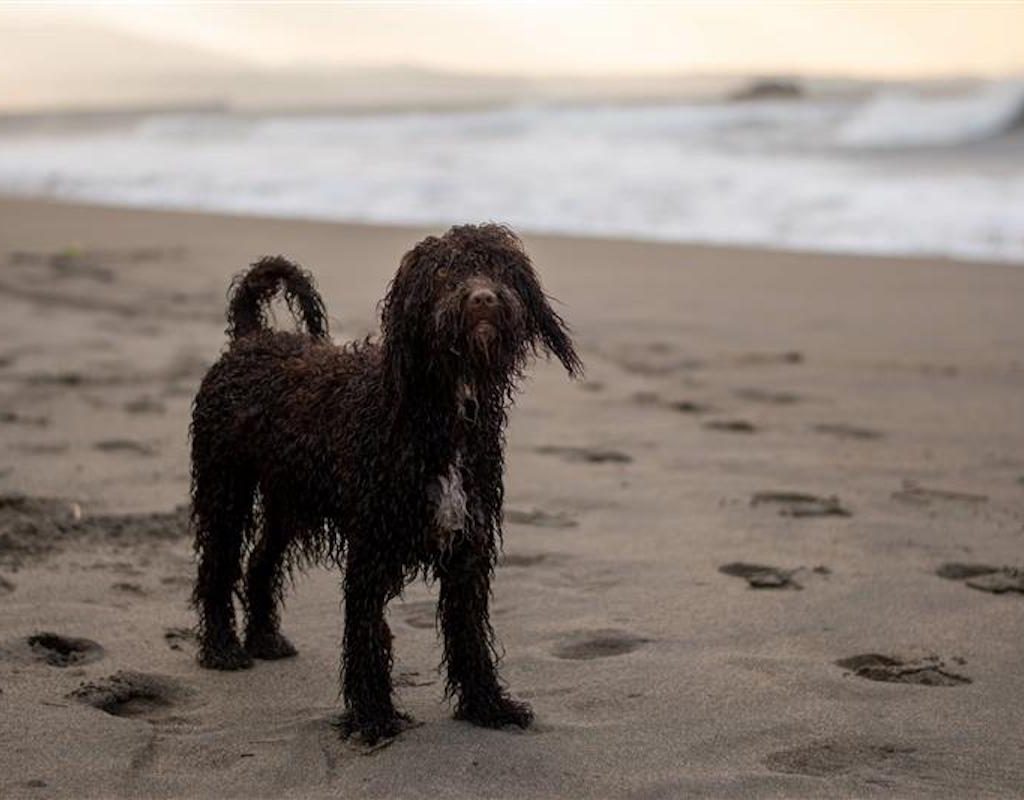
The Irish water spaniel is one of the oldest spaniel breeds in existence, and it’s always been a beloved companion for hunters and families alike. Their fuzzy, curly coat is dense and waterproof, which, combined with their webbed feet, makes these hounds natural swimmers and adventurers. These intelligent athletes are best suited for active owners, though they’ll be happy to cuddle up on the couch after a fun day spent outdoors.
Newfoundland
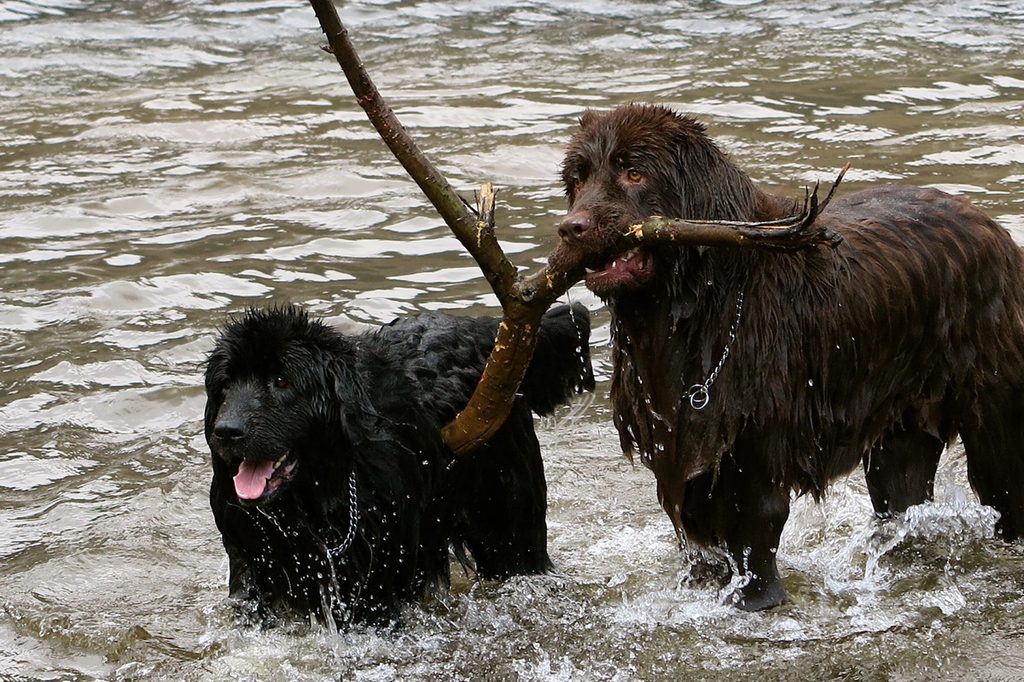
These gentle giants are beloved for their sweet and patient demeanor, though not everyone sees their athletic side. While many Newfoundlands would rather take their role of “nanny dog” as seriously as possible, others will be ready to accompany you on almost any adventure.
Their webbed feet, thick coats, and massive bodies make them less sensitive to temperature and wetness, so they can go from babysitter to Olympic swimmer in a matter of moments. In fact, these dogs make excellent lifeguards!
Otterhound
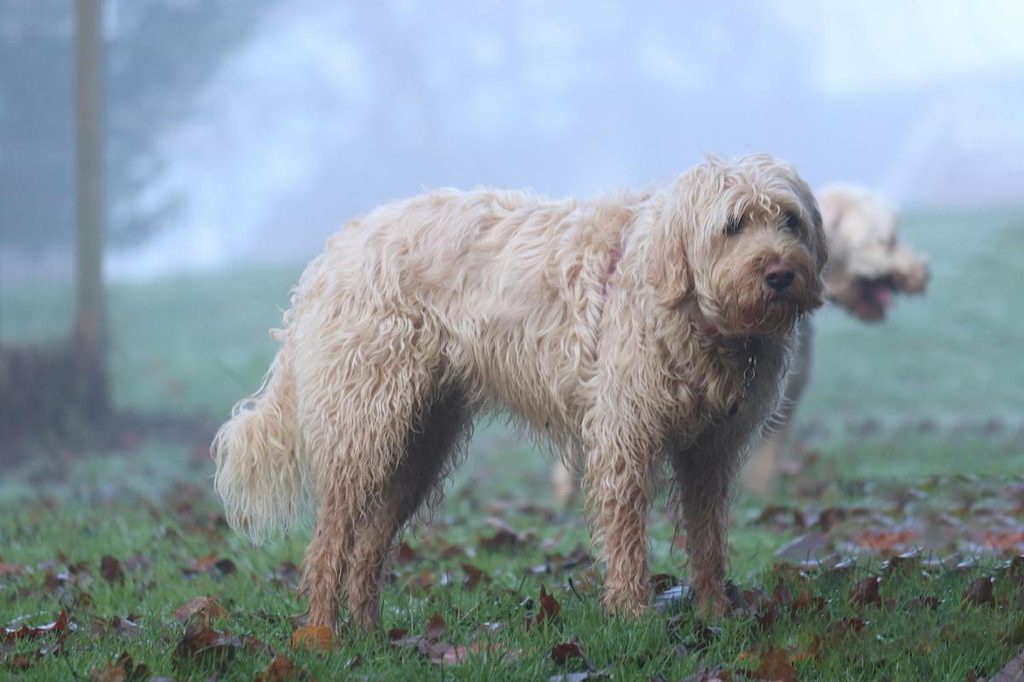
If a dog breed is named after a marine mammal, it only makes sense that they have an affinity for the water. However, the otterhound’s history and relationship with the animal is less warm and fuzzy than one would imagine (they were originally bred to hunt otters in medieval England).
Fortunately, otter hunting has since been outlawed, but this breed suffered greatly as a result. This rare dog breed is known for its strong muscles, waterproof coat, and webbed feet, which make these dogs some of the best canine swimmers in the world.
Poodle
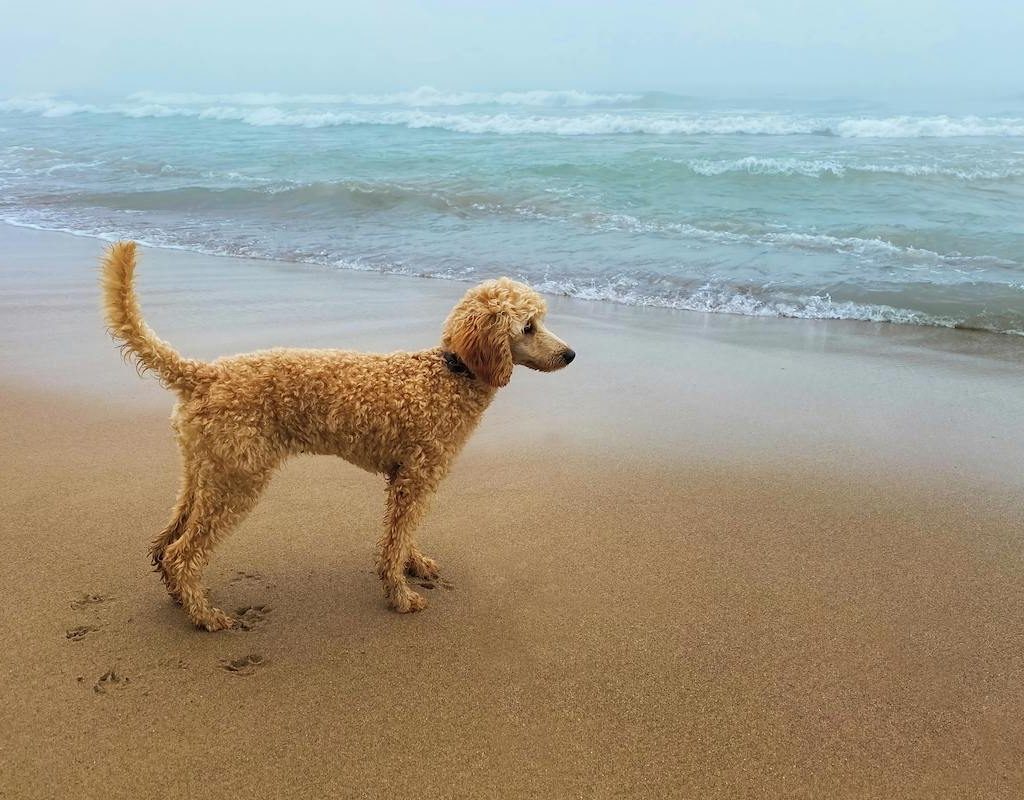
The graceful and majestic poodle isn’t generally associated with swimming or water activities, but these dogs were, in fact, bred to fetch waterfowl, like ducks and geese, from the water for hunters. Their thick, curly coat keeps them warm while swimming, though it can also be groomed into a number of avant-garde styles. Although poodles have been bred more for companionship in recent years, many still have a strong hunting drive and affinity for swimming.
Portuguese water dog
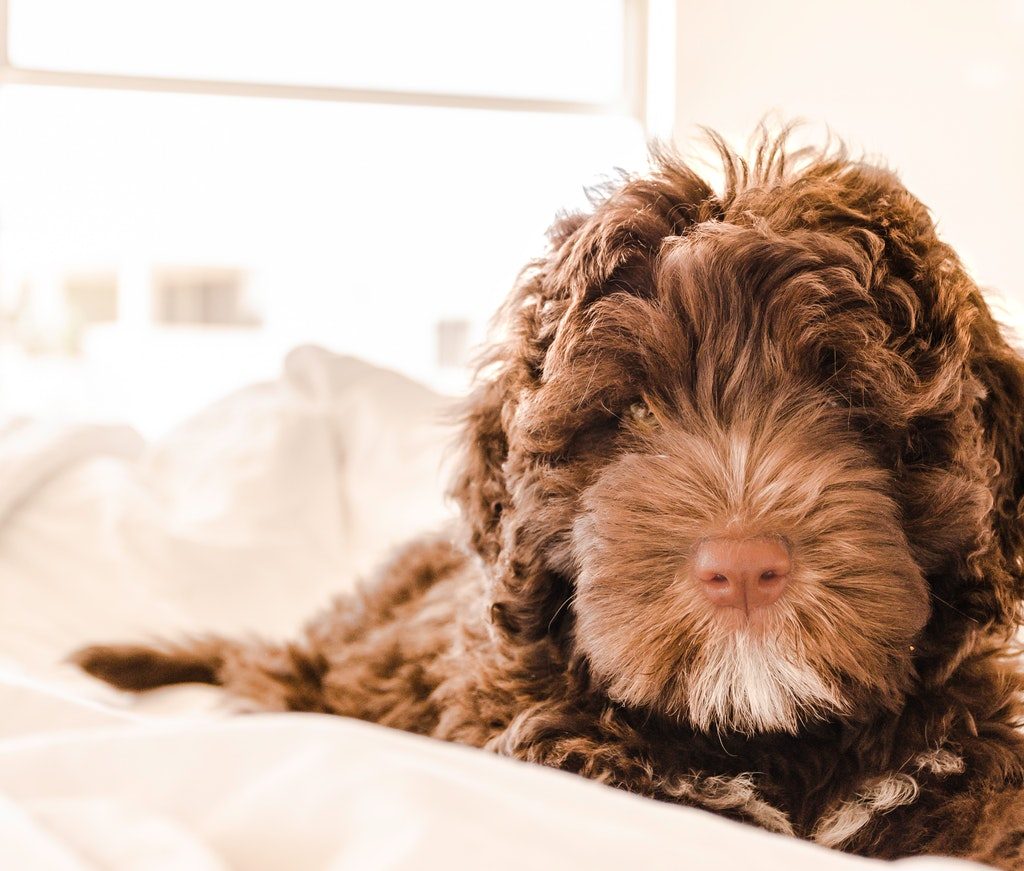
This breed became much more popular after Bo and Sunny Obama skyrocketed to fame alongside their president dad, but they have a much longer history as companions for both fishermen and families. These dogs lived on boats and worked a number of jobs in and out of the water. Their adorable curly coat is just as functional as it is cute, though many people love this breed’s personality the most.
Redbone and bluetick coonhound
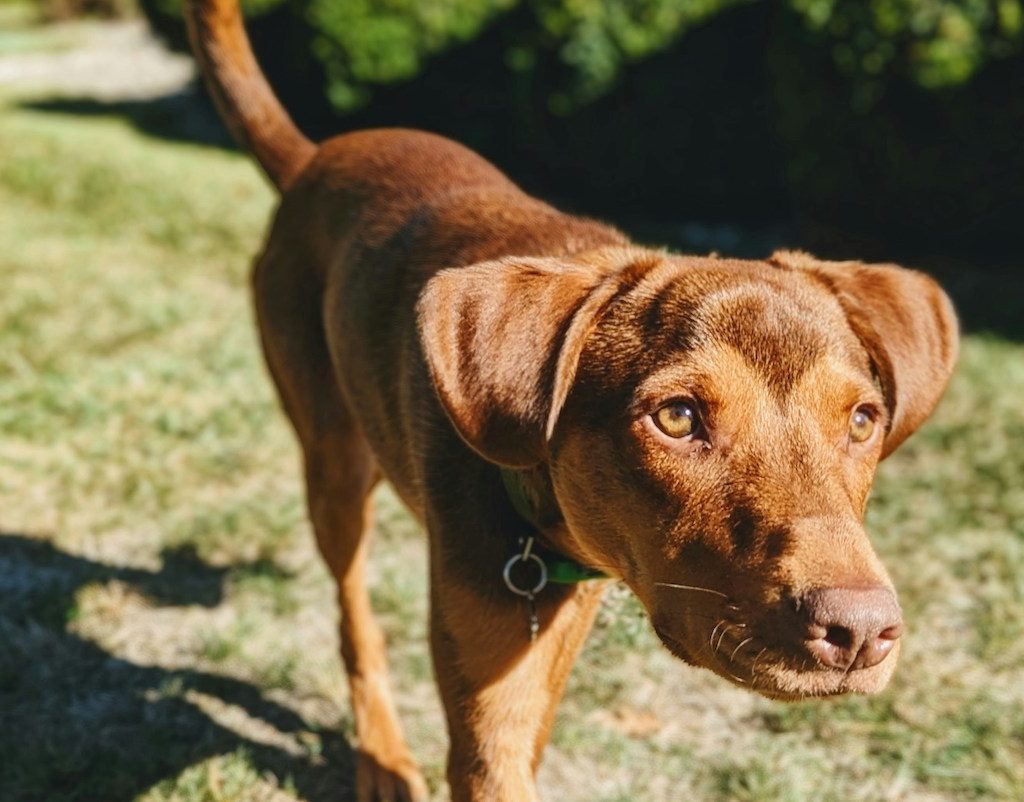
Although most hunting dogs aren’t heavily associated with the water, some hunting breeds, like coonhounds, have webbed feet to help them walk easily in a variety of terrain. Not only do webbed paws help with swimming, but they also make it easier to stay balanced on mud, snow, or rocks.
Retriever breeds
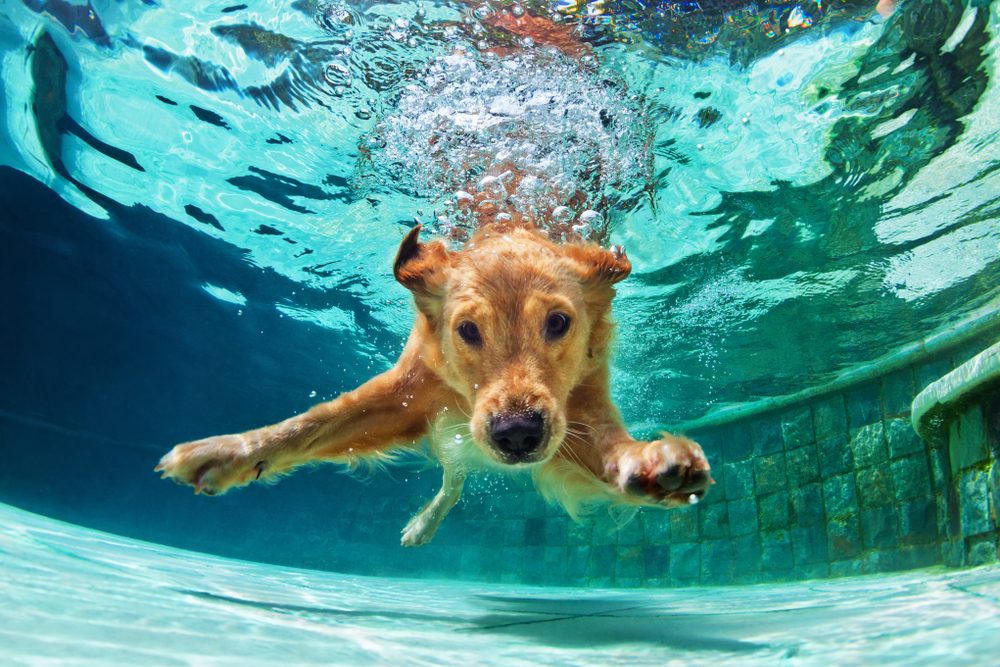
As their name implies, retriever dogs were bred to retrieve game and waterfowl for hunters. These breeds are also popular as family pets due to their easygoing and loving natures, but their love for activity, companionship, and mental stimulation remains the same.
Even though these dog breeds are built for the water, not every dog will be excited to dive in. It’s just as important to know your individual dog’s strengths, weaknesses, and boundaries and to supervise dogs whenever they’re in the water. No matter a dog’s breed — safety comes first!