
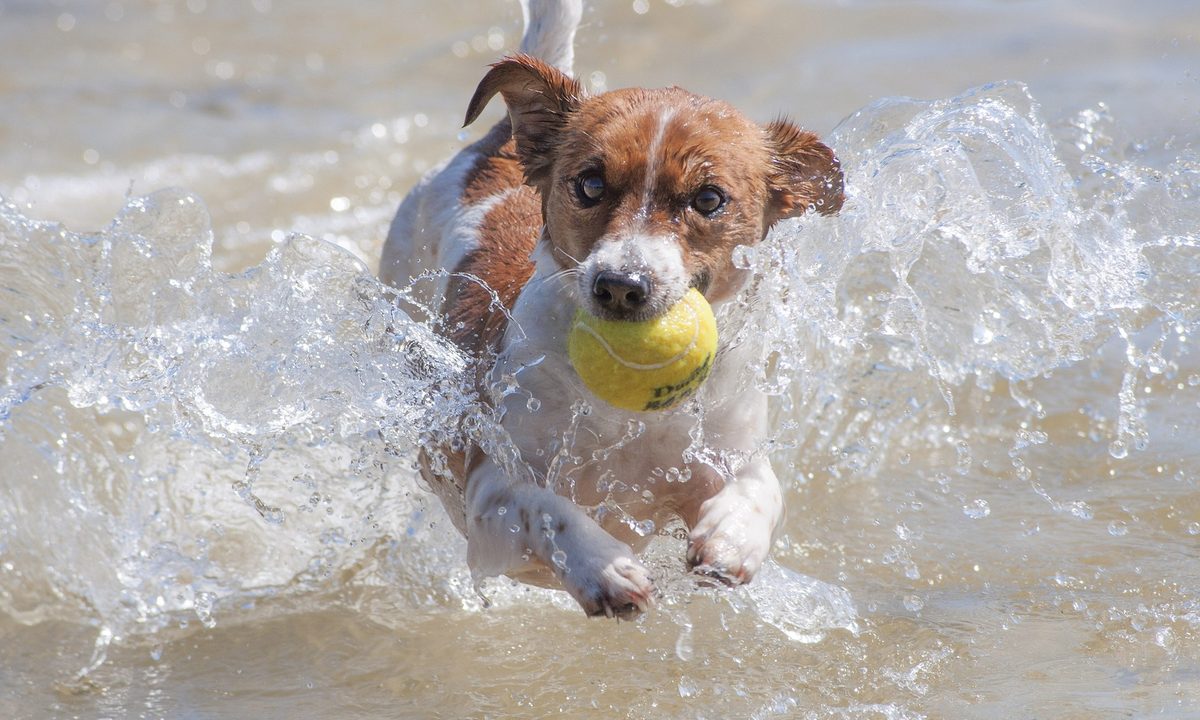
What’s a dog’s favorite activity? Playing with tennis balls might top the list, or at least come close. The second you grab one of these orbs, you should expect Fido to jump with excitement about the impending game. Even small dogs may go after a tennis ball if you show them how it’s done.
So why do dogs love tennis balls? You can explain this partly through evolution, but with a bit of human intervention thrown in. Playing with your dog helps get them exercise and serves as a form of mental stimulation, so we highly encourage you to throw a catch (or chase) now and then. When you discover the evolution behind this game, it can also make it more fun for you, the human.
Why do dogs love tennis balls?

There isn’t just one reason that explains why dogs love tennis balls so much. After all, the version we know today was only invented in 1972, but pups have certainly been chasing balls quite a lot longer. Somehow, the modern incarnation seems perfectly designed to excite our beasties.
Instinct
In the wild, wolves must run after animals as part of hunting their meals. In addition, many dogs have been specifically bred to retrieve (like Labs and goldens). Put that all together, and you have a creature that will pursue and bring back the toy. Of course, your pooch knows this isn’t really a rodent or bird, but it still triggers the instinct that says: Chase! You’ll hear experts sometimes refer to these types of objects as “prey substitutes,” meaning they mimic some of their natural drive to go after animals.
Size, shape, and texture
For an average-sized dog, the standard tennis ball probably fits right in their mouth (you can buy small versions for littler guys). That’s appealing to your buddy and makes it easier for them to play with. They also often love the squish that happens when they bite down on a tennis ball. Some pup pups will even chew on the fibers that give these spheres their unique texture.
Bounce and movement
Tennis balls were made to bounce as part of their original game, making them highly adaptable to the hunting play that you do with your best friend. Prey doesn’t make regular movements, and so the somewhat erratic bounce of the tennis ball gives this an extra thrill. Watch your fur baby as they follow the ball with their eyes or even run alongside it. Your pup doesn’t care about getting to the ball quickly — it’s all about the thrill of the hunt.
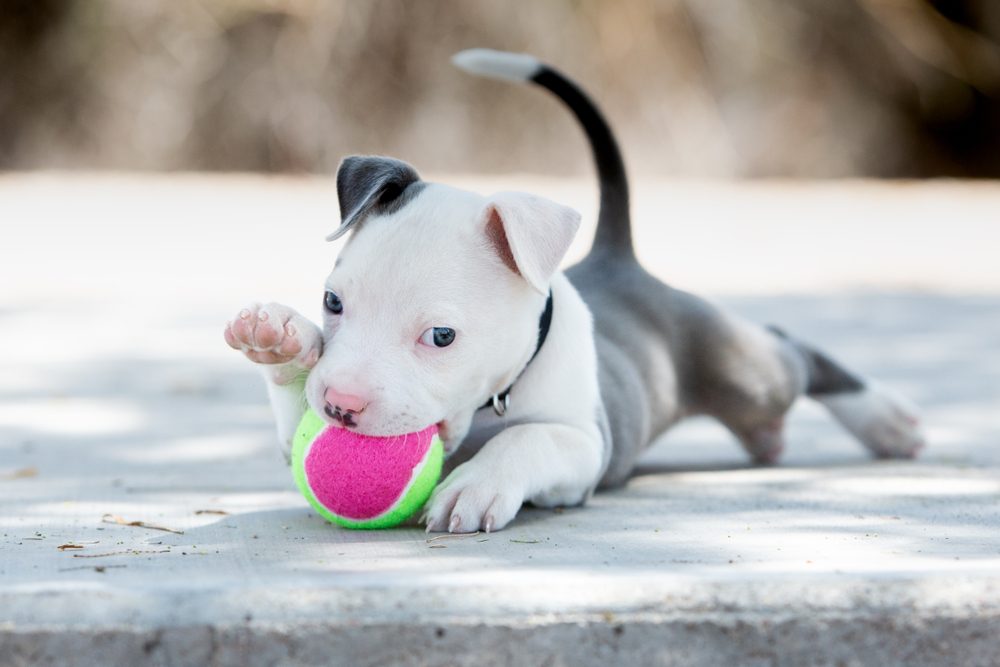
Playtime reinforcement
When you play with your dog, you probably give all sorts of positive cues. Everything from exclaiming “good boy” to patting them on the head after a successful snatch out of the air will reinforce that the activity is fun and rewarding (for both of you). Now, every time you pull out the tennis ball, the little dude will probably come running, knowing they’re about to get a lot of attention.
Exercise
We include both physical and mental exercise here, which are two vital parts of keeping a dog happy and healthy. Fetch can help your dog maintain a healthy weight and keep their brain engaged, so they don’t get bored, which can lead to depression and other poor health outcomes. While it might not seem mentally taxing to you, they’re using problem-solving skills and brain energy to predict where the ball will go while running after it.
Oral stimulation
Lots of pooches love to put things in their mouths (certain breeds and breed groups, like terriers, are especially prone to mouthiness). These four-leggers will particularly enjoy chewing on a tennis ball and taking full advantage of the firm yet supple quality. It’s tricky to rip these apart (they’re designed for elite athletes to beat around), but some dogs manage to pull that off. Definitely have a backup supply ready to go.
Bonding
Bonding with you, that is. More than anything, dogs want to spend time with us and involve us in every aspect of their lives, especially play. When they see how much you enjoy the game (or enjoy watching them hilariously try to figure it out), they’ll be even more inclined to go round and round with the ball.
Can a dog have too much fun with a tennis ball?
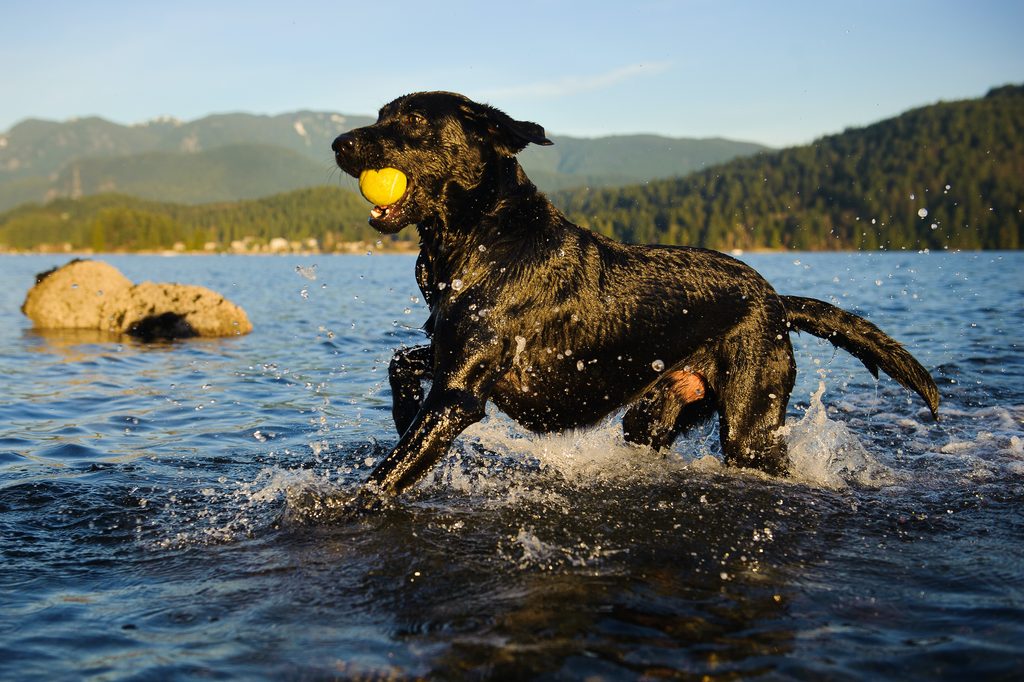
You know what they say about too much of a good thing. Many buds won’t ever want to stop playing, while others will clearly indicate to you when they’re tuckered out. You don’t want them to overdo it, so be mindful of their energy level and ensure you have water around and easy to access.
Also, chewing too much on a tennis ball might lead to dental issues. A little bit, especially as part of fetch, won’t do any harm, but excessive munching can cause problems. Don’t let your pet bite off pieces or swallow a lot of the outside fiber either, as these toys can turn into choking hazards.
Putting a game of fetch on your weekly calendar will serve both you and your dog well, and we highly encourage tennis balls as a go-to toy. Playing with these bouncing objects will give your pet a chance to channel their inner wolf while getting much-needed exercise and using their mental energy. If you participate in the chase now and then, you might get a bit of a workout, too.