Coming home to a happy dog might be one of the best feelings in the world. When you walk in the door, your pup may jump up and down or give a little yip of excitement. But why do dogs stretch when they see you? Once you take a moment to think about it, a stretch seems like a weird way to say hello. To get to the bottom of this unusual canine activity, we have to define what type of stretch we’re talking about. We’ll walk you through three different kinds.
Why do dogs stretch when they see you? A play bow
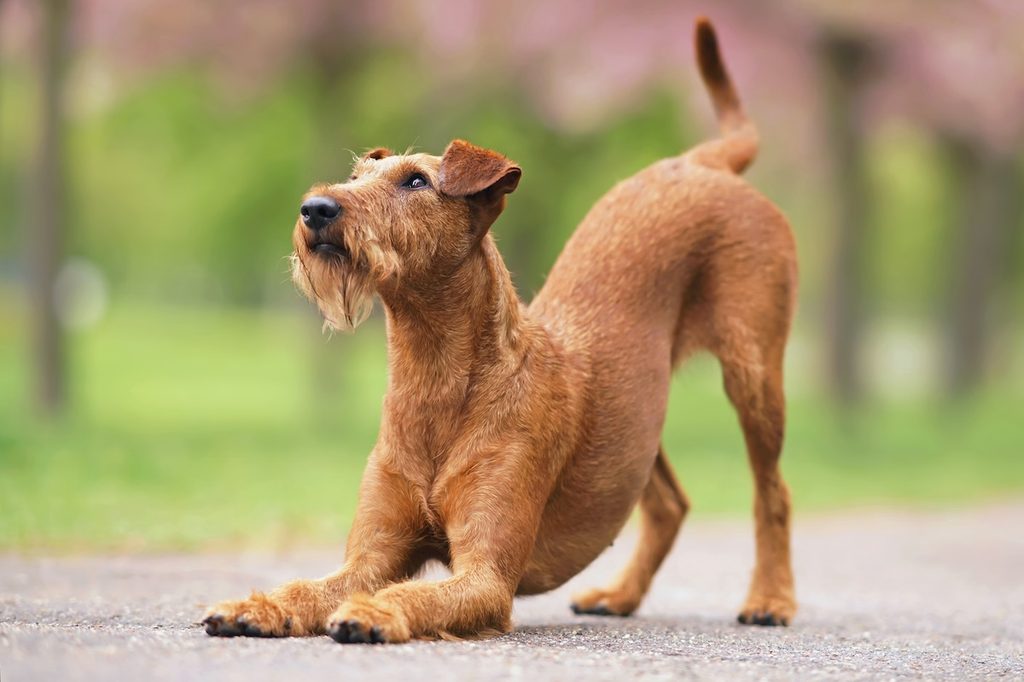
There’s an easy way to distinguish this from other stretching: Look at the elbows. If a dog is extending themselves and their elbows are bent, meaning the forearms rest on or near the floor, this is a play bow. Interestingly, wolves and even lions have been observed using the play bow as a signal that it’s time for the games to begin. That tells us that this innate move has meaning across species. You probably instantly know when your pup pup wants to play and will also have a lot of context around this behavior. For example, if you already have their favorite squeaky toy in hand, a play bow makes a lot of sense.
This kind of stretching is almost never a problem, unless you want the fun to come to an end so that your beastie calms down a bit. In fact, it’s specifically not a sign of aggression and may tell their fellow furry friend to join in, letting them know that no harm will come to them. One last note: You’ll also see a happy face on your pooch when they sink into their dip. Once you get to know your animal, there will be no mistaking the play bow.
Why do dogs stretch when they see you? Morning stretch
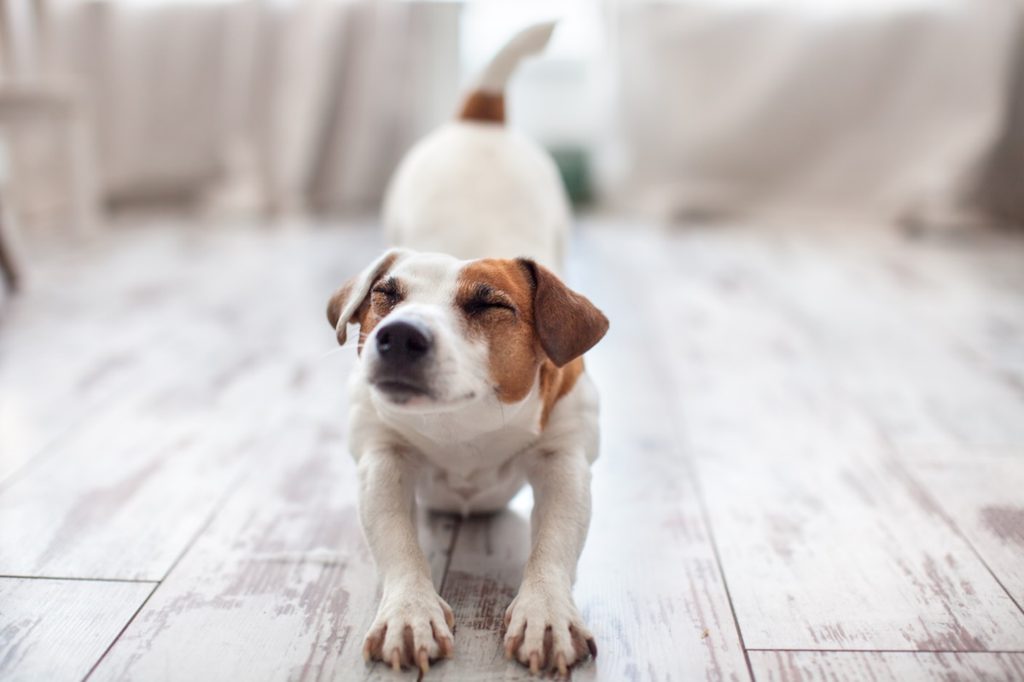
This particular stretch has a few key clues, but the way to determine a morning stretch is to look at context. Of course, it doesn’t only happen in the morning! Dogs sleep for many more hours per day than most of us, and so you might see this right after a nap. Perhaps we should refer to it as a waking stretch since it’s likely to occur after any sleep session. This could come with a body shake as well, while they stir themselves up. You’ll recognize this one out of its normal setting because it’s more of a full-body unwind. They’ll probably do it a few times, and you may spot a yawn in there, too.
Lots of dogs are morning pups and will also take this time to get a few pats in. You may see a morning stretch turn into a request for a belly rub or head scratch. We all stretch in the morning, and it doesn’t mean anything bad has happened.
Why do dogs stretch when they see you? Greeting stretch
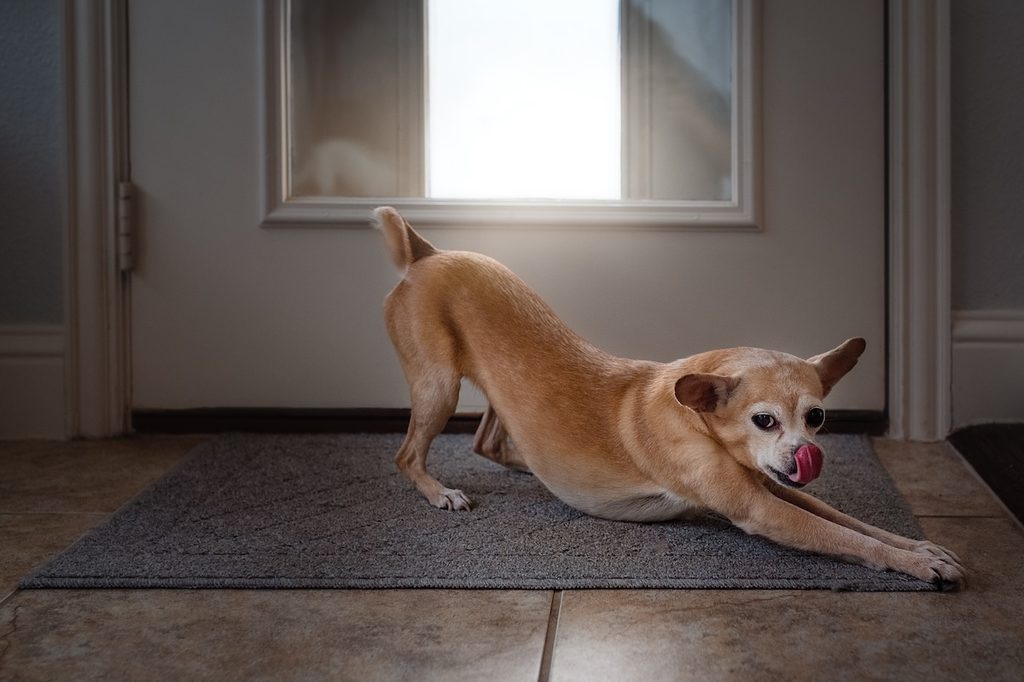
Lastly, when you walk in the door, you might find your four-legger sink into a greeting stretch. It’s really easy to spot this one because they will also jump up and down or quiver with excitement. They can’t believe you made it home without their help!
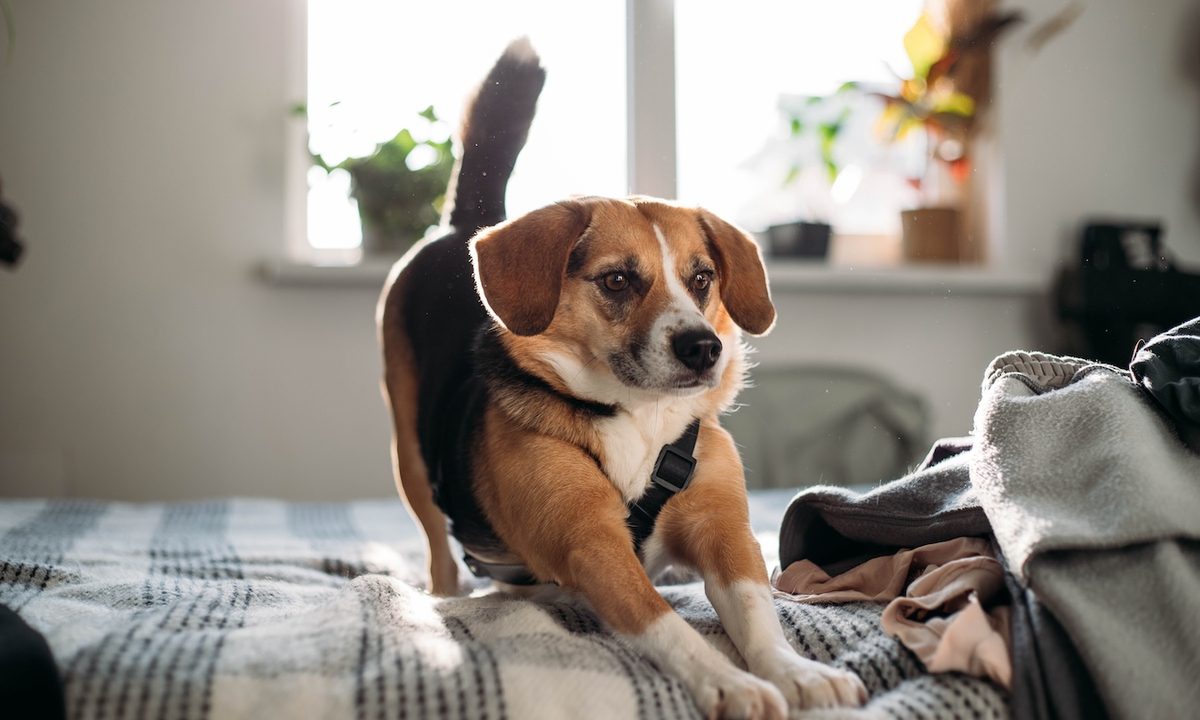
Remember, you can distinguish between the welcome maneuver and a play bow by looking closely at the position of the arms. That will let you into the inner workings of your dog’s mind. Here, you want to see the front paws extended and lined up with each other. The back of the body will be generally more elongated as well.
More than any other stretch, this one communicates to you that you’ve secured your beastie’s undying love.
When should you be worried about your dog stretching?
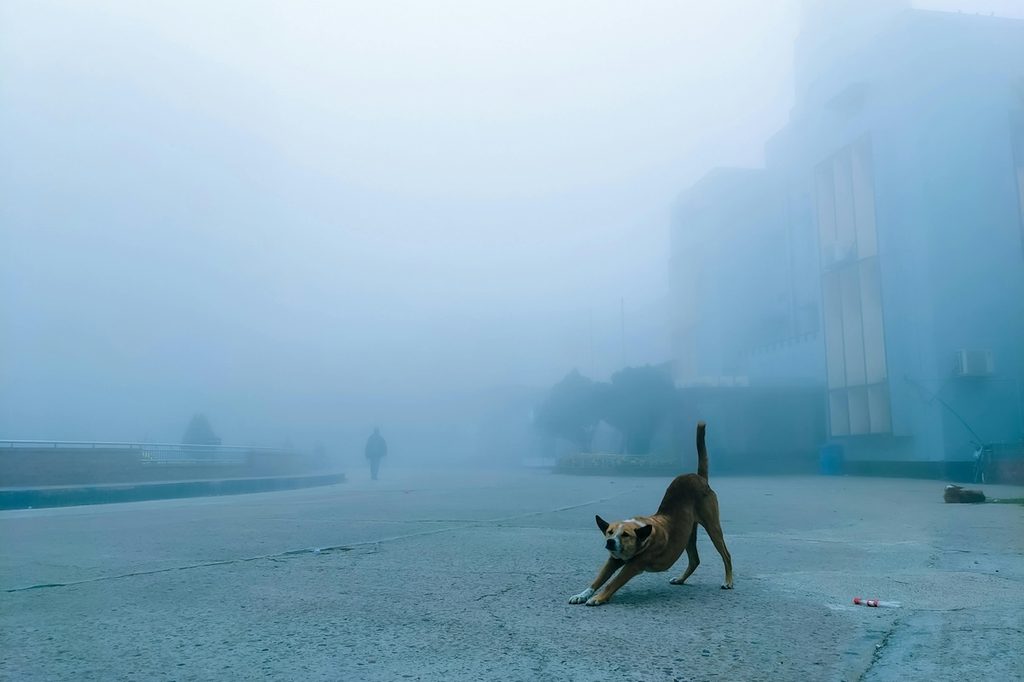
Rarely, a stretch could be a symptom of pain or discomfort. Occasionally, you’ll notice that your bud does the same one repeatedly in a short time. He might stretch out his back legs over and over, for example. That could indicate a few different things. Sometimes, dogs stretch from anxiety, just as they might give you a nervous yawn. If you hear a crack of thunder and then see these behaviors, you’ll know why.
However, periodically stretching can indicate a medical issue. They could have joint pain, an injury, or even a stomach problem. Yup, you read that right. You might rub your stomach when you have a bellyache, but a dog doesn’t have that ability. Instead, they will stretch or even wiggle to try to help themselves feel better. When you see these symptoms, give the vet a call to get to the bottom of it.
Every dog stretches just a bit differently, so take some time getting to know a new pup and observing their habits. Pretty soon, there’ll be no mistaking a play bow from a morning stretch from a hello. Anything outside of those behaviors, especially if it’s accompanied by other signs of distress, such as whimpering, means a trip to the vet. Most of the time, though, return the stretching with your own joyful greeting.