Just like people, dogs have their own distinctive personalities and preferences — especially when it comes to food! Some pups are notorious chowhounds, while others are dainty eaters. However, any pet parent has a right to be concerned when their dog’s appetite or eating behaviors change. Whether your pooch has been with you for years or you’ve recently adopted a new puppy, few things frighten a pet parent more than watching their beloved dog not eating his favorite meal.
Thankfully, your dog might refuse to eat for all sorts of reasons, not all emergencies. That being said, you should never assume your pet is just a finicky eater, as he may require veterinary care. Let’s take a closer look at a few reasons your dog may not be eating and what you should do about his loss of appetite.
What if your dog isn’t eating but is still drinking water?
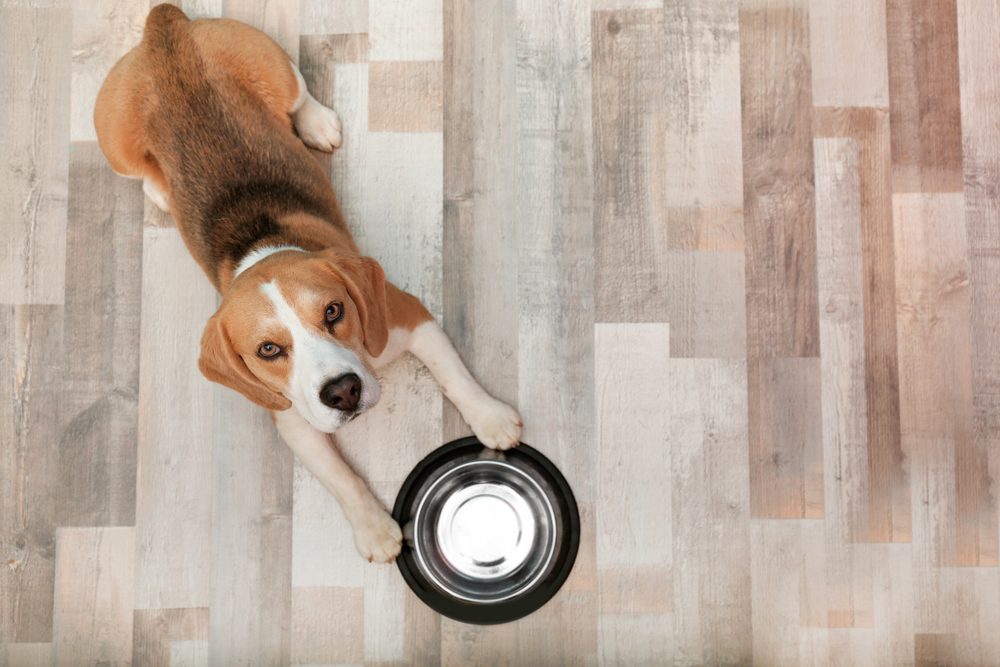
One of the first signs of many canine illnesses is loss of appetite. However, if you’ve recently moved house, adopted another pet, had a baby, or otherwise changed your routine, your dog’s refusal to eat his dinner may be a stress response. Many dogs who feel stressed or anxious will stop eating but increase their water intake because they lose more water through panting.
If your pup’s refusal to eat is accompanied by additional symptoms, such as difficulty breathing, vomiting, or diarrhea, take him to the vet as soon as possible. We also recommend contacting your vet even if a sudden loss of appetite is his only symptom, as it may be a sign of an underlying health condition.
What causes loss of appetite in dogs?
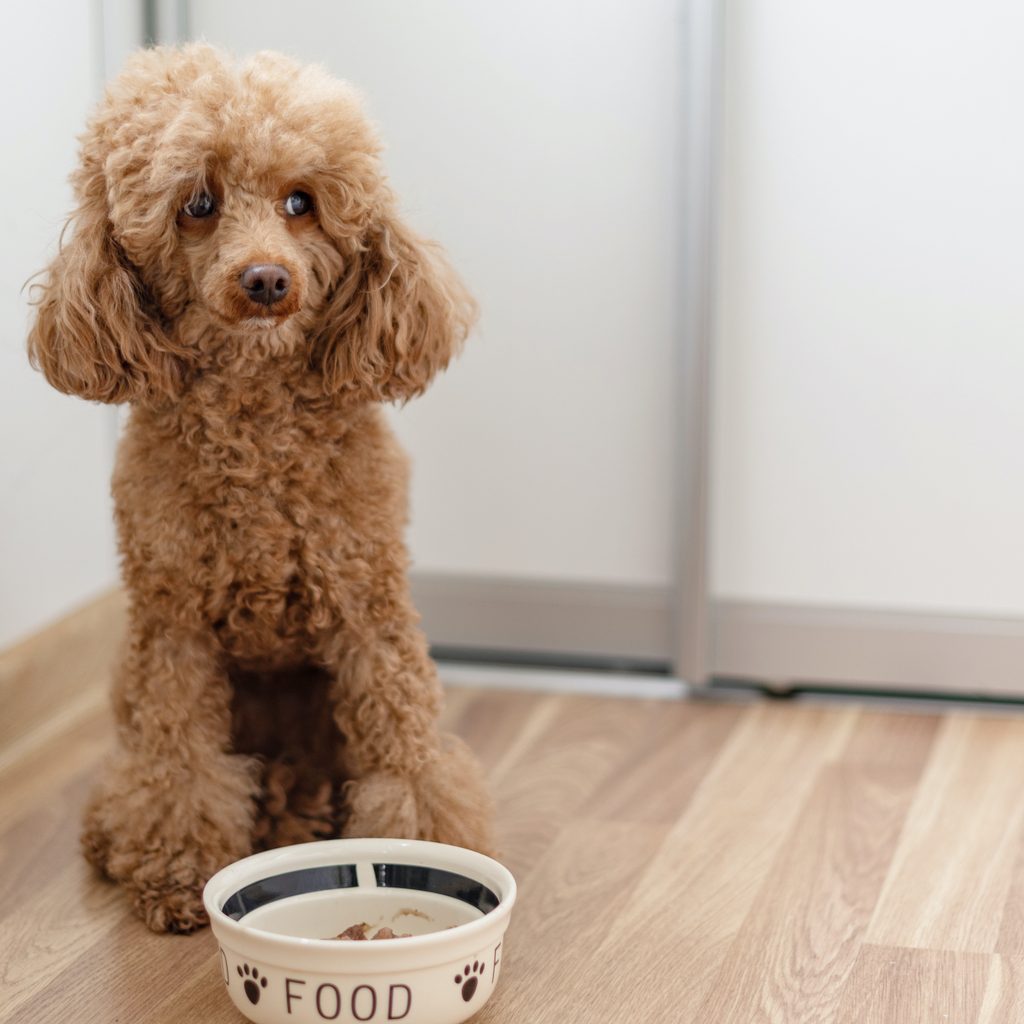
Like people, dogs sometimes suffer from stomach upset. This could be due to overeating or trying a different brand of kibble, but these are not the only things that could make your pup suffer from a loss of appetite. Here are a few common reasons your dog won’t eat.
Your dog’s medication may be to blame
If your pooch is taking medication to manage a health condition or recently received a vaccination, he may feel a little queasy. Some medicines cause nausea, lack of appetite, or lethargy. In most cases, these symptoms ease up within a few hours after daily medications or a day or two after vaccinations. Talk to your veterinarian if your dog continues to refuse his food; they will be able to prescribe something for nausea, which will help stimulate your dog’s appetite.
Your dog has a dental problem
Unfortunately, dental problems are common in dogs. In fact, dental disease is one of the leading causes of veterinary visits. If your dog suddenly loses interest in his favorite kibble, it could be a sign that he’s suffering from a dental issue, such as gingivitis or periodontal disease. Additional symptoms include facial swelling, red or inflamed gums, and bad breath. A dental issue may be to blame if your dog refuses kibble but continues to consume soft food and water.
Take your pup to the vet if you believe he has a dental issue. The longer you wait to seek treatment, the more likely it is that your pup could require a tooth extraction.
Your dog isn’t feeling well
Loss of appetite can be a symptom of anything from mild stomach upset to more serious health conditions, such as heart failure or cancer. When in doubt, bring your dog to the vet for a thorough checkup.
Your dog’s food has changed
Switching to a new food could be the culprit, but what happens if your dog stops eating his favorite food? If you’ve ever bought your favorite snack only to discover the flavor isn’t quite the same as it used to be, then you know that sometimes brands reformulate their products. The same is true of dog foods. While the brand may claim it is “new and improved,” there’s a chance your pup disagrees.
Your dog’s food is stale
Just like you don’t enjoy eating stale chips, your dog doesn’t want to eat stale kibble. Buying a massive 25-pound bag of food for a tiny Chihuahua might sound like a good bargain, but the food has likely gone stale by the time you reach the bottom of the bag. If your dog weighs five pounds, stick to purchasing a 5-pound bag of dog food to ensure his kibble stays fresh.
When should I worry about my dog not eating?
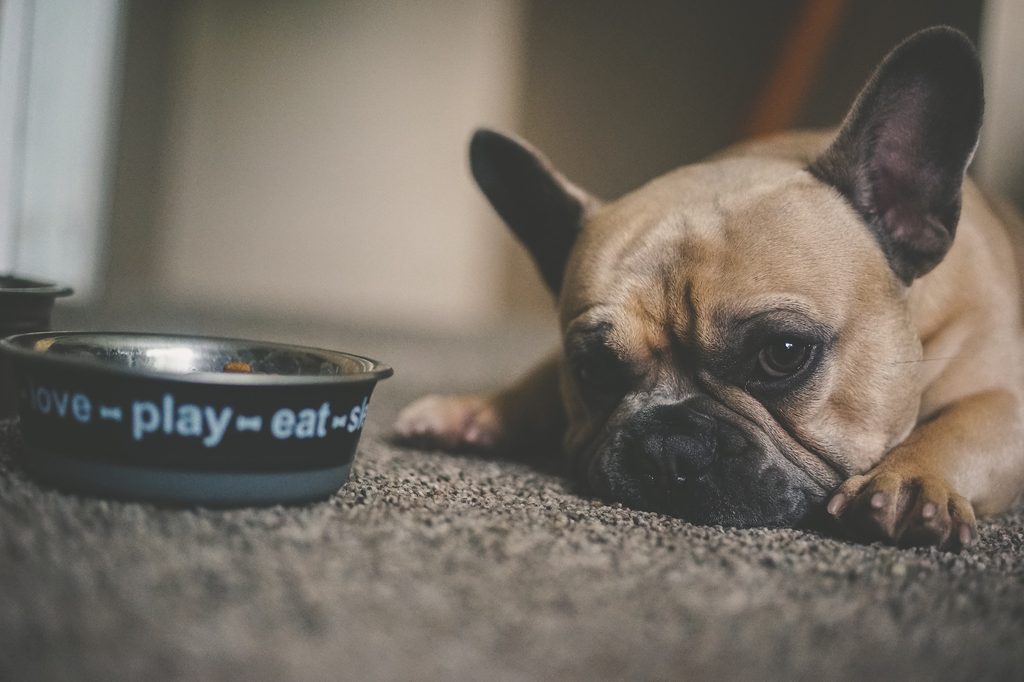
The American Kennel Club (AKC) says you should consult your vet within eight to 12 hours if your dog’s lack of appetite comes with additional symptoms. Dr. Ann Hohenhaus, a veterinarian at New York’s Animal Medical Center, says, “If your dog goes a couple of days without eating and nothing else is wrong — no vomiting, diarrhea, coughing, no having accidents — then I’m not that worried about it.”
How to help a dog that hasn’t been eating
Although the exact remedies depend on what has your pup feeling under the weather, there are a few tried-and-true tricks to help a dog that isn’t eating their normal food. A comfort meal of chicken and rice is a go-to for pups who don’t feel well or aren’t tolerating their kibble. This bland combination won’t irritate upset stomachs, but it will ensure that your dog gets all the nutrients they need to thrive.
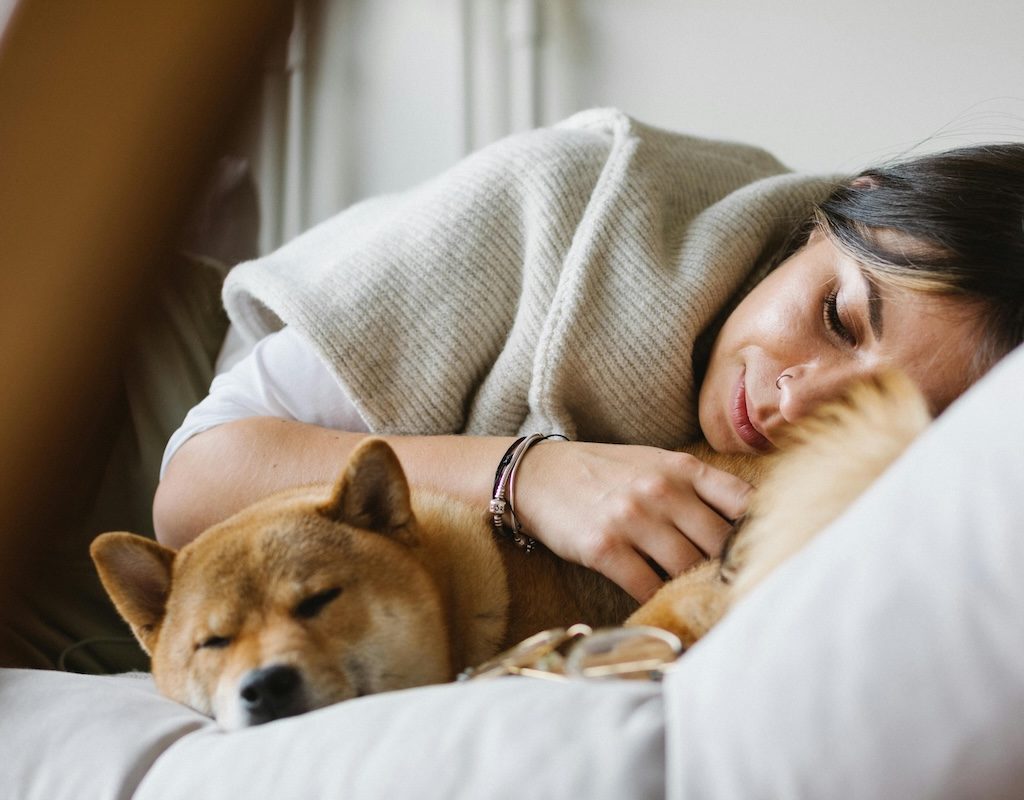
Other times, a little comfort goes a long way. Spending the day resting can make a world of difference when a pup isn’t feeling their best, but resting with their favorite people is even better. You can still go for a walk if your dog’s energy seems normal, but remember that a reset just may do the trick.
Don’t worry too much!
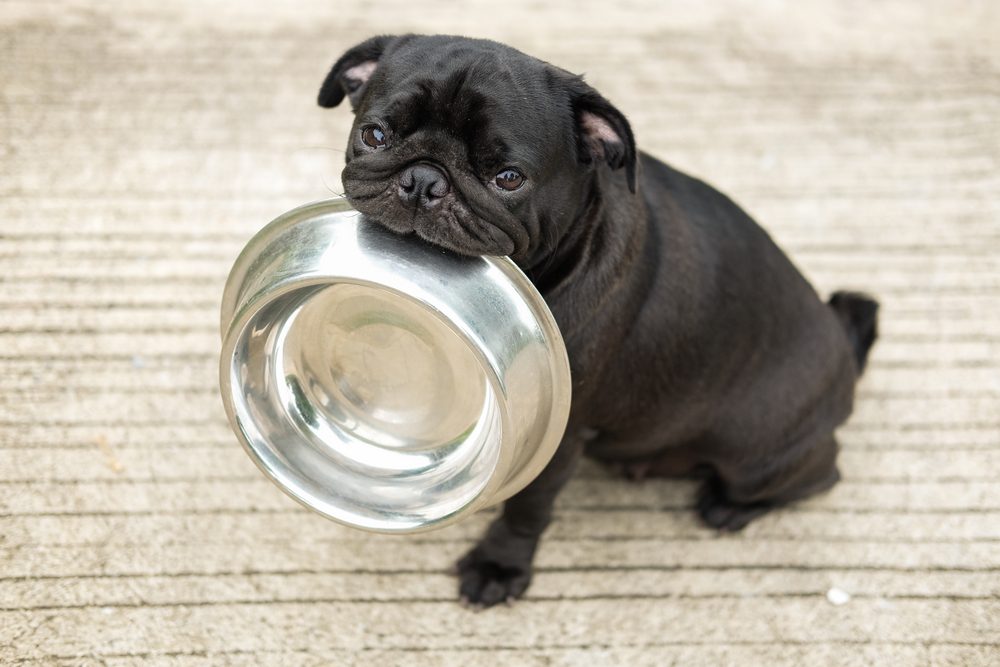
In most cases, your dog’s loss of appetite will resolve itself, but if other symptoms accompany Fido’s refusal to eat, you should take him to the vet. You know your dog’s eating habits better than anyone. Try not to worry too much if your dog goes a day or two without eating, but if something seems wrong, it never hurts to reach out to your vet for advice.