
Ask adults about their favorite childhood pets and many will recall special moments with their animal companions. It could be a dog who offered comfort in times of sadness, a cat who was always ready to play, or a cockatoo who gave kisses. An estimated 70 percent of US homes own a pet, according to the 2021-2022 National Pet Owners Survey conducted by the American Pet Product Association. Researchers say that pets play an important role for kids in these households.
Caring for a pet teaches kids about responsibility, respect, loyalty, and empathy. Additionally, children who learn to treat an animal kindly and patiently may get invaluable training in learning to treat people the same way, say experts at the American Academy of Child & Adolescent Psychiatry (AACAP).
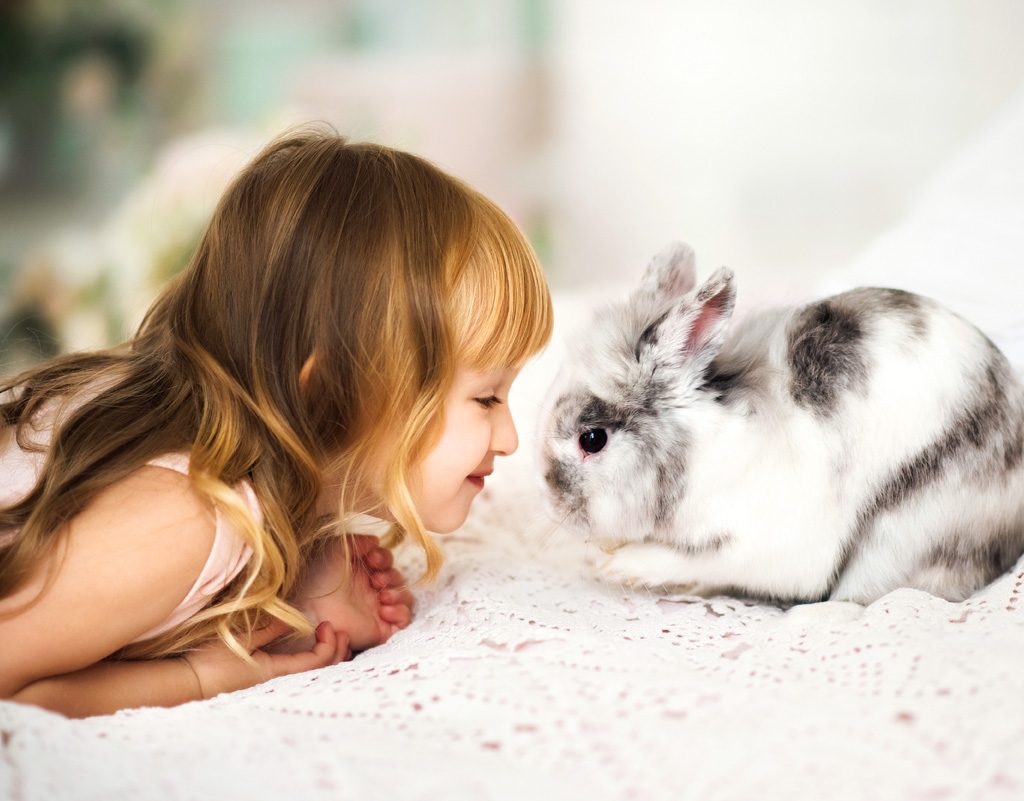
How to choose the right animal for your kid
Many experts recommend that a child be age six or older before getting an animal companion. Others say that, ultimately, parents are the best judges as to when their child is ready. An animal’s needs and a child’s ability to respect those needs should factor into the decision, say experts at PetMD.
Following are some things to consider when choosing the right pet for your kids:
- How much interaction does your child want to have with a pet? Are they looking for a playful companion, or are they more interested in observing unique pets, such as a hermit crab or a snail?
- Many dogs and cats are surrendered to shelters because families don’t have time for them. If there are time restraints in your family, consider pets such as fish, guinea pigs, or hamsters.
- Dogs and cats also end up homeless due to allergies in the family. Good pet choices for allergy sufferers include fish and birds.
- Pets can be expensive. In a Parents.com article, veterinarian Jennifer Graham, assistant professor at Tufts University, says that there are plenty of affordable cuddly pets that make great choices for young kids. These include hamsters, guinea pigs, gerbils, rabbits, and chinchillas, to name a few.
What are the best animals for kids?
While the most popular family pets are dogs and cats, the following animals also make great pets for kids:
Crested gecko
- does well with gentle kids and will happily sit in their hands
- look cool and are interesting to watch
Goldfish
- can be taught to do tricks using positive motivation
- young children can help with water changes and feeding
Rats
- intelligent and can be taught to do tricks
- enjoy cuddling with their owners
Guinea pigs
- can be extremely friendly and talkative
- squeak in delight at mealtimes and have been known to purr when petted
Hamsters
- interesting to watch them build nests and hide food
- most hamsters are affectionate and like to be cuddled
Rabbits
- affectionate pets who are gentle and loving
- sociable animals who crave attention from owners
How do you teach children about animals?
Here are three great ways for children to learn about care and respect for animals:
Volunteering at a local shelter offers children wonderful lessons about respect and kindness towards animals.
Fostering dogs or cats in your home gives children hands-on experience. In addition to helping care for the pets, children learn to respect the different personalities of each animal.
Subscribing to a magazine for kids. For example, KIND News is a bimonthly magazine for children ages 5 through 11. It focuses on pet care and the importance of kindness to all living beings. National Geographic for Kids is aimed at children ages 6 and up and teaches amazing facts about animals to inspire kids to care about nature and the planet.
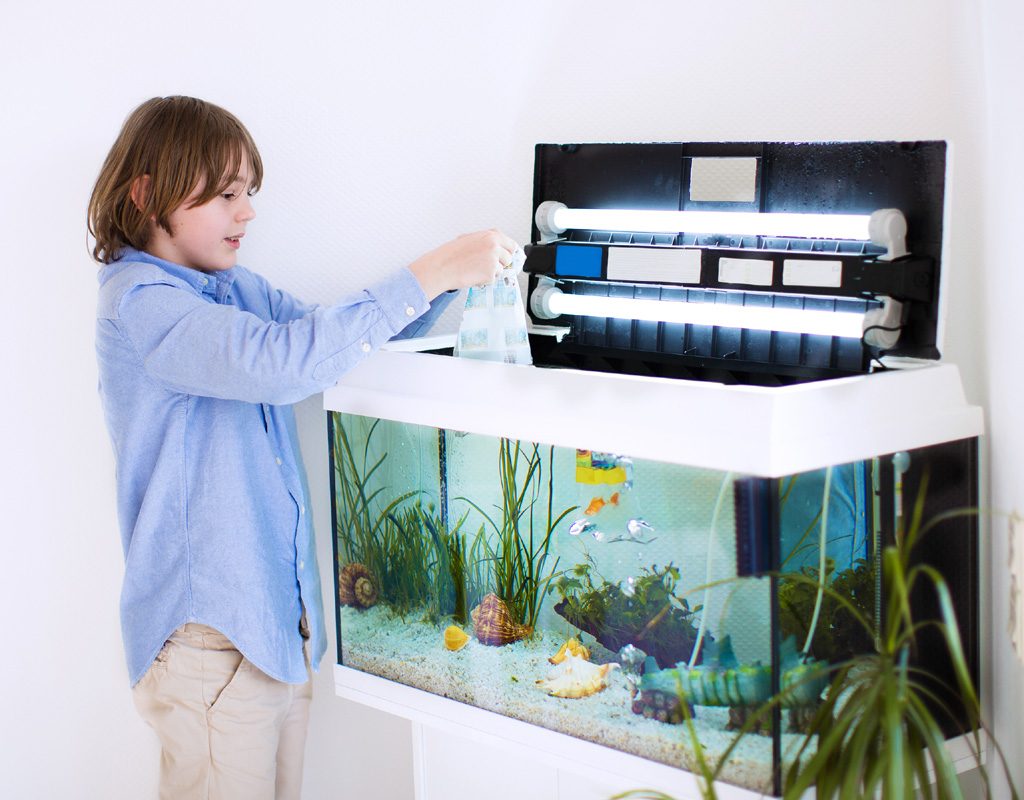
What are domestic animals for kids?
Domestic pets are bred in captivity. Smaller animal companions live in homes with their families while larger pets such as horses, goats, and donkeys live outdoors. While many exotic pets such as snakes and turtles are bred in captivity, some are taken from the wild, according to an article in National Geographic. Wildlife should never be kept as pets. Many exotics suffer or die in transit and are subjected to abuse and neglect. If your child is interested in an exotic pet, check that the animal is legal in your state. Also, get a referral to a reputable breeder from a veterinarian, and make sure you research how to properly care for the animal.
Finally, whatever first pet you choose for your child, remember that you will be serving as a role model. Your children will learn responsible pet ownership by watching how you behave around the animal. When you teach them to treat their pet with respect and kindness, you will also be helping them grow into loving and compassionate adults.