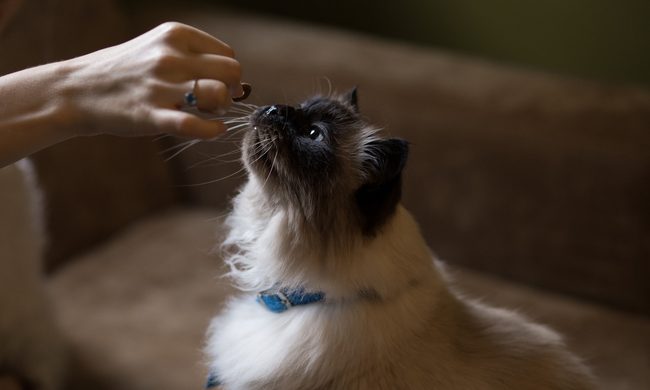
Arthritis in cats often goes unnoticed because they are masters at hiding symptoms of pain. This is an instinct that kept them safe in the wild, where any signs of weakness made them vulnerable to predators. However, a 2002 study published in the Journal of Veterinary Medicine revealed that as many as 90% of cats age 12 and older show signs of arthritis. Veterinary experts say that arthritis in cats is usually caused by ongoing wear and tear but can also be a result of other factors such as genetics, infection, and cancer. The most common joints affected in cats are the elbows, hips, and spine.
Know the symptoms
- Reluctance to jump up or down from furniture, including sleeping areas
- Difficulty getting in or out of high-sided litter boxes, which may result in accidents outside the litter box
- Stiff gait when walking
- Reduced grooming due to pain and the development of matted and scruffy coats
- Overgrooming of painful joints, resulting in hair loss or infected skin
- Personality changes, including becoming aggressive and less tolerant of being petted, held, or brushed
- Stops using scratching post, so nails get long
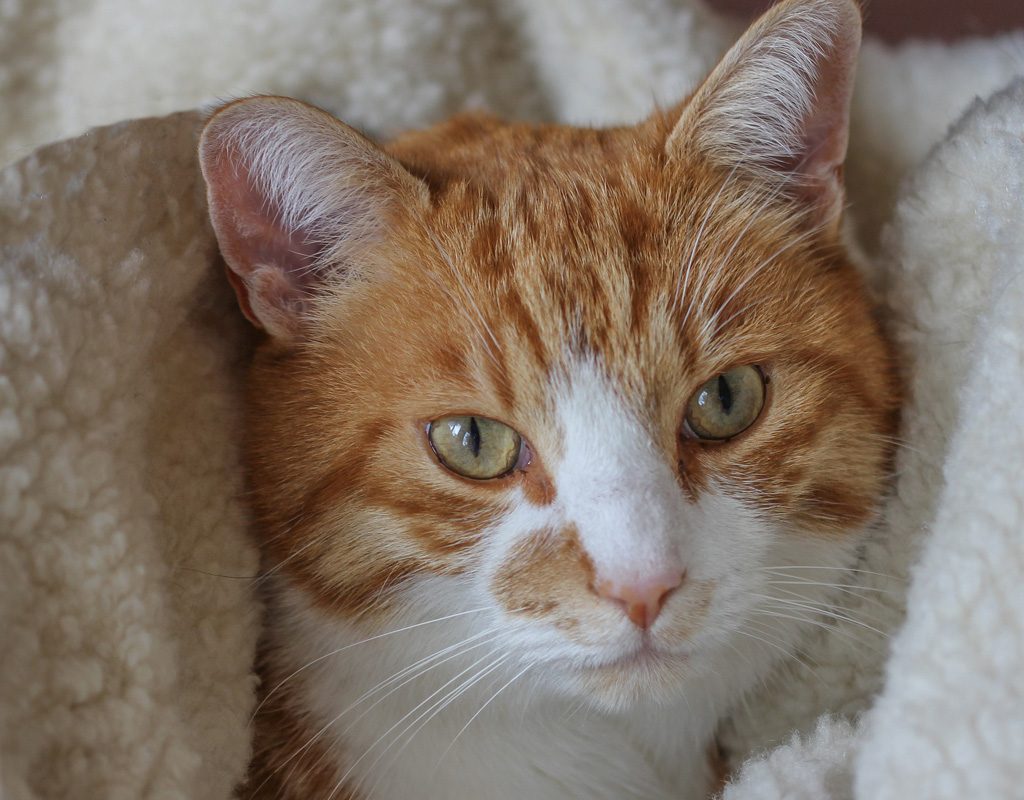
How to keep an arthritic cat comfortable in autumn
You can do many things around the house to make life more comfortable for your arthritic cat. For example, provide easy access to food and water dishes and litter boxes. Install a ramp or steps to help your cat reach favorite places and provide an orthopedic bed to support aching joints. Cold weather can increase the pain of arthritis, so when temperatures drop in the fall, you’ll need to provide additional comfort. Here are four tips for helping your arthritic cat when the weather turns cold.
Keep temperatures comfortable in the home
You probably turn the heat down in your home before leaving for the day. Keep your kitty’s comfort in mind, though, before setting the thermostat. According to experts at The Rescue Vets, cats need to maintain a body temperature of over 90 degrees, so keeping your thermostat around 70 is a good way to ensure they’ll stay cozy when temperatures drop outside. If you turn the heat down too far while you’re out, that can leave your cat struggling to stay warm. Also, don’t turn the heat off if you’re going on vacation and your cat is home alone. If it’s especially cold outside, you should consider putting the heat up a few degrees. How do you know if your cat is cold? If your cat’s ears, paws, and the tip of her tail feel cold, your cat is probably uncomfortable.
Provide a warm bed for sleeping
A heated cat bed can provide great comfort to an arthritic cat. These beds can either be self-warming or corded. Self-warming cat beds have a thin layer of reflective material such as Mylar tucked inside the cushioning. This material will reflect your cat’s body heat back to her to provide comfort and warmth as she sleeps. Corded heated cat beds come in a variety of shapes such as igloos, pods, and A-frames, so you can choose a shape based on your cat’s sleeping preferences. If your cat is too stiff to curl up in a ball, or if she has difficulty stepping over things, then a round bed with high sides isn’t a good option. She might prefer a flat heating pad that she can easily step onto and sprawl on for comfort. Be sure to use only pads designed for pets; many of these are activated by an animal’s weight and will heat only to a safe temperature to avoid burns. And read the instructions carefully when using heated pet beds or pads. If you do use heated pet beds, don’t forget to provide alternate sleeping areas or comfy blankets in favorite spots around the house so your cat can relocate if she gets too warm.
Provide access to sunny spots in the house
You’ve probably noticed that your cat naturally seeks the warmest spots in your home. Sunlight pouring through the windows is especially exciting for kitties who love to bask in the rays. Choose the best sunny windows in the house for catching the morning and afternoon sun and place comfortable cat perches at each location. Your cat will be delighted to follow the sun around. You’ll want to make sure your kitty is comfortable on her perch by sealing off any areas of the window where you can feel drafts coming through.
Encourage your cat to move
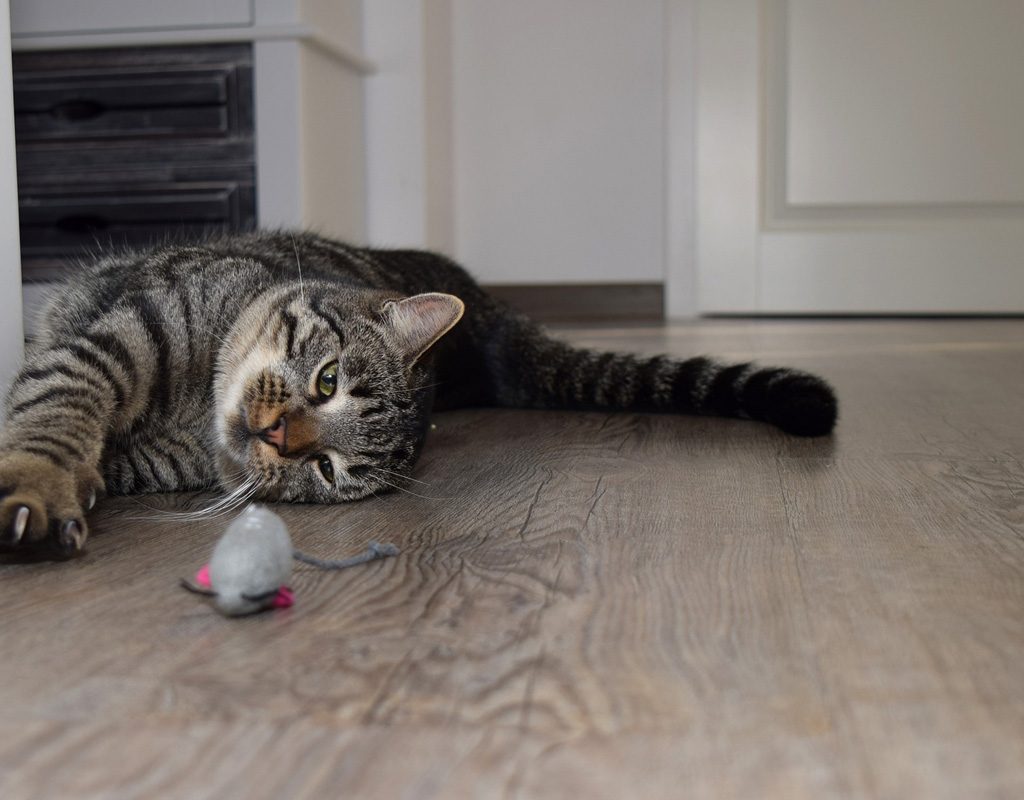
Pets with arthritis benefit from regular activity. For example, low-impact exercise such as walking reduces pain and stiffness in joints. Joyce A. Login, a veterinary specialist at Zoetis who has a special interest in pain management, believes that providing mental stimulation through play also helps arthritic cats. She recommends encouraging your cat to use her natural predatory instincts by chasing toy mice and then allowing her to “catch their prey.” Some cats enjoy obstacle courses of cardboard boxes or paper bags. Just be sure to stay with them and dismantle the obstacle course when the fun is over.
Veterinary experts say that many pet parents mistake symptoms of arthritis for normal aging in cats. If you notice behavioral changes in your cat and if she’s moving around less, it’s a good idea to take her for a health checkup. Getting your pet’s symptoms diagnosed is important, as your veterinarian can recommend medications or therapies to help keep your cat comfortable.