
Just like our gums, our dogs’ gums are vitally important to their overall oral health. In addition to serving as a support system for the teeth, the gums provide a protective barrier against harmful bacteria. Without the gums, food particles and bacteria would build up near the roots of the teeth, causing infections, tooth decay, and eventual tooth loss. A plentiful blood supply provides the gums with their pink hue. If you’ve noticed a change in the color of your dog’s gums, it could mean something is wrong. Let’s take a deep dive into what the color of your dog’s gums means, what to do about it, and when you should contact your vet.
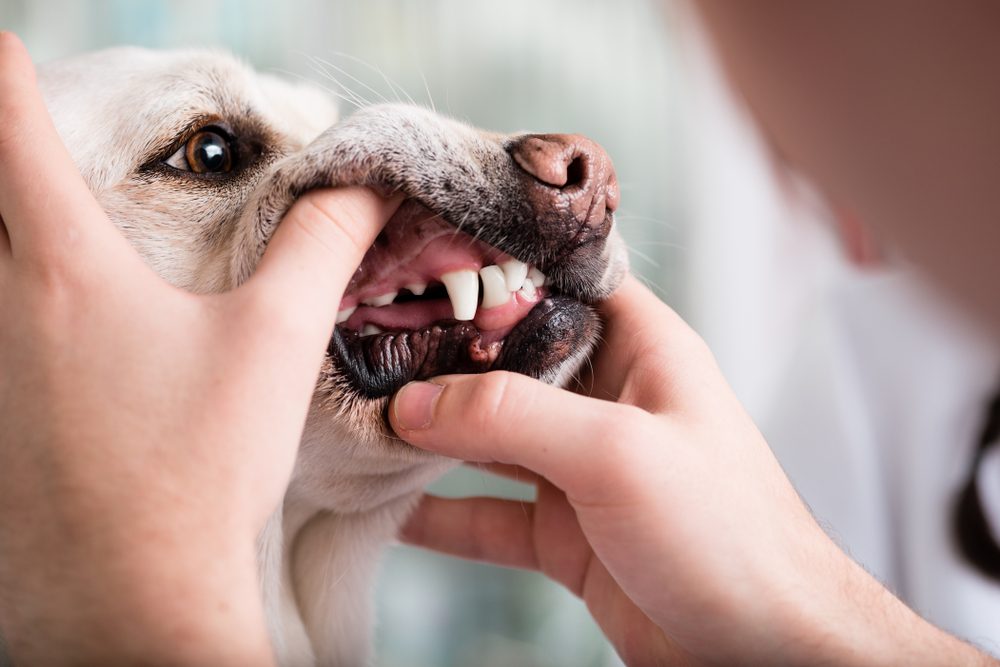
What should healthy gums look like?
In healthy dogs, the gums are about the same color as bubble gum. They should be smooth, moist, and slippery to the touch. Additionally, they should have a capillary refill time of roughly two seconds. To test their capillary refill time, press down gently on your dog’s gums. The area should blanch — or turn white — and return to its normal pink color within two seconds of lifting your finger. Your pup’s gums should never be dry or tacky, as this indicates dehydration. The color of your dog’s gums is a fairly good indicator of underlying health problems. Here’s what you should know.
Bleeding gums
Gingivitis and a more severe form of dental inflammation, stomatitis, can cause extreme sensitivity and bleeding in your dog’s gums. You should take your pup to the vet for a checkup, as some oral infections require a course of antibiotics or tooth extractions to clear up. You can help prevent bleeding gums by ensuring your dog has proper dental hygiene. Brush his teeth regularly, check his teeth and gums often, and take him in for regular checkups to help him maintain oral health.
Blue gums
If your dog’s gums are blue or purple, an immediate trip to the vet is in order. When a dog’s gums turn blue, it’s a sign he’s not receiving enough oxygen in his bloodstream. Cyanosis is a symptom of respiratory distress, poisoning, and congenital heart disease, all of which require prompt treatment to ensure a positive outcome. Keep medications and chemicals well out of reach, don’t smoke around your pet, and take him to the vet at the first sign of blue gums.
Bright-red gums
In addition to being a classic symptom of gingivitis and stomatitis, bright-red gums coupled with panting can signify that your pup is overheating. If your dog is overheating, take his temperature immediately. A temperature of 104 degrees and higher requires an emergency trip to the vet. However, you’ll still need to see your vet if you suspect a periodontal disease is the cause of your dog’s red gums, but you’ll have time to make an appointment first. Keep your dog inside on hot days, make sure he has plenty of cool water to drink, and maintain proper dental hygiene to prevent red gums.
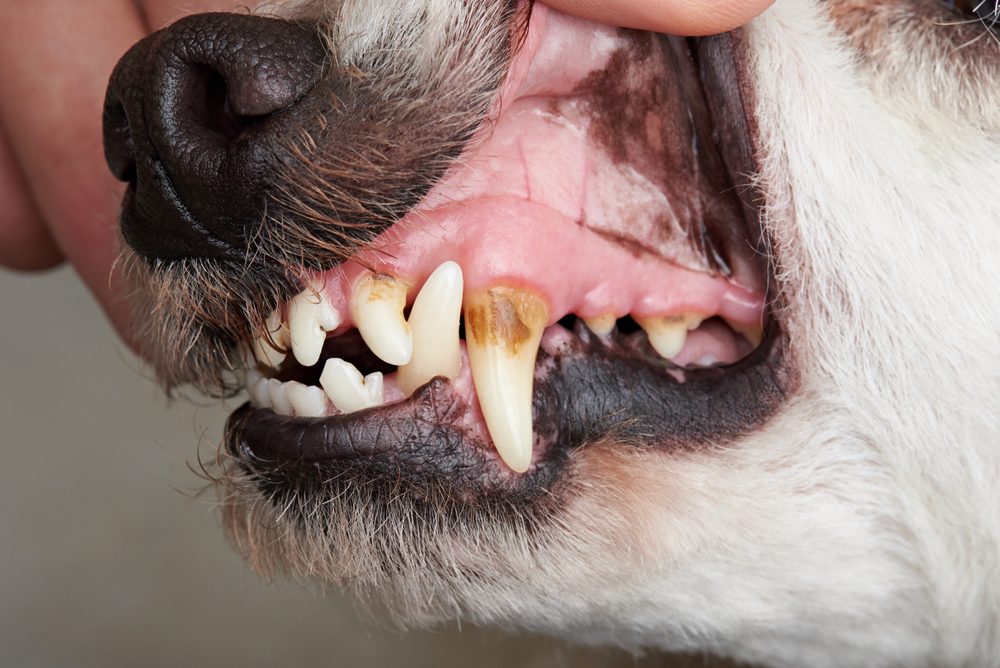
Brown gums
Brown gums in dogs are a sign of methemoglobinemia, which is caused by ingesting acetaminophen. While it’s an effective pain reliever for us, it replaces your dog’s hemoglobin — the substance responsible for carrying oxygen through your dog’s bloodstream — with methemoglobin, which can’t carry oxygen. This is a dangerous, potentially fatal condition that requires immediate treatment. To keep your dog safe, store any products containing acetaminophen where he can’t reach them.
Bumpy gums
If your dog has lumps, bumps, or growths on his gums, you’ll need to have the vet check him out. While growths can be benign and disappear as suddenly as they appeared, they could be a symptom of papillomatosis, which is caused by a virus that leads to oral warts. And, while no one wants to think about the Big C, it’s also possible the growths are cancerous. Keeping your fur baby away from strange dogs can cut down on his risk of developing papillomatosis.
Pale or white gums
We don’t mean to frighten you, but if you ever find yourself saying, “My dog’s gums are white,” take him to the vet immediately. Common causes of pale or white gums include blood clotting disorders, cancer, kidney disease, internal bleeding, shock, anemia, heart disease, heavy metal toxicity, and bloat.
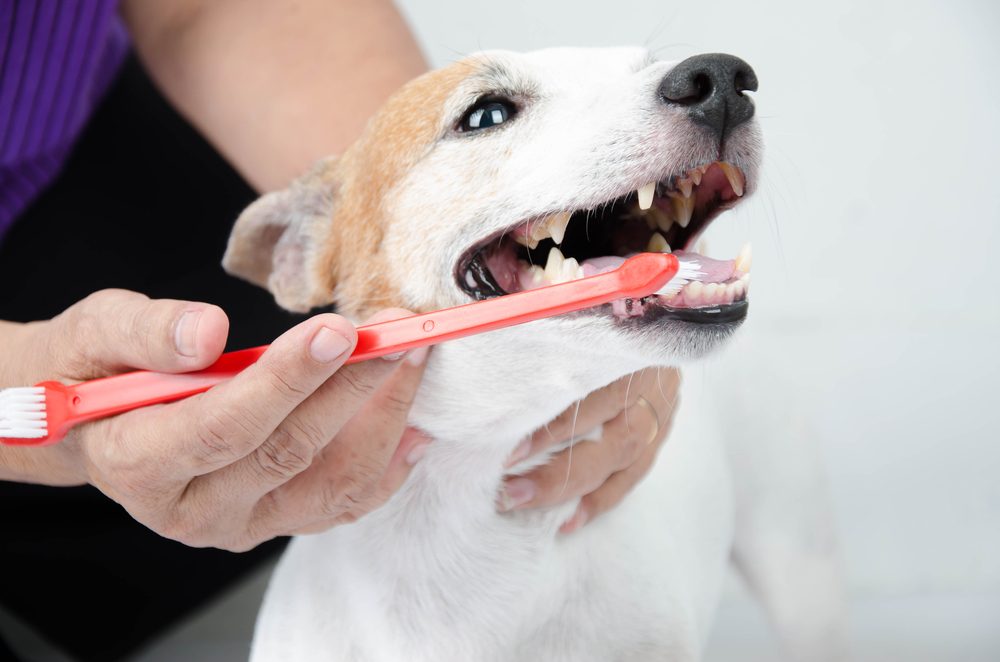
We all want what’s best for our dogs, and that includes maintaining a proper dental regimen. In addition to preventing periodontal diseases, keeping an eye on your dog’s gum health can serve as an early detection system in cases of poisoning, heart disease, and cancer. Ensure your pup eats a balanced, nutritious diet, take him for daily walks, stay up to date with vaccinations and checkups, and examine his gums each time you brush his teeth.