
There are several paths an animal advocate can follow to bring a dog or cat that’s in dire need of help into their home. If you’re willing to take on a long-term commitment, visiting your local animal shelter and adopting an animal can be a tremendously rewarding experience. However, if a long-term commitment (i.e., the rest of the animal’s life) is too much of a commitment, you also have the option to become a pet foster parent on a temporary basis.
The role of an animal foster parent is to bring a dog or cat into your home for a pre-determined period, until a forever home for the animal can be found by the organization you’re working with. As the animal foster parent, you’re expected to give an animal the love, care, and attention it needs, as if you’ve adopted it. In most cases, however, the animal will be relocated into a permanent home. Some fostering experiences last just a few days, while others can extend between six months and a year before the animal ultimately gets adopted into a forever home. Make sure that once you accept the responsibility of being a foster pet parent, you’re able and willing to support that animal for as long as your assistance is required.

Why foster parents are needed for pets
Perrin Kaplan is the President of Saving Great Animals, a Seattle-based dog rescue that, through its fostering program, is responsible for saving more than 8,500 animals since its inception in 2007. “What fostering means is that you provide a dog or cat with the experience of entering into a safe and comfortable home, and then provide the animal with a normal life until they’re able to be adopted,” she says.
Saving Great Animals is a nonprofit organization that relies exclusively on financial donations to support its network of dedicated volunteers located throughout the Pacific Northwest.
“While some of the animals we rescue come from Washington and Oregon, for example, we take dogs from several states that still have high kill rate shelters. We also take dogs from Mexico and South Korea. There are so many places where, once the local animal shelters fill up, they still kill the animals,” Kaplan says, stressing that there is a growing need for pet foster parents who have really big hearts throughout the United States.
Fostering an animal allows him to avoid having an extended stay within a shelter, and since not all animal shelters are no-kill shelters, your actions could save that animal’s life. If the animal is recovering from illness, emotional trauma, neglect, or a physical injury, you can help ensure he receives the proper attention, love, and support he needs to recover (with the help of a veterinarian, of course).
In best-case scenarios, a foster pet parent plays an essential role in transforming a traumatized shelter dog or cat into a loving, relaxed, and happy pet that will become the perfect addition to someone else’s forever home. Also, by freeing up space at a shelter, you’re allowing that organization to care for more animals.
Pet fostering is not just about giving homes to adorable and innocent puppies or kittens. There are plenty of older animals you can provide a safe and loving home to during the final days, months, or years of their life.
The biggest benefit to becoming a foster pet parent is knowing you’re helping an animal in need. The drawback is that you’ll likely develop an emotional bond with the animal (and vice versa), which will eventually be leaving your care. Saying your goodbyes will not be easy, but you’ll hopefully take solace knowing you’ve enriched the life of that animal during the time you spent together.
Of course, some people start off as foster parents, but wind up making the commitment to adopt the dog or cat and give them a forever home after a strong bond develops.

What’s required to become a foster pet parent
The requirements for becoming a foster parent for a dog or cat are almost identical to what’s required to rescue (adopt) an animal from a shelter. These requirements include:
- You need to have a home that’s large enough to provide a safe and comfortable living environment.
- Your lifestyle and schedule must accommodate being able to give the animal you foster the love, attention, and care it will require. The level of attention needed will vary greatly based on the individual dog or cat placed in your care. As the foster pet parent, you might be required to give the animal medication at specific times throughout the day and night, or take the dog to veterinarian appointments as needed, in addition to meeting the animal’s regular feeding, exercise, and socialization requirements.
- You need to make the financial commitment to provide for the animal. Depending on the fostering organization, animal rescue, or shelter you work with, some of the expenses (including veterinary care) will likely be covered, but there will still be expenses you’re be responsible for.
- You have to have the ability to meet the special emotional, physical, and/or health-related needs of the dog or cat you take in. While some or all the animal’s expenses will be covered, as the foster pet parent, you will receive no financial compensation for your time and efforts. This is purely an act of love for the animal you’ll be caring for.
- You need to handle the special tasks required of a foster pet parent that go beyond what would be required caring for your own dog or cat, such as taking it to adoption events and communicating with prospective adopters about the dog or cat you’re fostering.
- You need to prepare your home to take in a foster dog or cat, which means acquiring everything you’ll need to provide for all the animal’s needs, and doing some rearranging to remove all potential dangers and chewing/choking hazards within your living space. What’s necessary will depend on the animal’s size, age, special needs, and the level of training it’s already received.
There are many reasons why a dog or cat could wind up in a shelter and need to be fostered. Unfortunately, one of these reasons might be that it was previously abused or neglected. Caring for (i.e., fostering) an abused or neglected animal requires an extra level of understanding, patience, and commitment, as it becomes your responsibility to help the dog or cat emotionally and physically recover from its past traumas.
While you may be excited by the prospect of helping an animal in need, be sure to ask a lot of questions about the specific animal you’ll be fostering and make sure you’ll be able to handle all its needs. If you’re not qualified to handle a specific animal’s unique requirements, this does not mean you have to give up on the idea of becoming a foster pet parent. You simply need to ensure you’re being matched up with an animal who will benefit the most from your experience level and the level of care you’re willing and able to provide.
Some of the questions you should ask about the dog or cat before taking them home include:
- How did the animal wind up at the shelter?
- How long has the animal been at the shelter?
- Why does the animal need foster care?
- Does the animal have specific medical issues or concerns that require medication or special treatment?
- What medical attention and preventative care has the animal already received? What will be required while the animal is staying with you?
- Has the animal exhibited any negative behaviors you should know about, such as aggressiveness?
- How does the animal behave around kids, strangers, and other dogs/cats?
- Is the animal housebroken? How does it do when left home alone?
- How long is the fostering period likely to be?
- Who will cover the animal’s veterinary bills while it’s in your care?
- Will food and supplies be provided?
- Does the shelter or rescue group provide training and other support?
- Would it be possible for you to adopt the animal (if you choose to) down the road? What happens if the animal is deemed “unadoptable” while it’s in your care?
The more you can learn about what’s required of foster pet parents and the specific animal you’ll be taking in, the better you’ll be able to prepare for the experience. Networking with other pet foster parents in-person or online will be beneficial.
According to Kaplan, “At Saving Great Animals, we always have volunteers available to support our foster pet parents, regardless of when a situation arises. Always ask the shelter or animal rescue group what types of training and support will be available to you. If there is a specific size dog you’d prefer to foster, or you feel you’re better equipped to foster a puppy, middle age dog, or elderly dog, for example, be sure to discuss this with the agency you work with.”
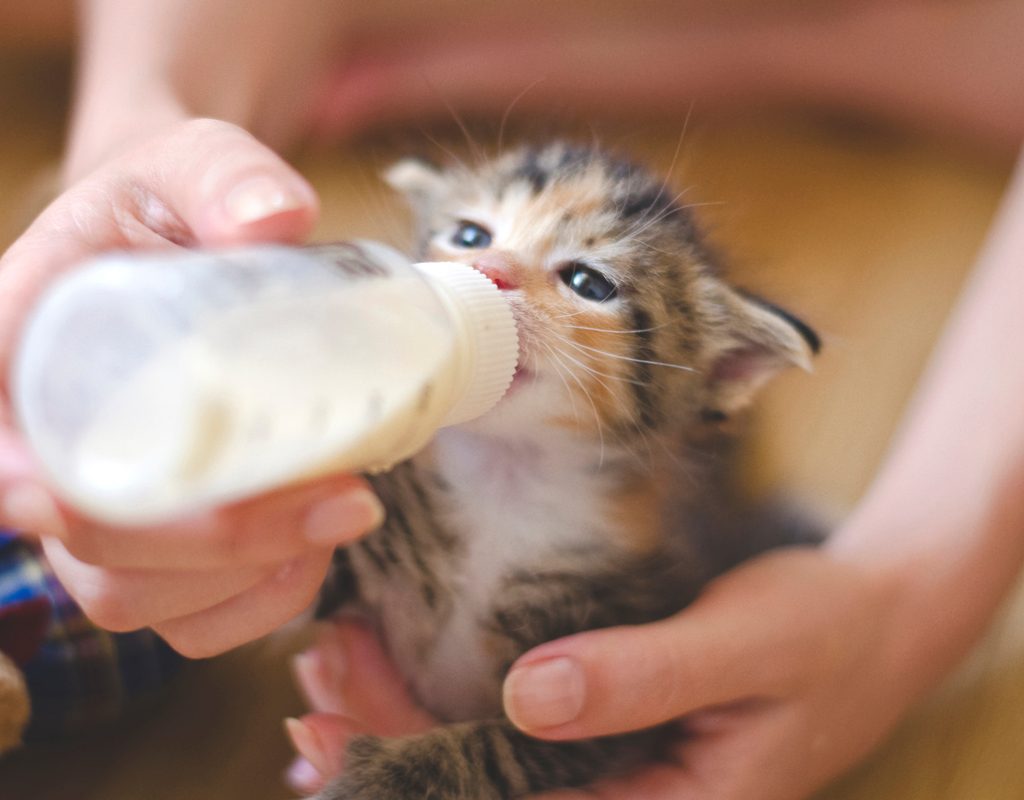
How to get started as a foster pet parent
The first step is to ensure you have the wherewithal to handle this experience and all that it entails. If you live with other humans, everyone in your household, including your kids, must be fully on board. If you have other pets, they must get along with the additional dog or cat temporarily staying in your home.
Once you’re committed to becoming a foster pet parent, contact a local animal shelter or reputable rescue group. You’ll be required to complete an application, sign a foster agreement, participate in an interview, pass a background check, and potentially have someone from the shelter or fostering agency visit your home prior to an animal being placed with you.
“When we receive an application from a prospective foster pet parent, we do an extensive background and social media check on that person, conduct an in-depth interview with them, and verify the references they provide,” Kaplan says. “We do our very best to create successful matches between foster pet parents and the dogs we place with them.”
Be sure to read the application and foster agreement carefully, as these documents will typically discuss what’s expected of you from a financial standpoint and what expenses will be covered by the organization you’re working with. While veterinary care is almost always covered, food, toys, and supplies, along with optional services, like a trainer, dog walker, grooming, and doggy daycare (while you’re at work, if you have a traditional job) are seldom provided.
Where to find a reputable shelter or animal rescue to work with
- The Petfinder website offers a comprehensive resource for potential foster pet parents, including a nationwide directory of shelters and recue groups.
- The ASPCA’s website is also a useful resource for learning how to become a foster pet parent and be matched up with potential animals in need.
- In addition to working with animal shelters, there are also plenty of dog breed-specific animal rescue groups looking to work with foster pet parents. One way to find these breed-specific groups is to visit the American Kennel Club’s Rescue Network website, select a dog breed, and then contact the specific rescue group that works with the dog breed you’re interested in.

Both foster parents and animals will likely need training
While some shelters and animal rescue offer training programs for first-time foster pet parents, there are plenty of services available online to help you prepare for this experience.
- Good Dog Enterprises offers the Rescue Dog 101 online training program for $19.99, which includes 33 training videos and other tools designed for families.
- The Saving Great Animals rescue has published a free, 18-page guide, called Foster Guide: A Handbook for Fosters of Rescue Dogs, which is chock full of useful information written for anyone thinking about becoming a foster pet parent.
- If you opt to work with an in-person, professional dog trainer, be sure to find someone with previous experience training rescue animals.
- Most animal rescues and many shelters are operated by volunteers, and as a foster pet parent, you can tap into this network for additional support.
Becoming a foster pet parent requires a lot of time, patience, compassion, and love. For someone who is passionate about helping animals, it’s also one of the most rewarding experiences you can have. Once your time fostering an animal comes to an end, know that there are always additional animals in need of a safe place to stay, so your role as a pet foster parent never has to end.
“Many foster pet parents stay in touch with the people who ultimately adopt the animals they’ve cared for and arrange to visit those animals periodically once they’ve been placed into their forever homes,” Kaplan says. “More than 65 percent of our foster pet parents repeat the fostering experience once the first animal put in their care has been adopted. We work with numerous foster pet parents who have been doing this for years and have helped rescue many dogs.”