Your dog is more than just your constant companion; they’re also a beloved member of the family. No matter the season, frequent exercise, a well-balanced diet, and outdoor playtime are essential to your dog’s health and happiness.
Not only does exercise prevent obesity, but it also provides the mental stimulation your pup needs to lower the risk of mental health issues, such as depression and anxiety. We’re all aware of the potential dangers of overheating, but what should we do when temperatures drop? At what point is taking your pup outside for a walk more harmful than helpful? How cold is too cold for dogs?
We’ll delve into some of the unique factors at play in determining how well your dog tolerates cold weather. Additionally, we’ll tackle what can happen to your dog at certain temperatures and how long it’s safe for your pooch to be outside. Most importantly, we’ll take a closer look at the steps you can take to ensure your dog stays healthy and warm during the winter months.
Cold weather affects some dogs more than others
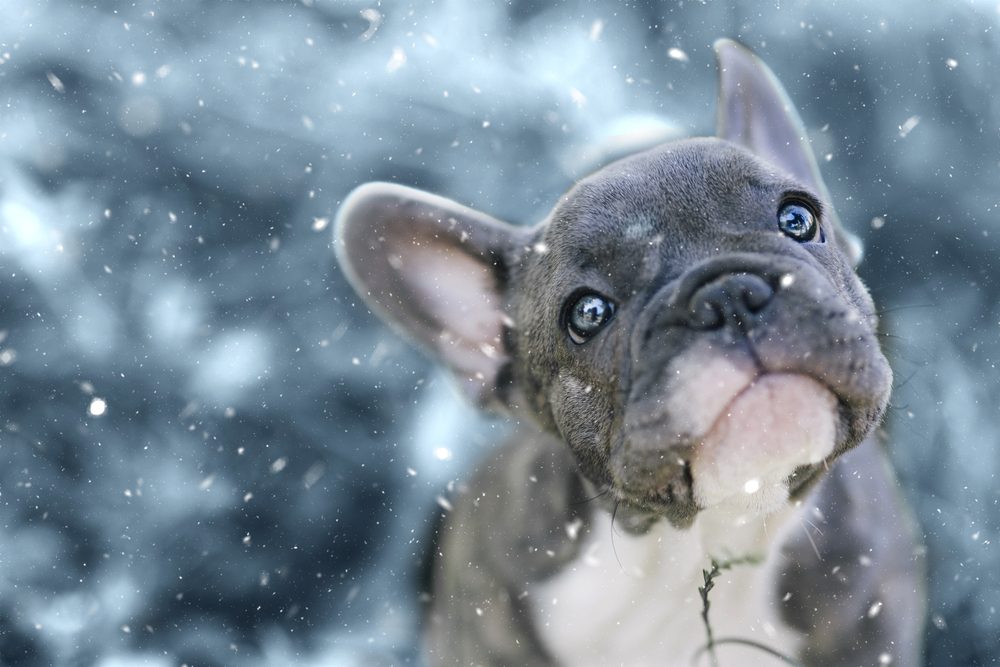
Chances are good you know someone who wears a sweater in the summer. Maybe you have a friend who keeps their air conditioner set to 68 degrees and still feels hot. Just like people, all dogs are different. A large, overweight breed will respond differently to the cold than a thin toy breed. Breeds with dense double coats, such as Alaskan malamutes, Siberian huskies, and St. Bernards, can tolerate the cold much better than, say, beagles and Italian greyhounds. In terms of volume, small breeds have more surface area than large breeds, so they tend to feel the cold more intensely.
Even the color of your dog’s coat can impact their ability to withstand colder weather. When the sun is shining, dogs with dark coats absorb more heat from sunlight than dogs with light-colored coats. Your dog’s general level of health also comes into play. Cold air can exacerbate conditions like arthritis, diabetes, and asthma. Previous exposure to cold weather matters, too. If you’ve recently relocated from Florida to Maine, your dog won’t be able to tolerate the winter chill as well as a dog that’s spent their entire life in a colder climate.
Other factors have an influence
The numbers on your thermometer aren’t the only environmental factors that come into play when determining how cold weather impacts your dog. A frigid, 30-degree day is miserable enough; 30 degrees with a wind chill cuts to the bone and leaves you — and your doggo — unable to properly insulate yourselves against the cold. The air also feels much cooler on days with heavy cloud coverage. Without bright sunlight providing additional warmth, your pup will get colder faster than they would on a sunny day.
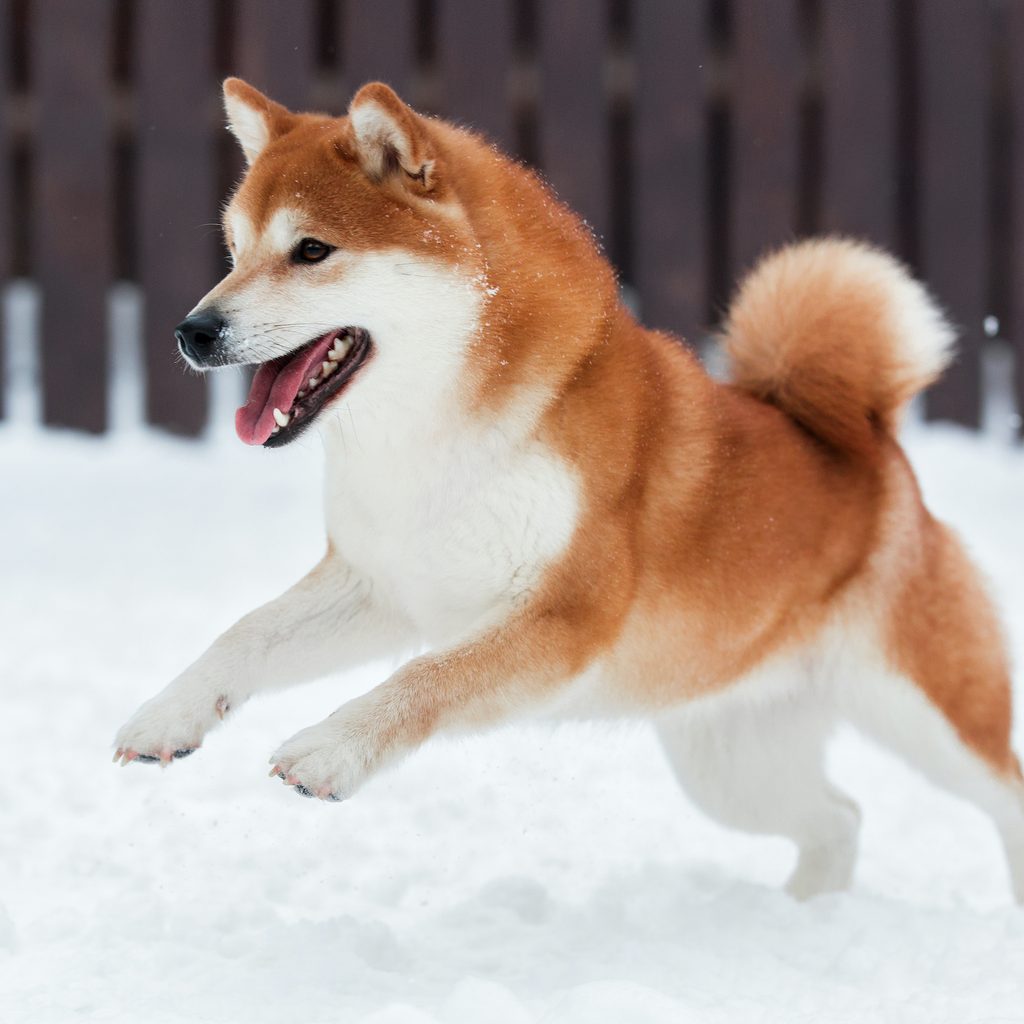
Heavy snow, rain, and thick fog can all play a part in your dog’s ability to withstand the cold. Lastly, your dog’s activity level impacts how cold they’ll be outdoors. If your dog sprawls out in the snow, thy’re likely to feel the chill much sooner than a dog who gets a case of the zoomies and runs through the yard.
How cold is too cold for dogs?
As we’ve mentioned, there are several factors in play, like acclimation, your dog’s breed, and whether it’s sunny out that help determine how well your pooch can tolerate the cold. That being said, there are a few general guidelines you can follow. In temperatures below 45 degrees Fahrenheit, your dog will begin to feel cold when they’re outside, but it’s still perfectly safe for them to go outside for short periods.
Dr. Sara Ochoa said, “Dogs can go outside for 15 to 20 minutes at below-freezing temperatures to use the bathroom and play.” However, when the thermometer drops below 32 degrees Fahrenheit, you should keep senior dogs, young puppies, small breeds, and dogs with health problems indoors, experts advise. They’ll more than likely be OK for a few minutes, but we believe in playing it safe with your dog’s health. Anything 20 degrees Fahrenheit or below is simply too cold for any breed, even a northern breed like a Siberian husky, to withstand being outdoors for long.
Dr. Gary Richter, Rover’s veterinary expert, says, “If the temperature drops below 20 degrees Fahrenheit, dogs could potentially develop cold-associated health issues like hypothermia and frostbite.” You should always monitor your dog closely when they’re outside in cold weather. If your pooch begins shivering, whimpering, behaving strangely, or limping, you’ll need to bring them back inside.
What temperature is too cold for dogs to walk outside?
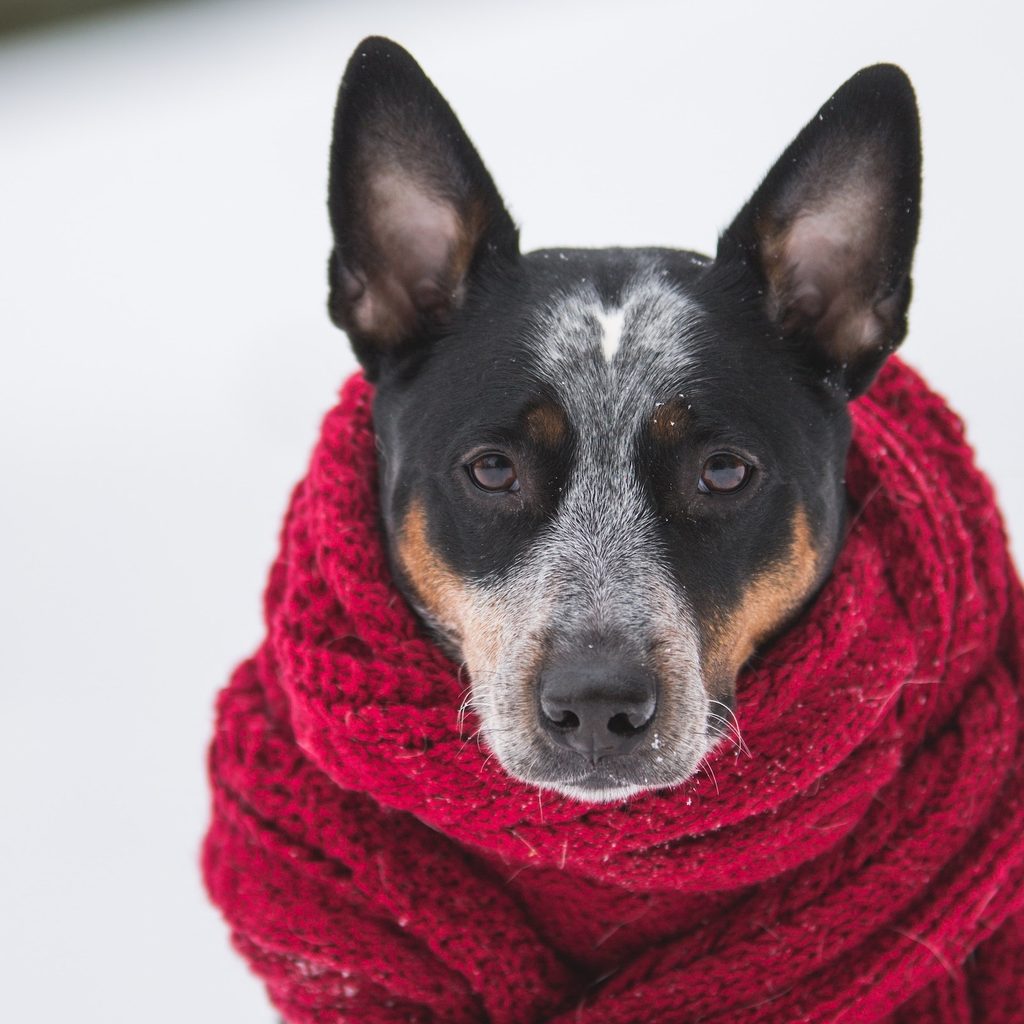
If you live in an area with cool climates, the 45-degree and 20-degree Fahrenheit warnings present an issue: What if your dog uses walks as potty breaks? In these instances, you’ll want to focus more on the duration of the walk and your dog’s individual health and coat. If walks are a quick trip to your pup’s favorite patch of grass and back, everyone should be fine.
Bundling short-haired breeds in coats and booties, the latter of which also helps protect paws from irritating, ice-melting salt, can also keep pets safe and warm on frigid days. Monitor for signs your dog has been in the cold for too long and head inside pronto if you notice any.
How do you protect your dog from the cold?

As established, your dog’s cold tolerance will vary greatly depending on their size, among other factors. Small breeds in particular suffer from temps that might not strike us as that cold if we’re properly bundled. Little dogs can’t handle even 32 degrees Fahrenheit, with anything below 23 degrees Fahrenheit posing a high or extreme risk, according to Frederica Caneiro, a certified dog trainer at Woofz by Nove8.
However, that doesn’t mean you will keep Fido indoors for the entire winter. Instead, consider grabbing a couple sweaters and jackets as part of your seasonal shopping. In addition to your dog’s body, you also have to think about their feet. While booties work for some, many pup pups will flat out refuse to put these on. Consider protecting their paws with Musher’s wax or a similar product which helps keep salt and ice off their soft pads.
Signs to look for that dogs are cold

There are several signs to watch out for that dogs may provide to let you know they are cold. Some may be obvious, and others may not be as clear.
- Shivering
- Whining
- Acting anxious
- Looking for a warm location to get to
- Walking slower than usual
- Holding up a paw
While some dogs thrive in cold weather, not all breeds can tolerate winter weather. Bundle up your dog in a sweater and booties, make sure to apply balm if their paws and nose crack in the cold, dry weather, and don’t let your dog stay outside too long in below-freezing weather. Just like you, your dog wants to stay toasty warm during the winter months.