
Lynn, a victim of domestic violence, her 2-year-old daughter, and her dog Coco, lived in fear for months. They constantly witnessed angry outbursts from Lynn’s abuser who kicked the 1-year-old dog during one of his tirades. Lynn eventually escaped to a domestic violence shelter with her daughter and dog. The shelter didn’t allow pets, but thanks to a RedRover grant, Coco was boarded at a kennel, giving Lynn the time she needed to create a safe home for her family.
October was Domestic Violence Awareness Month when communities worked to uplift survivors, celebrate advocates, and share critical information for domestic violence victims. It’s also a perfect time to remind people that pets are among those victims. Experts at the Animal Welfare Institute say animal companions are often treasured sources of emotional support, unconditional love, and stability for abused partners and children. Abusers exploit that bond to control, manipulate, frighten, and punish their victims.

Domestic violence victims often choose abuse over leaving pets
According to the National Coalition Against Domestic Violence, 75% of victims in shelters report that their abusers threatened, injured, or killed their pets. Nearly half of victims live with abuse rather than leaving pets behind, while 25% of those forced to escape without their pets return to the abusers out of fear for the welfare of the animals.
Advocates say it’s incredibly difficult for domestic violence victims to leave their abusers out of fear for their lives or the lives of their loved ones. When pets are among those loved ones, escaping to safety becomes even more complicated. Experts at the Humane Society of the United States say that most domestic violence shelters can’t accept pets because of health regulations, space limitations, additional costs, and potential liabilities.
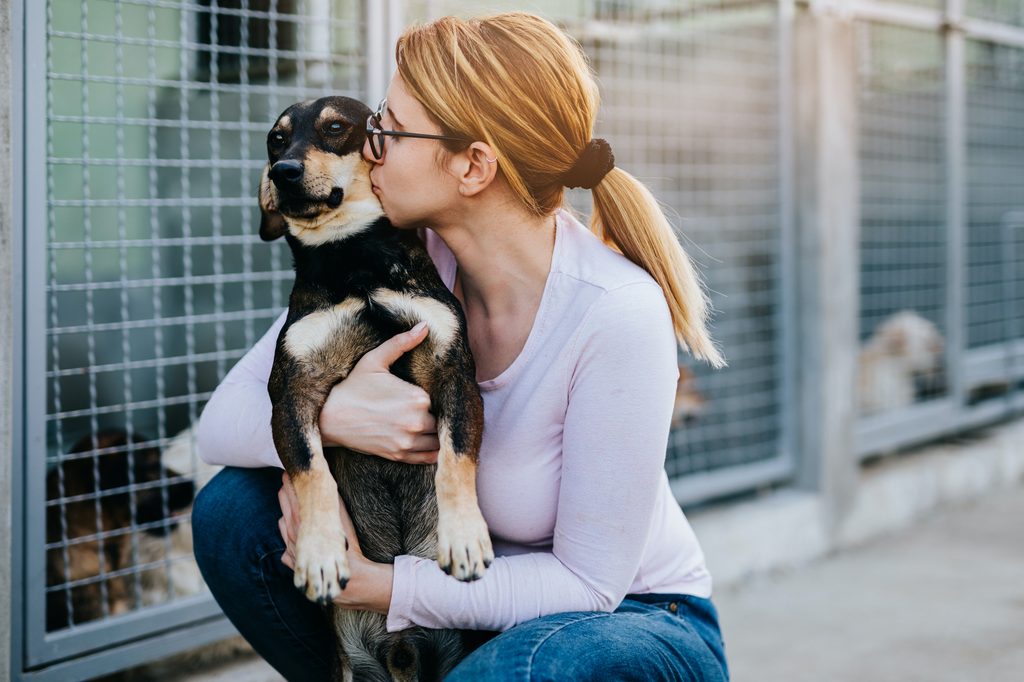
Where domestic violence victims with pets can turn to for help
According to the Animal Welfare Institute, 36 states, the District of Columbia, and Puerto Rico have laws to ensure that survivors of domestic violence can include their pets in restraining orders. When escaping abuse, the ideal situation is for people and pets to remain together. When this isn’t possible, the following resources can help domestic violence victims seeking help for their pets.
Safe havens
Safe havens are sheltering services that assist victims of domestic violence by taking care of their animal companions so that the human family members can enter domestic violence shelters. Some safe havens rely on a network of foster care homes while others use spaces in animal shelters, boarding kennels, or veterinary hospitals. Confidentiality of a pet’s location is highly guarded for the protection of the animals and the family. The Animal Welfare Institute established the Safe Havens Mapping Project, a state-by-state listing of pet-friendly sheltering services to help domestic violence victims find temporary refuge for their pets.
Safe Places For Pets
RedRover offers a Safe Places For Pets database that lists pet-friendly domestic violence shelters and off-site housing for pets of domestic violence victims. The database is searchable using zip codes as well as by state or province. For the protection of victims, addresses are not listed, but contact details are provided for additional information.
RedRover Relief Safe Escape Grant
This RedRover grant program helps families with pets safely escape domestic violence together. Funding is mainly provided to help with the cost of temporary pet boarding while a client is living in a domestic violence shelter. A domestic violence advocate must submit the applications.

5 things you can do to help domestic violence victims with pets
Help spread awareness – RedRover is always in need of volunteers to help spread awareness about pet safety programs for domestic violence victims. One way to do this is by distributing Safe Place For Pets wallet-sized cards that guide people to a directory of support organizations. For more information and to order the cards, visit the Safe Place For Pets website.
Donate – Monthly donations of at least $5 or an annual donation of $60 to the Purple Leash Project helps fund pet-friendly renovations at domestic violence shelters throughout the U.S. The project is an initiative of Purina and RedRover and donors receive limited-edition purple dog leashes or cat collars featuring the Purple Leash motto: “Walk. Heal. Together.”
Become a foster pet parent – Pet safety programs working with a network of foster homes depend on volunteers to provide temporary care for the pets of those in need. For example, Outreach to Pets in Need, a nonprofit helping homeless animals partnered with the Domestic Violence Crisis Center in Stamford, CT, to assist the pets of domestic violence victims. The organization’s SafePet foster program offers peace of mind to victims until they can safely be reunited with their animal companions. You can find a local foster program through the Safe Place For Pets website.
Help renovate a shelter – The Greater Good Charities Rescue Rebuild program recruits volunteers throughout the U.S. to help renovate domestic violence shelters that take dogs so that they can accommodate them and other pets. Projects may involve installing fencing around play areas, building kennels and cat rooms, and creating a living space where families can spend time with their pets. Upcoming renovation projects are listed on the Greater Good Charities Rescue Rebuild program page.
Reach out – One of the best ways to help is to reach out directly to organizations that run safety programs for the pets of domestic violence victims and ask if they need volunteers. Depending on the program, they may welcome help with office work, cleaning, fundraising, or pet care.
Those of us lucky enough to have safe, loving homes can’t even imagine what it would be like to live in the shadow of an abuser. The thought of spending every day fearing for the lives of ourselves, our children, or our beloved pets doesn’t bear thinking about. Providing safe havens for beloved pets allows domestic violence victims to escape abusive lives and become survivors in loving peaceful homes. We can all play a role in helping to make that happen.