
You may have seen them on the road: an ambulance or trailer-like vehicle advertising veterinary services as if they occur right there in that truck. Seems too good to be true, right? No way! Mobile vet clinics are becoming more and more popular for busy pet parents who still need to keep their fur babies healthy, and, luckily, they’re in no short supply.
A quick search online or on social media will help you find some of the most successful mobile vet clinics near you, as well as the ones that are most recommended. We always recommend browsing before making your final choice, but since mobile vets are becoming so popular, you may have to wait a while to get in. Until then, here’s what you need to know.
What is a mobile vet clinic?
Think of a mobile veterinary clinic like a doctor doing house calls — except for your pet! These professionally licensed veterinarians and assistants will be able to meet and treat your fur baby right from home, though they may need to bring them to their vehicle for certain treatments.
Most mobile vet clinics rely on an ambulance-like van or larger trailer to support many of their electronic tools and machines. In fact, many mobile vets, like Dr. Lisa Aumiller, even use retired ambulances (via PetMD)! You should be able to see the inside before sending your pup in when you’re unable to stay — sometimes for safety reasons — so don’t be afraid to ask. After all, you’ll want to know that your buddy is safe and sound while they’re being seen!
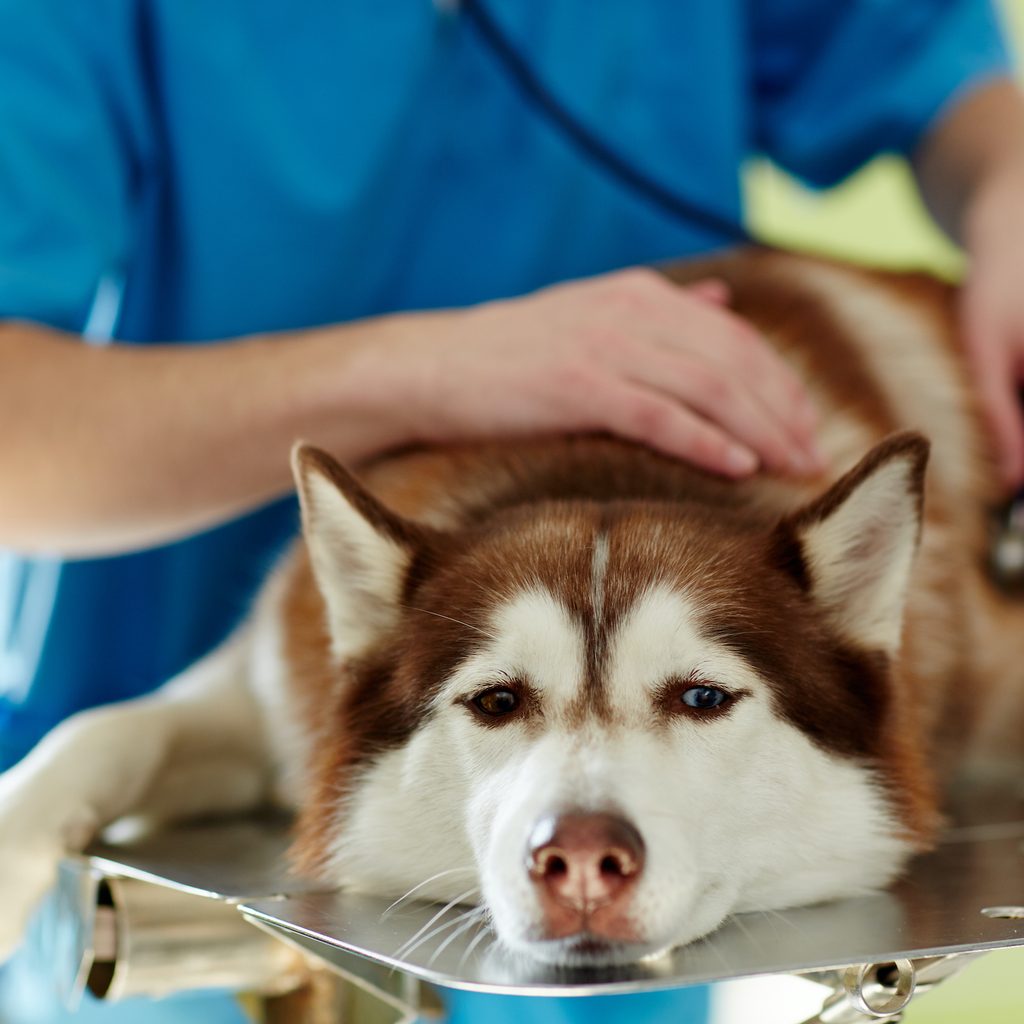
How are mobile vet clinics better than traditional clinics?
Don’t be fooled — “mobile” does not mean limited. There are several reasons why more and more pet parents are choosing mobile vet clinics, and these are the most popular.
Mobile vet clinics can provide almost all the same services
Despite being confined to the space within a vehicle, a mobile veterinarian can provide almost all of the same services as an in-office vet. They’re equipped with the appropriate tools for routine exams, injuries and illnesses, and even minor surgeries. According to PetMD, some mobile vets can even consult you on specialty topics like behavior and nutrition.
You don’t have to leave your home
Convenience is key when it comes to mobile veterinary services, so you can get on with your life while your buddy gets a look-over from their doctor. You won’t have to set aside extra time for the drive or the wait, which means zero time wasted!
For pet owners with mobility concerns, the mobile vet can make an even bigger difference. It allows them to give their four-legged friends the care they need to thrive without worrying about accessibility. If this is one step toward accepting, all-inclusive pet health care, we’re here for it.
No stressful encounters for your pet
Dr. Thea Fiore-Bloom, journalist and cat owner, recalls her relief when she first discovered mobile veterinary clinics. She told Catster she no longer had to “coax [her] car-phobic cat into a carrier and drag us all disappointed (and possibly vomiting) through terrible traffic to the veterinarian.” Instead, she simply waited at home with the rest of her family until the vet and her assistant were examining her cat in her living room.
Not only was this easy for Fiore-Bloom, but it was painless for her cat, too. The feline, who spent the first part of the visit underneath the sofa, eventually felt comfortable enough to emerge for an exam. Had he been forced into a carrier and brought to a loud, busy vet’s office, he may not have been so easygoing.
Flexible hours
You’ll want to double-check the hours and availability of your chosen mobile clinic to see when they can stop by. Many mobile veterinary organizations offer extended hours — or even weekend hours — to accommodate pet parents with busy lives. Now you won’t have to drop everything and find time off whenever your buddy feels under the weather.
More time with the doctor
When no other animals are present, you’ll have your veterinarian’s full attention. They’ll be able to take their time to examine your pet thoroughly, so you know you’re getting the best. It’s the perfect time to ask questions and raise any remaining concerns, too, so don’t hesitate.
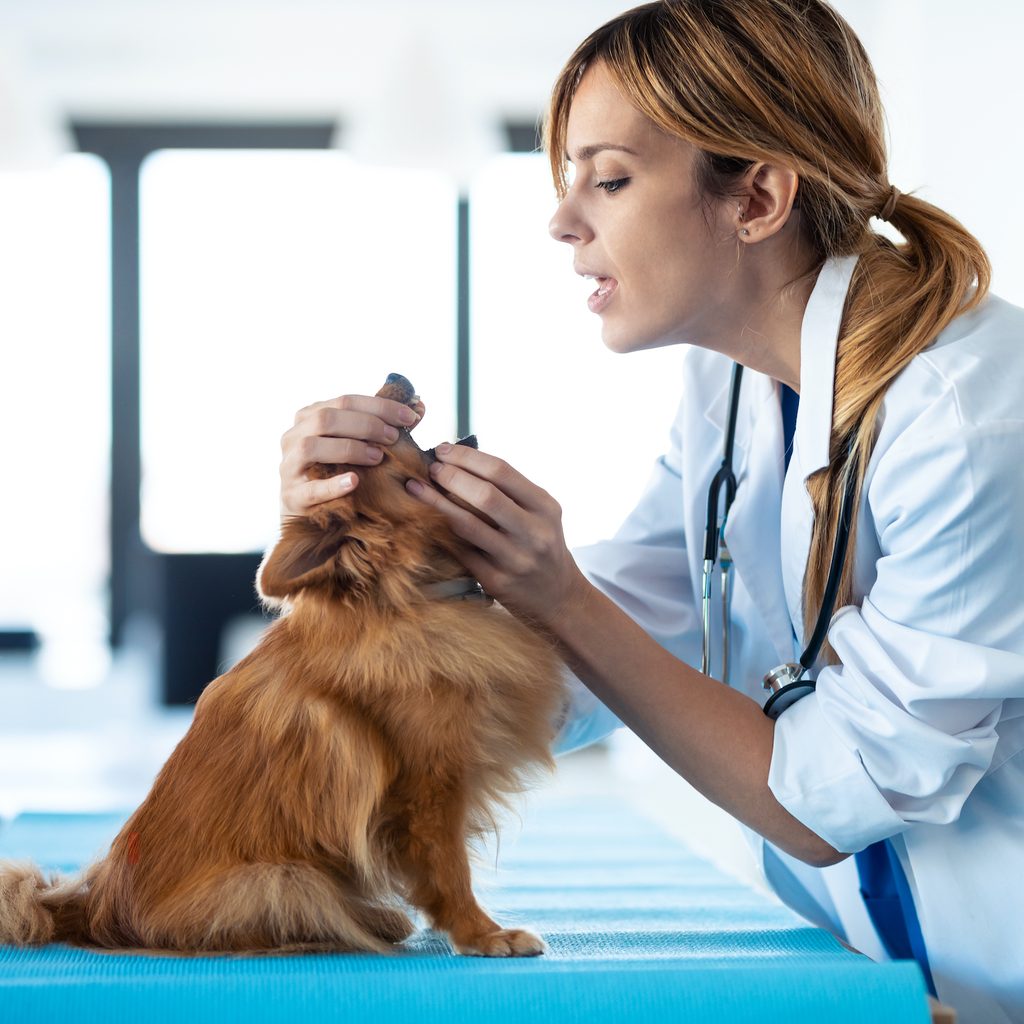
When should I not use a mobile vet clinic?
Though mobile vet clinics have nearly all of the necessary equipment to keep a dog, cat, or pocket pet alive, these small locations are not the places to go in an emergency. They may not have the right tools to sustain them for an extended time, although some may be able to act as an ambulance for your pet while you find your way to the vet.
Of course, these kinds of emergencies are few and far between. For the most part, a mobile veterinary clinic will have all the right tools, inventory, and stock to care for non-life-threatening situations, helping to make caring for your furry family member just a little bit easier on both of you.