There are so many reasons why dogs are known for being man’s best friend. Our pups love us unconditionally — even when we aren’t being our best selves. No matter what’s going on, your four-legged friend will be happy to see you. Bad day at the office? Does your boss think your work performance is lackluster? Your dog respectfully disagrees. They’ll wag their tail when they see you walk through the door and shower you with kisses. They’re loyal and loving until the end.
One of the best things about dogs is that they’re just as diverse as people are. Small, large, energetic, lazy… there’s a dog for anyone out there. Some people fall head over heels for larger dogs, like Labrador retrievers, because they make for great swimming, hiking, and running partners. Large breeds are also often great snuggle buddies — even if they feel like a ton of bricks in our laps and take up the entire bed. What’s more, some of the most loyal dog breeds are large ones.
If you’re leaning toward adding a big dog to your home, consider these eight breeds when searching for a true-blue forever friend.
What are the most loyal large dog breeds?
Dogs tend to be loyal by nature. Some pets take it up a notch, though, including these large dog breeds:
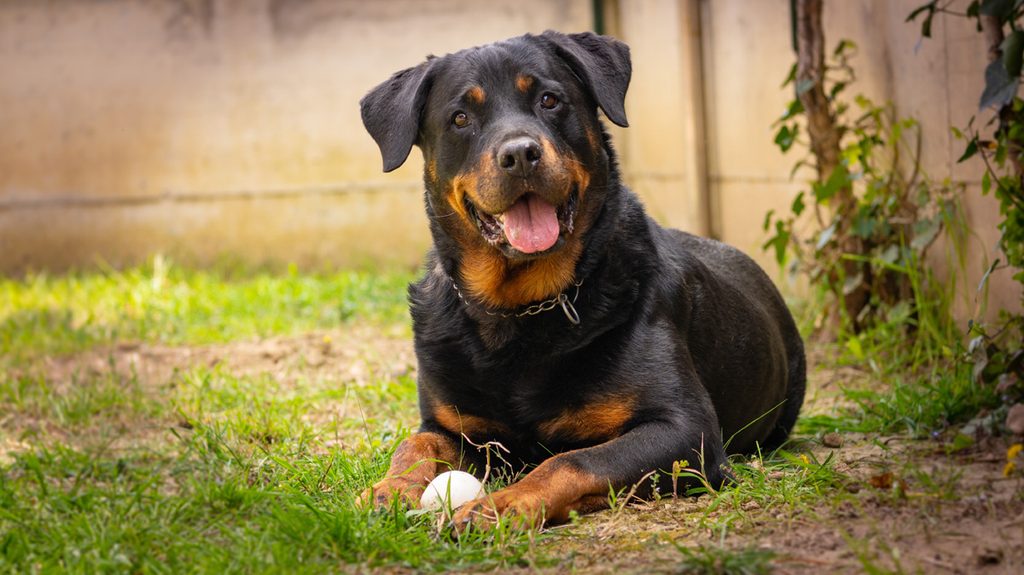
Rottweiler
There’s no doubt that these muscular dogs are large; female Rottweilers can weighh up to 100 pounds, while males can hit up to 135 pounds. But don’t worry — they’ll use all 100-plus pounds for good! Rottweilers are known for being fiercely loyal and protective of their families — even kids. Though they can be guardians, a well-raised Rottie isn’t usually aggressive towards others. The American Kennel Club suggests training and socializing them early to help them become the best versions of themselves.
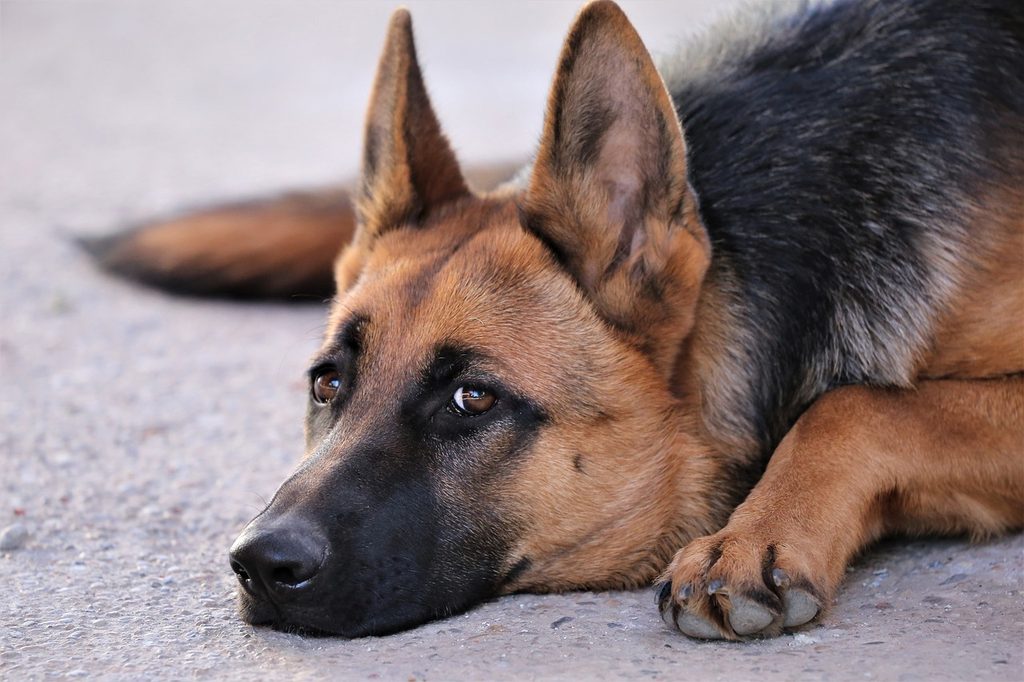
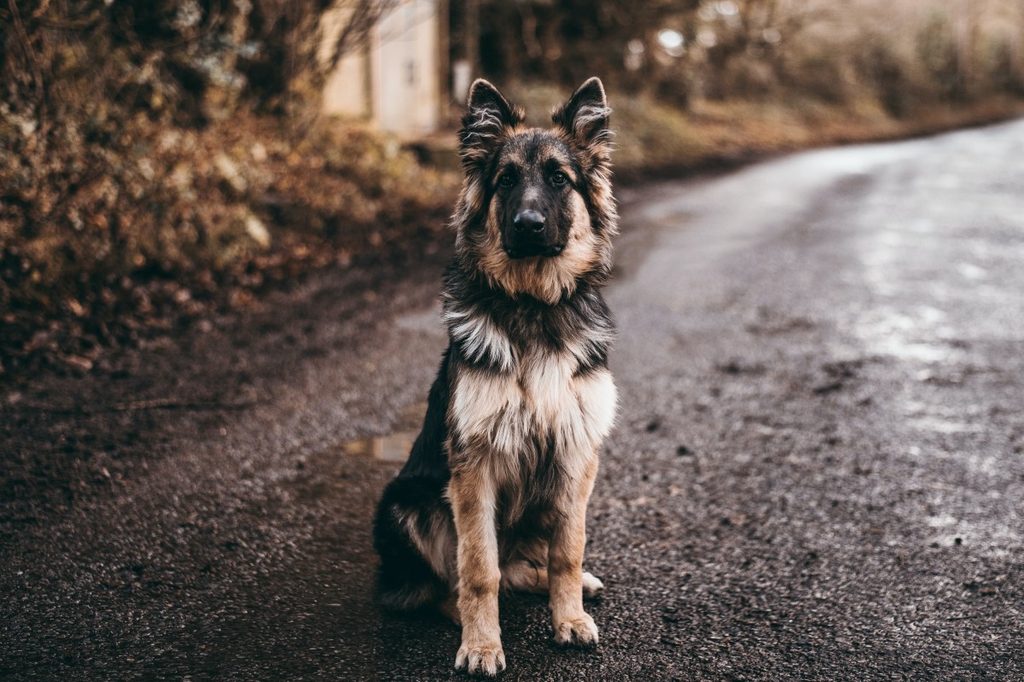
German shepherd dog
German shepherd dogs (GSDs) are also known for their loyalty. Whip-smart and eager to please, German shepherds often nab jobs as service animals or bomb-sniffing dogs. They’ll also literally risk their lives for you without hesitation, which is why some GSDs serve in the military. Of course, the best place for a GSD is safely by your side, where they’ll get just as much love as they give.
Pit bull breeds
Pit bulls have gotten unfortunate reputations for being aggressive and vicious over the years. In reality, they’re lovable, affectionate, gentle, and loyal if raised properly, just like most other dogs. Pit bulls are eager to please the ones they love, and they even have a reputation as ‘nanny dogs’ in the U.K. Sadly, the love for these breeds has mutated into fear and misunderstanding, leading to a lack of knowledge and education about these breeds.
Golden retriever
Golden retrievers are one of the most popular dog breeds in the U.S. It’s not just because of 1990s classic Air Bud, either. These adorable pups are typically great family dogs. They’re friendly, energetic, and loyal. Goldens don’t just make great best friends for adults; they’re often loving companions to young children as well. What’s not to love?
Neapolitan mastiff
These big guys with wrinkles and rolls for days can weigh around 150 pounds and have served as guard dogs. Neapolitan mastiffs are softies at heart, though. Also known as Neos, these pups may be wary of strangers, but they love and remain true to their forever families. Talk about loyalty!
Labrador retriever
Like Golden retrievers, Labs are incredibly popular. Loyalty is a big reason people love their Labs, which typically have yellow, chocolate, or black coats. They’re faithful companions for the whole family — young children and other pets included. Labrador retrievers are cheerful, enthusiastic, bright, and eager to please, making them very trainable. Labs love you so much they are prone to separation anxiety, so make sure you give them plenty of love and hire a dog walker or sitter if you’ll be gone for more than several hours.
Akita
These muscular dogs stand tall at 24 to 28 inches, and they’re instinctually loyal to their humans. Because Akitas are so loyal, they need to be socialized and trained from an early age so they don’t take their instincts to protect you too far. Even with socialization, Akitas generally prefer to be kings or queens of the castle. In other words, they want you (and your couch) all to themselves and are best as only dogs.
Chinese shar-pei
These pups are loyal and energetic. Regular exercises, such as daily walks and mental stimulation, will bring you and your Chinese shar-pei even closer. Because they love you so much, they may be a bit wary of strangers. Be patient and expose your Chinese shar-pei to various experiences early in life so they feel more comfortable.
What are the most protective dog breeds?
Some dog breeds aren’t just loyal. They are also protective. What’s the difference? A loyal pup loves and wants to please you often, no matter what. A protective dog may display guarding instincts.
Protective dog breeds include:
- German shepherd
- Rottweiler
- Bullmastiff
- Cane corso
- Neapolitan mastiff
- Chinese shar-pei
Guarding tendencies aren’t always bad. However, if you notice your dog is showing signs of aggression, talk to your veterinarian. They can help you minimize the issue and recommend a trainer.
Loyal large dogs as watchdogs and guard dogs
When a large dog is eager to please and loyal to a T, it’s easy to see how they can be excellent candidates for guarding or watching their home. Because of their size, large dogs tend to be intimidating to those who don’t know them — both humans and other animals. This is why many livestock guardian dogs and watchdogs are some of the largest breeds you will find. But size isn’t the only trait that makes an excellent guard or watchdog. These pups are alert, eager to please, and are happiest when working a job.
Remember, it takes lots of research and training to raise a skilled watchdog or guard dog. They need to respond consistently to training and commands, which is on you to teach!
Researching dog breeds is a good way to get to know a dog’s potential personality, health risks, and needs. However, it’s essential to remember that dogs aren’t guaranteed to have specific traits because they are a particular breed. Each dog is an individual, and their upbringing will also shape their behavior and personality. Mixed-breed pups may inherit the best traits from many different kinds of dogs and make great companions. If you’re considering bringing a dog into your home, look into shelters, rescues, and reputable breeders. Then, schedule a meet-and-greet where you can get to know individual pets and find your true perfect match.