
As hard as we try to keep our fur babies safe from harm, accidents can happen in the blink of an eye. According to a recent survey conducted by Bankrate.com, fewer than four in 10 — only 39% — of Americans can afford an emergency expense costing $1,000. With emergency vet visits costing an average of $800–$1,500, ensuring your pet has coverage in the event of an accident, injury, or illness can make the difference between life and death. But does your pet also need a wellness plan? Let’s look closer at pet wellness plans vs. pet insurance to help you determine which option is best for your pet.

Covering the basics
While both pet insurance plans and wellness plans offer different benefits, both are incredibly useful depending on your pet’s needs. Pet insurance and pet wellness plans both cover different needs, meaning you won’t have to pay hefty out-of-pocket expenses when your fur baby needs to take a trip to the vet. While some pet owners opt for insurance-only plans, others prefer to provide complete care by adding on a pet wellness plan. The coverage provided by pet insurance plans and pet wellness plans varies from company to company and your plan of choice. In most cases, however, insurance plans and wellness plans include the following coverage:
Pet insurance plans
- Accidents and injuries such as broken bones, eating a foreign object, wounds due to fighting, and more.
- Surgical procedures.
- Illnesses such as cancer, parvovirus, kidney disease, and more.
- Prescription medication.
- Diagnostic tests like X-rays and MRIs.
- Emergency veterinary care.
Pet insurance plans don’t cover routine vet visits, wellness checkups, preventive medicine, vaccinations, spaying and neutering, or preexisting conditions.
Pet wellness plans
- Vaccinations.
- Microchipping.
- Spaying and neutering.
- Preventive medicine.
- Wellness exams.
- Deworming treatment.
- Grooming.
- Routine screenings for conditions like hip dysplasia.
- Behavioral training.
- Teeth cleaning.
- Nail trimming.
Bear in mind that each wellness plan is as different as each pet’s needs. If your dog needs routine screenings, opt for a wellness plan that includes them. Similarly, if you have trouble trimming your cat’s claws at home, look for a wellness plan that covers nail trimming.

The perks of pet insurance plans
Because many insurance companies charge a higher premium to insure older pets, it’s best to insure your pet while she’s young and healthy. Additionally, not all chronic conditions develop in older pets. An estimated 81% of dogs develop canine atopic dermatitis when they’re 3 years old or younger. Young, active dogs are also likelier to chew foreign objects, which can result in emergency surgery. The cost of ongoing treatments for chronic problems like cancer can skyrocket, leaving pet parents to make the heartbreaking decision to continue or cease lifesaving chemotherapy.
Pet insurance provides the financial help you need to ensure that you can seek treatment for your fur baby. If you’re faced with an emergency vet bill, knowing you have pet insurance reimbursement to offset the costs means you won’t be left in a financial bind. Pet insurance for dogs costs an average of $45 a month, while plans for cats average $25 a month.
The perks of pet wellness plans
With benefits like dental care, grooming, spaying and neutering, vaccinations, and microchipping, pet wellness plans can help you pay for treatments and procedures that aren’t covered by pet insurance plans. For a relatively low monthly cost — usually around $10–$30 a month — you’ll save money on taking a proactive approach to your pet’s health and staying on top of regular wellness visits. Early detection is crucial to a good prognosis, so routine screenings are a must when it comes to catching serious conditions while they’re easily treatable. That being said, wellness plans aren’t insurance plans, so while they’ll aid in early detection, they won’t cover treatment costs.
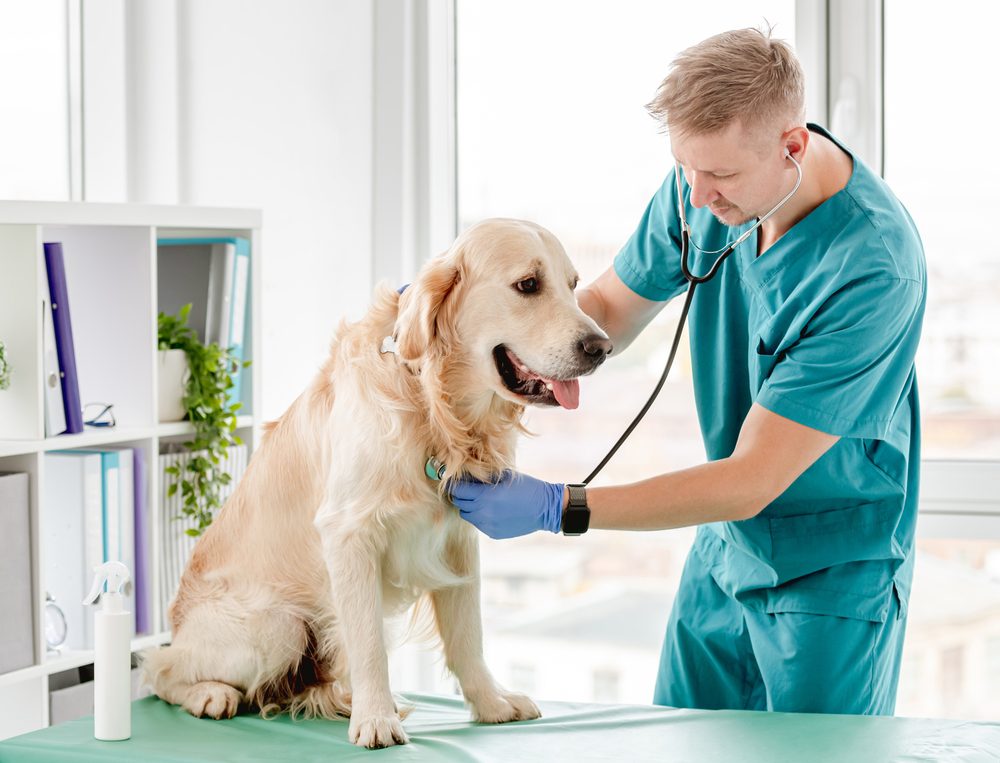
Does your pet need an insurance plan, a wellness plan, or both?
Just like all pets have their own unique personalities, they also have individual needs that can help you determine which option is right for you. For example, any dog breed is at risk of developing diabetes, but certain breeds like cocker spaniels, golden retrievers, German shepherds, Pomeranians, and more have an increased risk. Routine wellness visits covered by a pet wellness plan can help detect diabetes early on, but pet insurance will cover the cost of any prescriptions your dog needs. If money is tight, pet insurance is probably your best bet, as surgical procedures and chemotherapy can cost several thousand dollars. Wellness exams cost an average of $200–$400 annually for dogs and $90–$200 for cats, which is much more affordable if you’d like to save money by skipping a wellness plan. While some pet parents believe the peace of mind a combined pet insurance and pet wellness plan can bring is priceless, only you can decide what’s best for your budget and for your pet.