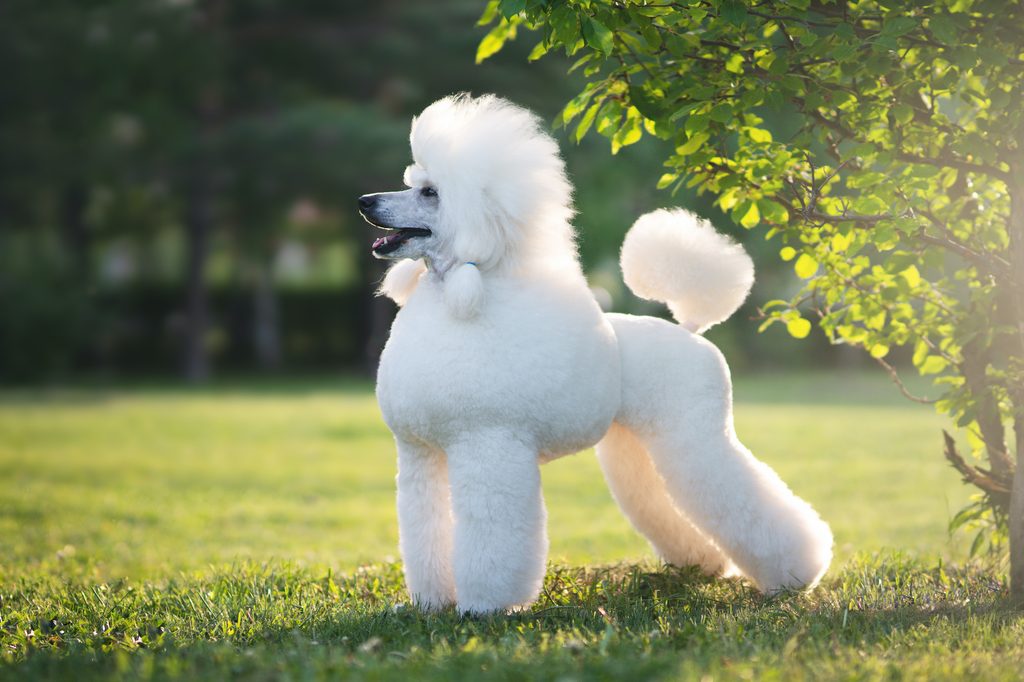
Poodles have something of an aristocratic and even cat-like reputation in the dog world. Part of that is due to their appearance.
There are three types of poodles: standard (over 15 inches tall), miniature (up to 15 inches tall), and toy (up to 10 inches tall). Each has curly fur and a proud posture. When they walk, it almost looks like they’re sticking their long snouts slightly upright — but maybe that’s just our imagination.
Don’t judge a book by its cover, though. There’s so much more to poodles than meets the eye, and many of them are nothing like uppity Leonard from The Secret Life of Pets. Poodles tend to be agile, intelligent, and eager to please their pet parents.
These poodle facts will have you forgetting about old stereotypes and falling tail over paw for this beautiful breed.

Are poodles aggressive? Are they mean?
The American Kennel Club (AKC) says poodles are naturally vigilant, so they can be very protective of their humans. This quality makes the poodle an excellent watchdog. It doesn’t mean poodles are aggressive, though. Typically, they are open to strangers and adaptable.
Experts say poodles can be a bit anxious and fearful. Some may display aggressive behavior when they’re scared—just like humans. Poodles are also proud creatures, which can sometimes cause them to want to exert dominance over other pups at the dog park, or even over other people. This behavior can also come off as aggressive. Proper training and socialization can help poodles thrive in social situations. There are aggressive dogs in any breed, and help is available. A vet can give you pointers.

Are poodles child-friendly? Do they make great family dogs?
Poodles make great family dogs. They’re very affectionate, and the AKC says they are good with children.
You’ll want to teach children how to interact with a dog appropriately. Older children can take part in the training. Always supervise babies and young children when they are with a dog. They may be tiny, but little kids don’t necessarily know how to pet and play nicely with an animal yet. They may scare your pet, and then the dog may react in an attempt to protect themselves.
Are poodles smart? Can I train them?
Poodles get the reputation of being aloof, but they’re highly intelligent and eager to please. They need tons of mental stimulation. Consider challenging them with food puzzles and agility courses. Because poodles are so smart and agreeable, they’re one of the easiest dog breeds to train. Poodles live to make you proud.

Are poodles down for adventures?
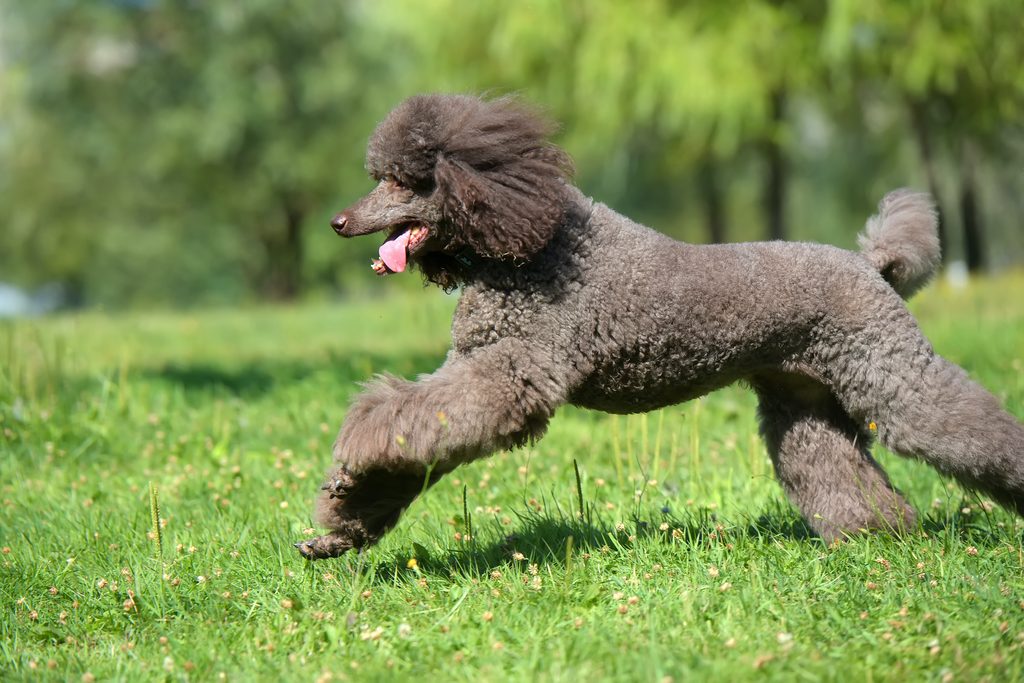
Despite their reputation for being snobs, poodles aren’t remotely afraid to get their paws dirty. These pups are athletes and have high energy levels. The standard poodle is usually the most athletic of the bunch because of its height, but all types are active. Some fun ways to keep your poodle busy include:
- long walks
- hikes
- trips to the park or dog park
- plenty of play sessions indoors or outside
- jogs
Poodles aren’t always go, go, go, though. After a rousing walk or play session, they’re happy to settle in your lap or by your side for snuggles and a nap.
What’s the history of the poodle?
Poodles are likely descendants of the barbet, a dog with a similarly curly coat. Hundreds of years ago, you could find the barbet in European countries like France, Germany, Russia, and Hungary. Today’s poodle was once Germany’s version of the barbet, but aristocrats in France loved the breed and made it the country’s national dog.
That may be where poodles got their snobby reputation, but people initially revered the dogs as retrievers, particularly in the water. Though poodles today are often lap dogs and walking buddies, their ancestors held down jobs. Poodles performed in circuses, served in the military, and got hired as guide dogs.
It’s long past time we separate poodle facts from fiction. Poodles walk and stand proudly and have an elegant build. However, they’re not snotty or wimpy, which is how they are sometimes portrayed on TV or in the movies. Poodles are actually highly adventurous and athletic animals. They’re energetic and need a ton of exercise. Don’t worry about a little mud or rain keeping them down—poodles are always up for an adventure, as long as it’s with you. These dogs are loyal and loving friends and typically do well in families with young children. They’re intelligent and easy to train, too.
But remember, the breed isn’t the only factor in determining a pet’s personality. Their upbringing and life experiences play a role, too. If you’d like to welcome a poodle into your home, look for reputable breeders, rescues, or shelters. They can let you meet a poodle first to make sure this curly-haired cutie is your new best friend.