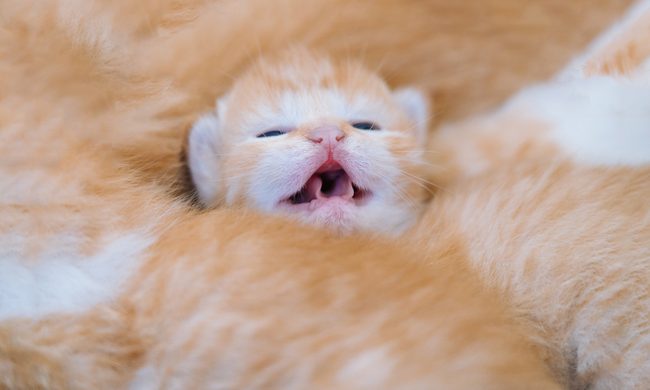
When you have a young kitten at home, that kitten will need to learn how to get along with your family. Part of that learning process is teaching your kitten that it’s not acceptable to bite people. Kittens bite for all kinds of reasons, and if your kitten bites you, he’s probably not doing it out of aggression. Instead, your kitten is probably just trying to play, but sharp kitten teeth can mean that your furry friend’s version of playtime can be pretty painful for you. The good news is that you can teach your kitten not to bite you and your family members, so playtime is more enjoyable for everyone.
Why your kitten bites
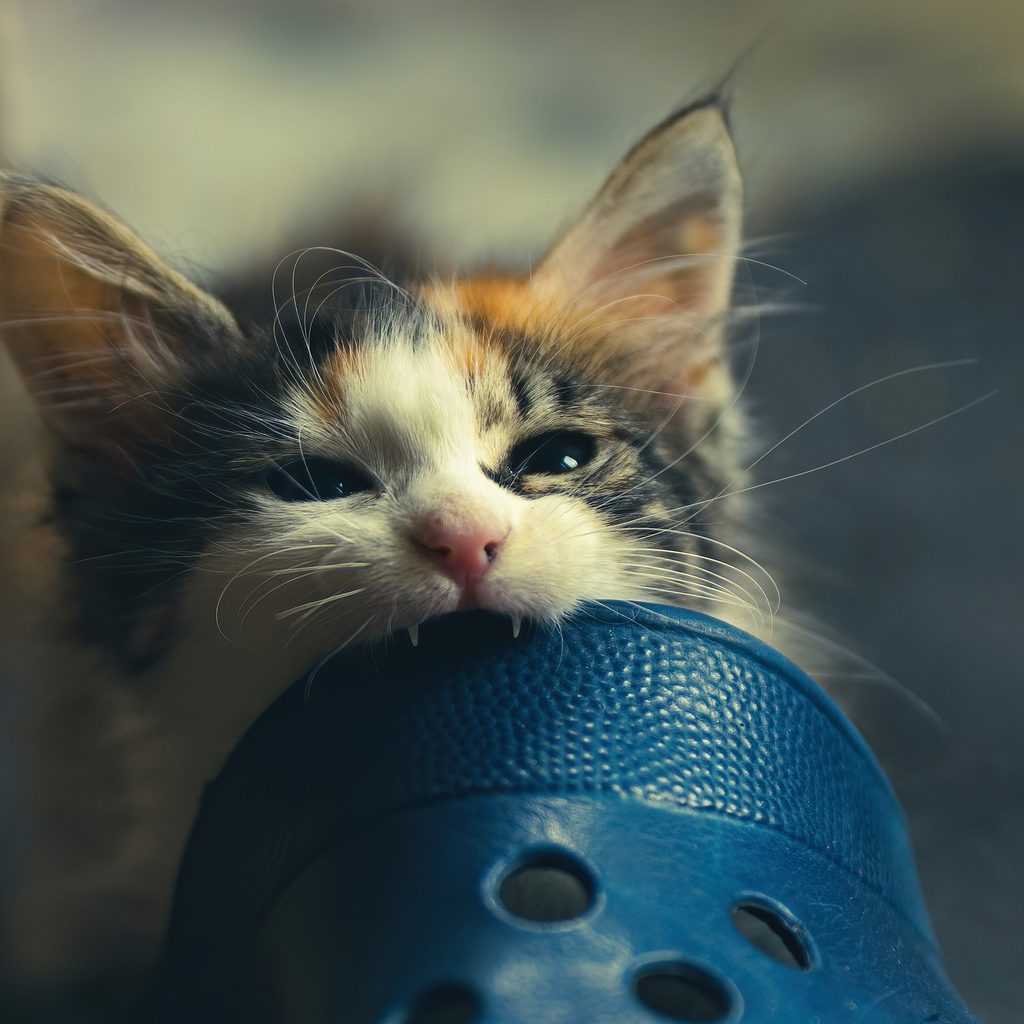
It’s important to understand why your kitten bites. Kittens biting a lot is actually very common. Your kitten explores the world with his mouth. He bites and tastes objects to learn about them, and biting is a natural aspect of how your kitten plays with his littermates.
Kittens may also bite more when they’re teething. Kittens teethe around 10 weeks old, and then again when they’re about 6 months old. You might notice increased biting and chewing around these times as your kitten tries to relieve his discomfort.
While kittens may bite a lot, that behavior decreases as they age, and by the time your kitten is about a year old, he should be over his biting habits. However, it’s important to know how to react to your kitten’s biting in the meantime.

How to stop a kitten from biting
If your kitten bites you while playing, immediately yet gently remove yourself from his grasp. You might instinctively want to yank back, but be gentle and careful. The faster you pull away from the kitten, the more he might be tempted to chase and further play with you.
You can also say a sharp “No” to your kitten as you remove yourself. Don’t yell at your kitten, but do be firm.
Once you’ve gotten out of your kitten’s reach, remove yourself from the situation. Stop the play session immediately and don’t let your kitten chew on your fingers or toes. Move yourself away to reinforce that the kitten’s behavior was inappropriate. If you sat and tolerated your kitten’s biting you, you’d be reinforcing the behavior. Removing yourself removes the “fun” from the situation for the kitten.
Instead of letting your kitten chew on you, redirect his attention to an appropriate toy. You can attempt to play with your kitten again, but if he bites you, repeat the process and redirect him to the toy.
What not to do
If your kitten does bite you, you might be tempted to shout or to even push the kitten away firmly. It’s important to avoid both of these options. Frightening your kitten won’t help, and physical punishment is unfair and inappropriate, especially since biting is instinctive for kittens.
Instead, focus on ways you can help your kitten satisfy his need to play and chew. Consider buying an assortment of toys your fur baby can bite into. Experiment with different toy sizes and textures until you find the toys that your kitten most prefers. If your kitten is teething, he may prefer softer toys that he can easily bite into, since they can create some gum pressure to help relieve pain. Once you discover the toys that your kitten prefers, disperse them throughout your home so that you can always quickly grab one when needed.
Making sure that your kitten spends plenty of time playing can also help reduce his biting, especially if he’s biting to explore. Wand toys and laser toys can give your kitten a great workout, so he gets rid of excess energy instead of trying to play with your hands and feet.
It’s also important to get your whole family on the same page when it comes to handling your kitten’s biting. If one person permits the biting but another one tries to prevent it, you’ll be sending your kitten mixed messages. Instead, discuss the appropriate steps to take when the kitten bites to ensure that everyone in your home will react the same. This repetitive, consistent approach will be clearer to your kitten and can help him understand more quickly that biting humans isn’t allowed.
Stay the course
As your kitten grows, you’ll need to teach him important lessons like not to scratch the furniture and not to bite people. You’ll need to be patient and persistent while teaching your kitten, and there may be days when it feels like you’re getting nowhere. Keep at it, though. Your kitten will slowly get the message, and you’ll gradually see an improvement in his behavior. He might bite less, or he might bite more gently. With time, your kitten will learn that this behavior isn’t allowed, and he’ll understand that he can bite and play with other things, like toys, as enthusiastically as he likes.