  1. Home
  2. Getting Started
  3. Evergreens

This is what a flea looks like, and it’s disgusting

You definitely don't want these gross bugs to take over your house and bite your pets

Add as a preferred source on Google

We could have gone our whole lives without seeing a flea up close under a microscope — they’re terrifying! Most of the time, when you spot a flea, it’s outside in the grass, or unfortunately, on your dog or cat. It’s not pleasant, but at least at such a small size, it’s tricky to make out any kind of identifying details (imagine if one of these creatures was actually large enough to look at without magnification assistance).

While it might spook you to take a look at a flea up close, you should be even more concerned about spotting them in the wild, where they might be snacking on your pet and infesting your home.
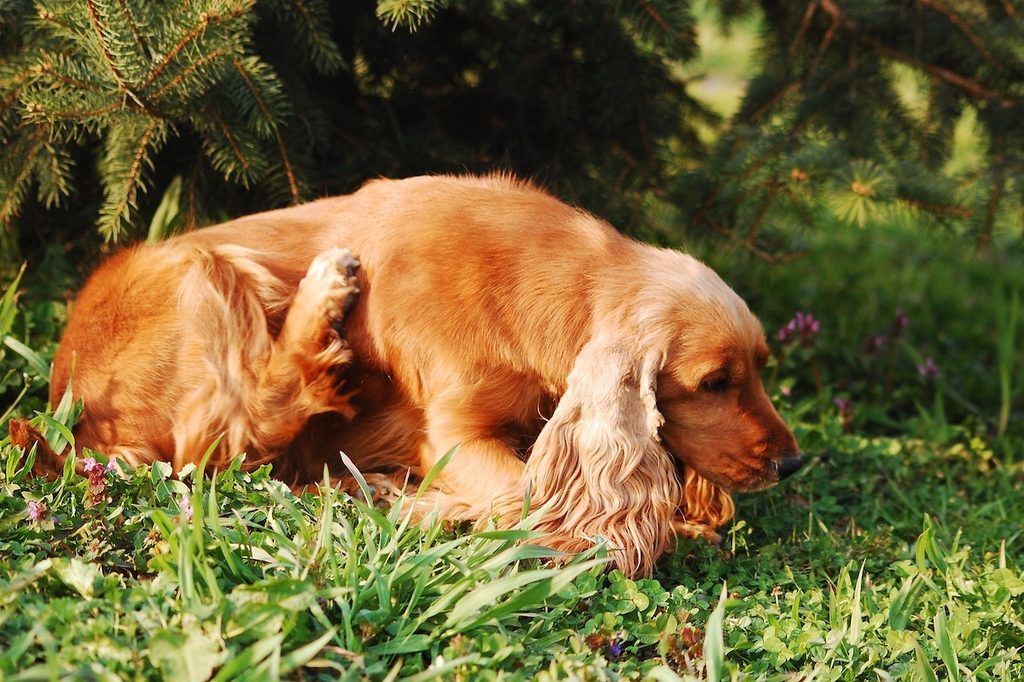
Dog scratches their side while in the grass
Katrina_S / Pixabay

What do fleas look like?

If you gaze upon the close version of this insect, you’ll spot the telltale six legs, brown or reddish body, and tiny needle-like appendages for sucking blood (fortunately no wings). Instead of flying, these little buggers jump from person to pet to grass. They feast on blood from mammals, so they’re coming for you and all your furry friends. To the naked eye, you’ll likely spot a tiny blackish speck that could be deep in your dog’s fur or even crawling on your floor.

Recommended Videos

What do fleas do to pets?

Mostly, eat them. As with other biting bugs, they inject a bit of anticoagulant in order to keep the blood flowing —  that’s part of where the itchiness comes in. You’ll notice red spots and lots of scratching if they wind up on your dog or cat. These pests can also cause other more serious problems, such as tapeworm and anemia, so you want to take care of this quickly once you discover the infestation.

What treatment is available for fleas?

Luckily, a little maintenance usually prevents these parasites from moving in. You have a few options to use as a preventative, including oral, topical, or removable. Many choose to give their pets a chewable or a pill (and some combo pills are available that tackle multiple freeloaders at once, like heartworm and fleas).

Alternatively, look into collars that can come on and off as necessary or a gel that goes on the pet’s back. As with all medications, carefully follow the instructions. You don’t want to give your little guy too big a dose, which can cause sickness. If the fleas do set in, you should also look into shampoos and combs to tackle the issue.

In your house, you need to follow regular cleaning routines to ensure fleas stay out and don’t wind up living in your home between meals. That means vacuuming all carpet and washing pet bedding or pet clothes consistently, including blankets and sweaters. Remember that even if your animals have been treated, they still might come into contact with these bugs outside on walks. Fleas can easily hitch a ride and then find another unsuspecting critter in the house — for example, a dog could accidentally bring fleas in that then grab onto an indoor cat. We actually recommend treating all fuzzy household members even if they don’t spend any time around bugs themselves.

Rebekkah Adams
Former Contributor
Rebekkah’s been a writer and editor for more than 10 years, both in print and digital. In addition to writing about pets…
How to care for newborn kittens without feeling overwhelmed
This is how to feed and care for newborn kittens
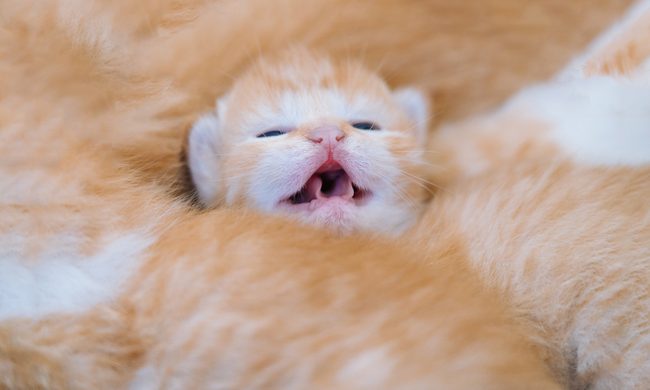
A mewing newborn kitten at the center of a cuddle pile

First of all, congratulations on your furry new arrivals! The first time newborn kittens open their giant eyes, you'll feel like the best cat parent in the world. Whether your cat’s litter was planned or a happy accident, there’s no denying that welcoming newborn kittens into the world is exciting. But kitten care can also be a lot of work.

Caring for kittens isn't for the faint of heart. Between learning how to feed them and how to help them potty, you'll be in the thick of things. Thankfully, we have some good news: You can care for newborn kittens without it becoming a second job. Here’s what you need to know.

Read more
Clicker training for cats: A great way to teach them
This method will work well to correct problem behavior in your feline
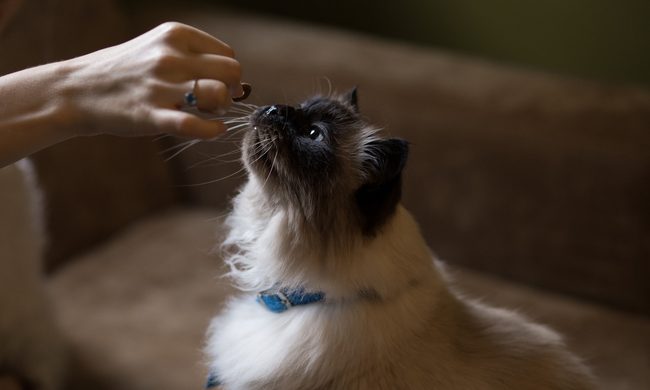
Cat sitting and eating a treat

Being a cat owner is one of the most rewarding experiences in the world. From their adorable chirps to their vibrant personalities, cats quickly become entertaining, affectionate members of the family. But sometimes, our frisky feline fur babies can be a bit naughty.

Whether your cat likes to nibble on your fingers, screech in the middle of the night, or annoy the family dog, it's time to begin training your cat. However, selecting the right training method is essential when it comes to cat discipline. Shouting can cause anxiety, which may worsen your cat's behavior instead of improving it. Let's find out why clicker training for cats is an effective way to correct naughty behavior — no screaming involved. 
What is clicker training for cats?

Read more
The 6 newest dog breeds: What sets them apart
If you’re thinking of bringing home a new dog, consider one of these elusive breeds
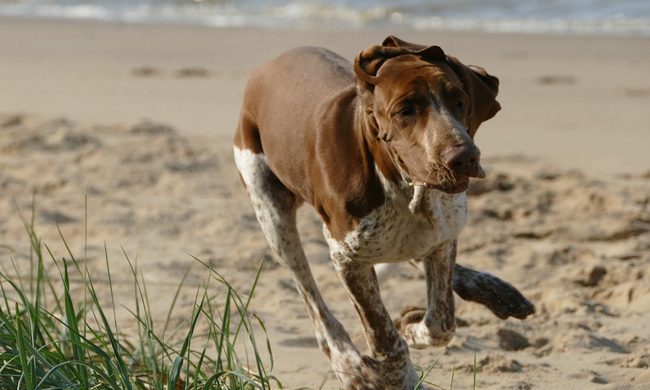
A Bracco Italiano runs on the beach

Some dog owners (and fans of dogs) can name dozens of dog breeds like the back of their hands, but others can't even tell the difference between a dachshund and a Corgi. That's OK! As long as a dog owner knows how to take good care of their fur baby, they don't necessarily need to know the fun facts. At the same time, learning about different dog breeds can be valuable in certain situations, whether you like watching dog shows or are considering volunteering at a rescue.

Even if it's just for fun, there's a lot you'll want to know about the six newest dog breeds in the show universe. The American Kennel Club (AKC) is one of the largest dog breed registries in the world, and it oversees the standards and requirements for each new breed that's created. Since 2021, it has welcomed six new breeds to its ranks, and you may have even seen these dogs in a local or televised dog show.

Read more