All parents know that rearing a family is hard work, and the same holds true for mama cats. Between regularly feeding and bathing her kittens to providing a constant source of warmth and snuggles, mother cats have their work cut out for them when they’re taking care of newborn kittens. However, just because Mama Cat is exhausted from caring for her litter, that doesn’t mean you should separate the kittens from their mom too early. Have you ever wondered, “When can kittens leave their mom safely?”
We’ll share everything you need to know about helping your cat take care of her little ones, from how to avoid kitten care becoming a second job to when kittens are old enough to safely leave their mom.
At what age can kittens leave their mom?
You may have friends and family members who are champing at the bit with excitement to receive a new kitten from the litter, but taking kittens away from their mother too soon can have lasting ramifications. It’s a common misconception that kittens can be taken away from their mother as soon as they’ve finished weaning — at roughly 8 weeks of age – but kittens should stay with their mom for longer. To avoid future behavioral problems like strained interactions with humans and other animals, kittens should stay with their mom until they’re at least 12 to 14 weeks old.

What happens if you take a kitten away from its mother?
Abandoned kittens can thrive if they’re fostered properly, but it’s in their best interest to stay with their mom as long as possible. A mother cat’s milk provides 100% of the nutrients growing kittens need, and mama cats naturally wean their kittens when they’re around 8 weeks old. While kittens no longer rely on their mother for nutrients, taking them away from her too soon can lead to behavioral issues. Here are a few difficulties that may arise if kittens are separated from their mom too soon:
They may grow up to be aggressive
Playtime with mom and their littermates is more than just fun and games. Kittens who are separated from their mother and littermates too early aren’t properly socialized, so they don’t learn how to interact with other cats properly. Without mom there keeping a watchful eye on her roughhousing kittens, they may bite or scratch too hard.
They may be afraid of other cats and humans
While some kittens become aggressive when they aren’t properly socialized, other kittens may need to be drawn out of their shells. They could grow up to be shy and skittish, which could lead to them being bullied by other cats. Just like human children, young kittens learn how to interact with the world around them from their mothers. You’ll want to make sure you interact with the mother cat – fittingly known as a queen – and her kittens often. By teaching kittens that humans shouldn’t be feared, you’ll better prepare them for their new home. If kittens aren’t held and played with during this formative time, they may avoid human interaction as adults.
They may eliminate outside the litter box
Kittens learn how to use the litter box by watching their mom use one. If they are taken from her too early, they’ll be less likely to figure out how and where they’re supposed to use the bathroom. You can begin litter-box training your kittens when they’re around 4 weeks old, and they should be able to use a litter box successfully by 8 weeks of age. Make sure to stay calm and positive during litter-box training, as cats respond better to positive reinforcement than punishment. Additionally, punishing a kitten may cause her to become fearful of humans, and she won’t understand why she’s being punished in the first place.
When do kittens stop nursing?
Weaning a kitten – the process of transitioning her from her mother’s milk to kitten food – usually takes a couple of weeks. A mother cat’s milk naturally begins to dry up when her kittens are around 8 weeks old, though it sometimes takes an additional two weeks for it to dry up completely. By this point, your kittens will be fully weaned from their mother’s milk, so they’ll be able to eat kitten food exclusively.
What to do if you find stray kittens
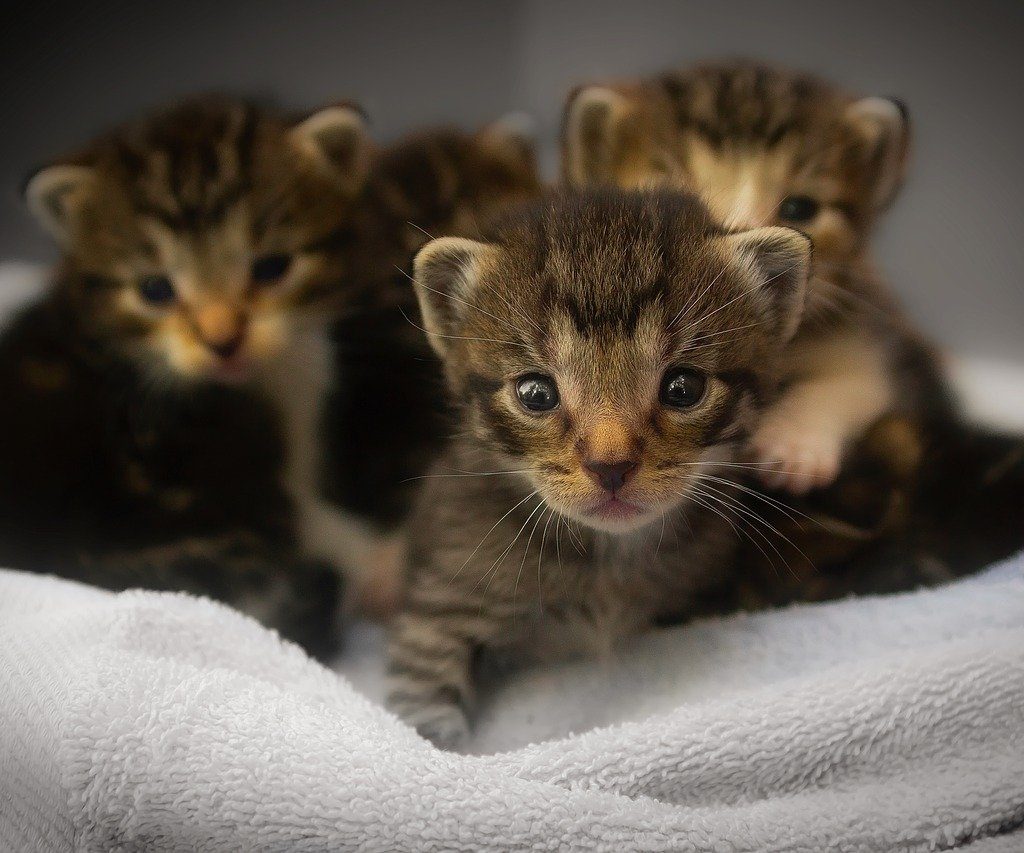
Although discovering a litter of stray kittens may sound exciting, experts say you should use caution before you collect the litter and celebrate becoming a kitten parent. Mama Cat most likely hasn’t abandoned her litter. In fact, she’s probably out looking for food. If the kittens are in a safe location, you should look for any signs of danger or neglect before taking action. If the kittens appear malnourished, or they’re in a high-traffic area or vulnerable to predators, ensure you’re equipped to care for them before taking the kittens in. However, if the kittens appear to be in good health, professionals say you should leave them be for 4 to 6 hours, giving the mother cat time to return to her kittens.
Don’t separate mom and kittens too early
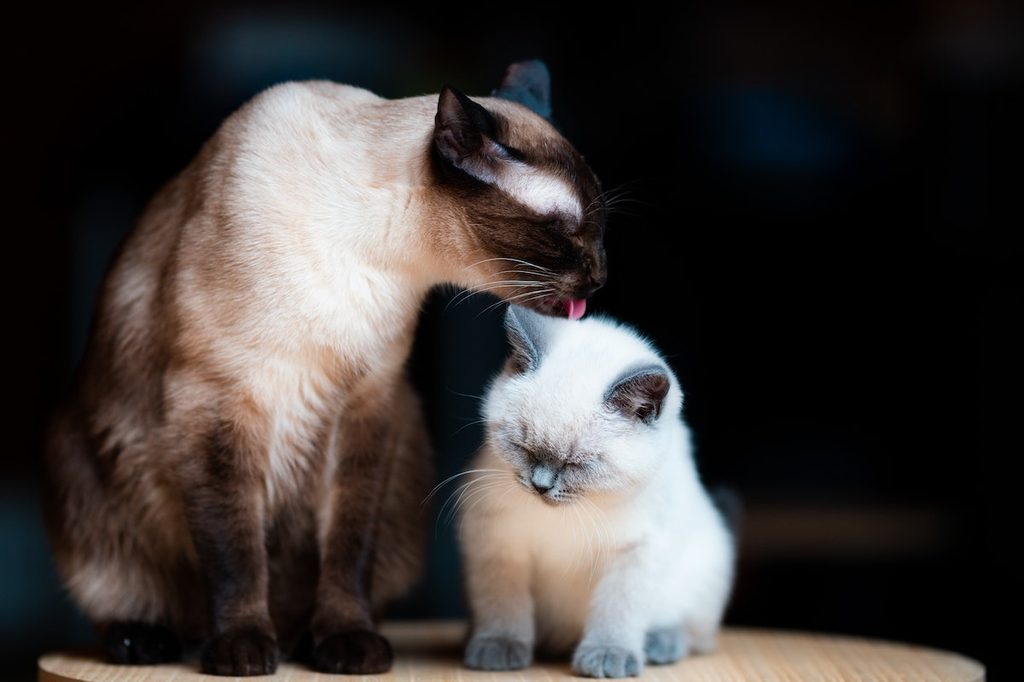
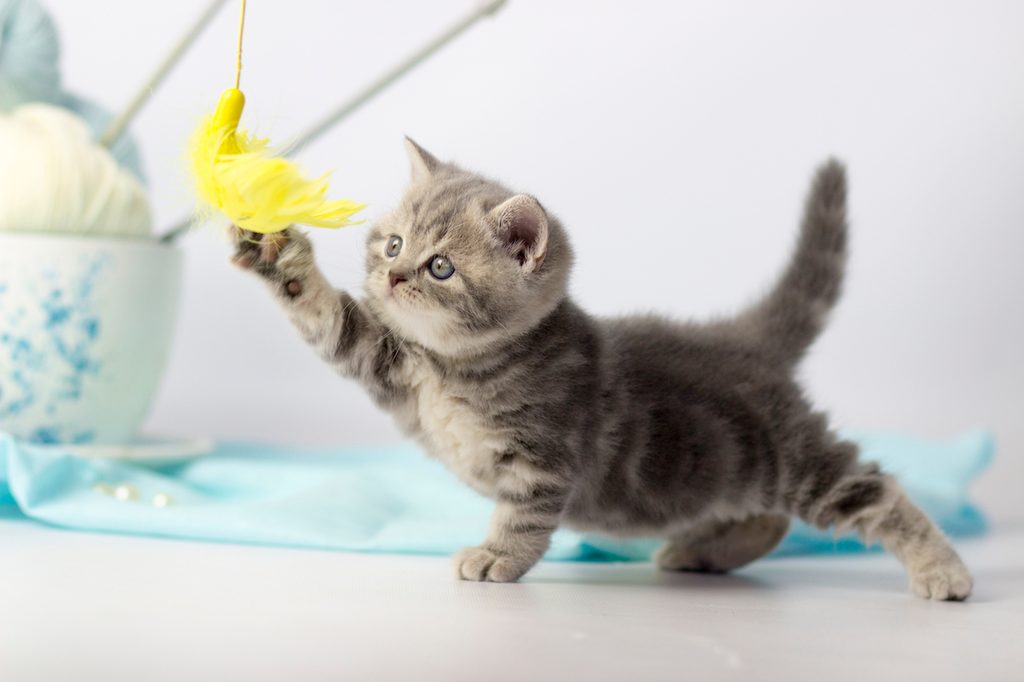
Few things in life are more adorable than watching a mother cat play with and cuddle her kittens. You want what’s best for your cat and her babies, so make sure not to separate them too early. Not only are kittens who remain with their mother longer healthier than kittens who are separated too early, but they’re also much less likely to have behavioral problems later in life.