Adopting a new kitten is an exciting — and sometimes stressful — event. While seasoned pet parents usually know what they can expect from their new fur baby, first-timers may be confused by the stages of a kitten’s development. If you’ve recently adopted a young kitten, you probably have a lot of questions you need answered. When should her eyes open? What should I feed her? When will she start walking? While we can’t answer every single question, we can tell you when kittens start walking and how you can prepare your home for a newly mobile pet.

When do kittens start walking?
The third week of a kitten’s life is one of the most fascinating. When your kitten reaches that age, her deciduous teeth begin to come in, though they won’t fully erupt until she’s around eight weeks old. The majority of kittens also begin to walk at around three weeks of age. Your kitten won’t be very coordinated at first, but that’s part of what makes watching her take her first steps so adorable.
How long does it take for a kitten to learn to walk?
Just like human children, young kittens need time to gain a sense of balance and coordination. With non-furry babies, walking could begin as early as nine months, though some babies may take up to 18 months before they take their first steps. However, your fur baby’s onset of walking is a little more predictable. Once they take their first clumsy steps, kittens need an average of about a week to develop their coordination. Your kitten should be walking and playing with ease by the time she’s only four weeks old.
Keep your kitten confined at first
Roaming a massive space can be intimidating for a little kitten. Some kittens are bold explorers from the moment they’re able to walk, but others are shy and prone to staying where they feel safe. We recommend keeping kittens confined to a single room for the first few weeks after they begin walking, especially if you have active children or other pets in your home. Not only does confinement keep your kitten safe, but it also makes it easier to litter train her and prevent accidents in your home. Before turning your fur baby loose, you’ll want to kitten-proof your home. Here’s what you need to know.

How to kitten-proof your home once a kitten starts walking
With their razor-sharp claws, needle-like teeth, and endlessly inquisitive nature, kittens can easily find themselves in a precarious position if your home hasn’t been kitten-proofed. Fortunately, there are a few easy fixes that will make your home safer for a curious little kitten.
1. Give them something to climb
Kittens are insatiably curious about their environment, and they tend to feel safest when they can climb to a high perch and oversee their domain. Curtains, tablecloths, and even furniture are perfect for climbing. But your nosy fur baby will be much less likely to climb things she shouldn’t if she has a cat tree of her own. In addition to giving your kitten a safe perch, most cat trees come with scratching posts, which will help file her raptor-like talons into more-manageable claws.
2. Make sure your electronics are put away
From phone chargers to cable wires, kittens love anything they can swat around with their paws, pounce on, and nibble. If you can’t eliminate wires altogether — or at least move them out of your kitten’s reach — you may want to wrap wires in durable tubing to prevent your pet from chewing them and getting the shock of a lifetime.
3. Eliminate toxic plants and flowers
You may love the way tulips brighten your space and bring a touch of the outdoors inside, but tulips — like many other plants and flowers — are toxic to cats. In fact, tulips can actually be fatal to your kitten if ingested. We recommend printing out a list of toxic plants and flowers (or storing the list on your phone) before you bring home any new plant. Your fur baby will thank you for it.
4. Keep household items put away
Many of our favorite foods can make kittens extremely ill, and some — like chocolate and coffee — have potentially fatal consequences. Keep a list of foods that are toxic to cats on hand, and make sure you don’t leave those items unattended. Similarly, even over-the-counter medications can cause life-threatening reactions.
5. Use cat-friendly products around the home
Because consumption of many brands of cleaning products and insect repellent can kill your kitten, it’s best to switch to a pet-safe variety.
6. Never leave kittens in the garage
Antifreeze is deadly to cats, so you should never allow your kitten to explore the garage or driveway. In fact, it’s best to keep kittens indoors to prevent them from getting into potentially toxic substances.
Kittens are small and sneaky, so you’ll need to take extra precautions when you’re coming and going from the house. The same goes for windows — even if you have screened windows, your kitten can easily claw her way outside.
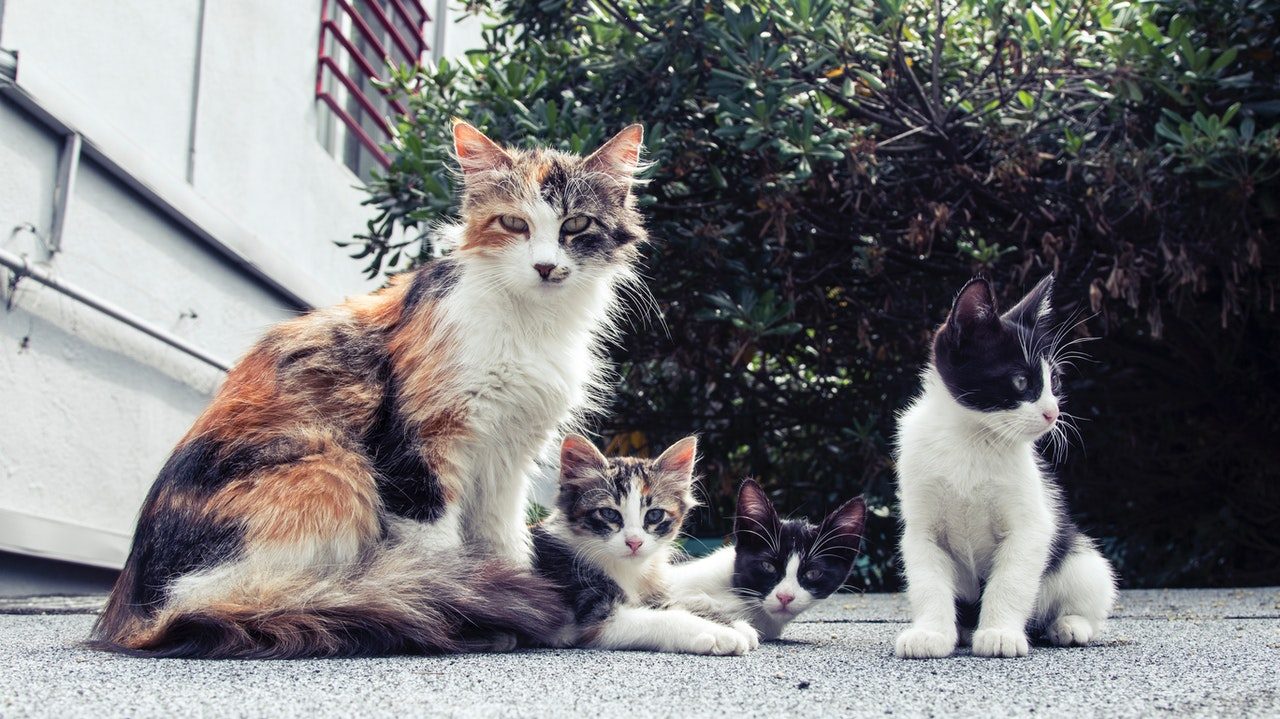
Safety first
Kitten-proofing your home once your fur baby begins walking takes a bit of time and effort, but it’s well worth it to watch her play in a safe environment. If you have young children or other pets in your home, you’ll especially want to keep an eye on your kitten while she explores — at least until everyone in the household gets along peaceably.