When you picture an adorable pet, you probably don’t visualize an iguana. Reptiles aren’t generally considered the cutest of animals, but that doesn’t mean you can’t find a cuddly one. Whether you’re looking for a new buddy for yourself or for your lizard-obsessed kid, there’s a reptilian beast out there that will work great in your home.
With proper socialization, these guys can learn to be handled daily, some even by children. If you want a new pet that enjoys human company, consider one of the most affectionate slitherers — they’re the best reptile pets for handling.
Are reptiles high maintenance?
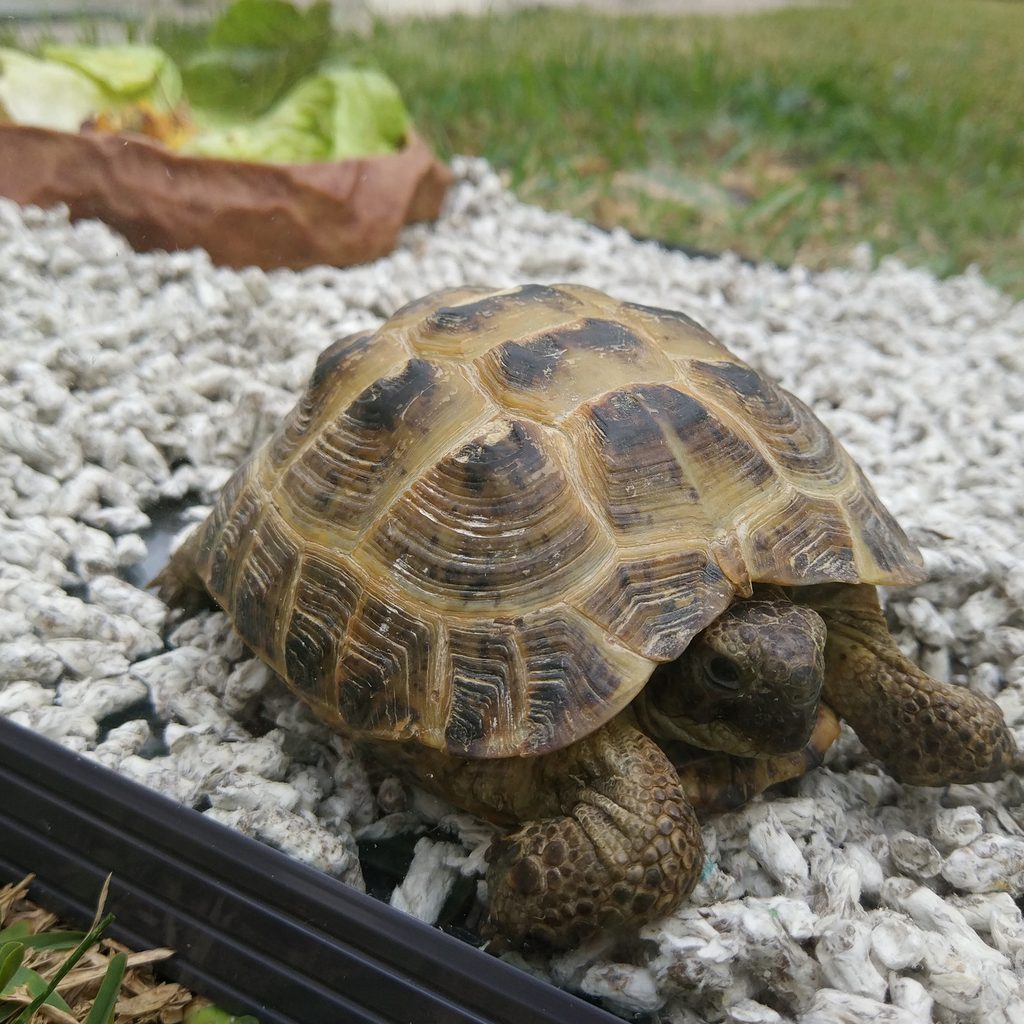
Not necessarily. One of the things that makes reptiles tricky is how foreign some of their needs are. Parrots, dogs, and humans often have similar requirements for food, exercise, warmth, and water. Since we’re warm-blooded omnivores (for the most part), it feels natural to care for many of the animals we welcome into our homes.
Reptiles are totally different. You’ll have to think carefully about heating lamps, cool spots, gut loading, moisture levels, and skin shedding. So you only want to go down this path if you feel ready. That being said, with the right mindset, many lizards, snakes, and turtles make solid beginner pets (a few species don’t, and we suggest holding off on those until you turn pro).
Are reptiles good pets for beginners?
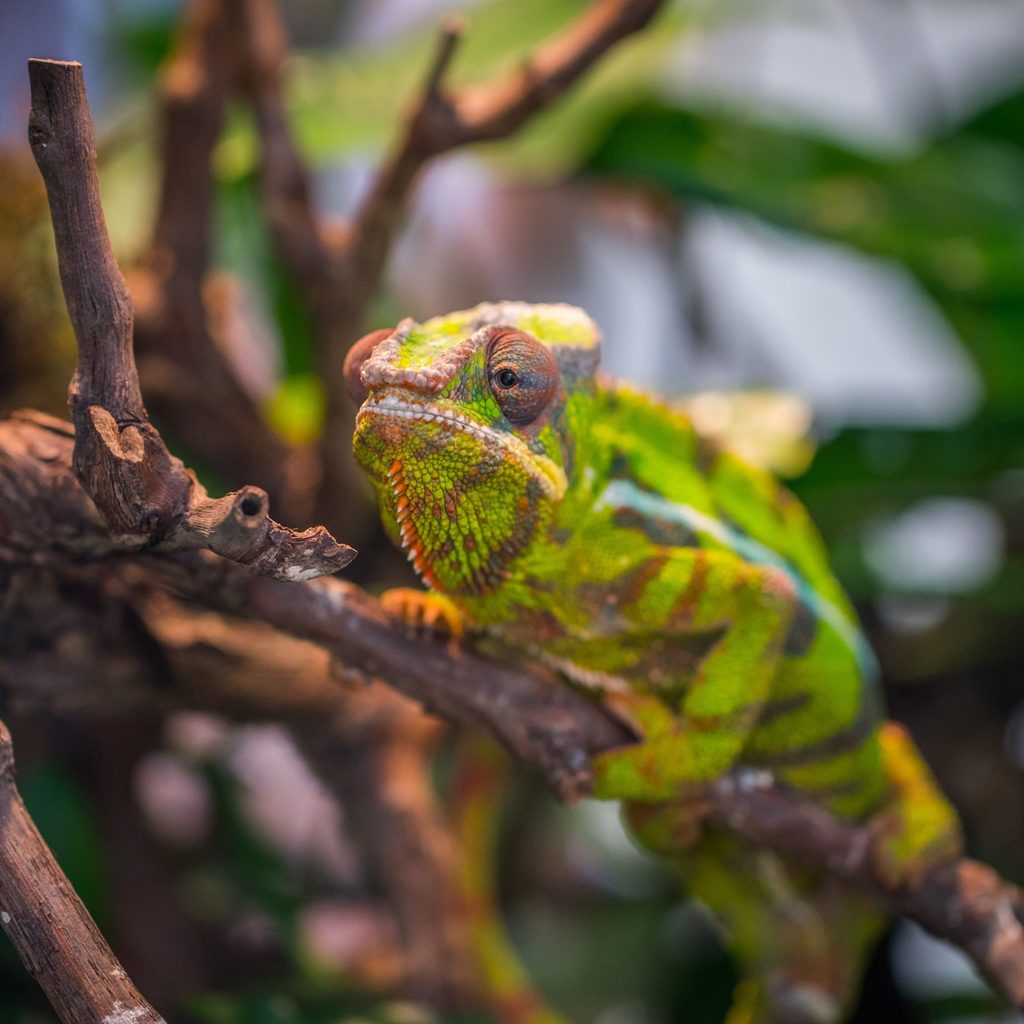
One great thing about reptiles is that they rarely trigger allergies in even the most sensitive. They’re also generally quiet and some can be quite low maintenance. The ones you should avoid include chameleons, pythons, and Komodo dragons. On the flip side, some of these will definitely work for first-timers, especially because they don’t need walks or daily grooming like some pets.
Before you sign up for a cold-blooded companion, do think through their common needs such as heating, cooling, live food, and shedding (skin, not fur). Decide up front what you want to deal with and what’s off the table. Perhaps you don’t mind keeping crickets alive but you don’t want to maintain a complicated mister. Regardless, you’ll certainly find the right reptile if you do your research.
Do reptile pets love their owners?
Don’t take the thick skin at face value: You absolutely can bond with your reptilian pet. It might take a little extra time and effort because they don’t have as much breeding or socialization as dogs and cats. There are a few key steps you need to follow for the best results:
- Adopt your animal young. You want to bond as early as possible. Remember, unlike most mammals, reptiles often aren’t raised by parents, which means the adoption timeline is different.
- Use food as a motivator. This should ring true for every pet parent the world over. You’ll get to your scaly beast’s heart with snacks, just as you would a dog (or maybe even a human).
- Get used to each other. Many pets take to a particular person, and these guys are no different. Seeing you every day will eventually sink in, but that doesn’t mean your snake will like every two-legger who walks in.
These are the best reptile pets for an affectionate home
No type of pet will work well for everyone, and you’ll be surprised how individual these animals can be, but we can give a few recs that will likely fit right into your family.
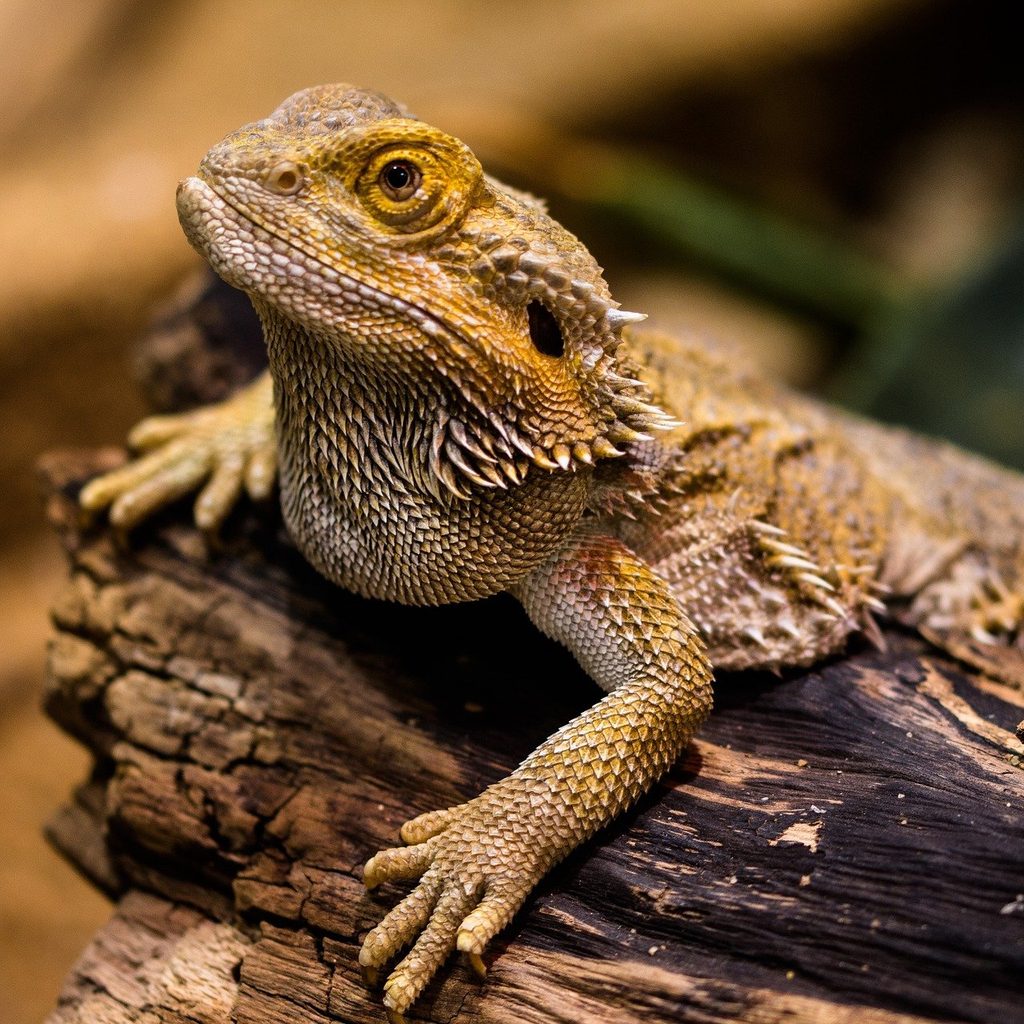
Bearded dragon
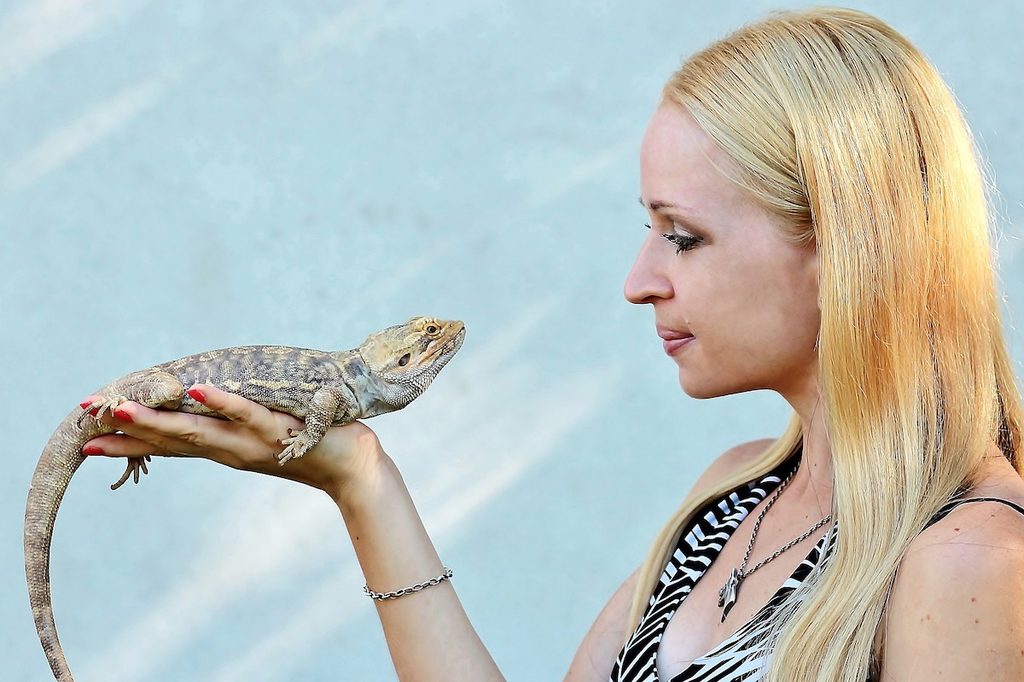
Typically known for being friendly and even enjoying being handled, bearded dragons can become close companions with their humans. As they get to know you, they’ll often learn to climb on your body and even ride around on your shoulders.
Bearded dragons can grow up to 24 inches long and live for nearly 15 years. These friendly lizards are most active during the day, and they eat a diet of vegetables, plants, insects, and fruits. They are relatively easy to care for and train, and they are ideal for first-time reptile owners. Bearded dragons are not nocturnal, making them great pets to have around for daytime enjoyment.
Leopard gecko
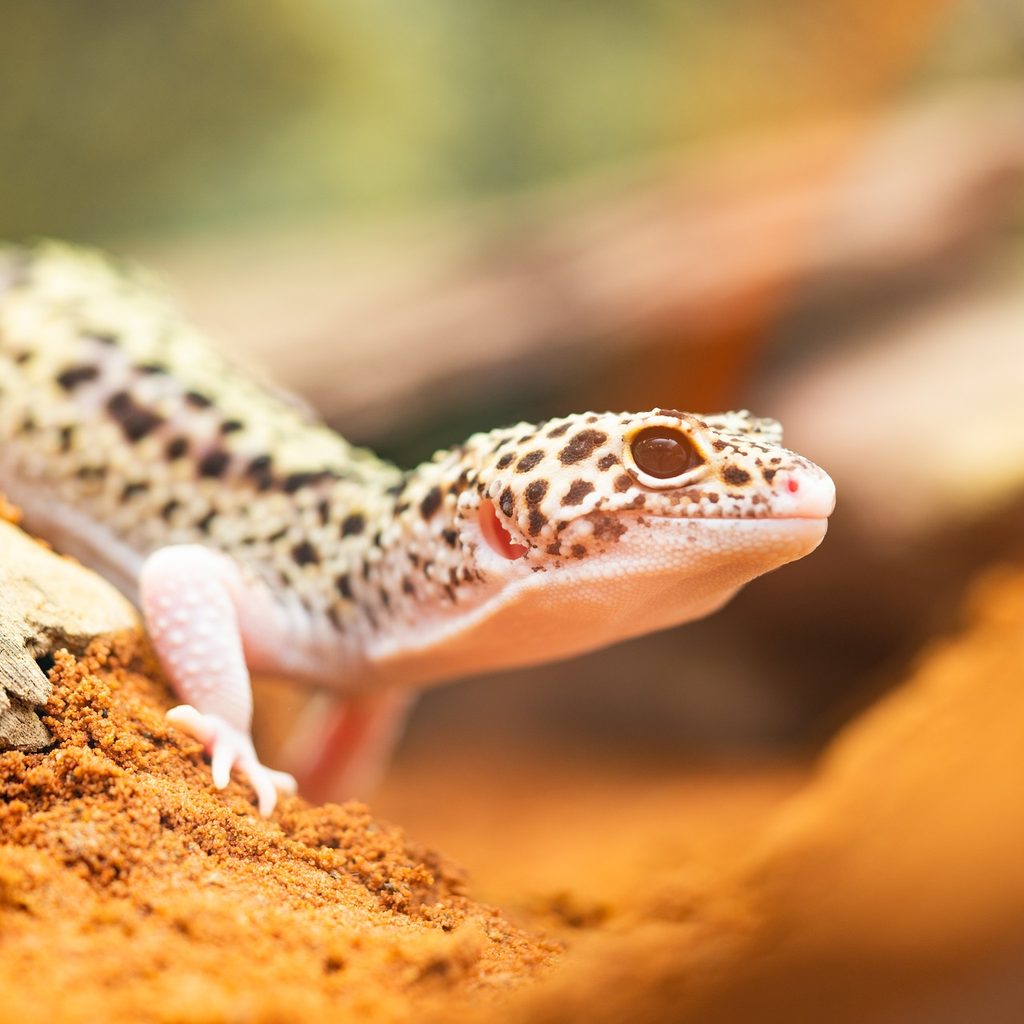
Leopard geckos are known for having a calm nature, which makes them easy to handle. Their small size, ranging from 7 to 10 inches long, adds to their manageability, and many will happily climb all over their owners. They typically live between six and 10 years in captivity.
Like other gecko breeds, leopard geckos can lose their tails if they’re injured and grow them back. They’re relatively simple pets and often do well in a 10-gallon aquarium. Females of the same size can be housed together, and because leopard geckos don’t have sticky feet, they can’t climb the sides of the tank.
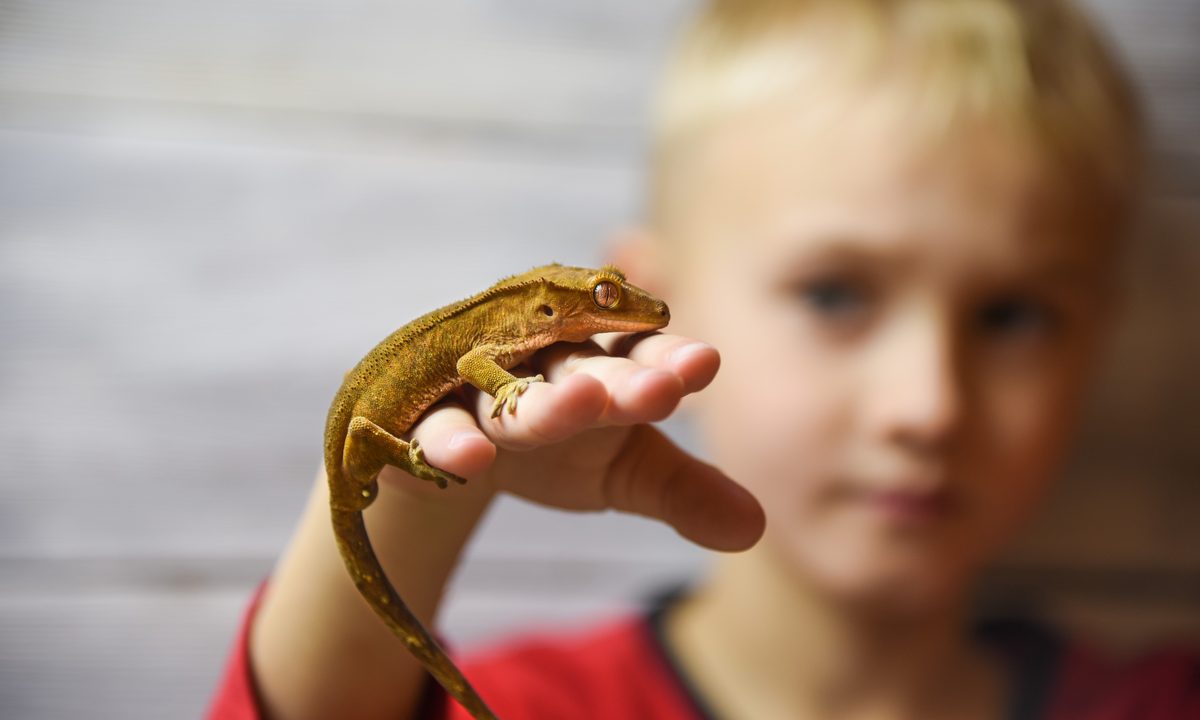
These small pets are a good choice for first-time owners, making them one of the best reptile pets. Kids can handle them as long as someone supervises the children and warns them of the potential to harm the gecko’s tail.
Argentine black and white tegu
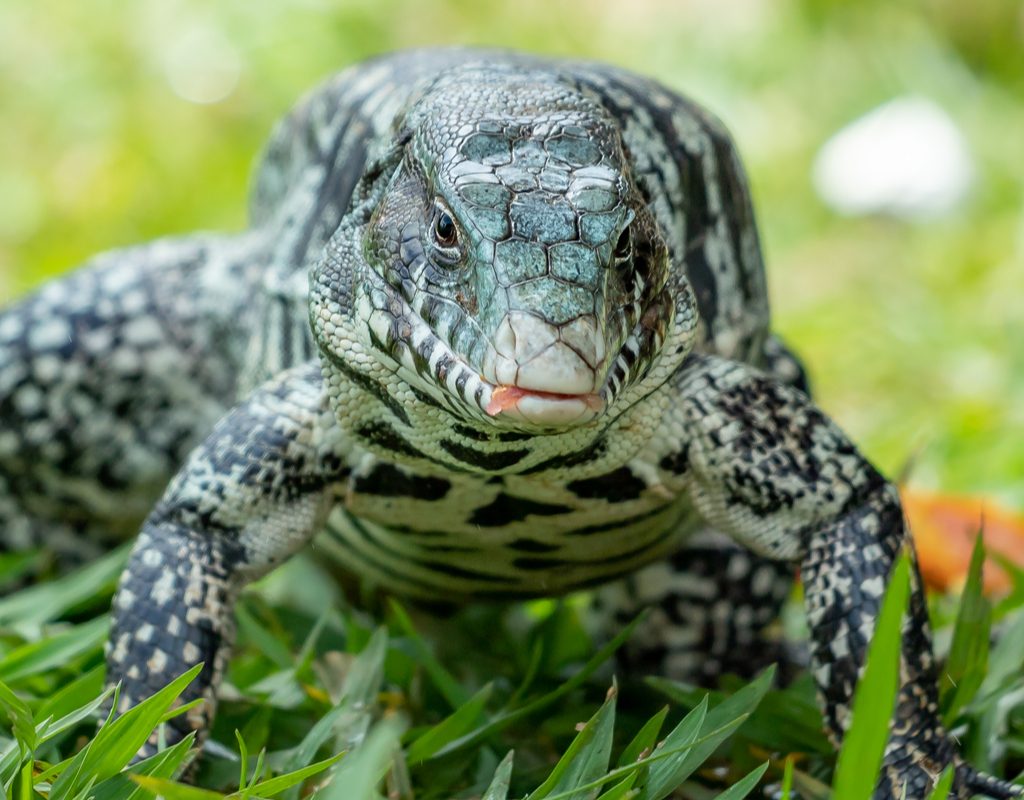
Sometimes called the giant tegu, this lizard can be an excellent pet. With proper socialization, tegus are friendly and social, and they can even be housebroken. Adults tend to be highly docile, and these lizards are smart, too. Keep in mind that if your tegu isn’t socialized, it can show aggressive behavior, so this is a pet to take on only if your schedule allows you to handle it regularly.
Tegus are larger lizards, and they’ll require a cage measuring at least 6 feet long. These reptiles can live for 15 to 20 years and can grow to be up to 3 feet long. They have powerful tails, which are used as weapons in a fight. They eat a diet of meat, vegetables, and fruits, and because of their size, they require significantly more food than a group of smaller reptiles with a shorter life span.
A tegu can be a great pet for a family with older children who are carefully supervised when handling the lizard. This big lizard will do best with frequent socialization and interaction. These needs, paired with its increased care requirements, make it suitable only for an owner who is dedicated to the time and financial investment this pet will require.
Chinese water dragon
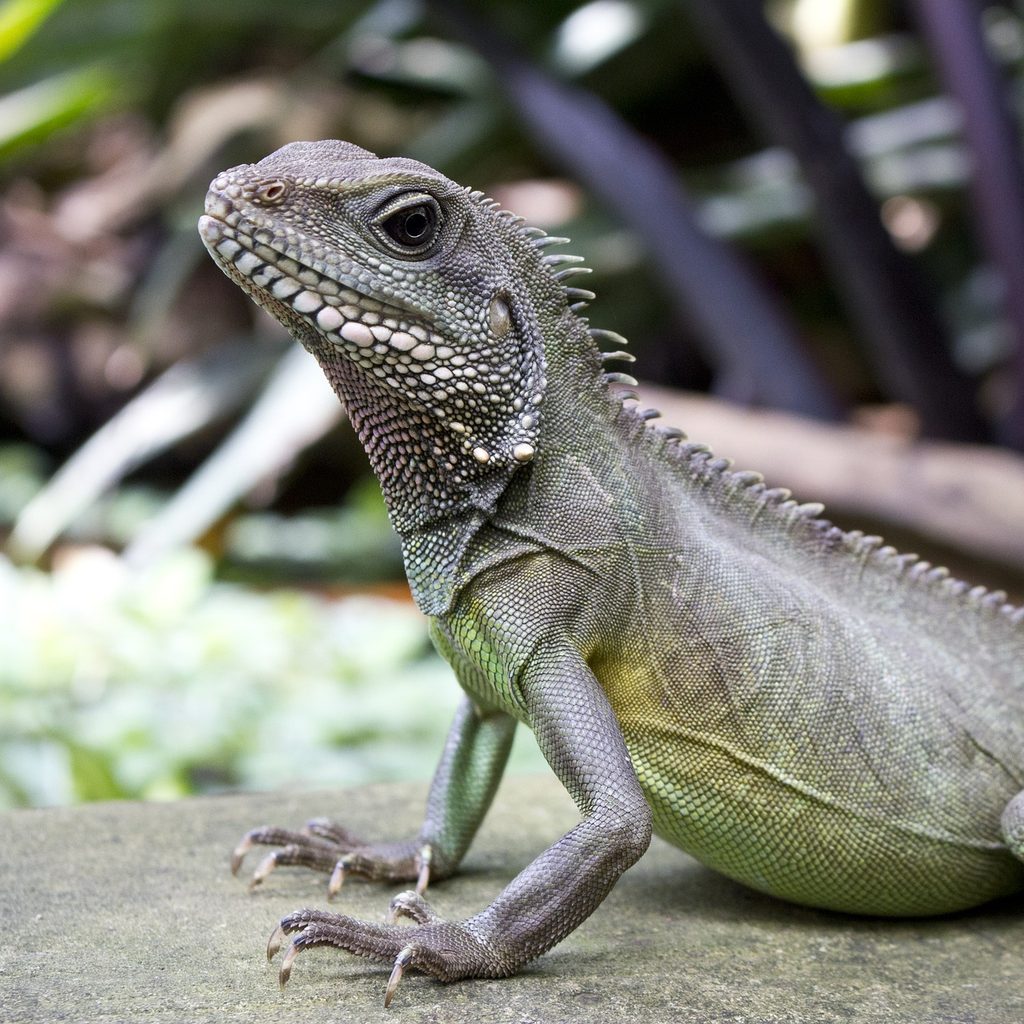
Chinese water dragons are typically easy to tame, and they can be social and laid-back. They’re a friendlier alternative to the iguana, and when fully grown, measure between two and three feet long. They also have a 10- to 15-year life expectancy, making them a great option for a reptile fan who can commit long-term to a pet’s care.
While Chinese water dragons may be friendly, they aren’t ideal for first-time reptile owners. They have complex care needs, including a minimum 6-foot-tall enclosure, UVB lighting, a precise temperature and humidity range, and a diet that includes some live foods, like crickets and mealworms. Chinese water dragons do best when housed alone, since same-sex adults may fight. As a result, they’re perfect for avid, experienced reptile owners who have plenty of space and time to dedicate to their care.
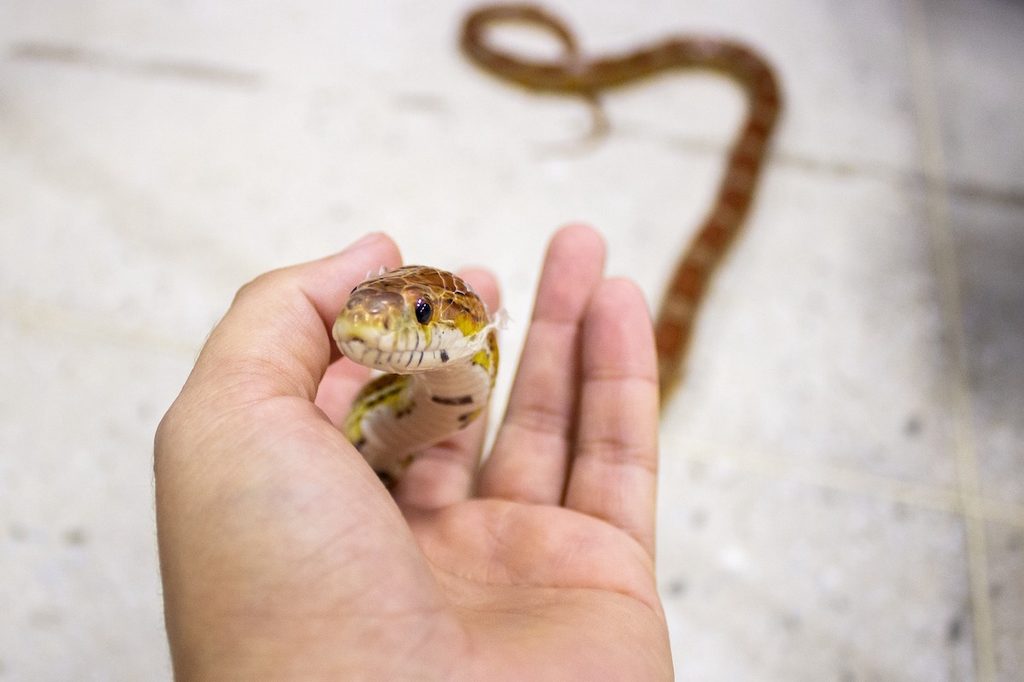
Corn snake
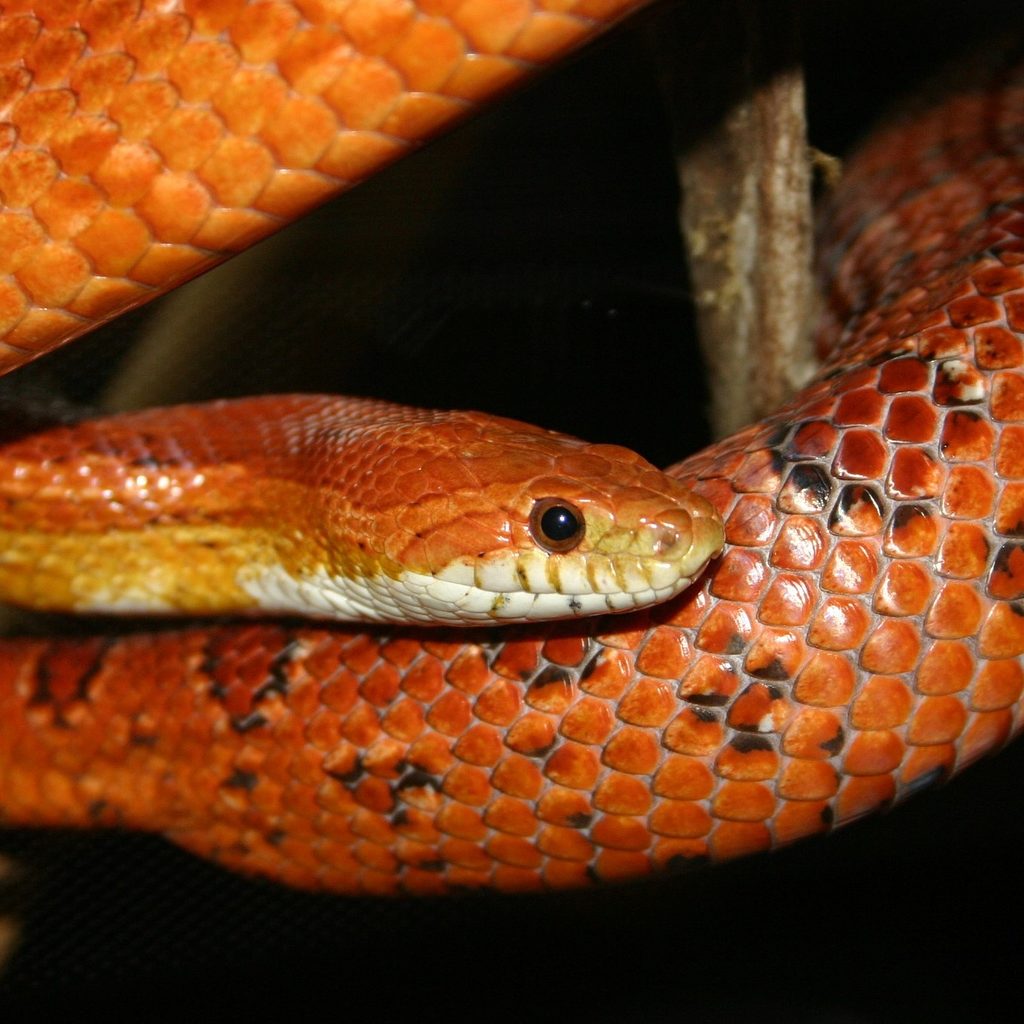
Corn snakes are ideal for new pet owners, thanks to their docile and friendly nature. These snakes grow to be large enough to be handled regularly, even by kids, but because they don’t get over 6 feet long, they won’t overwhelm new snake owners. Their gorgeous colors and availability at most pet shops make them popular, too.
Corn snakes are also relatively easy to care for. Smaller snakes do well in a 20-gallon aquarium, and they can live into their 20s. These snakes don’t require any special lighting, and their diet consists mainly of mice.
Your pet corn snake may be nervous about being approached at first, but careful, quiet, and frequent handling can help them learn to be touched without protest. They’re a good choice for older children who want a snake, or for entire families who want to get their first reptile.
Choosing the right reptile
When choosing the right reptile for your home, do some thorough research into the care requirements. Remember that even if you choose one of these most affectionate reptiles, you’ll still need to socialize your pet so that it learns to be friendly toward people. Reptiles can have very specific care needs when it comes to diet, habitat, and even the temperature and humidity of their enclosure, so be prepared to meet these before you bring home a new pet.