You probably learned in 3rd grade what an amphibian is: an animal that lives both in the water and on land; the name even has the Greek word for “both,” “amphi,” in it. But as with all things, it’s actually a little more complicated than the explanation we got in elementary school. Of course, lots of animals would fit this description that definitely are not amphibians. After all, otters and penguins live on water and land, but they certainly don’t qualify. It’s especially tricky to distinguish between reptiles and amphibians since they share so many characteristics in common. So how do we tell them apart? Are turtles really reptiles or amphibians? This is how it all works.
What makes reptiles and amphibians special?
Like humans, fish, and birds, reptiles and amphibians are both vertebrates. This means we all have backbones, unlike bugs or jellyfish. Most birds and mammals live on land; fish spend the majority of their lives in water. But the other groups are special because they get a little of each (we’ll break that down in a minute). Additionally, these guys are cold-blooded while humans are warm-blooded. That means we make our own heat and need sweaters and blankets to trap it on or sweat to cool it off. Reptiles absorb heat from their environments, so you typically see them choosing to live in warmer climates and hibernating in winter. However, there are a few key differences between reptiles and amphibians.
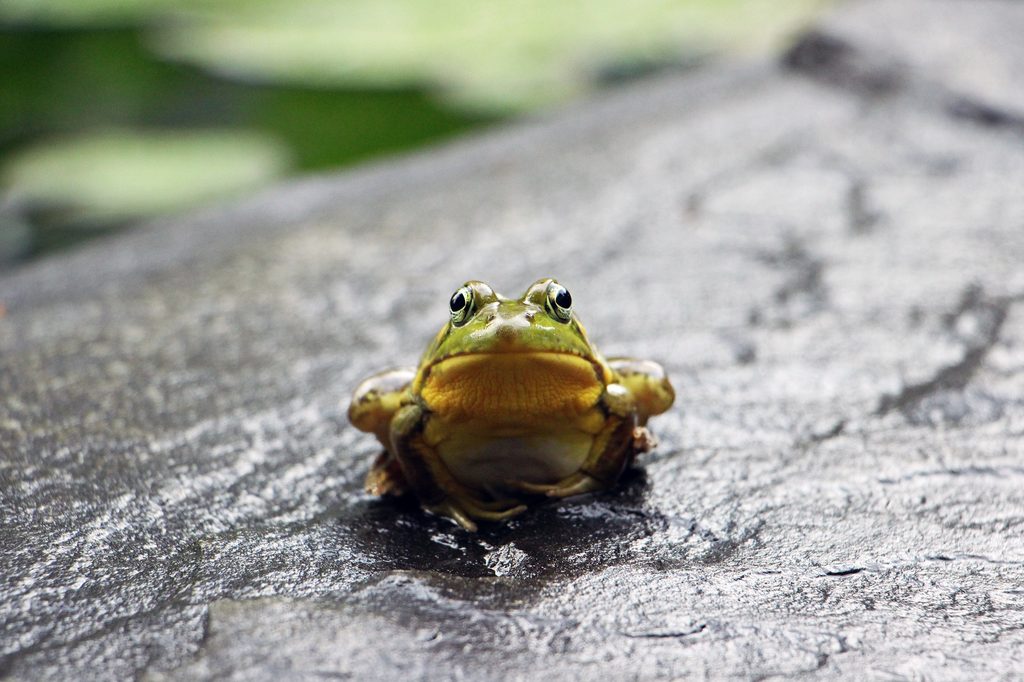
What is an amphibian?
While “amphibian” absolutely means a creature that lives both in water and on land, this is actually referring to its separate stages of life more than the fact that an adult amphibian can hang out in either environment. Remember that you can go swimming, too, but that doesn’t make you a frog. However, toads, frogs, and salamanders all lay soft-shelled eggs in water and then the babies hatch and remain there for the first part of life. That’s why little tadpoles live exclusively in water and even breathe down there. On the other hand, upon reaching maturity, they emerge and breathe air (even aquatic frogs come to the surface to gulp oxygen). Reptiles can live in water, too, but it’s a bit different.
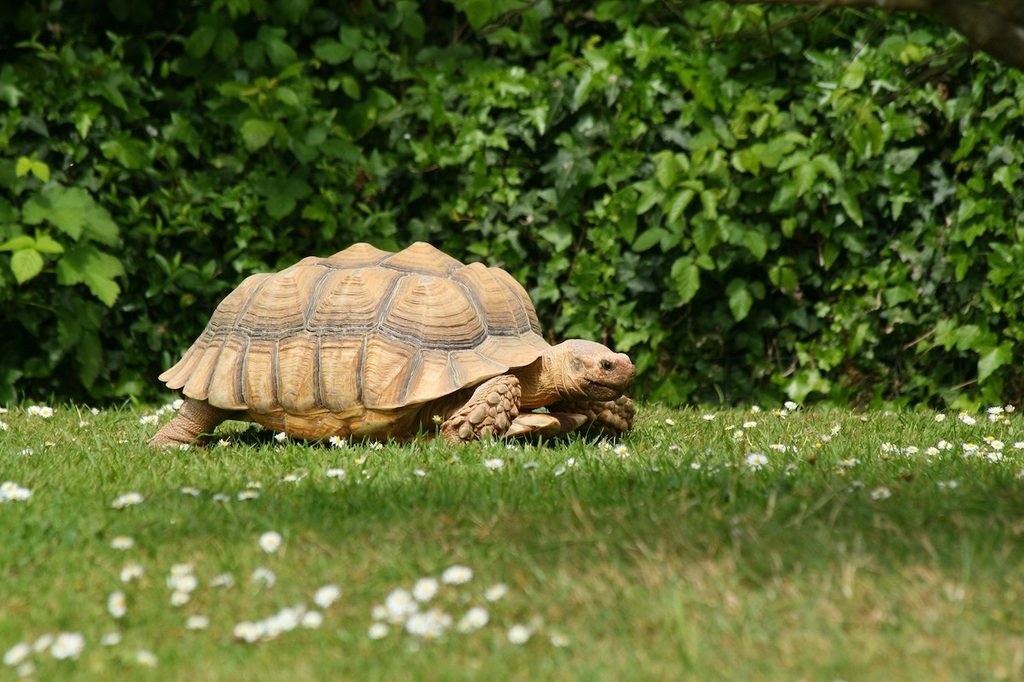
What is a reptile?
Unlike the amphibian, reptiles mostly lay their eggs on land and the babies hatch there. Some little guys immediately make a break for the ocean and spend almost their whole life in it, but there’s a big difference that separates these friends from their amphibian cousins — they never breathe underwater. Instead, they always have to get oxygen from air, just as humans do. Because they (typically) spend more time on land and only breathe through their lungs, they also have scaly skin in contrast to the slick and slimy outsides you think of with a frog. Reptiles include crocodiles, snakes, and lizards, but what about turtles?
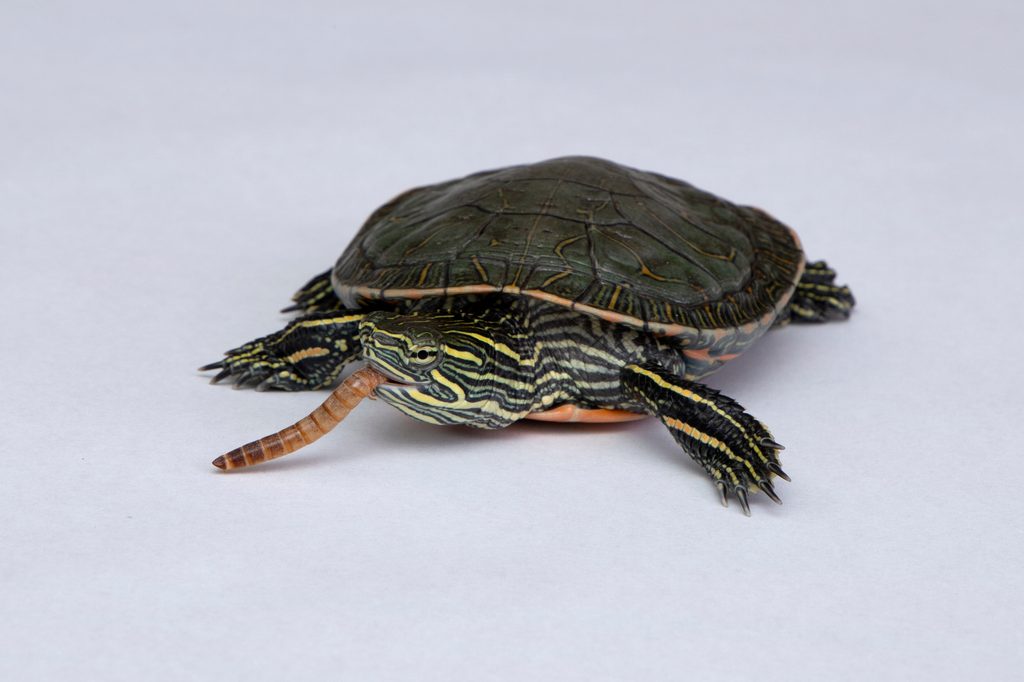
Are turtles reptiles or amphibians?
So are turtles really reptiles then or are they amphibians? Well, they (almost always) lay eggs on land and don’t have a larval stage (there are no turtle tadpoles out there). Instead, the babies pop out of the egg — on land — as a mini-turtle and then make their way to their home. Some of these animals live in the ocean (more on those guys later) but they also inhabit streams, rivers, lakes, and all other kinds of bodies of water. In truth, turtles live on every continent except Antarctica and there are more than 300 species. They all get the designation of reptile.

Are sea turtles reptiles?
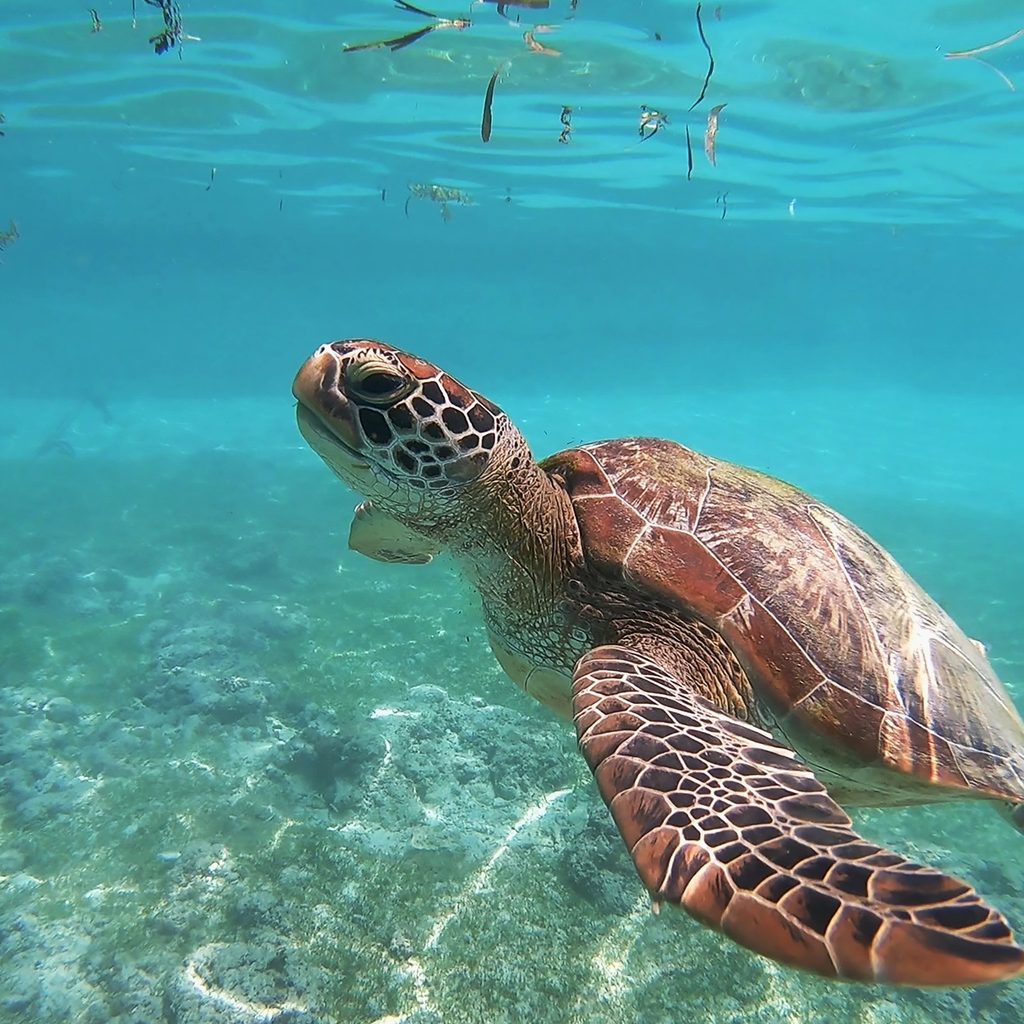
Like their river-dwelling brothers, sea turtles are reptiles too, even though they spend essentially their entire lives in the water. The exceptions are when they come out to the beach to lay eggs and when they first hatch. Sea turtles have been around for millions of years and lived with the dinosaurs, but survived the dinosaurs’ extinction 65 million years ago specifically because of their slow metabolisms. Yup, the fact that turtles are reptiles, and therefore cold-blooded and live in water, is why we still have them.
Being a reptile helped turtles greatly in the past, but they’re facing some really big challenges today. Almost all sea turtles are now endangered because of habitat loss, climate change, and hunting. If they’re going to make it through the next few hundred years, we need to work to help them get through. The best thing you can do, besides spreading the word, is buy sustainable goods, especially fish and other seafood. By guaranteeing that you don’t harm sea turtles with your purchases, you help keep this reptile around for hopefully many more millions of years.