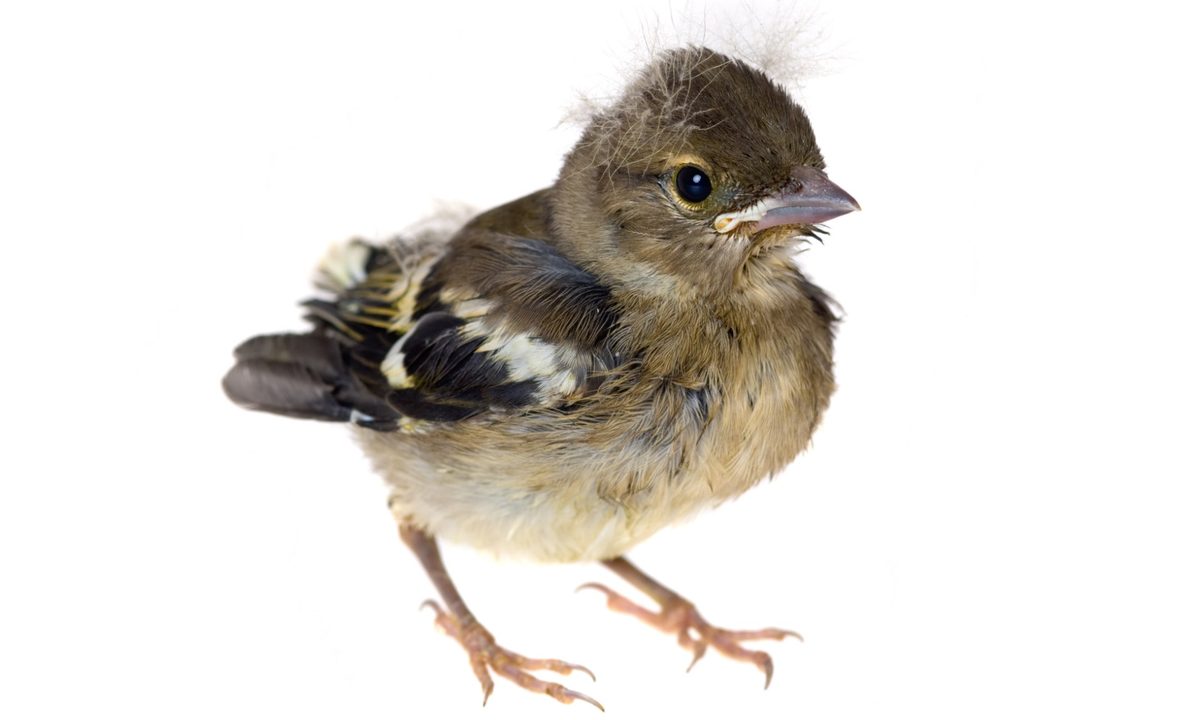
Feeding a baby bird is nothing like feeding a baby human. Since birds aren't mammals, they don't drink or produce milk (and you should never give that to an adult or baby avian). Instead, mama birds chew their food into tiny pieces and spit it into squalling infant mouths. That can make it harder to figure out what to feed a baby bird if you find one in your care.
Because baby birds are dependent on their parents not only for food but also for instructions on how to be a bird, it's best for the little one to stay with its parents. So, if you find a baby bird on the ground, try to bring it back to the nest rather than looking after it yourself. If you cannot return the bird to its nest, contact a rehabilitation center that can take care of it.
Sometimes you might have to jump in though, when raising domestic birds for example. Then it’s important to know how and what to feed baby birds — and sometimes, even learn how to make DIY baby bird food.

Consult the experts if you think a baby bird isn’t being fed
If you spot a baby bird that seems to be neglected, wait for an hour or two to see if its parents return to provide food again. Note that the mother bird only needs a few seconds to feed her baby, so inattentive observers could miss several feeding cycles.
If the parents are around, you can be sure that the baby has its needs met, and there is no unnecessary intervention, assuming the baby bird does not appear injured or sick. However, if you can confirm that it's orphaned or the nest has been abandoned, there are a few things you should do.
Step 1: The first step should be to find a licensed rehabilitator to provide, or guide you through, the appropriate care.
Step 2: Very rarely, you may be tasked with helping the baby bird even just until someone can come pick it up. In these circumstances you'll need to offer something similar to its natural diet. While each wild bird eats slightly different types of food, a few staples can serve as an emergency ration if necessary.

What to feed a baby bird
In nature, baby birds eat the same things that their parents eat: Worms, insects, fruit, and seeds. But the little ones have very different nutritional needs than adult birds, which is why the moms and dads chew it up first and spit back a meal high in protein.
Foods suitable for baby birds in your home include:
- Boiled eggs
- Moist dog food
- Wet cat food
- Raw liver (without seasoning)
What not to feed a baby bird
Unfortunately, it’s a common misconception that mixing together bread and milk makes for an ideal feed for baby birds. Unlike mammals, birds do not drink milk and their digestive systems won’t tolerate it. Milk can be toxic to birds, so avoid feeding it entirely.
Foods not suitable for baby birds in your home include:
- Water
- Milk
- Bread and bakery products
- Kitchen scraps
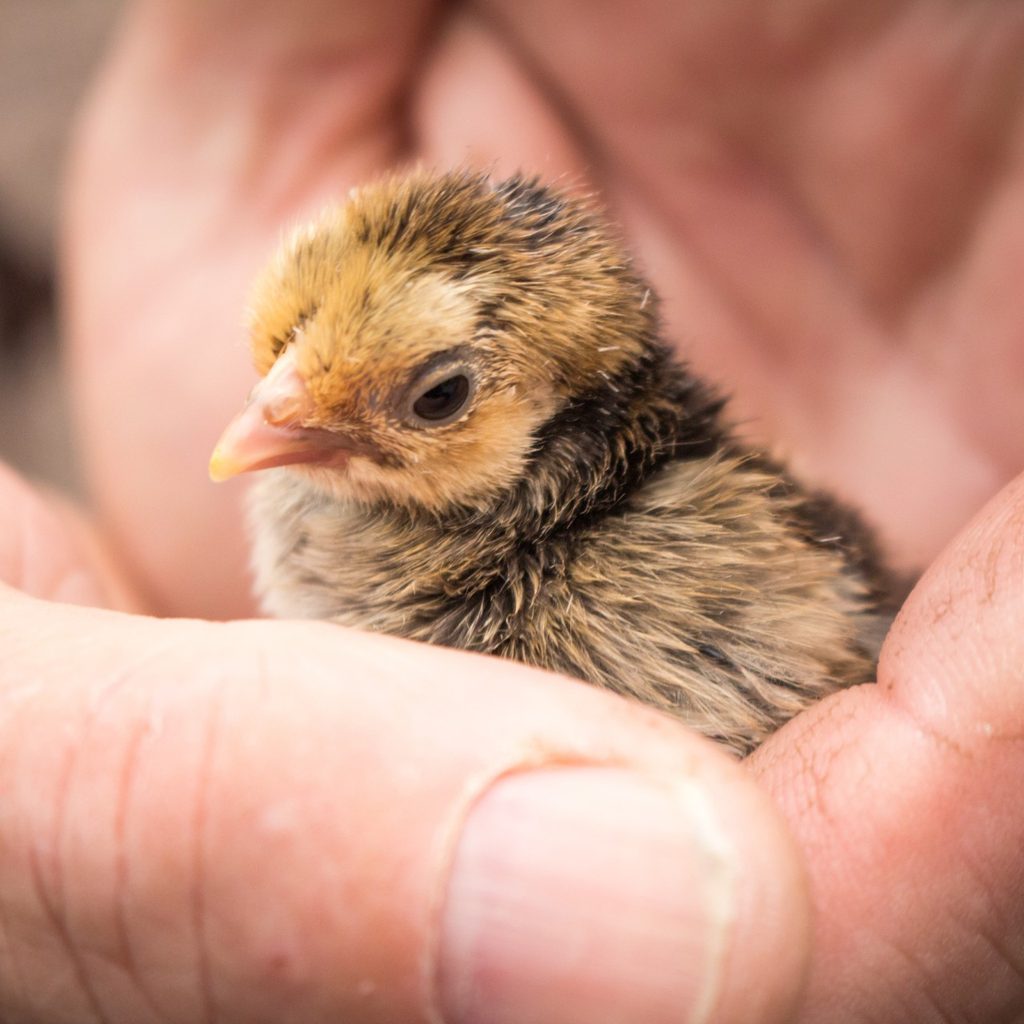
How to make DIY baby bird food
One easy recipe for feeding baby birds involves just two ingredients: pet food and water.
- Soaking dog biscuits or kibble in water will create a mushy consistency that’s easy to take and digest for young birds. This mimics the texture of the food given by mama birds in the wild and is also a high-protein option, which is extra important for nestlings.
- To forgo the mixing and mashing, a canned pet food like the Cesar brand is another great option. You still might want to stir in a tiny bit of water if your bird is particularly young, though.

How to feed a baby bird
Step 1: If you need to feed a wild baby bird, remember to offer foods that have a spongy consistency instead of dripping with water, which can suffocate or drown it. All dry food should be softened first.
Step 2: Food should only be offered at room temperature, never heated or refrigerated.
Step 3: Keep food pieces small and proportional to the size of the bird — tiny birds need tiny bites. Cut or crush food properly to fit the size of the bird.
Step 4: When feeding the bird, be as careful as possible to minimize the risk of additional stress or injury. Never force a bird to eat its food.
How can you tell how old a baby bird is?
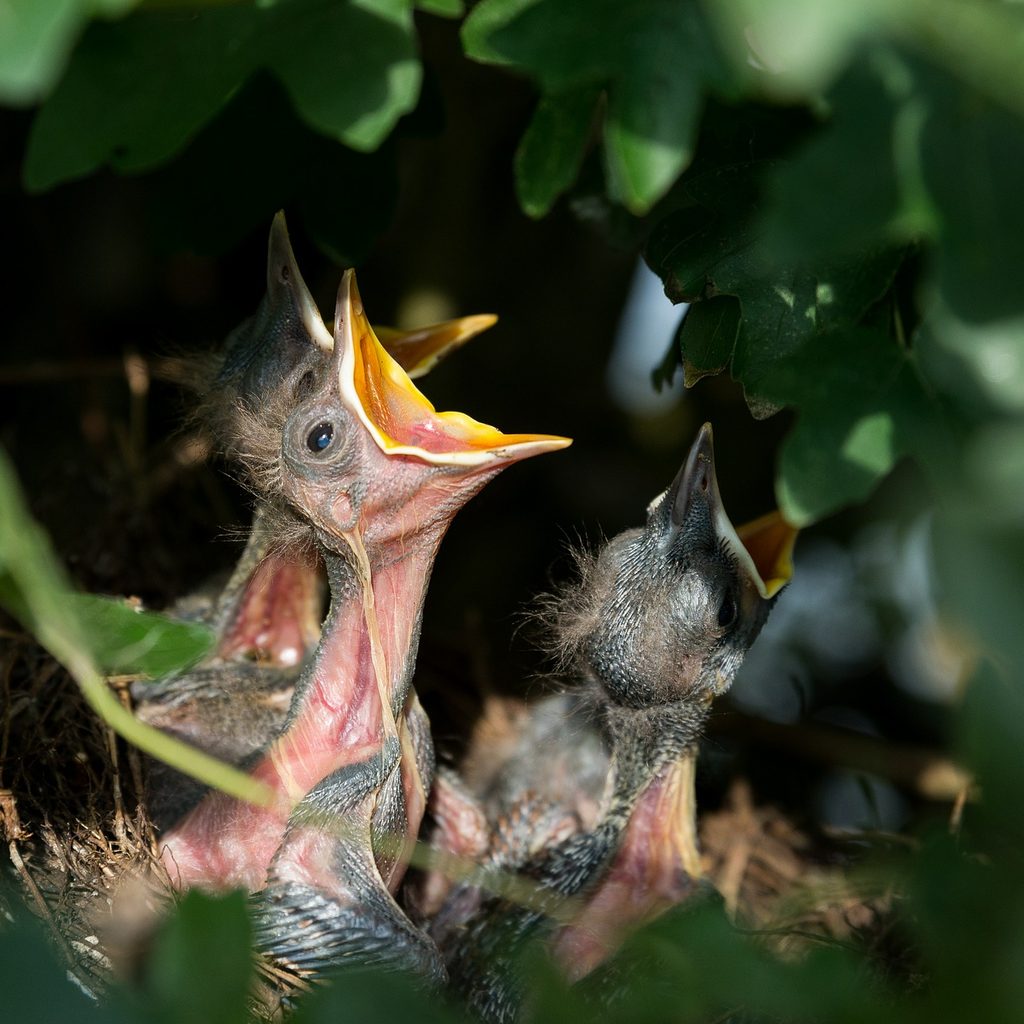
You'll want to adjust your feeding habits depending on the baby bird's age, and that can be tricky to determine. First, look at the feathers and try to figure out if you see down or adult plumage or both. Next, listen to its bird calls — older birds make a stronger sound. Lastly, pay attention to their behavior and movement.
As the bird grows, it'll literally stretch its wings and hop around more. Here too it helps to know what species you have brought in so you can adjust your expectations accordingly. To put it more simply, a sparrow will leave the nest at just 3 weeks old while an eagle might stick around for up to 12 weeks with its parents (and while we're at it, eagles and other protected birds have special rules that you need to know before touching one).

Tips for feeding baby birds
There are a few more things you need to know before you can handle a baby bird successfully. Here are five tips to help you along your care journey.
- Research your avian and try to discover which foods its species prefers to guide your feedings.
- Once the bird grows up a bit (or if you find an older animal), you should offer whole food, like a bug or a seed, with tweezers.
- Always wash your hands before and after feeding, so you don't catch anything or contaminate the meal.
- Keep your new baby bird somewhere safe and quiet in between feedings, away from other pets.
- Look to rehome the little one as soon as possible into the hands of a professional.
Finally, remember that feeding a baby bird should be only an emergency measure. If one is abandoned and needs care, it should be taken by a bird-rescue organization or an experienced rehabilitator as soon as possible. They will both feed baby birds with a diet suitable for its type and also teach it to live independently, avoid predators, and master other skills to return to nature successfully.