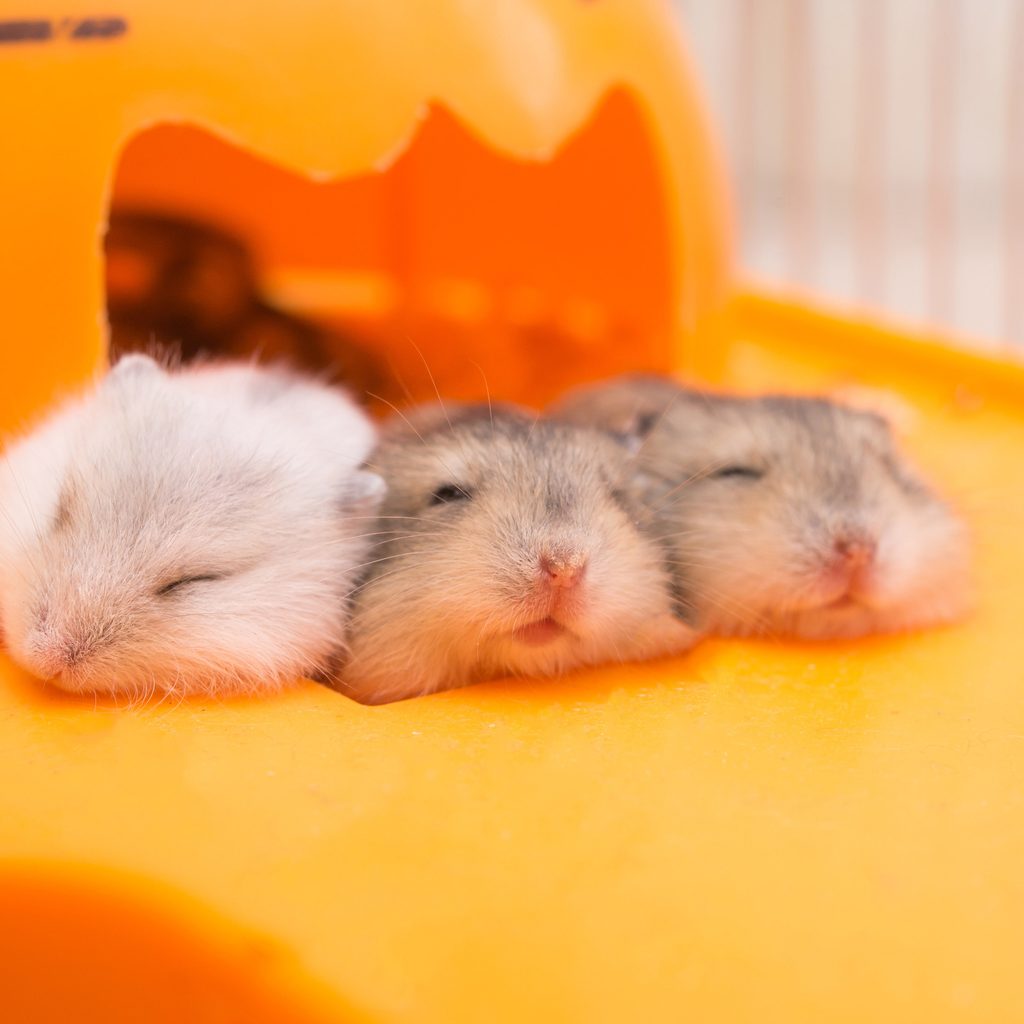
The only thing cuter than our little pets is their even littler babies. As you’d expect, these miniatures take some extra-specialized care since they’re growing and developing. Even if you’re a hamster-rearing pro, you might find yourself a beginner pet parent again when your rodent becomes a parent herself. Figuring out what to do is important, but knowing what not to do is essential. When discovering how to take care of baby hamsters, don’t do these five things.

Don’t assume your hamster’s pregnant
We can all recognize the signs of impending babies in humans, and hamsters show similar signs when expecting. Of course, she’ll gain weight and start nesting, but don’t automatically jump to conclusions. Some medical conditions will mimic pregnancy and can be deadly if left untreated. Check for other signs like changes in behavior and, most importantly, confirm with her vet. Her pregnancy will last two to three weeks (it varies depending on breed), and she’ll need to be alone, safe, and happy during much of this time so she can prep.
Don’t sneak a peek
Your pet will really want to be left on her own to get ready to give birth to your baby hamsters. She knows what to do and interfering too much can cause stress, even if you have a lot of experience or a close bond. Of course, you should field any questions to your vet, but the best thing to do is to butt out. Make sure there’s plenty of material for building her nest and extra food so she stays nice and full — she’s eating for eight after all. Even though the babies will be born blind, they will all want dark for the birth and the first week or so of their lives. Get her a small house or dark tunnel and remove all her other toys.
Don’t make noise
It’s not just a dark place that the babies need; they also want quiet while adjusting to the big new world. If at all possible, put the cage in a separate space leading up to the birth, so Mom and offspring will have a spot to relax and recover. Give their home a good solid cleaning before the move (a week or so in advance of the b-day if you can) since you won’t be able to clean for weeks after. Leave the area dirty and in its new place for two weeks after the birth. You don’t want your smell anywhere in the area.
Don’t touch
Speaking of not passing along your smell, it’s crucial not to touch Mom or babies for the first week or two. You’ll know when the time is right for babies’ first cuddle because the little guys will start moving around on their own and getting fuzzy. This works well for you because they will get irresistibly cute right about the time that you can begin to interact with them. Keep everyone else away, too. Worse than your coming into the cage, another animal, even a hamster, could cause the mother to become territorial. Move the father to a separate room in the house early in the pregnancy.
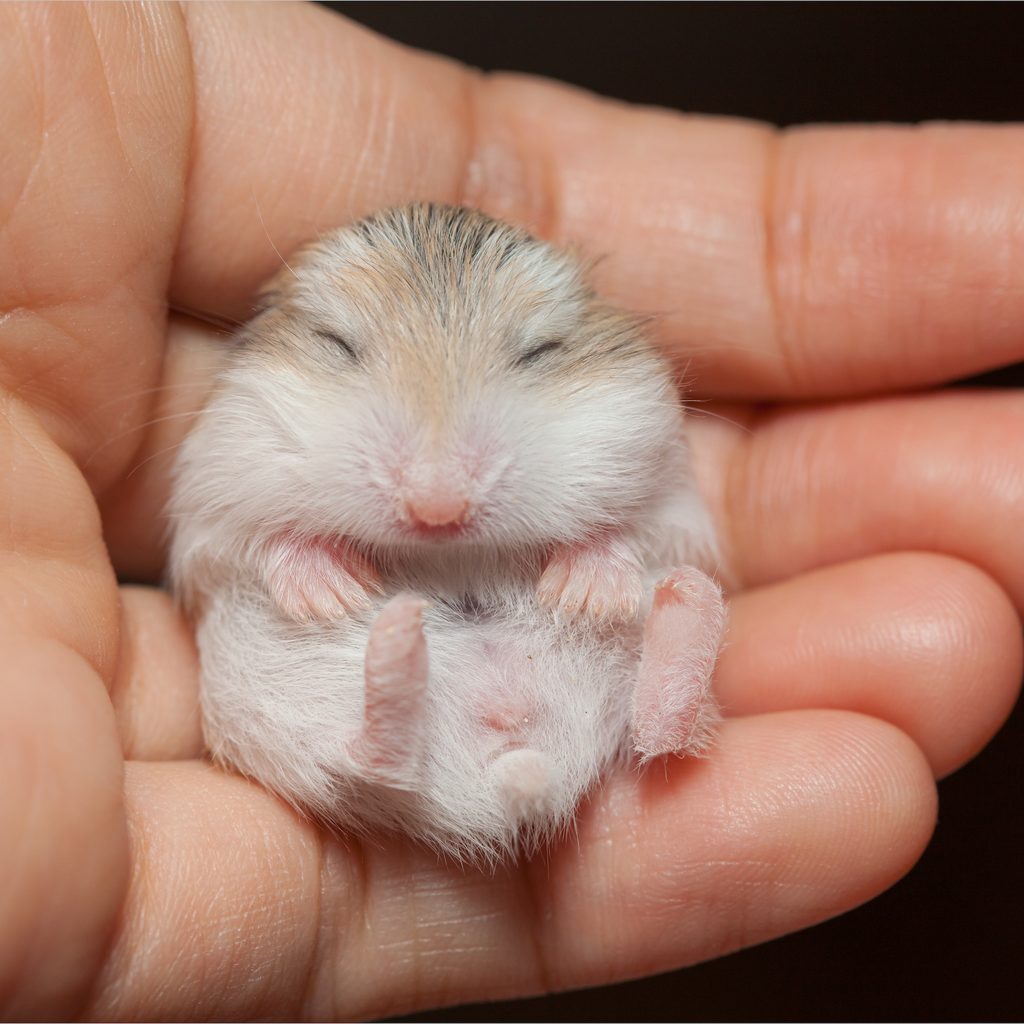
Don’t leave them too long
When you can’t possibly contain your excitement (after about two weeks), go ahead and start playing with them. While hamsters grow quick, they’ll still be little, so take it easy on them. To get your little animals used to humans, you need to start slow and get them comfortable with you step by step. If they don’t spend enough time with people, they might grow up to be afraid around you or their new owners. Find pet parents well in advance for all the babies if you don’t have space yourself and adopt them out at about 4 weeks old. Make sure that when they reach sexual maturity, around 4 to 6 weeks, they move to a cage with no opposite-sex friends, or you will wind up with more hamsters than you can manage.
It seems like a good bit of work (and it is), but you’ll see those sweet bundles of joy and fall instantly in love. While they’re sure to take your heart immediately, hamster moms will, unfortunately, spook over even the smallest things. Sometimes when moms get upset, they eat their babies, so do try to keep an eye out for any stressors and remove them right away. As long as you stay away from these five don’ts, your whole new hamster family will thrive.