Urban chicken coops are trendy and rightfully so. With a group of hens you get fun pets plus eggs — how often does the family dog contribute after all? But you can’t dive in on every Instagram trend, and this one, in particular, requires a pretty big upfront commitment mixed with a reasonable amount of upkeep, especially for beginners who have never owned so much as a parakeet. Just because it seems like a lot to handle, that doesn’t mean you aren’t cut out for poultry farming; many find it fun and rewarding. Before jumping into backyard chickens, think through these six things and determine if a flock of birds is really the right fit for you.
Look up local laws
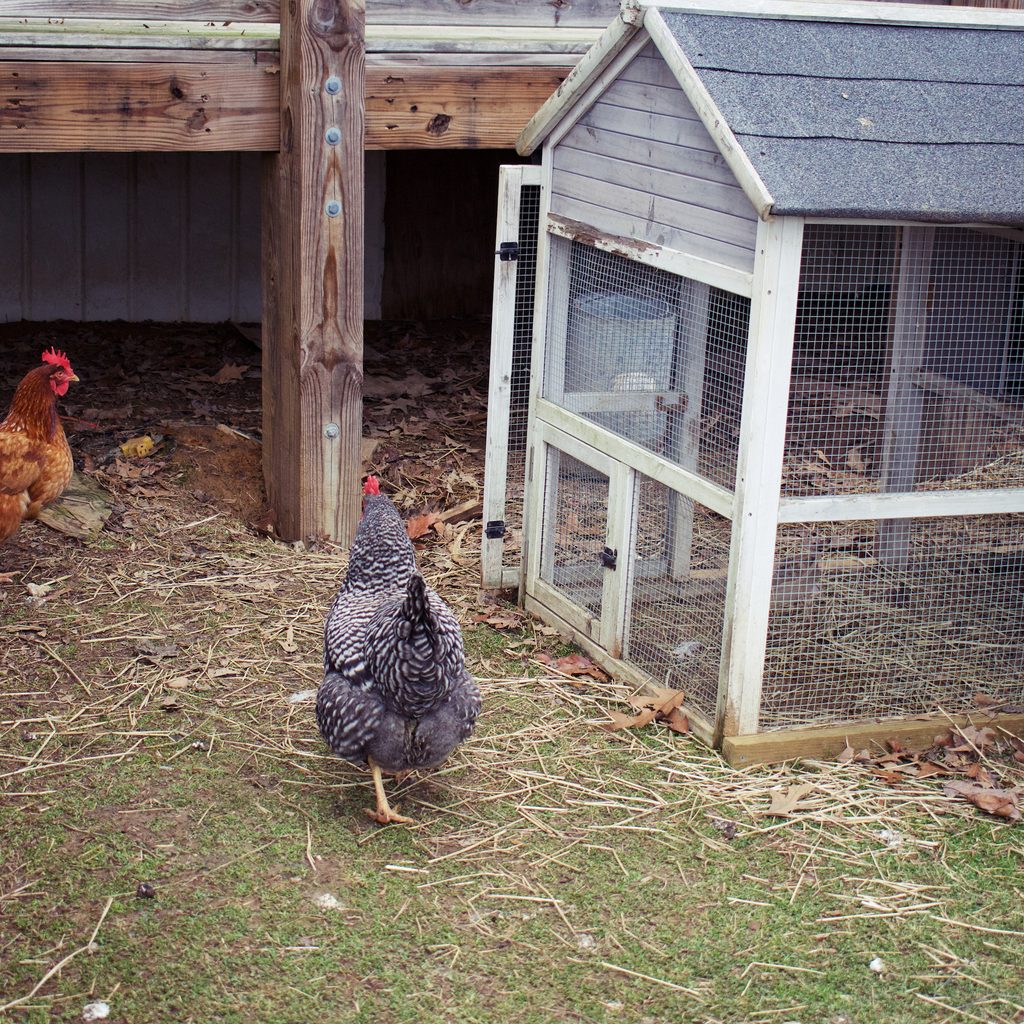
Even if you see chickens roaming nearby, you’ll want to thoroughly check up on the laws of your area, as well as any HOA regulations. You’d be surprised how many very specific rules might apply to setting up your little farm. Think about the coop itself, the rules for owning fowl, and the noise ordinances. Specifically, if you intend to have a rooster heading up your group as they can crow at decibels you wouldn’t imagine and at hours you don’t usually see.
Find your perfect spot
Next, scope out your yard and start planning. You need a large space for the coop itself (more on that in a minute) but that’s not the whole picture. Since you started with a relatively small space to begin with (remember chickens often roam over many acres in a more rural habitat), you want both an indoor structure and an outdoor run. Altogether, you might need a sizable portion of the yard to accommodate them. If you plan to add other birds like ducks, you must calculate too where the pool will go and how they will access it.
Design your urban chicken coop
There are probably a few laws governing how big this can be, and you might need to apply for a permit, so you’ll spend a decent amount of time in the design phase. Decide if you want to buy something pre-made or build a structure that perfectly fits into your yard. Either way, you should allocate about three square feet per chicken, so your building will get big quick, even if you want to start small. And that’s just indoors. They need to be able to come out sometimes but still stay safely nearby.
Research breeds
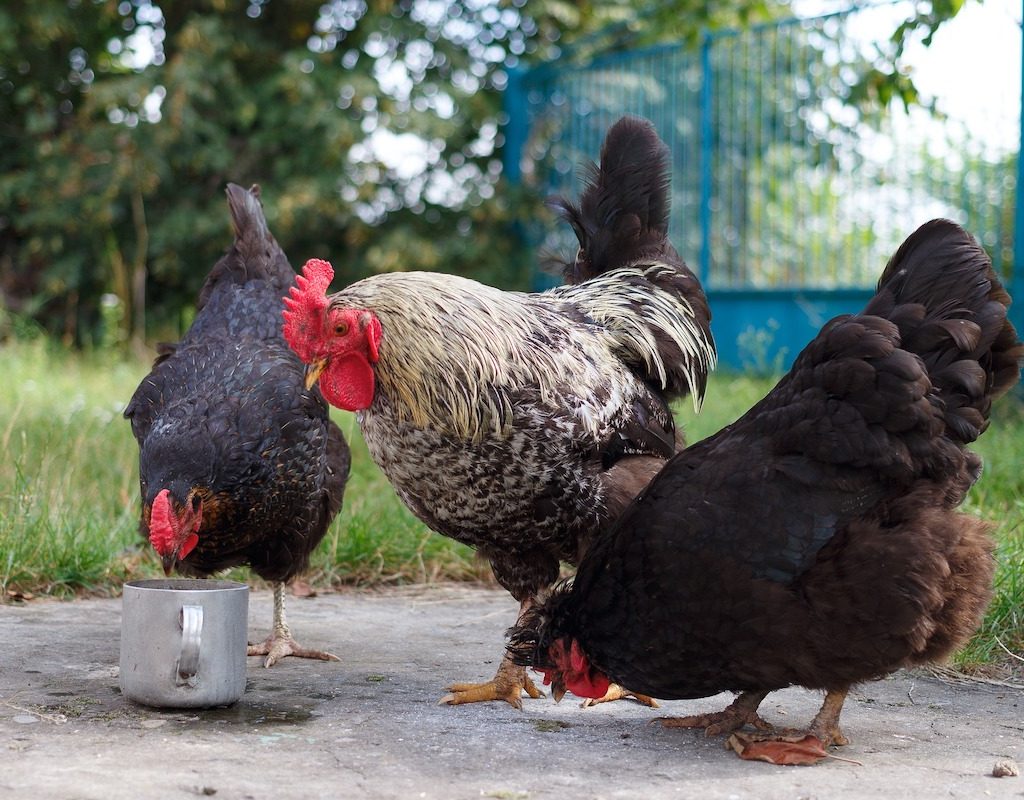
Think all chickens are the same? Think again. Get ready to narrow it down from the 500 chicken breeds out there. The local climate will slim that as well as the available space, but you still have a bit of your own studying to do. And it’s not just breed, you can impact what types of eggs you get based on what chicks you get (along with the food and environment).
Research breeders
We suggest doing a bit of internet sleuthing before showing up at the nearest farm and walking away with a few babies. If you want all females, you need to wait as much as eight weeks to be sure you’re getting little ladies. You also want a crew that has been taken care of from the egg stage with a healthy mother to boot. Ask questions and do your digging.
Start small
The excitement of bringing home your first bird can cause you to go overboard and wind up with a whole mess of animals. And we mean mess literally. The more hens you have, the more noise and poop they bring with them. Not to mention flies and predators (it’s called fox in the henhouse for a reason). Start with half a dozen at most, though never just get one as she’ll become lonely.
If you’ve made it through this list and still want to dive in, go for it! When all is said and done, chickens don’t require as much work as many other pets since they never need walks and keep each other company. Assuming you have the right enclosure, plenty of feed, and a desire to deep clean frequently, you’ll take to your birds with ease. And who knows, you might find your flock expanding quickly as the next generation is born.