Your saltwater fish probably came from the ocean (or at least their ancestors did), and you can create a marine environment in your tank that will make them feel right at home. Alongside a wide array of tropical fish, saltwater aquarium plants will spice up your aquatic display with vivid colors and trippy shapes. Saltwater plants give your fish safe surroundings to interact with and can even help keep your aquarium clean!
Of course, you’ll want to be sure to choose the best ones for your tank, so we’ve rounded up some of the best recommendations. Drop a few of these aquarium plants into your fish home for an exciting tank setup that you’ll enjoy admiring and your fish will enjoy living in.
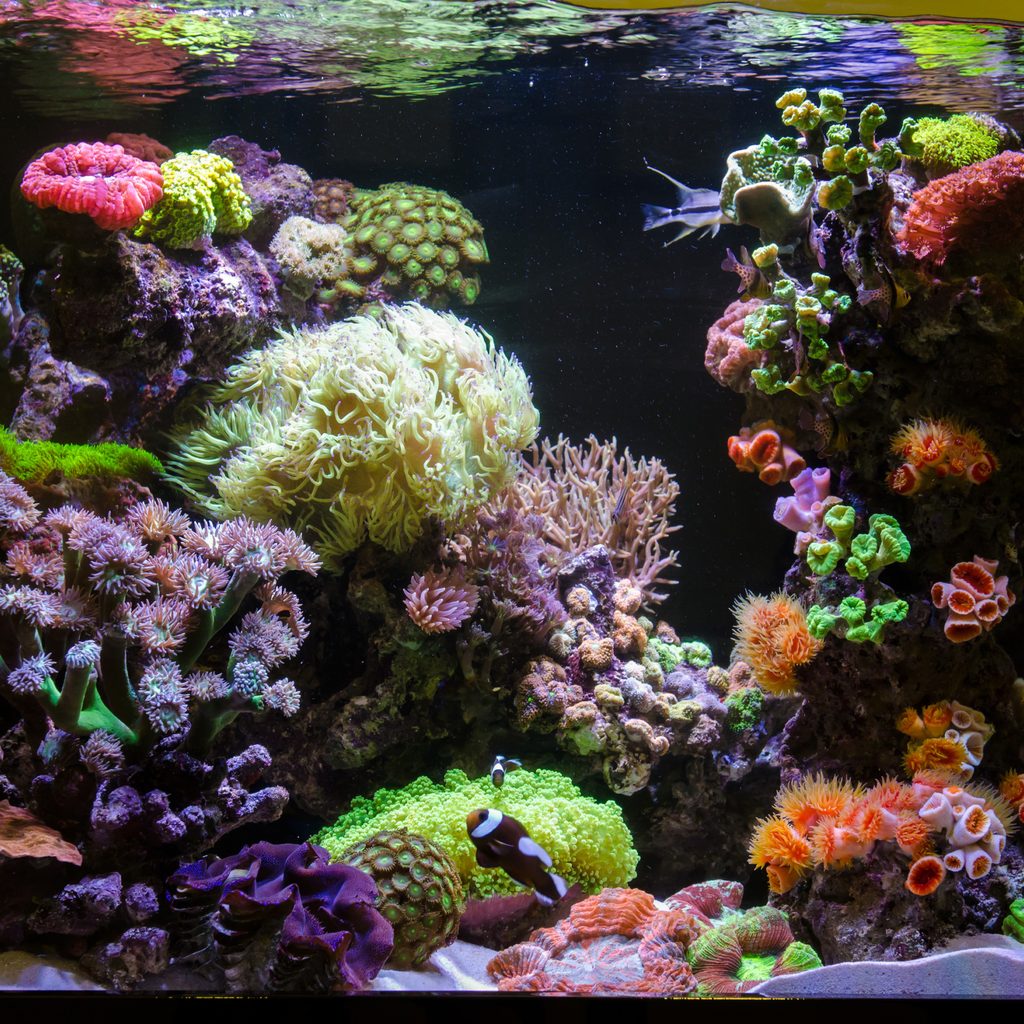
Why saltwater aquarium plants are beneficial
According to Aquaria Passion, there are three key reasons why you should consider keeping plants in your saltwater aquarium. First, they help get rid of algae, which can be harmful to the health of your fish. Second, they serve as a snack for your pets! Yes, fish love to eat plants in addition to fish food. And third, plants will make your aquarium look even more colorful and appealing.
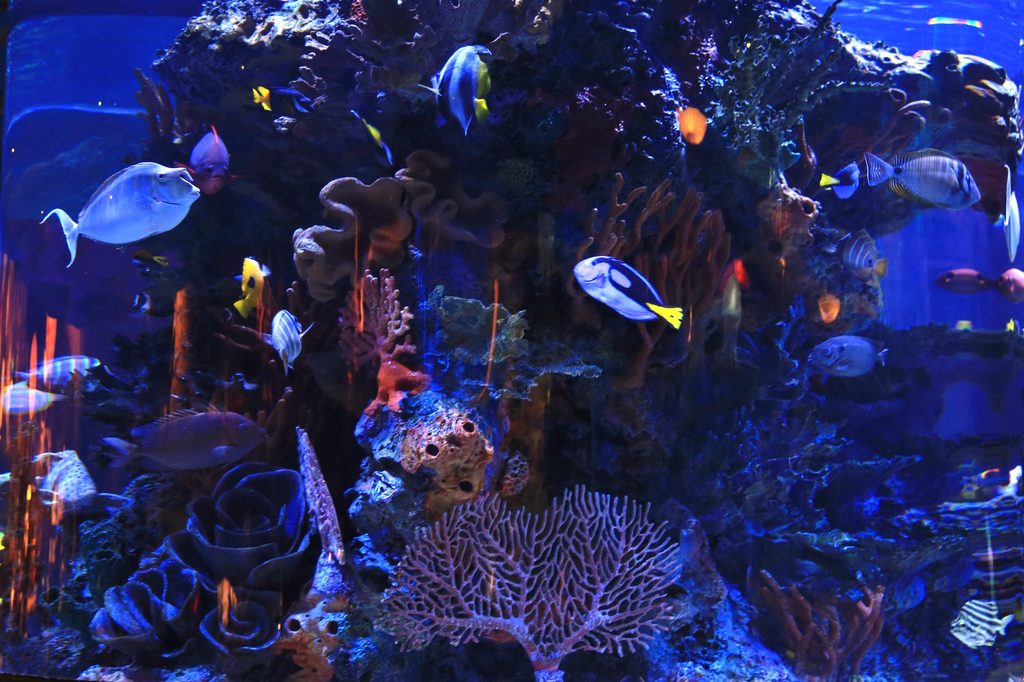
The best saltwater aquarium plants
Green finger algae
So named for its spindly, tentacle-like appearance, this plant adds a bright, geometric presence to your aquarium. Like many macroalgae, it can help clean the tank and add oxygen, vital to your saltwater aquarium. One word of caution here: Green finger algae likes slightly cooler temperatures, so research companion fish and plants carefully before purchasing.
Spaghetti algae
Aquarium plants are well named, and spaghetti algae is no exception (it’s also sometimes known as green hair algae). This long, streaming plant forms floating clumps but also attaches to rock. A perfect hiding and breeding spot for your inhabitants, this algae also helps maintain your ecosystem by removing phosphates and nitrates from the water.
Seagrass
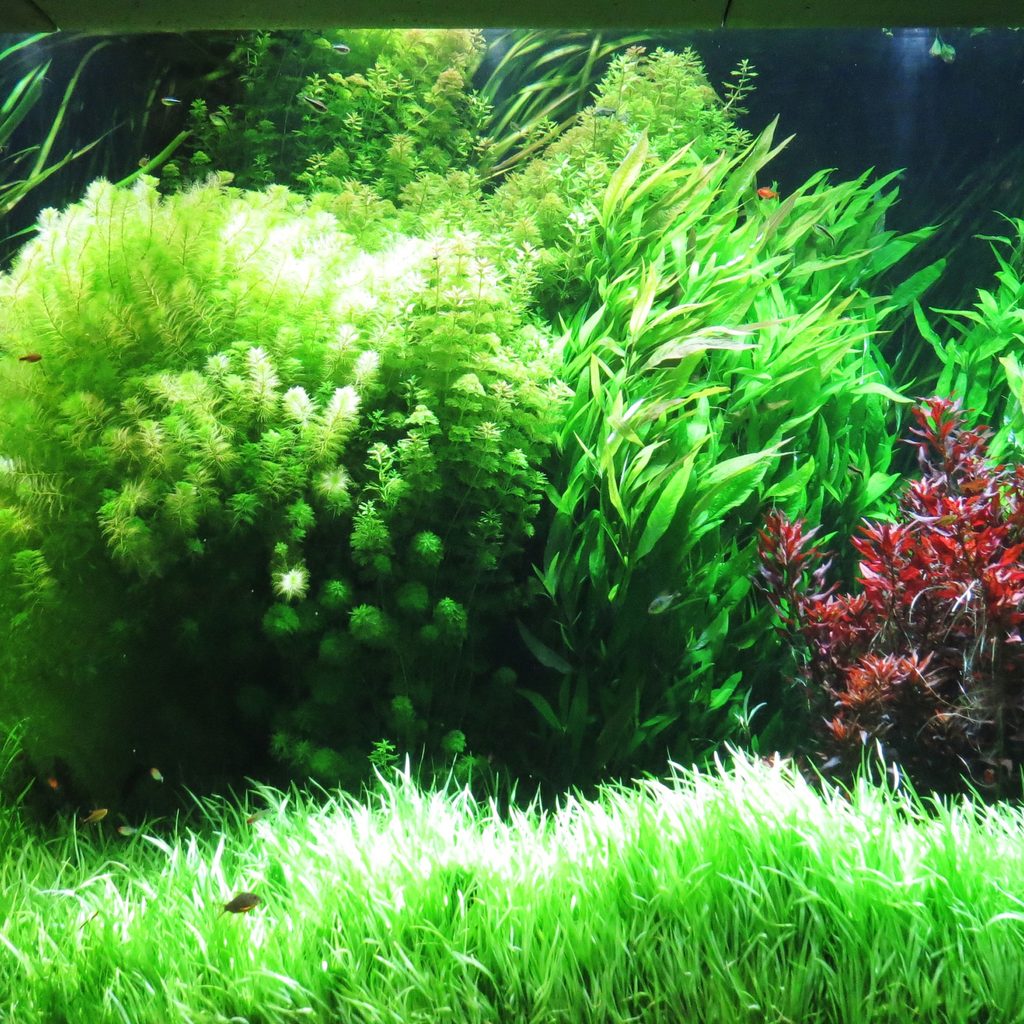
Like any grass, seagrass needs to put down roots, so plan on having enough sand in your tank. In the right environment, your seagrass will thrive in bunches, but it can be a bit tricky to get started. As a major benefit, seagrasses give your fish some welcome shelter.
Mermaid’s fan
This saltwater plant will bring a unique shape to your aquarium. The leaves resemble a green fan and grow on the floor of the tank. Because they require a lot of calcium, you’ll need to measure and adjust your water frequently to maintain the correct balance. Their unique look will make the extra work well worth the effort.
Halimeda
Another attractive addition, halimeda grows in small ovals that look a bit like coins. These small disks form long chains attached to the bottom or to rocks. Like the mermaid’s fan, your halimeda will want calcium nutrients. Halimeda is a must-have for any marine enthusiast, but you probably will have best results by beginning with one of its varieties if you’re just diving into saltwater plants. Let them mostly alone, too — halimeda plants don’t like to be over-pruned.
Water primrose
Unlike many other aquarium plants, water primrose can grow in the water or above it. It can also display a distinct reddish-brown color that will liven up your otherwise green aquarium. This versatile plant makes a great addition to your aquarium but needs iron fertilizers to grow best. You’ll want to maintain an ideal environment for your water primrose to ensure you get the vibrant color on the leaves.
Red mangrove
To round out your aquascaping, consider this interesting vegetation that grows more like a tree. You’ll start with a tuber to root in your tank, but the leaves creep out above the waterline, creating a forest-like aesthetic. This species requires a bit more maintenance — you’ll need to trim frequently so it doesn’t get too tall and remove leaves as they fall. However, you’ll be pleased with such a distinctive addition to the plant life in your tank.
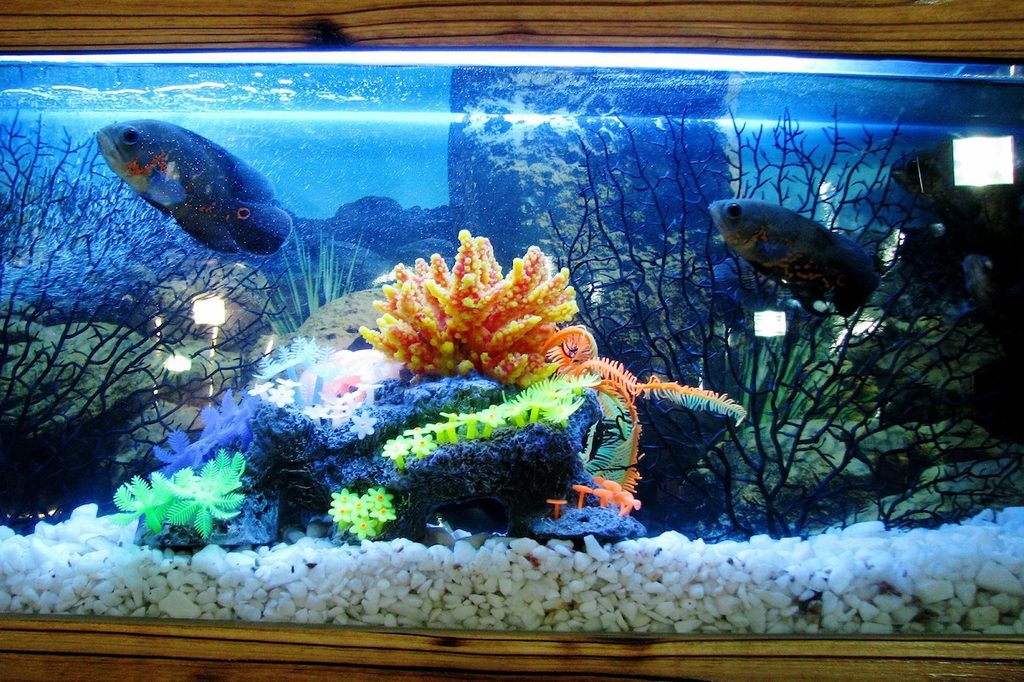
Saltwater plants are a welcome addition to your tank
No matter how long you’ve had your aquarium, adding a few new and interesting plants will help liven the place up and ensure you’re taking the best care of your fish. Mix and match the greenery for the best-looking aquarium, but keep in mind that not all flora and fish can live together. Some prefer specific temperatures, lighting, and nutrients, and not all environments will be conducive to all plant species. Be sure to do your research before introducing anything new into your tank. Begin with a few basics that work well together and add on as your hobby grows. Don’t forget to account for growth when thinking about space. You can always set up another aquarium with a slightly different ecosystem to incorporate new plant and animal species.