At some point during childhood, almost every kid begs for a pet — hamsters, birds, and lizards to name a few. Choosing a small pet that’s just right for your kids – while suiting your own lifestyle – does require a lot of thought. If you have small children, you might be wondering what type would be appropriate for them to help care for and learn responsibility. Keep reading to find out about the best small pets that are playful and make great pets for kids.
Hamsters
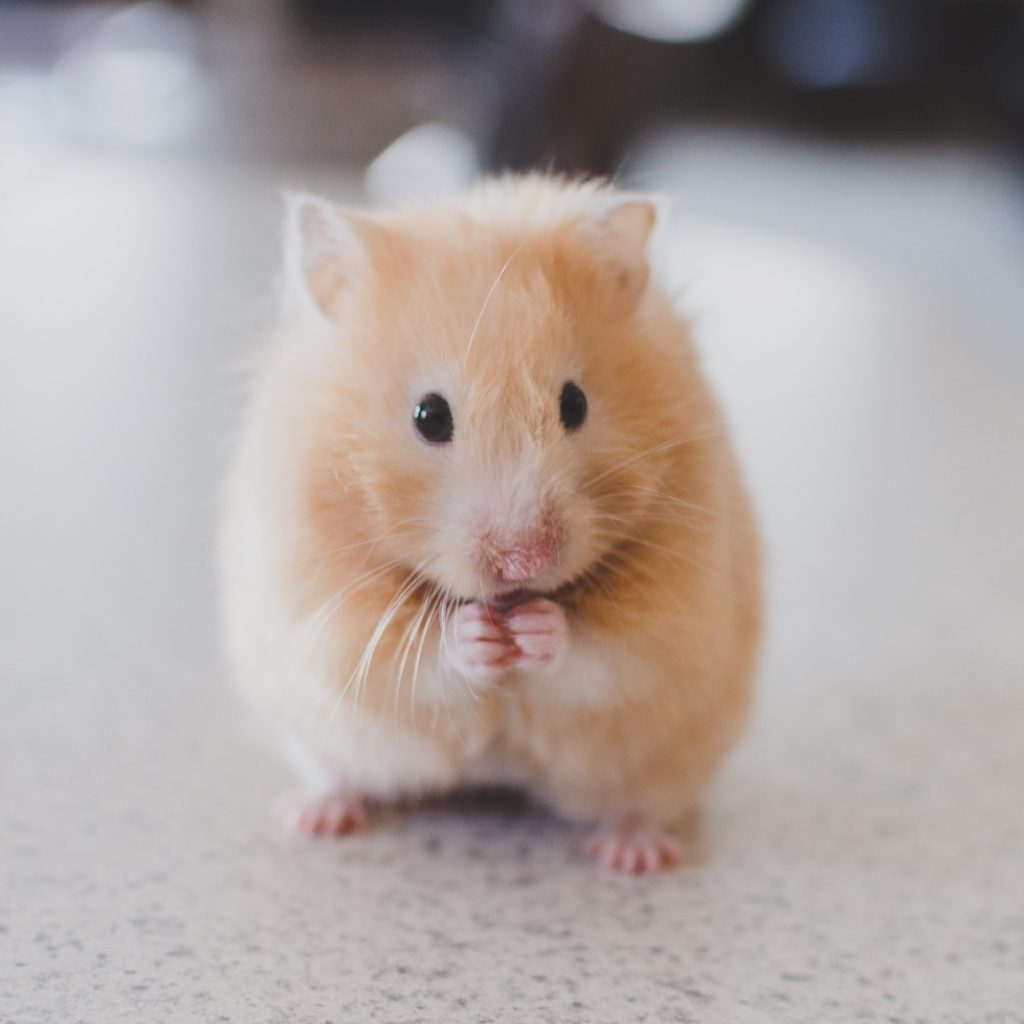
These small rodents are a popular option for a child’s first pet. Hamsters should have a cage with tunnels and places for them to hide in or under. They live on average about three years, so your child will likely learn to deal with grief with these animals. Hamsters are easy to care for — just feed them daily and clean their cages regularly. They are good at entertaining themselves but can be handled gently. Larger species of hamsters enjoy being handled more than smaller species, which tend to be more aggressive. These animals are fun to observe, especially while they explore tunnels or roll around in a ball.
Hermit crabs
Hermit crabs don’t do much other than walk around and eat, so they make a fantastic, low-maintenance first pet for a child. They can’t exactly be played with but are entertaining to watch as they roam about. Of all the animals on this list, hermit crabs require the least amount of space. They will be content so long as they have some sand and rocks in their enclosure. They also require two water bowls — one with freshwater and one with saltwater. Hermit crabs like to burrow during the day and come out at night, as they are nocturnal. Depending on the species, they can live anywhere from three years to 30 years.
Rabbits
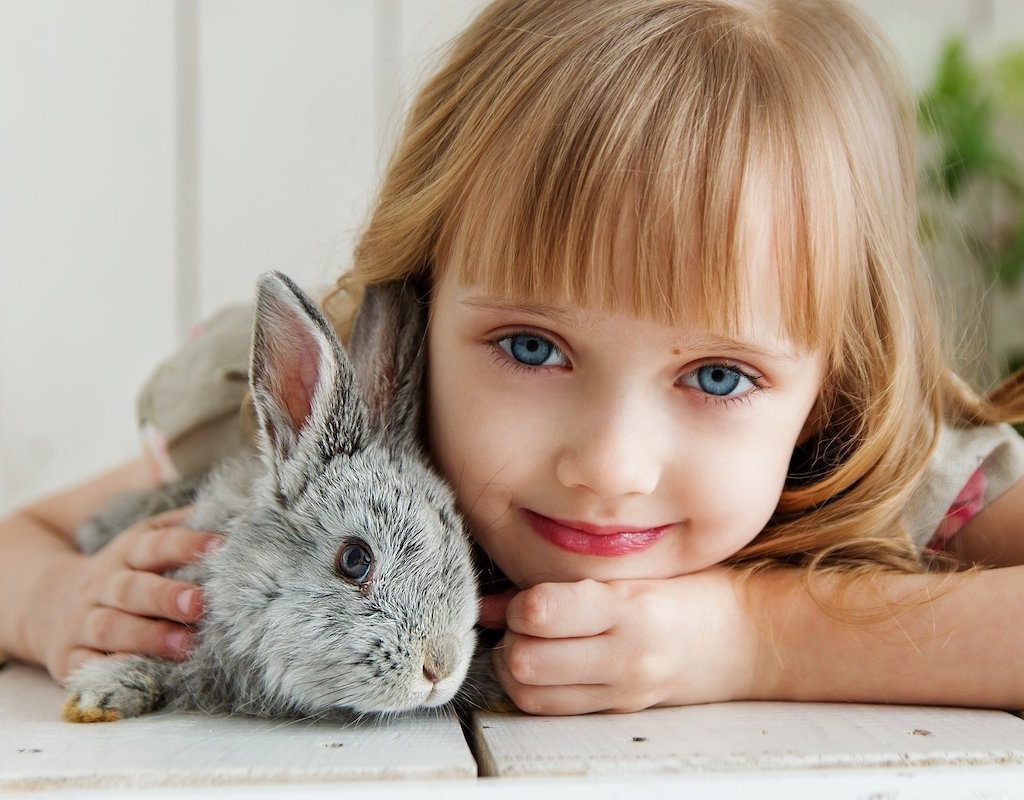
Your pet rabbit will be a step up in care from a smaller mammal but will make up for it in cuddliness. While rabbits come in many shapes and sizes, they all need a big space and a lot of exercise. Depending on your climate, you may be able to keep your rabbit in a part-indoor and part-outdoor enclosure. They’ll certainly appreciate the fresh air and interesting smells. No matter how you decide to house your pet, you’ll need to socialize him from a young age to be around your kid. Many rabbits don’t like to be picked up, so you’ll want to find a family-friendly, rabbit-respecting way to play. Taking him out of his cage daily and into an enclosure will give everyone in your family an opportunity to unwind and bond. Many rabbits enjoy toys, and some will even fetch or play other games. Try out a few different activities and see what yours takes to.
Guinea pigs
Guinea pigs are slightly larger than most other rodents kept as pets, measuring 8 to 12 inches long when fully grown. These animals are usually calm and can be raised to be very sociable if they are handled regularly. They live anywhere from five to seven years, making for a companion that will be around for a while. Their diet consists of hay, pellets, and vegetables, which they eat in larger amounts than their hamster relatives. Unlike hamsters, guinea pigs cannot fit in most tunnels and balls, and should not use wheels so as not to damage their delicate feet.
Fish
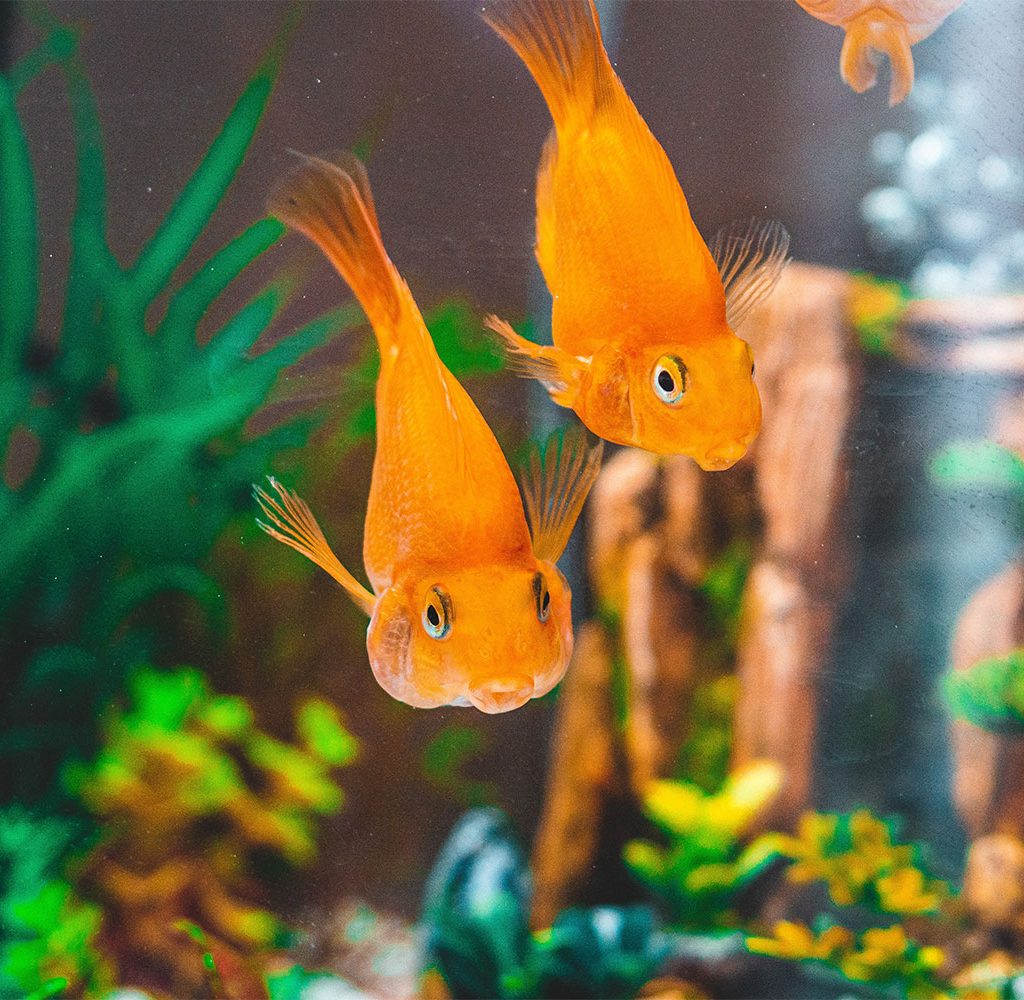
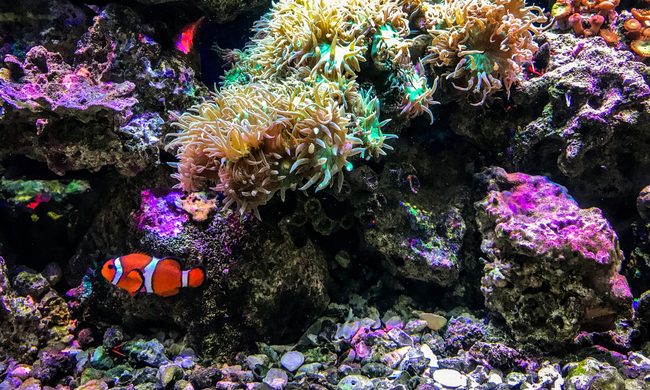
Although arguably the least interactive animal on this list, fish can be pleasant to watch. There are many species of fish, some of which live in freshwater and others in saltwater. Obviously you cannot keep both types in the same tank, but you could have two separate fish tanks! From the basic betta fish to the colorful neon tetra, the options of fish to keep as pets are nearly endless. You can also keep other animals in your fish tank, such as crabs or frogs, depending on the fish you have. Most fish, especially freshwater fish, require only daily feeding and regular tank cleaning, making them so easy to care for even little ones can help.
Rats
They might not be the cutest animals, but rats are intelligent and friendly. Rats can be taught to do tricks, like retrieving an object from a maze. They especially enjoy being handled, so you can interact with them more often and for longer periods of time than with other rodents. Rats usually live two to three years. They can survive on a diet of exclusively rodent pellets. If your child wants an animal they can play with, a rat is a great choice for their first pet.
Dogs
Many dogs do well with kids as long as children are appropriately supervised. From playing to cuddling to taking a walk together, kids and dogs can share many experiences. Dogs have longer life spans than many smaller pets, so your kid can grow up alongside this type of pet.

Turtles
Some kids may enjoy having a turtle as a pet. Turtles can be fun to observe, and a turtle can be kept safely in its tank until an adult is available to supervise a child handling it. Turtles require a bit more care than other small pets like rats, so it’s best if an adult in the home is already familiar with caring for this type of pet.
Birds
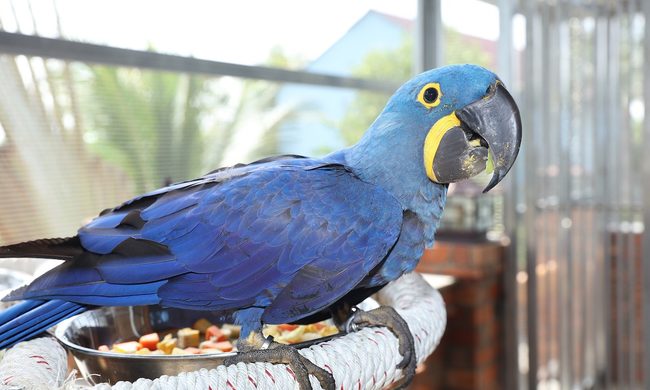
You might not think so, but birds can be quite affectionate toward their humans. While you won’t be snuggling up with a bird on your lap (probably), you can train a parakeet, parrot, or cockatiel to ride around on your shoulder. Birds often enjoy nibbling on your ear or “nesting” in your hair. Beware of sharp beaks and claws that may need to be trimmed by your vet. Teach your kid to let the bird perch on one hand and gently stroke his feathers with the other. If your bird was not hand-raised, he may never take to human contact, so be sure to ask questions at the pet shop and engage with the bird before you bring him home.
Like a hamster or bunny, your bird will enjoy keeping himself occupied while in his cage. Many will play with swings, bells, or balls, which will amuse you and keep them entertained when they are alone.
Cats
Cats can be good pets with young kids, but it’s important to find a cat who has the right temperament to be calm and happy around children. A cat who is laid-back and social will often be the best option for a home with young kids, but it’s also important to supervise kids and teach them about the cat’s boundaries.
Leopard geckos
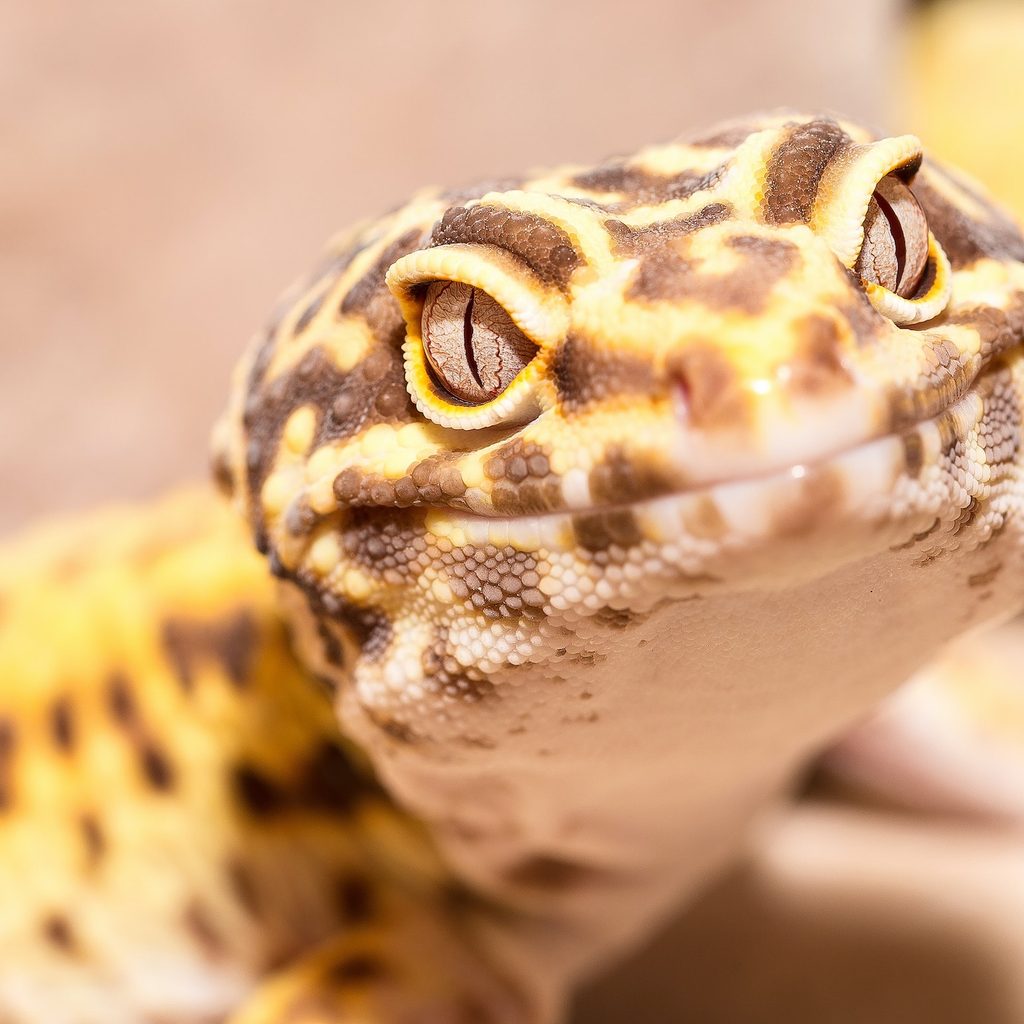
Leopard geckos are one of the easiest reptiles to care for. They are yellow-brown with black spots and bumpy skin, and they look like they are always smiling! Leopard geckos live, on average, six to 10 years. They eat live insects, and watching them eat can be interesting. If handled gently, leopard geckos tolerate being held. They require a hot place for them to bask in and adequate room to move around. Leopard geckos are a great starter reptile.
If your child wants a pet, a small animal may be the way to go. Rodents are a popular option, as evidenced by the number of them on this list, but there are also lesser-known animals that also make fantastic pets. Keep in mind the care requirements of any animal you choose since you’ll likely be helping your child take care of it!