A bird who brings music and joy to your life deserves a clean living space. A bird cage needs regular maintenance and a deep clean routine to provide Tweety with a cozy home. Your bird will feel pampered and loved by you while also enjoying better health in a sanitary cage. The key to easy bird cage cleaning is to stick to a schedule. Follow our guidelines to make the task effortless and give you more time to play with your feathered friend.
Daily maintenance
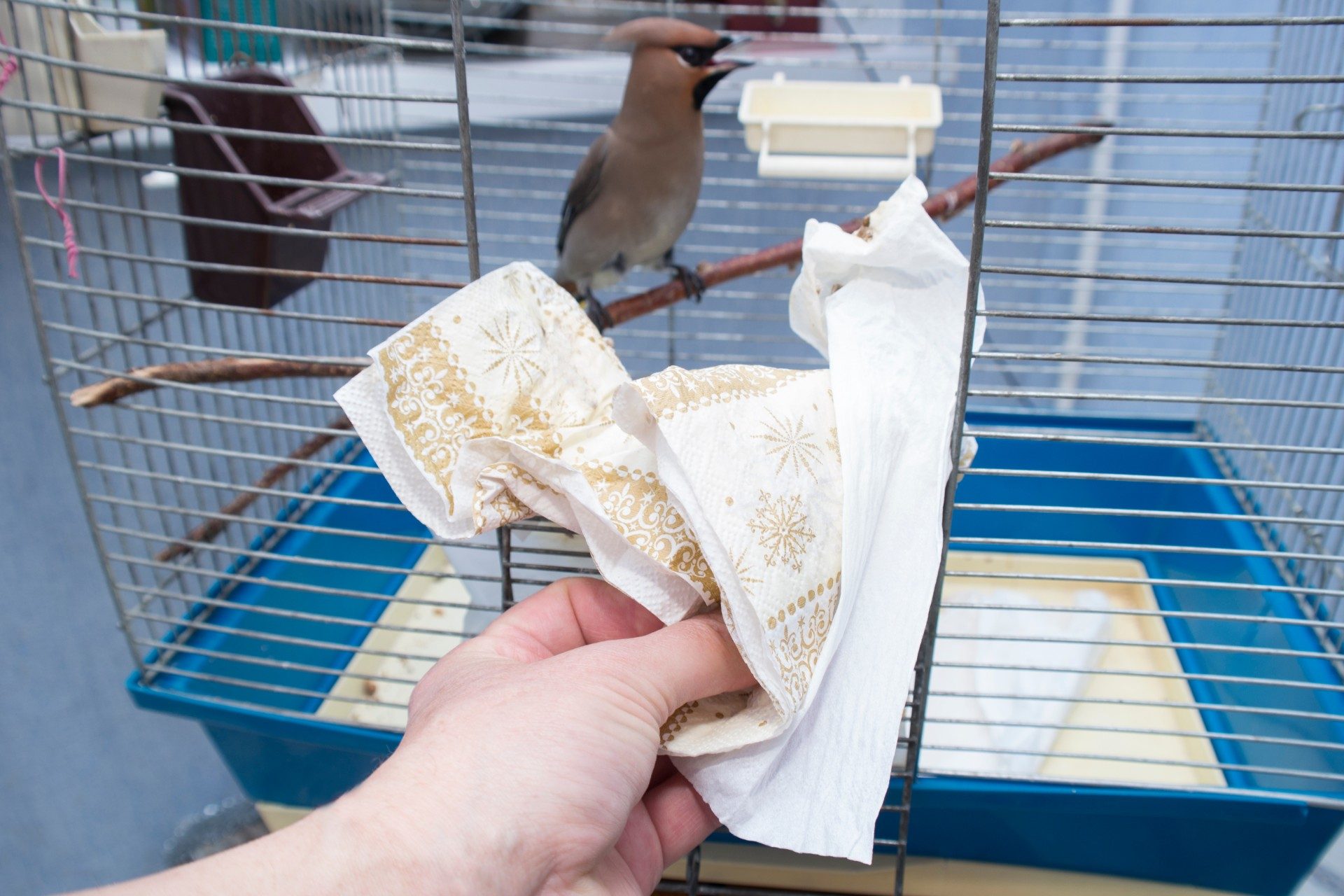
Daily cleaning of your bird’s cage helps prevent unwanted infections and keeps your bird’s home in top condition. With everyday maintenance, basic cleaning of your cage is a quick and easy task that takes minutes to complete. Here are the steps to follow:
- Change the cage liner: Every cage needs a liner to capture your bird’s droppings and the food that falls from their beak. When you change the cage on a daily basis, you help prevent disease and unpleasant odors.
- Clean the dishes: At the end of the day, your bird may have some leftover food or water on their plates. Tossing these leftovers and washing the dishes every night prevents the growth of harmful bacteria. Before putting the plates back in your pet’s cage, be sure to give them a good rinse and dry.
- Wipe down accessories: Toys, birdbaths, and any other cage accessories require daily cleaning with a wet rag or paper towel. If your bird is a little messier, you can also wash the accessories with water and soap. Don’t forget to scrub down any droppings that accumulate in your bird’s perch.
- Clean surrounding area: For your personal comfort and the health of your family, remember to sweep or vacuum the surrounding areas to remove food, feathers, or droppings that fall on the floor.
Deep cleaning
Depending on your bird’s habits and their space, your cage may need weekly or monthly deep cleans. Typically, larger birds need to have their cage thoroughly cleaned once a week while smaller breeds can go a month between deep cleans.
These are the supplies you need for this:
- Cage liners
- Paper towels or rags
- Bird-safe disinfectant
- Scrub brush
Once you have a set schedule for your full bird cage cleaning, be sure to stick to it and follow these steps:
- Empty out the cage: Place your feathered friend in a safe area and remove everything from their cage.
- Remove and wash the cage tray: Take out the tray at the bottom of the cage and give it a good scrub. Even though this tray is usually covered by the liner, it still needs a wash to remove any droppings that get past the liner. Remember to dry the tray well before putting it back in the cage.
- Scrub the cage: Using a sink or garden hose, wash the entire cage thoroughly with water and soap. Pay special attention to cracks and crevices that accumulate debris. Rinse the cage well to remove all soap.
- Disinfect the cage: Spray down the whole cage with bird-safe disinfectant. For an organic alternative to disinfectant, make your own solution using white vinegar and water or baking soda, lemon juice, and water. Then, let the cage air dry.
- Clean or change the perch: For a deep clean, soak and scrub your bird’s perch to remove dirt and waste. If it’s looking worn, simply rotate or replace your bird’s perch for a new one.
- Sanitize and change toys: Wash your bird’s toys on a daily basis. If you have multiple toys, consider rotating them so your bird always has a clean toy and stays entertained.
- Change the liner: Once the cage is clean and dry, replace the liner before putting the bird and toys back.
Tips and tricks
Here are a few tips to make cage cleaning an easier chore:
- Place a mat or old sheet on the floor before you start cleaning the cage. This is especially helpful if you have carpet.
- Keep your bird’s food bowls half full. This helps keep things neat and prevents your bird from becoming a picky eater.
- Having extra plates, perches, and toys make daily cleaning easier.
- Consider a steamer for easier removal of stubborn droppings.
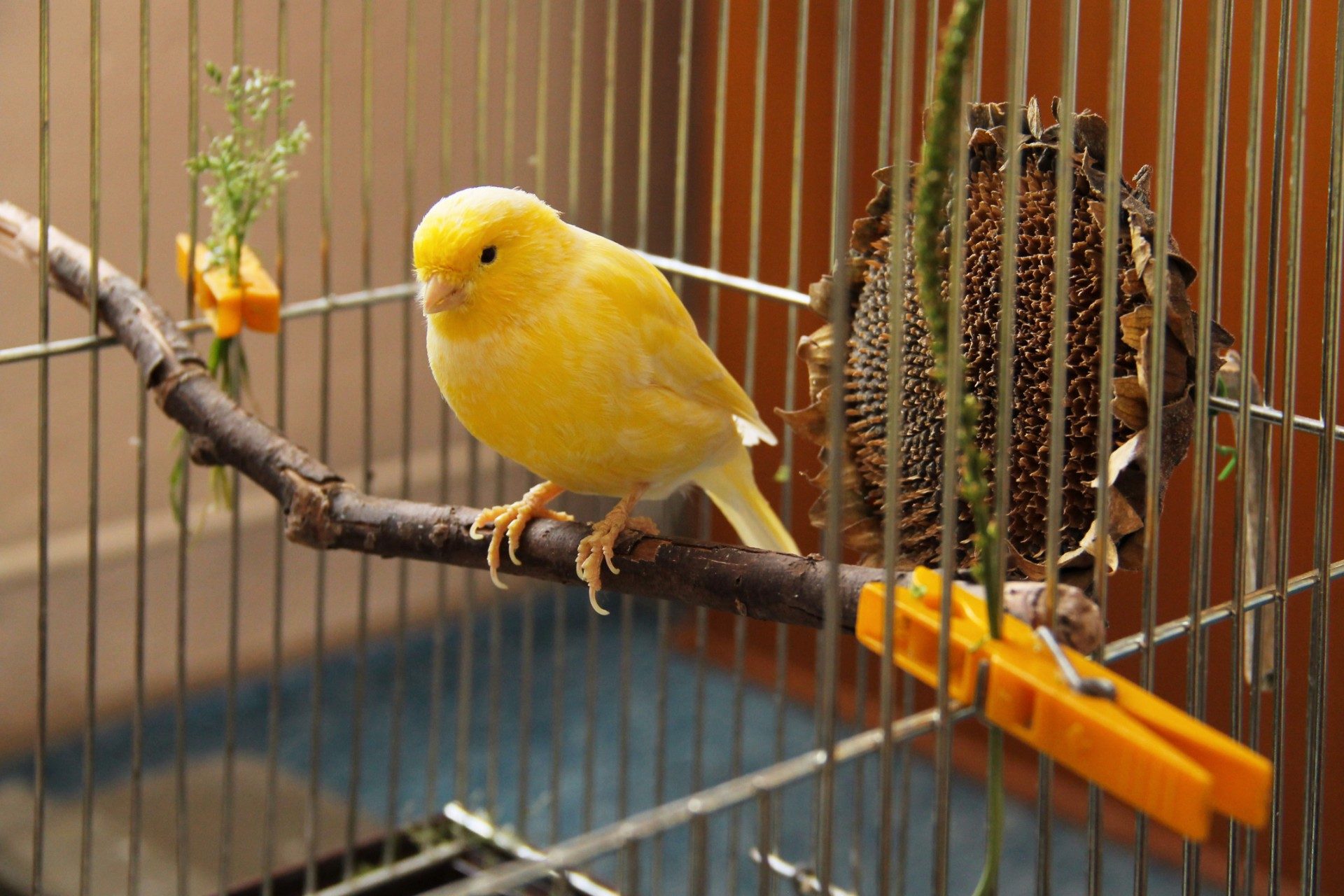
With discipline and love, you can offer your sweet bird a clean cage that they’ll love. While it may seem like a lot of work, it’s easy to keep your bird’s home neat as long as you’re consistent about daily maintenance and regular deep cleaning. Once you’ve gotten the hang of bird cage cleaning, you’ll be able to do it quickly and with less effort. This means you’ll have more time to spend with your healthy and happy feathered friend.