Birdwatching makes for great exercise and great entertainment. Encountering birds in their natural habitat provides a unique opportunity to see wildlife in action often away from human activity in remote locations. As long as you’re careful not to intrude on their homes, you will catch a glimpse of something truly wonderful. But enticing birds to visit you makes for good birding, too. Setting up bird feeders will encourage different species to stop by your house, allowing them to explore your universe instead of you entering theirs.
Before you go any further, check local guidelines to make sure it’s safe to put out food and read more about the recent spike in bird illness. Then, when you’re sure it’s safe, use these tips for bird feeding.
What type of feeder should I get?
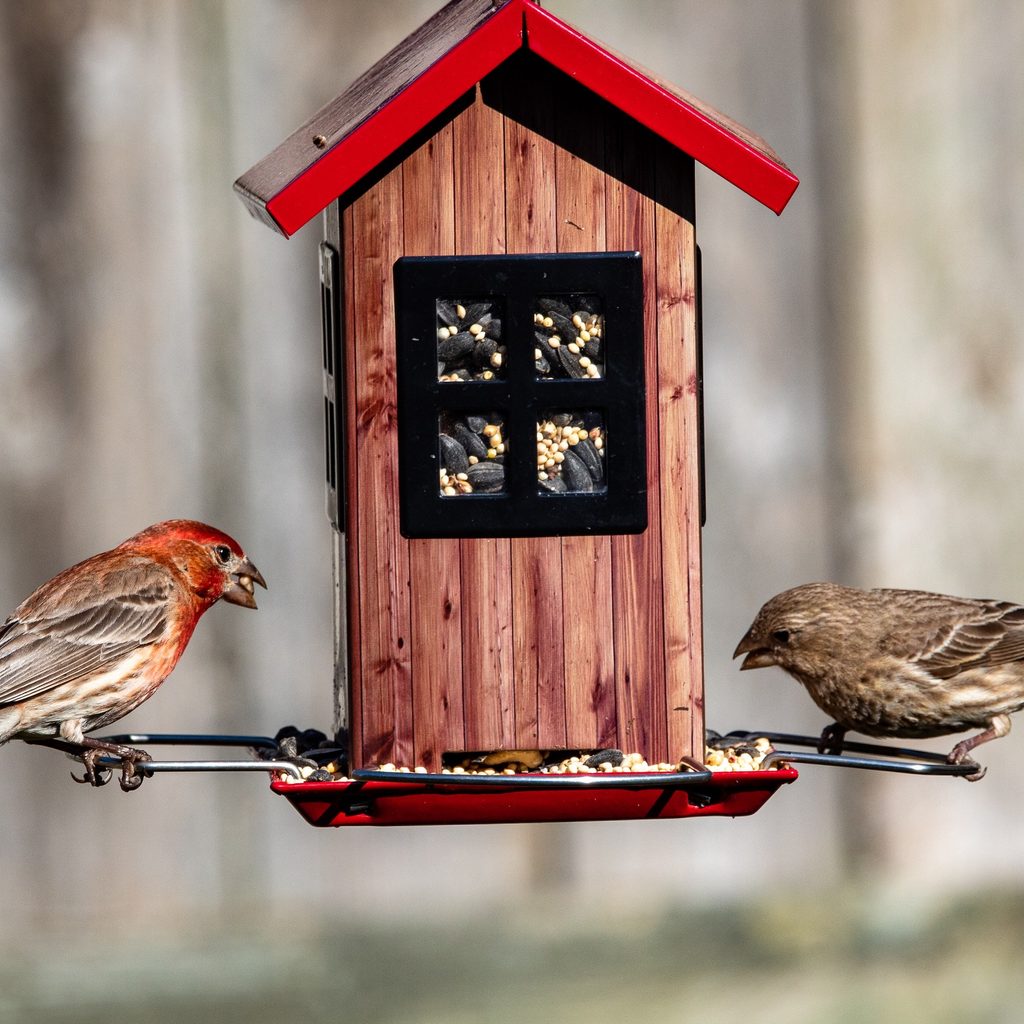
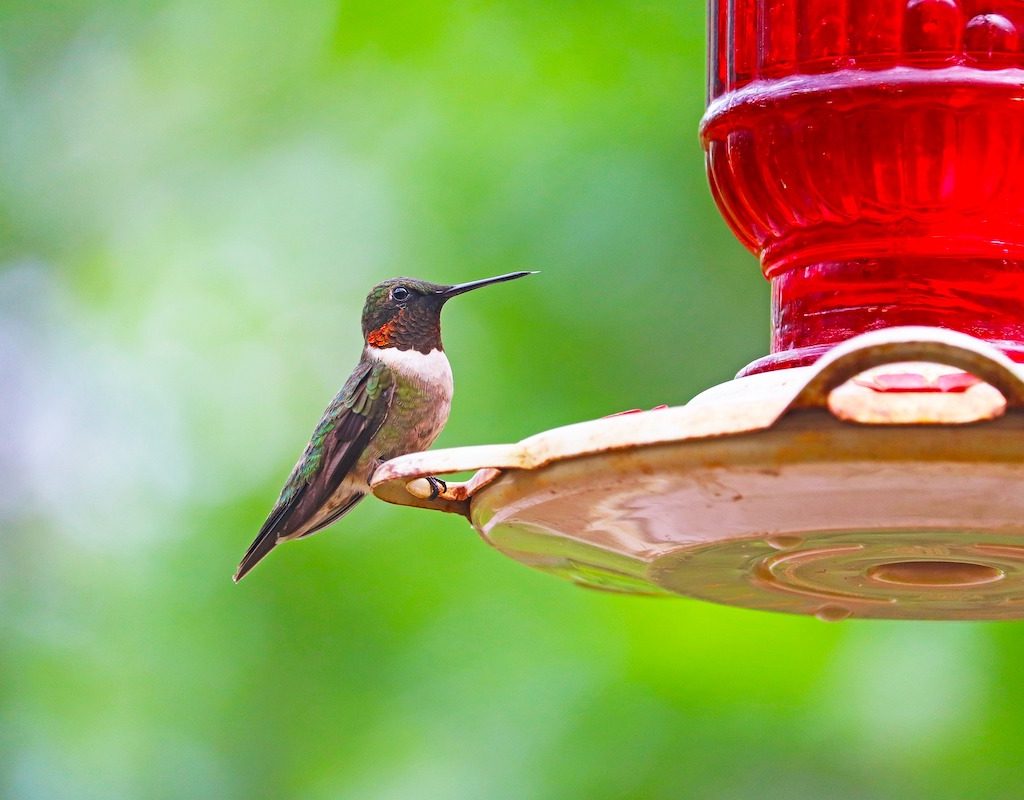
This will vary widely depending on where you live, what your house or apartment is like, and which type of birds you want to attract (or will be able to). You should check out a bunch of different types: tube feeders, hopper feeders, suet feeders, hummingbird feeders, and window feeders.
Think about your location and bird varieties to determine which will work for you (and your feathered soon-to-be friends). Each of these types brings a few pros and cons both for you and the avians. Don’t know where to start? A tube feeder works well for beginners, and you can always expand from there.
Where should I put my feeders?
The best place for you to see them! But really, while the birds might take a few days to find it, they don’t care all that much where they eat. It’s best to choose a location with some nearby shrubbery and available branches for them to run to or perch on if necessary. However, the quintessential feeder in a tree will attract mammals. While you can find squirrel-proof models, these jumpers will find a way anyhow. Look into feeders that can be mounted on a pole just out of reach of a tree for a squirrel but close enough for a bird.
Window feeders go right up against your house and so might offer the best views, but they also get dirty really fast. You may will wind up scrubbing it down every other day because the grunge winds up blocking the view. Luckily, these are usually straight plastic and quite easy to clean. Tube feeders should similarly get a soapy bath treatment every few days to make sure they don’t wind up carrying parasites. (Unfortunately, birds don’t seem to have learned not to poop where they eat, and this presents one of the biggest hazards.) Hummingbird feeders and a few others can go straight into the dishwasher, which speeds up the process considerably. Ones that aren’t so easily washed should be wiped down once a week or so, and you’ll want to sweep the area frequently regardless of feeder type so as not to attract rats.
Which foods should I include?
Different birds enjoy different food, and not all seeds are the same. Woodpeckers, for example, like suet, and you can get a special feeder for them or one that allows for both seeds and suet. One of the staples that lots of different species like is black oil sunflower seeds. Start out with that or a general mix if you aren’t too sure. But you can also carefully select your food for a specific type that loves your yard or that you like to watch.
What birds will I see?
Here’s where it gets fun — the backyard is your menagerie. Of course, you probably won’t have toucans hitting up your feeder, but you can see many colorful and exciting birds that you didn’t even know existed. Look up which wild birds frequent your area and in which season, then set up an appropriate feeder for that kind. Birds can have trouble finding the new food, so give it a few days, and then watch the birds flood in. Once you have a handle on your most frequent visitors, adjust your feed as necessary or put in another feeder.
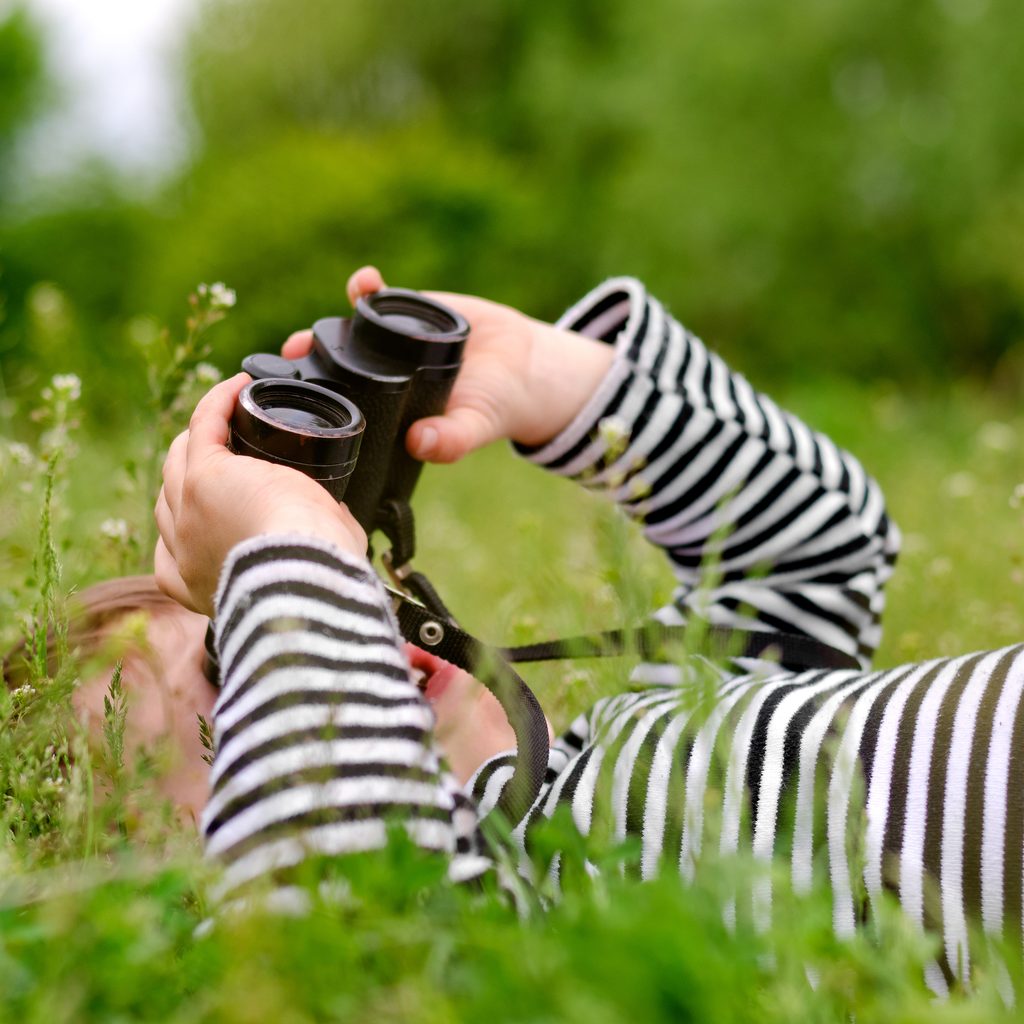
Not only will your feeder serve as an exciting and educational pastime, but you can also help science and conservation by participating in the Great Backyard Bird Count or Project Feeder Watch. Both look to everyday birders to help track these winged creatures across the country and the world. To do so, pick up a local bird guide and a pair of binoculars to help you identify and distinguish your new guests. Go all out and learn to recognize their calls as well. When you do all this, hosting birds in your yard never gets old.