Adopting a pet means signing up for training classes, and that’s not just for dogs. Nope! Birds also enjoy learning basic commands like come, stay, and speak (sit is a little trickier).
While you might have a few tricks up your sleeve, taking your animal to bird training classes will go a long way to teaching them to follow the rules. Remember, a pet trainer gives you the tools to help your bird along just as much as they work with your feathered friend directly. Here’s how to find a class that suits both your needs and gets results.
What classes can I take?
You’d be surprised how much is out there and how many options are available to help you and your flier. Get expert advice on grooming, playing, or wearing a harness. Basically, whatever problem you’re having with your little guy, someone has already been there and will help you get through it.
First, decide what you want to focus on so you can choose the right program, and then tackle it. Do you need your bird to understand the basics? Do you want him to learn a few words? Do you think he’d be into bird agility? Start small and work your way up until you have a well-trained showoff flying around.

Where can I find bird training classes?
The good news is you have a ton of options. Many companies offer classes online that you can access from anywhere at any time. If you’re in an area with a good breeder or pet store, you might find some local options as well. This allows you to train in one-on-one sessions or with a group of like-minded avian enthusiasts and can help your bird make big strides.
Research a few different ideas and then decide which will best suit your family. An in-person class helps with the particulars of holding and communicating, but online programs can happen anywhere without having to move your animal or invite strangers in who could scare him. Check for free options too on YouTube that will help you master Bird Training 101.
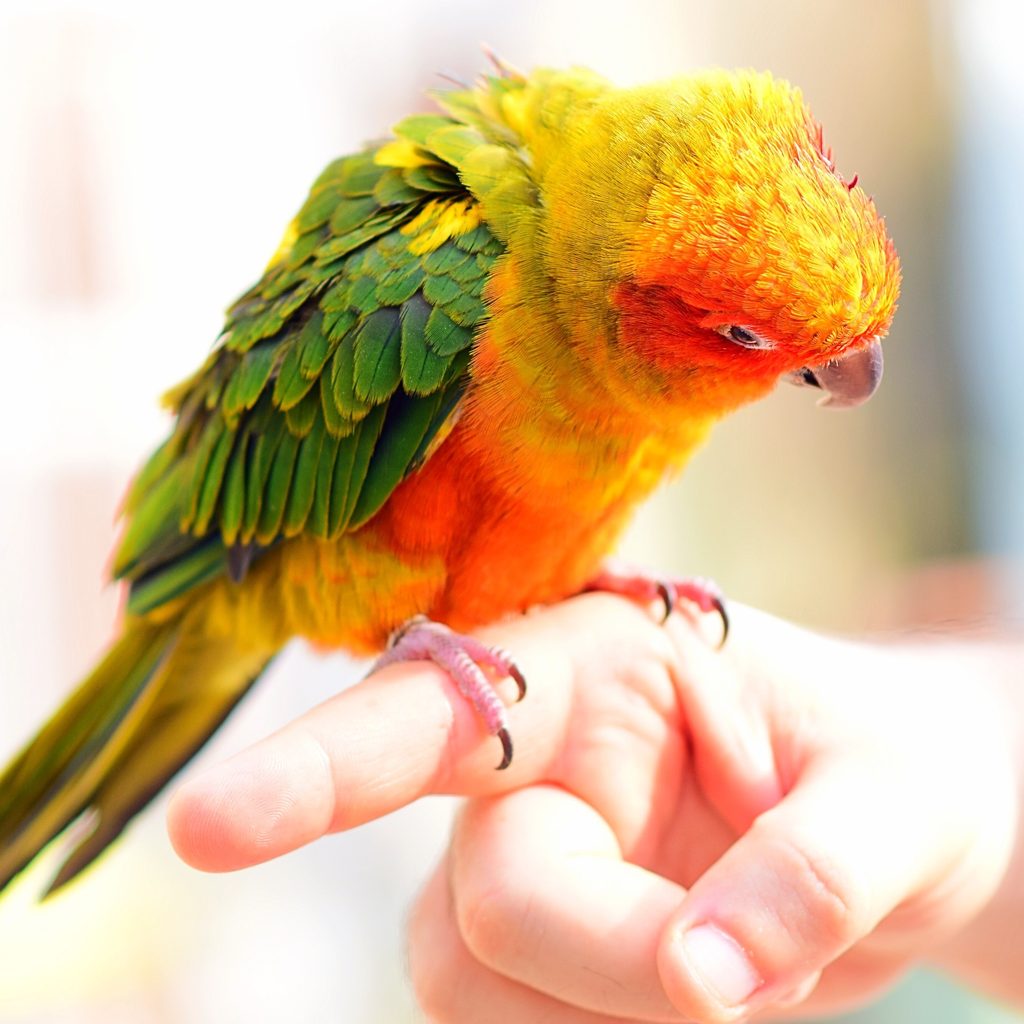
How should I train my bird?
Step 1: Start young.
A hand-raised chick will always have more affection for humans than one who’s isolated from people.
Step 2: Use food.
If you’re working at raising chicks yourself, do some feedings right from the start, otherwise, find a creature who has been handled consistently. Then offer treats as rewards throughout your training.
Step 3: Be consistent.
It doesn’t stop at babyhood though. If you go too long without holding and petting your little guy, he could become fearful again. Instead, you want to practice every day with perching or feeding.
Step 4: Cover the basics.
Stepping on a perch or learning to fly on command will come naturally to your creature. Get him familiar with the easy ones before attempting something performance worthy.
Step 5: Work up to it.
You can increase the difficulty of your tricks by building on the basics, such as waving and cheeping. Introduce toys only when he is ready for them and with supervision.
While these tips will absolutely help your bird learn a few things, not all parrots are destined to be circus-ready. Many of the smaller species won’t likely get into the really advanced stuff and will have trouble speaking. So know your pet’s limits before you embark on anything too difficult. You don’t want to kill his confidence or wind up disappointed.
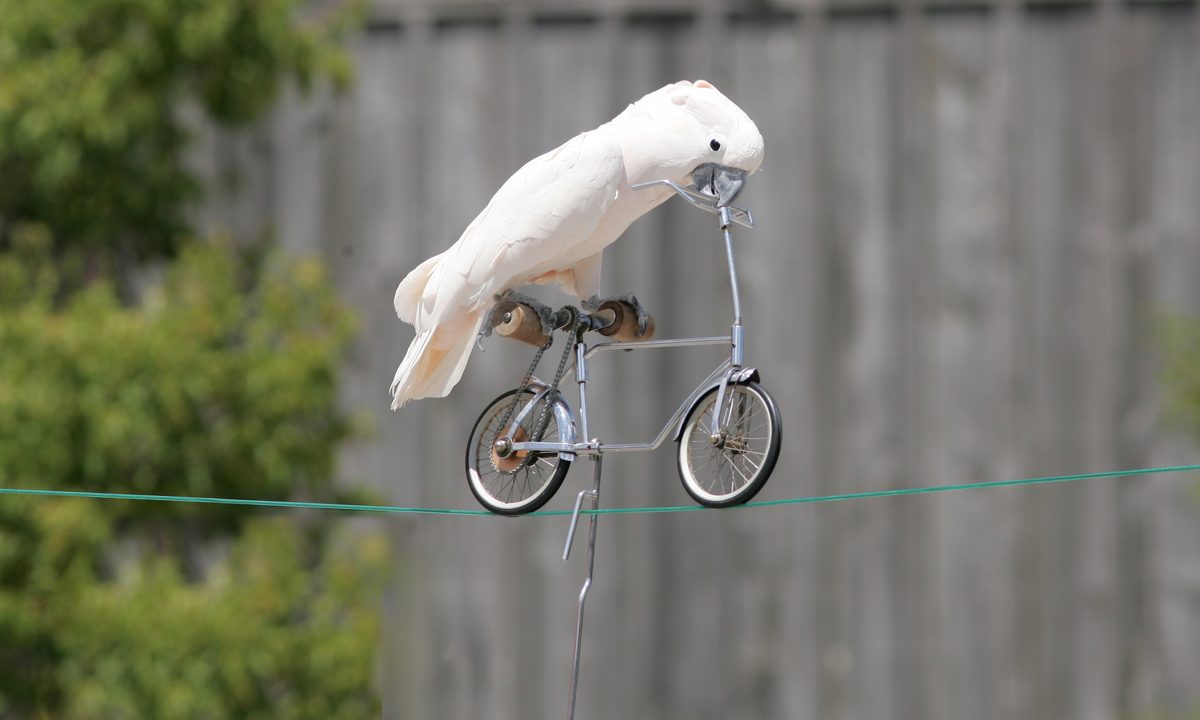
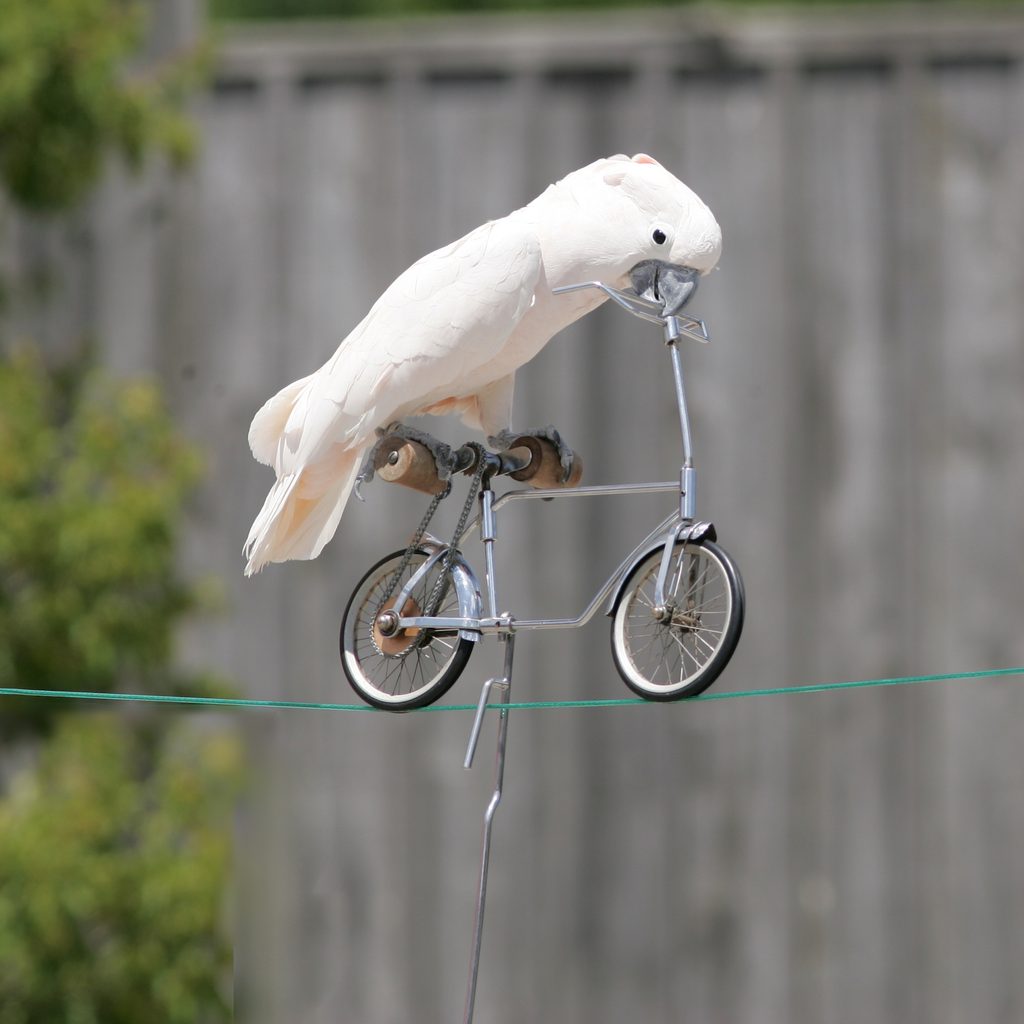
Alternatively, you may find yourself stumbling into maneuvers you would never even have thought of because he comes to it on his own. For example, some birds are naturally acrobatic and will take to the swing as easily as they do the air. While a few simple commands are essential, you can take your time to branch out into the extras when he’s truly ready and you have a better sense of his abilities.