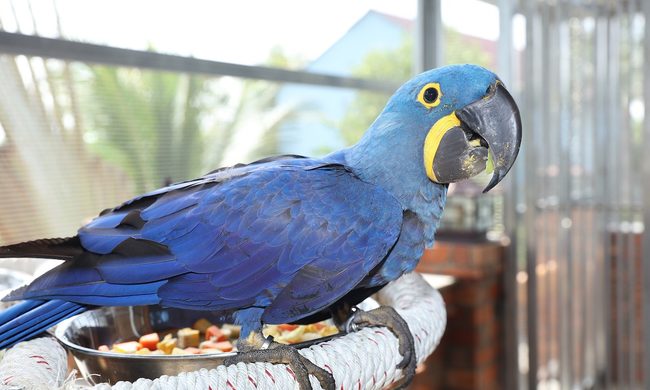
Have you noticed that your bird responds differently to different colors and might even be startled by certain shades? Birds across the globe come in all colors — it’s one of the delights of birdwatching. In the home, parakeets, parrots, and canaries are well known for their beautiful plumage, another appealing aspect of owning these pets. But nature has given our feathered friends an instinct to perceive particular bright colors as a threat and thus avoid them. With careful observation and a little planning, you can avoid upsetting your bird with specific hues.
Why are birds attracted to certain colors?
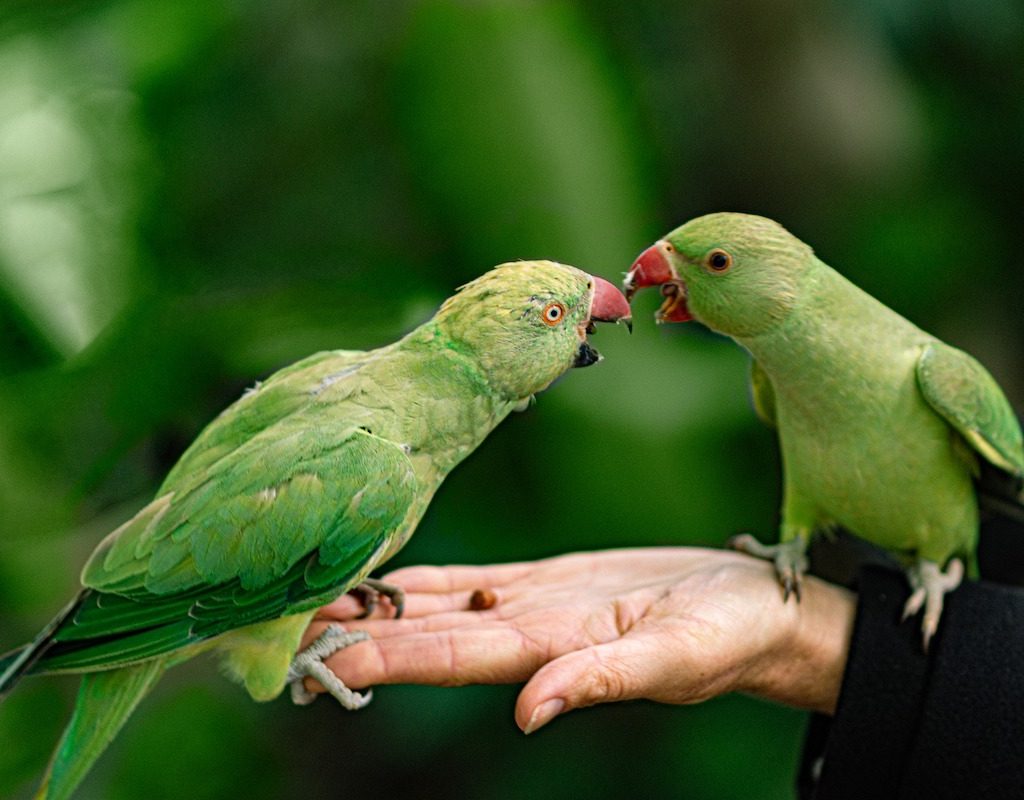
There are probably a few reasons birds seem attracted to certain colors. Many birds eat fruit and the nectar of flowers and are therefore inclined to the colors associated with them. That’s why hummingbirds and others go for the bright, beautiful flowers in our yards (or the feeders designed to mimic them). In addition, pretty feathers aren’t just attractive to you but are also intended to help birds procure mates. On the other hand, birds in the wild might display color patches as a warning, which may lead fellow birds to fear some colors.
What colors are birds afraid of?
Many bird owners swear that their bird is afraid of red, and there’s probably some truth to that. Just as we take red to mean caution, so too, do some birds, who may view it with trepidation. If your bird finds red scary, try to minimize its presence around your birdcage or play area.
Another color that may frighten your bird is white. Like red, this is often used as a warning sign because it stands out, particularly for your bird’s special eyes. It’s unlikely that your pet will tremble in terror every time he sees your white walls, but you’ll want to avoid bright spots that may catch the light and scare him inadvertently.
Because some birds see UV light, they look at the world entirely differently than we do. So it might actually be the intensity of the color and not the color itself that is scaring your bird. When you’re designing your bird’s nesting area, choose neutral tones like green, yellow, and blue to avoid any colors that might be alarming to them. You can play around with different shades and hues to best determine which colors your bird likes. If you don’t know where to start, observe your bird for clues to which colors might attract or repel him.
What are the signs of a scared bird?
Like humans, birds display a few telltale signs that they are afraid. Some of these will be obvious immediately, such as squawking, and others take time to understand and can vary by species and individual.
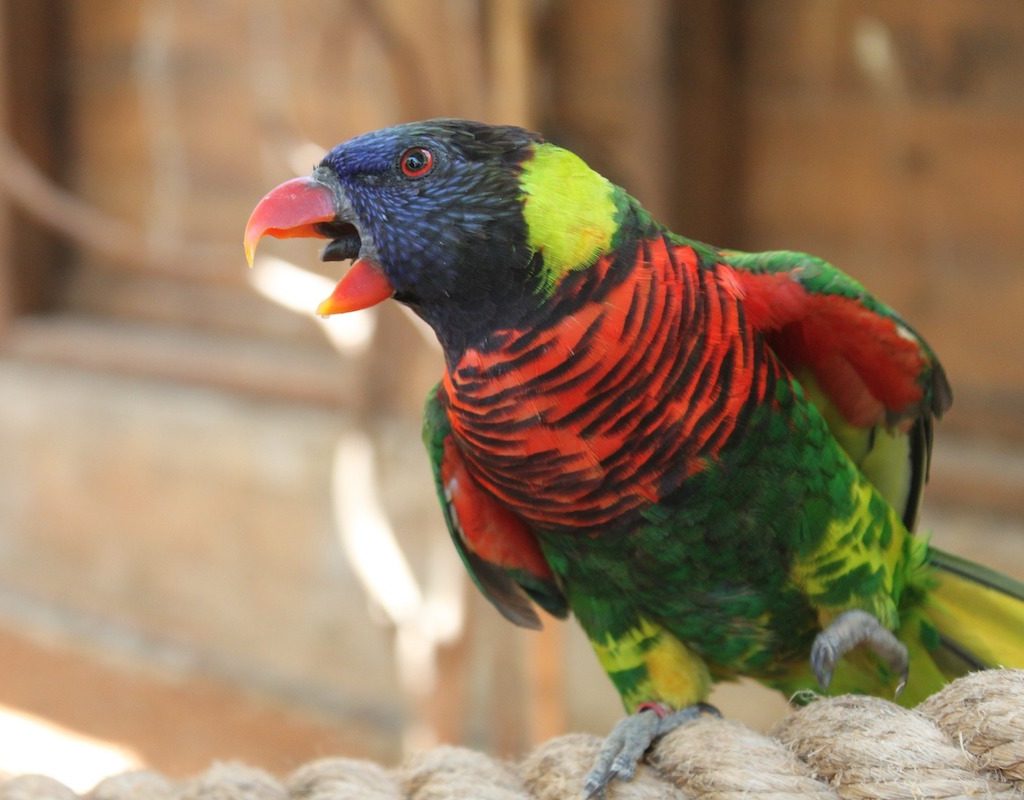
When your bird becomes scared or stressed, you may see him pacing or flapping in his cage. Check it out, but keep an open mind as birds do stretch and exercise their wings. You’ll probably be able to tell if your bird is having a pretend fly or quaking in fear. A wide-eyed, screeching, and flapping bird is most likely distressed. This should be an immediate sign that something is wrong and you need to investigate to determine what is disturbing your bird. If he’s triggered by his environment, he may also become aggressive, so tread carefully while he’s in this mood. Distressed birds do occasionally bite out of fear. Maintain distance while he calms down or wear gloves if he’s upset, but you have to pick him up.
Other signs, such as stress fasting or pooping, may take a little longer to suss out, and you should mindfully watch your avian for any new or unusual stimuli when he is exhibiting these odd behaviors. Similarly, a bird might overpreen if something is causing him long-term stress, which can damage the bird’s skin and feathers. Pet owners sometimes report birds who also give up singing when they become overanxious.
Once you know your pet bird, it will be easier to tell when something bothers him and to root out the cause. If you think a color might be the culprit, look for bright shades that might be frightening him. Always consult your vet if your pet feels prolonged stress, and consider a redecoration project to ease him with the playful colors he enjoys.