If you have a delightful pet bird or enjoy backyard bird-watching, you are probably familiar with commercial birdseed mixes. But what exactly is in birdseed? Does it go bad? Is there a wrong way to store it? Yes, birdseed can spoil. But how and when depends on a mix’s contents. Knowing how to keep birdseed can make all of the difference in keeping it fresh.

Types of birdseed
Different mixes of birdseed are designed to attract different types of birds, and consist of different elements. When you're planning out how to store your feed, you need to know exactly what's in there. The “premium” mixes generally contain more valuable seeds and are often advertised as bird-specific, for instance, a birdseed mix for songbirds. But what exactly is in birdseed? Black oil, striped or hulled sunflower seeds, safflower seeds, millet, sorghum, and cracked corn are often included. Some more expensive bags might also include pumpkin seeds, sunflower hearts, nuts, mealworms, or dried fruit. You can also make your own birdseed by buying specific seeds that the birds in your area like and then combining them together yourself.

How to tell if birdseed has gone bad
You might try to save money by buying birdseed in bulk and storing a portion of it for future use (and when done properly, this is a great idea). But while this is the most economical option, it might not be the healthiest situation for a bird. Birdseed can rot, and there are a few telltale signs to look for when determining whether your birdseed is still good. Immediately discard any spoiled birdseed, and definitely don’t give it to the birds!
- If you find clumps that are difficult to separate, they probably formed when the birdseed got wet, indicating that this batch should not be eaten.
- Infestations of insects or rodents can render otherwise good seed bad as well.
- Moldy birdseed is also, as you guessed it, inedible and should be discarded.
- Lastly, always do the sniff test: Foul-smelling seeds are indicative that they have gone rancid.
While dusty or faded birdseed is not necessarily spoiled, its age means it has lost some of its valuable nutrients. Replace any old birdseed with a new bag. Sprouting seeds won’t be eaten by birds, though they can be left to grow to produce birdseed-bearing plants.

How to store birdseed properly
While birdseed can go bad for a number of reasons, there are an equal number of ways you can safely store it to help prevent the bird's meal from spoiling.
Step 1: Don't leave unused birdseed in its original bag. This makes it susceptible to air and animals. Instead, get a container before you even buy the snacks.
Step 2: Invest in a good bin. You want to store the seed in an airtight container with a secure lid in a cool, dry place. Choose a vessel that will not chip, crack, or rust. If your area is prone to rodent infestations, consider thick plastic.
Step 3: Label each mix. If you keep multiple types of birdseed, choose containers that can easily be labeled. Also, for the sake of the birds, don’t keep pesticides or other harsh chemicals in the same area.
Step 4: First in, first out. Only buy enough seed for a few weeks to a month so it doesn't become rancid. Also, be sure to use your oldest seed first, and include dates on the labels if necessary.
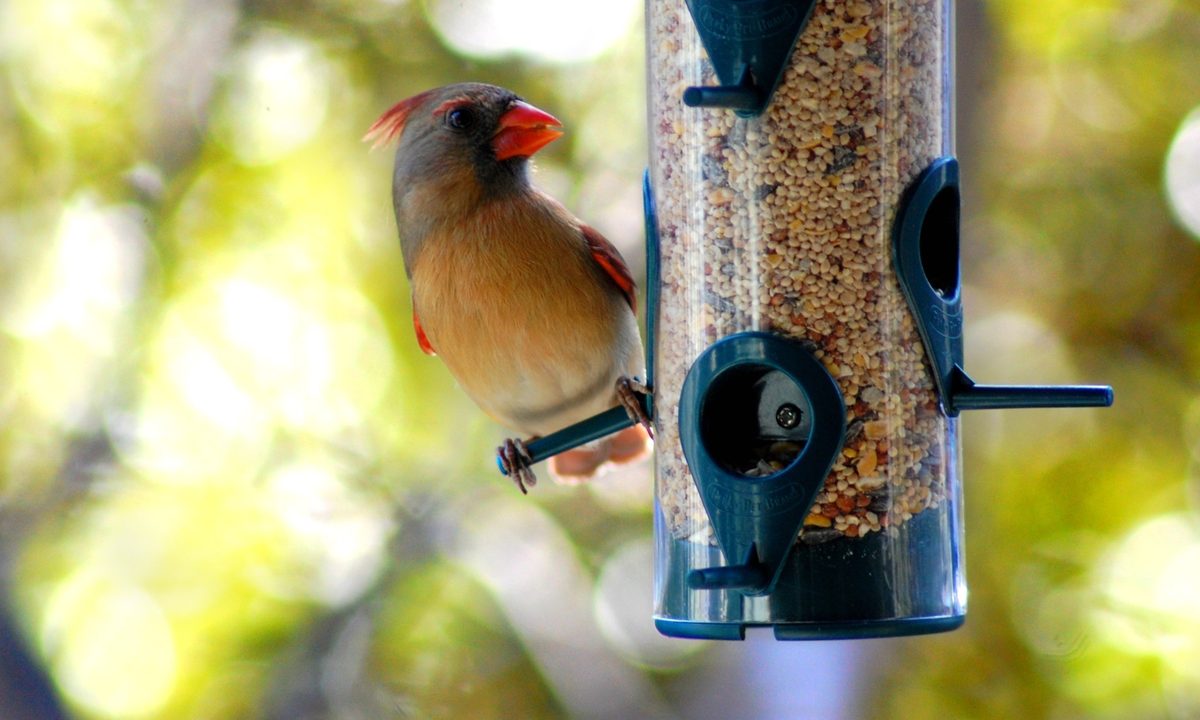
Step 5: Check your birdseed for spoilage. Fill feeders with just a few days’ worth in case it rains, so a large quantity of birdseed doesn’t get ruined. Always make sure the meal is still good before adding more.
Step 6: Tend to feeders daily, if possible. Clean up any excrement and replace seed if it has turned. Bird feeders should be wiped down frequently even if you don't see anything since bacteria might grow that's not visible to the human eye.
Frugal bird watchers commonly buy birdseed in bulk, and you can too! Just be sure to prepare properly so that your extra food doesn't go bad before your feathered friends have a chance to finish it. To help prevent birdseed spoilage, store your birdseed properly, and be sure to always inspect it prior to every feeding. When stored correctly, birdseed can stay good for around a year. However, you should still remember to buy in moderation! If you follow these simple tips, you’ll be graced with the presence of healthy, happy birds in no time.