There are many species in the animal kingdom, likely between 7 and 8 million in total. That means we share this Earth with countless others, most of whom look nothing like us (even though we’re fairly closely related in the grand scheme of things). Our nearest relatives are other vertebrates with backbones, like fish, reptiles, amphibians, mammals, and birds. So, what separates humans from frogs, or turtles from sharks? While these creatures do have some fundamentals in common, there are a number of characteristics that set each species apart. Knowing the difference between fish and reptiles will give you a better understanding of the natural world and your pets.
Are fish mammals or reptiles?
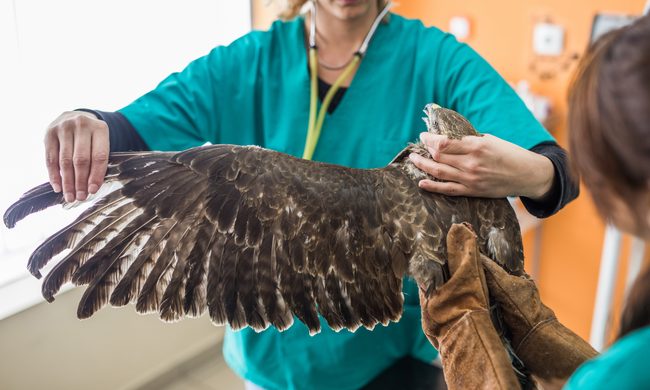
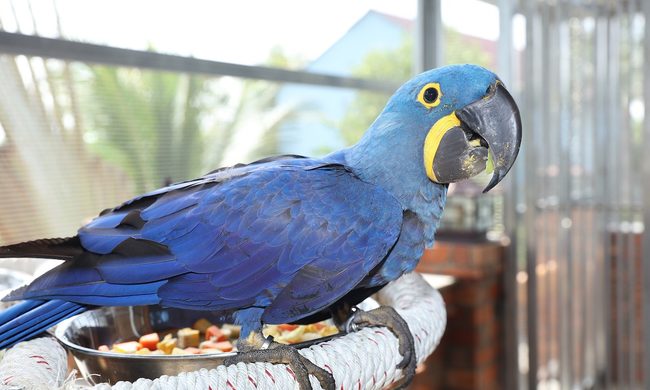
Actually, neither! It may be surprising to learn that fish are their own thing—more specifically, their own class. While humans, dogs, and even platypuses all belong to the mammal group, fish and reptiles each have unique traits that make them special. Most notably, mammals and birds are warm-blooded, while fish, reptiles, and amphibians are cold-blooded. That’s not where the similarities and differences end, though.
How are fish, reptiles, and amphibians alike?
All of these creatures are ectotherms, or cold-blooded, which means they can’t produce their own heat. While our body temperatures stay at relatively the same level regardless of the weather, body temps for this crew fluctuate to reflect their environment. That’s why you need to keep it really warm in the cage for your bearded dragon or boa constrictor—reptiles frequently slip into hibernation when it gets too cold. You’ll also notice that none of these animals have feathers or fur. We need that layer to trap in the heat that we generate, but that would be counterproductive for a fish that gets its heat from the water.
How are fish, reptiles, and amphibians different?
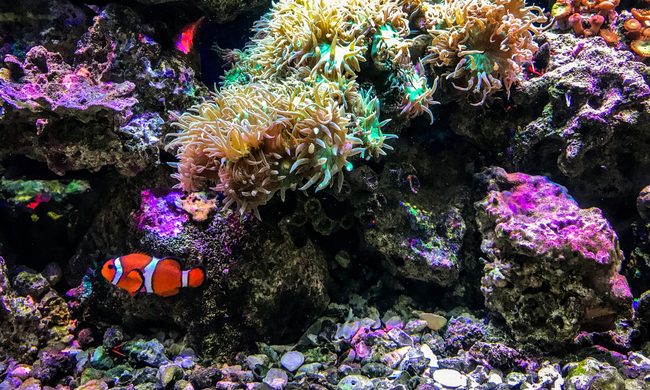
For starters, each has a slightly different breathing system adapted for the habitat they live in. Fish live entirely underwater and breathe through gills (though a few noteworthy lungfish are able to breathe air). They’re also covered in scales and have fins instead of feet, all of which are designed to help streamline their swimming. Altogether, from head to tail, fish are meant to live their whole lives under the sea.
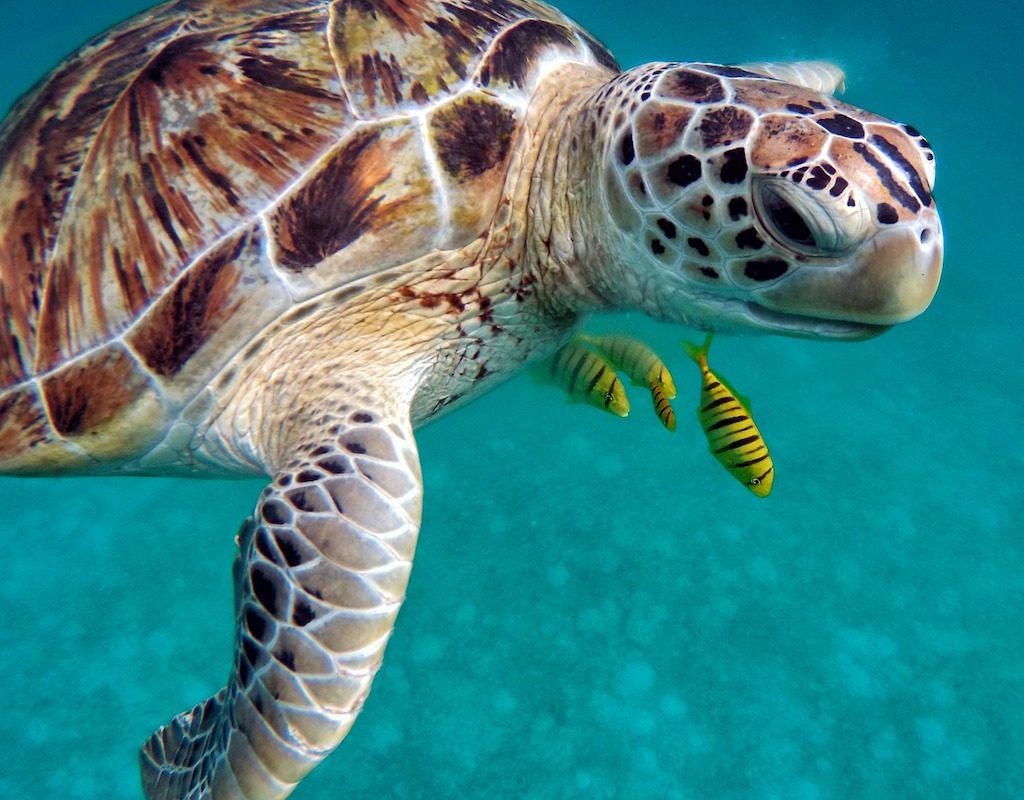
Then you have reptiles, which can live nearly their whole lives in the water, like a sea turtle. These animals only emerge to lay eggs on land. Unlike fish and amphibians, they have their babies on land, even if they’re water-dwelling. A few reptiles, such as desert snakes, have very little contact with water at all. That’s why almost all reptiles have thicker, scaly skin that’s not as suited to living underwater full time.
Amphibians fit in the middle because they spend the first part of their existence in the water with gills but then spend their adult life breathing air with lungs. Think about the way a tadpole transforms into an adult frog and you’ll understand what we mean.
What do I need to know to take care of my reptile or fish?
Reptiles run the gamut of care and habitats. A turtle is very different from a snake, and both are very different from a crocodile. Because of this, your new pet will have very specific needs that vary greatly depending on the type of animal. Many lizards, turtles, tortoises, and even some snakes need lots of moisture, so some require constant misting or a bowl. Aquatic turtles spend nearly their whole lives in the water and only come up to bask and warm themselves.
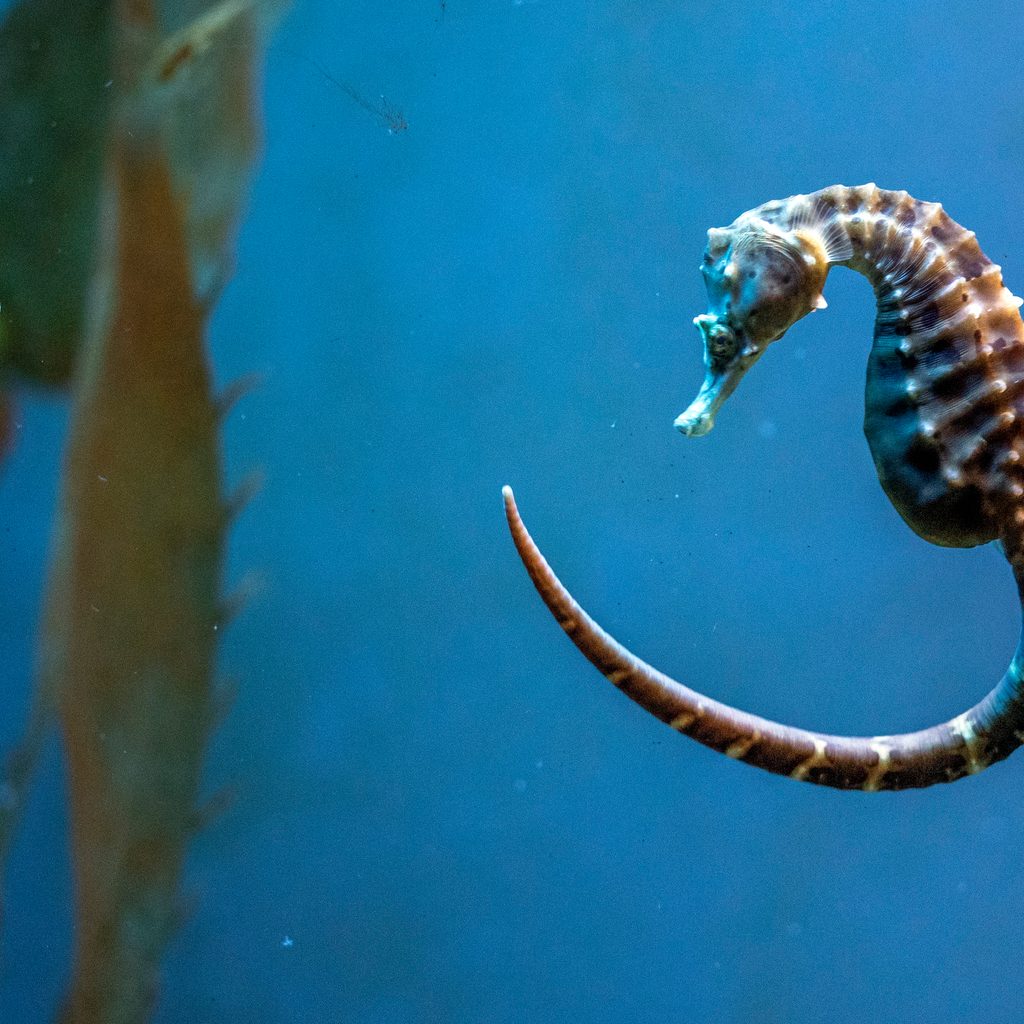
Most of us have a picture of what a fish looks like, but there are other animals that fit into this category, like seahorses and rays. Nearly all fish will want a full tank with plants and wonderful accessories. But just because they can breathe underwater doesn’t mean they don’t need oxygen—they do, and in spades. Make sure your filter provides enough fresh air to sustain all the life in your tank.
You might look at a bearded dragon and then at your betta fish and not see a lot of similarities, but they actually have plenty in common. One key factor in all this is to keep your enclosures warm since your reptile or fish can’t generate their own heat. Otherwise, you might come to find them in a deep sleep if it gets cold. We recommend a thermometer and hygrometer for all the tanks you run. And all pet ownership requires dedication, love, and care for the beautiful creature who’s been entrusted to your care.