Even if you’ve been a dog or cat lover your whole life, jumping into bird ownership means taking on new tasks and new responsibilities. Instead of thinking about litter, you’ll need to change his cage liner; instead of toy mice, you’ll have swings and ladders. Many of these necessary items seem obvious, but others don’t occur to first-time owners until the need arises. Get ahead of the game by stocking up on necessities before even bringing your pet home and stick with a good starter animal. Here are the best birds for beginners along with the requirements for taking care of them.
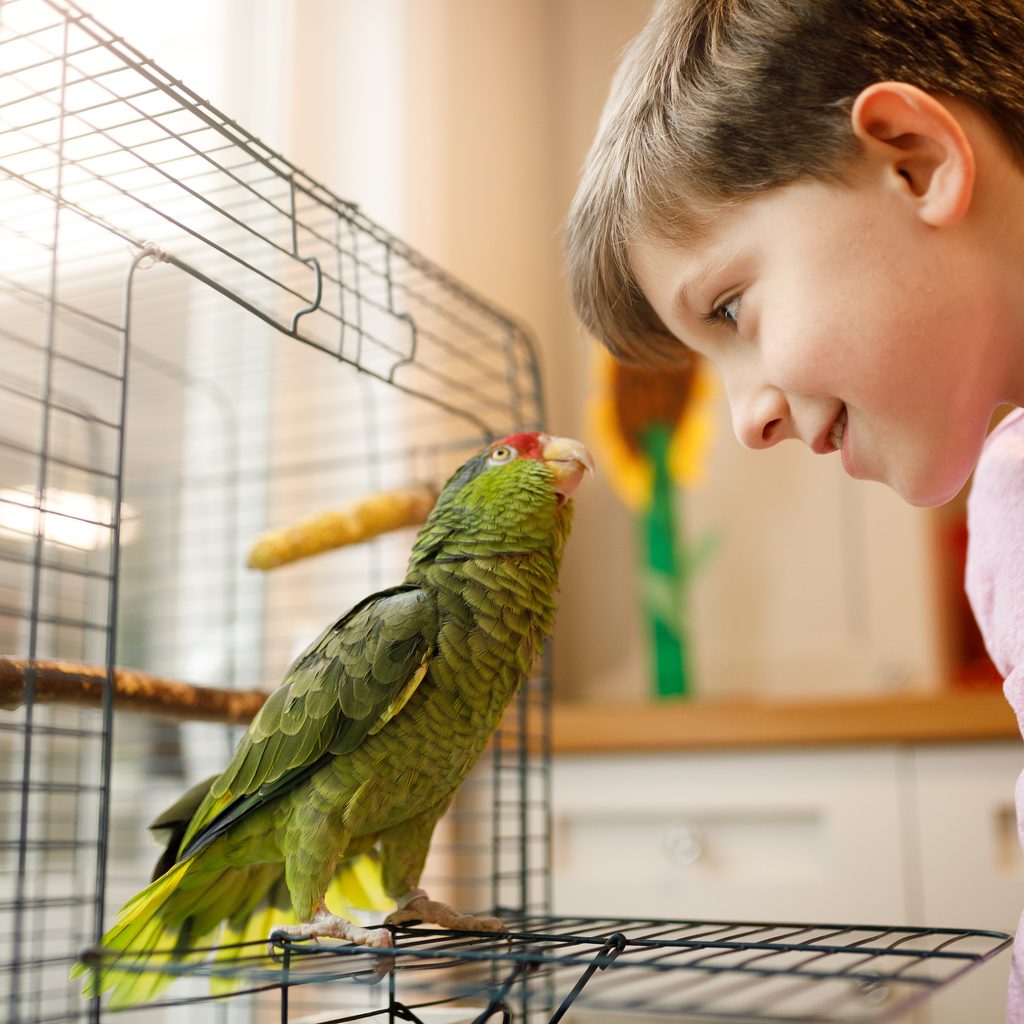
What is the easiest pet bird to take care of?
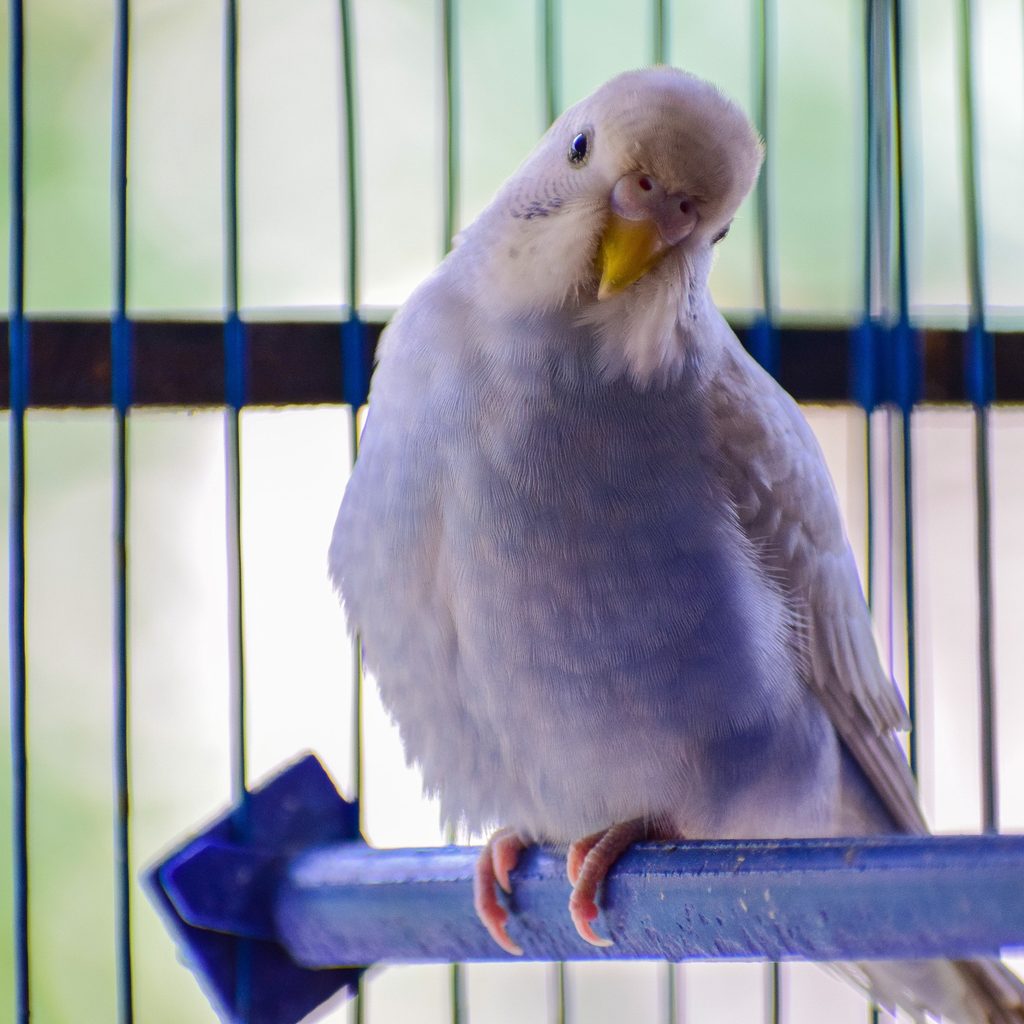
If you haven’t had a bird before, you want to start with a parakeet (also known as a budgie). These little parrots don’t do much talking, but they more than make up for it with their big personalities. You don’t need too much specialty equipment or training for these little guys, and they can spend much of their time in a large cage (though you want to let them out sometimes). For best results, bring home a pair of budgies, so they can keep each other company at all times. Two males work better since the females can get pretty territorial, and a mixed pair will bring you more birds than you’re ready for.
What is the friendliest pet bird?
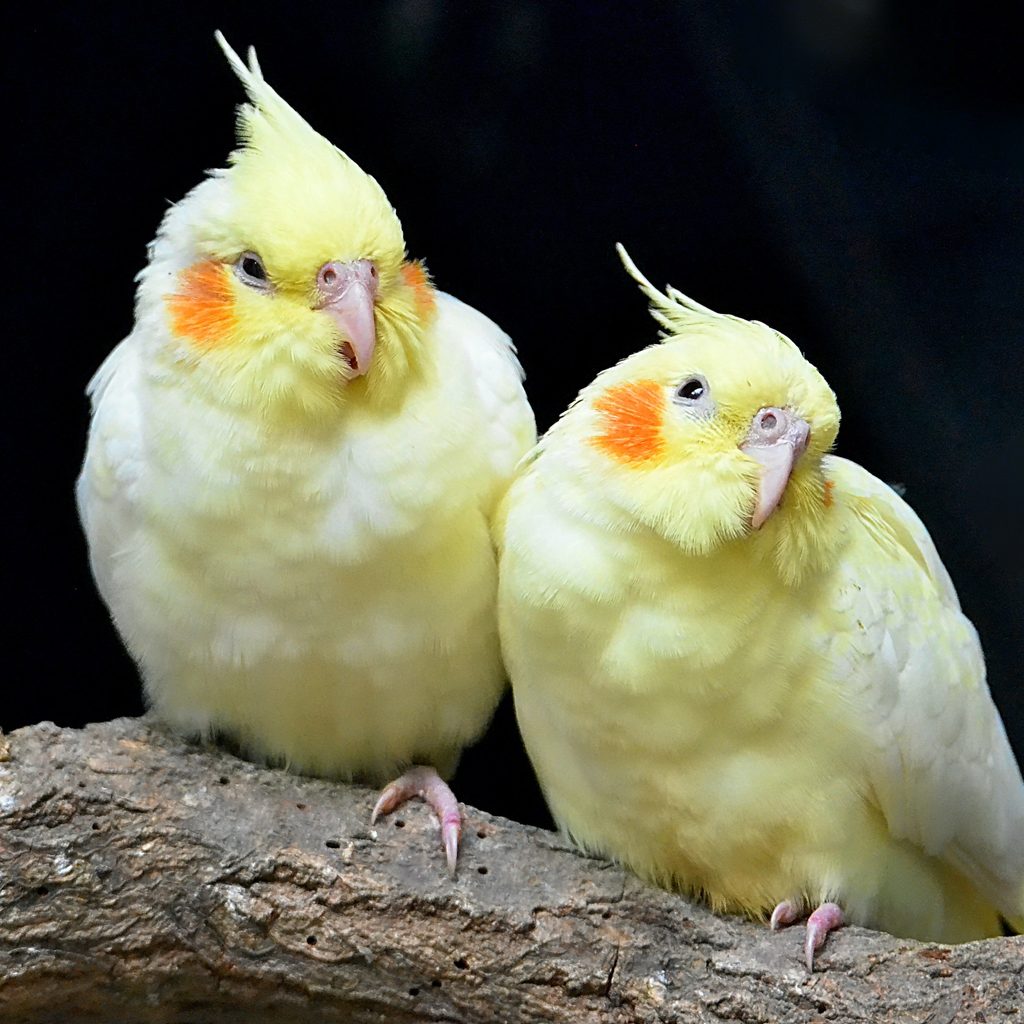
Budgies would certainly make the list, but canaries or cockatiels also make great friends while not requiring expertise. Known for their beautiful song, canaries provide accompaniment to your daily life. On the other hand, all finches (including canaries) need room to fly, plenty of exercise, and mental stimulation through toys. Cockatiels are inquisitive and friendly. This species takes more work and a little more knowledge than the others, so get a cockatiel only if you feel that you’re up to the challenge.
What do you need to take care of your bird?
Now that you’ve chosen your pet, you have to prepare for his arrival. Get everything on this list before you bring him home as you don’t want to be caught unawares and wind up lacking in the essentials. This is what owning a bird calls for.
- Cage and accessories: Make sure it’s big enough for your animal — this will depend on his size and how many birds you have. In addition to the housing, include perches, ladders, swings, and toys. Design your cage with room to fly or hop around between “branches.” Bring in plenty of fun things as well to keep him mentally occupied.
- Food and storage: It’s best to buy your food in bulk, but you must find a way to keep it fresh while you work through the box. Some food comes in resealable bags, but we recommend buying storage containers to maintain freshness.
- Auto-refill dishes: Most owners prefer these as they make it simple for your bird to be fed and happy at all times. Once he eats a little bit of seed, more drops down to fill its place. You still want to rinse out and refill the dishes regularly because they get dirty quickly.
- Grooming supplies: Your bird needs bathing and nail clipping from time to time. Buy a shower perch, spray bottle for cleaning, clippers, and styptic powder before you attempt a bath or trimming. You’ll also need the basics, like small towels, but you probably have some already.
- Cleaning gear: Just like your home, his cage needs regular cleaning, top to bottom. The food and water dishes will be easy to wash, but the cage requires a proper scrubbing. Some come apart for easier cleaning; regardless, you’ll want a brush, pet-friendly cleanser, and replacement liners.
What else should you do for your bird?
It doesn’t really count as an item, but you need to prepare a space in your home for the bird. If you have a larger variety, it’s essential that they have somewhere to fly around outside of their cage, daily. Your best bet will be to bird-proof a designated room where you let him have some degree of freedom but don’t leave him long without supervision if there’s anything he might get into or a way to escape. Remember that ceiling fans, radiators, and smoke all present a hazard to birds.
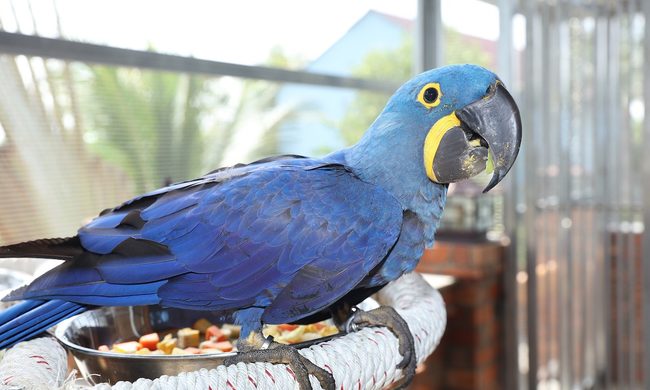
You may be tempted to go straight to a parrot for your first bird, but these larger animals require lots more space, time, and training, not to mention expense. By starting with the easier, yet lovable and interesting, avians, you’ll gain the experience needed to dive into the tricky aspects of bird ownership. Once you feel you have the basics down, move on to the macaws and eventually even an African gray. No matter which species you choose, you’ll have a close friend with you for years to come.