
You’re ready to dive into your first aquarium, but where do you start? Owning freshwater fish might seem easier than keeping other pets, but it still requires prep work and care. For starters, always purchase your tank, food, and equipment before heading into the pet store to pick up your new fish. This way, you’ll have everything ready to go (and the opportunity to troubleshoot any surprise problems). By setting yourself up in advance with aquarium essentials, you’ll conquer pet ownership with ease.
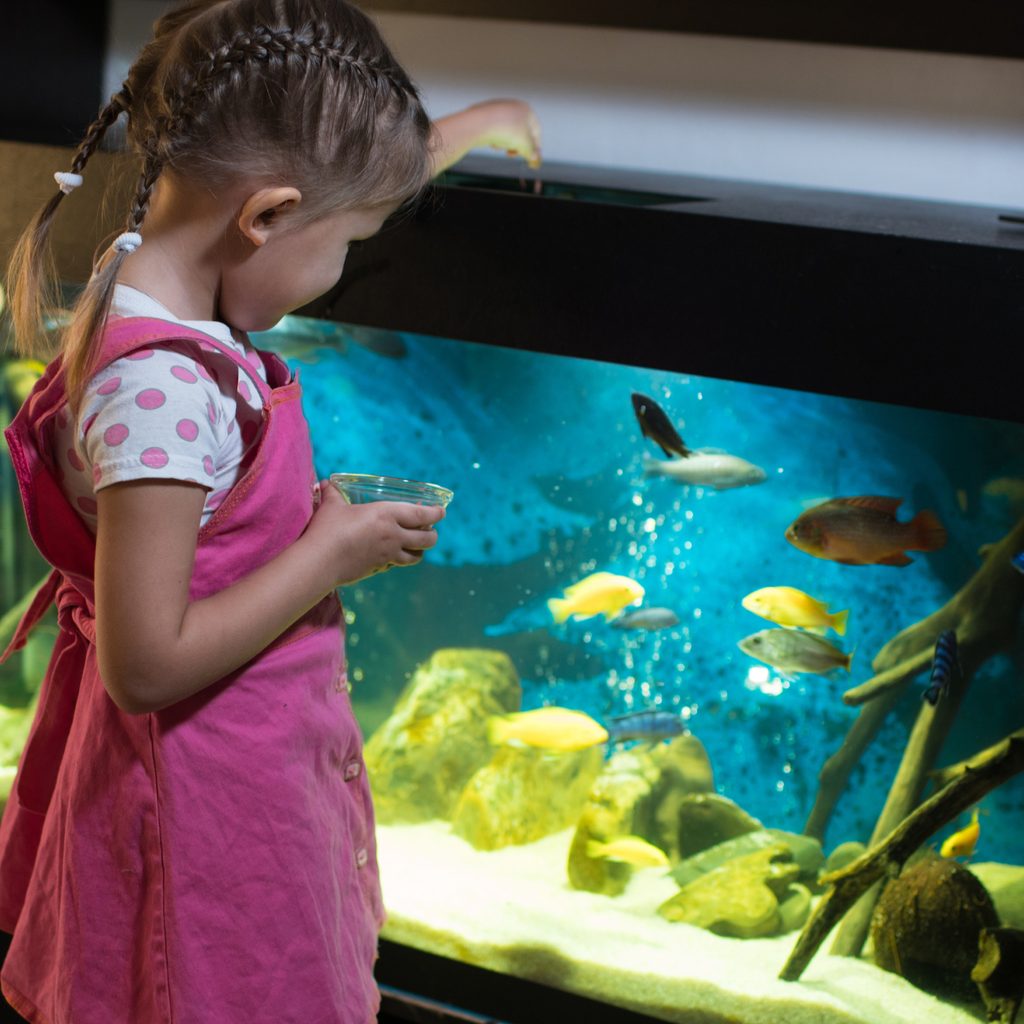
What do I need to know before buying a fish tank?
Before you even purchase a tank, you’ll need to make a few key decisions — mainly which fish you get and how many. Getting too small a tank can hurt your fish and make it a lot harder to keep the environment clean. Some fish prefer to live together, like tetras, and others need to be alone, like bettas. Certain species might do fine together in theory but have vastly different temperature or lighting requirements, making it impractical to keep them in one tank.
We recommend true novices begin with a 20-gallon tank. While a couple of small fish can certainly live in a 10-gallon, it can actually be harder to maintain since it will get dirty faster. Remember, some of the worst offenders for your fish’s health are invisible to you, like ammonia and nitrates.
What else should I buy?
Your tank is just the beginning. Once you’ve selected the right size and have a good idea what types of fish you’ll be keeping, it’s time to look into accessories. Some of these are essentials and others are just fun. Start with a filter and other must-haves like a light or heating pad. Different species need different setups, and you’ll need to carefully pick instruments that fit your aquarium and space. While a solitary goldfish or betta might do all right without a filter, you’ll almost certainly need one for a larger group. If you’re adding a light source, a timer can make it easier on you, so you don’t need to remember one more light to turn off each day.
Next, you should grab fish food and other additives like aquarium conditioner, which helps keep the nutrients and chemicals in sync. A water-quality testing kit will be beneficial as well. Even with a filter, you’ll need to regularly wipe down some parts of the tank by hand and will want to deep-clean occasionally. Add pet-safe cleaning supplies to your list so you’re prepared when the time comes. Don’t forget replacement parts, a fish net, and fish medicine.
Last, but certainly not least, you get to pick out your decorations. Begin with the floor of your tank, which will probably be gravel or sand, and work your way up. Plants, ornaments, and toys will give your fish something to interact with or a place to hide. Live plants can be a great bonus to your new fish home but require extra maintenance. Stick with fake ones if this is your first try and level up as you go.
How do I set up my tank?
Make sure to put everything in your tank together, including water, before you bring home your new pet. For many fish, you’ll need to let the filter run for a few days or even longer to make the tank hospitable. Your fish need the proper oxygen and nutrients levels for them to thrive. Add all plants in advance, too, and keep an eye on them to ensure they take hold. Discard any dead plants or leaves immediately as those can disrupt the chemical balance of your mini ecosystem.
If you have a water-testing kit, check the aquarium a few times at regular intervals while waiting for your new inhabitants. Also, examine your tank’s location at different times of day to check lighting and temperature. Fish are finicky, and you want to maintain a consistent habitat for them.
You’re now ready to bring home your newest additions. Shop at a reputable store and examine your pets carefully before purchasing. Look for obvious signs of distress or sickness and poke around to confirm they’ve been kept in a big enough tank and are adequately fed. Once you get them home, they’ll need to acclimate to your water temperature before fully submerging. Last tip: Don’t go overboard buying every fish you’ve ever dreamed of owning. You can always get more, but too many will lead to fish congestion. We bet you’ll be an aquarium enthusiast in no time.