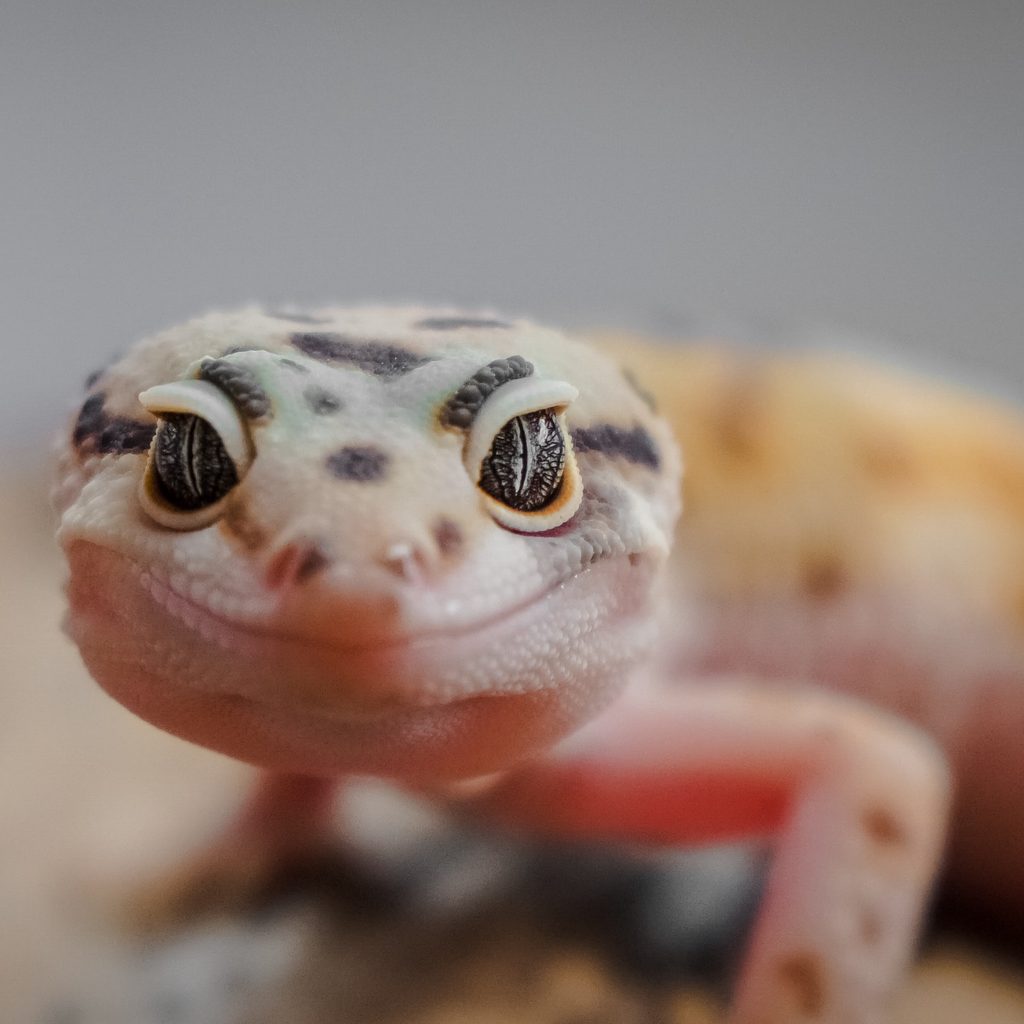
Ever wanted a pet with sticky fingers that can glide and lick its eyeballs with an incredibly long tongue? You won’t find a puppy that can do those things. If you’re looking for that level of acrobatics, try out something in the lizard family, like a leopard gecko, one of the most popular scaly pets. In addition to being just plain cool, geckos are relatively easy to keep and live up to 20 years! That’s right. If you get a baby for your Kindergartener, you’ll be sending the lizard off to college. But that’s assuming your animal is kept properly, which is especially important when they’re young and fragile. Here’s everything you need to know about gecko care.
What type of pet parents should adopt a gecko?
Everyone who’s interested in gecko adoption and has the time and space to commit to it! We recommend the leopard or crested for a first-time herp-parent but once you have that down, there are 2,000 breeds to consider that hail from across the globe (geckos are found on all continents except Antarctica). They also require some specialized feeding and care, which just means you need to ensure that you’re really committed before bringing your new pal home.
Gecko care: What does a gecko need?
As mentioned, there are a few things you probably don’t know if you’re new to the slimy side of pet ownership. Geckos need to stay warm and wet and full of insects, so you will find yourself developing a whole new set of skills once you bring your new little guy home.
Habitat
We always say the habitat has to come first, long before you even go pet shopping. It’s just too tempting to buy a cutie right there and then frantically try to set up their enclosure. Gather all their things at least a week in advance and spend some time setting it up. The exact temp and humidity level varies by species but all of these lizards want a warm spot and a cool spot.
Of course, to get that precision, you want a thermometer and hygrometer as well. Your gecko probably wants a UV lamp as well, though keep in mind they may be nocturnal and need to keep a certain lights-off schedule. Lastly, provide ample substrate and natural elements such as rocks and twigs.
Food
As mentioned, most geckos are carnivorous or omnivorous, preferring delicious, high-protein bugs. Though a few also consume fruit, you mostly will stock up on crickets and mealworms (only buy these from a pet store and never bring them in from outside so as not to introduce diseases). These creepy crawlies will be gut-loaded before going down the gullet, meaning they get packed with vitamins and minerals in the last hours of life before passing those nutrients on to your pet.
Care
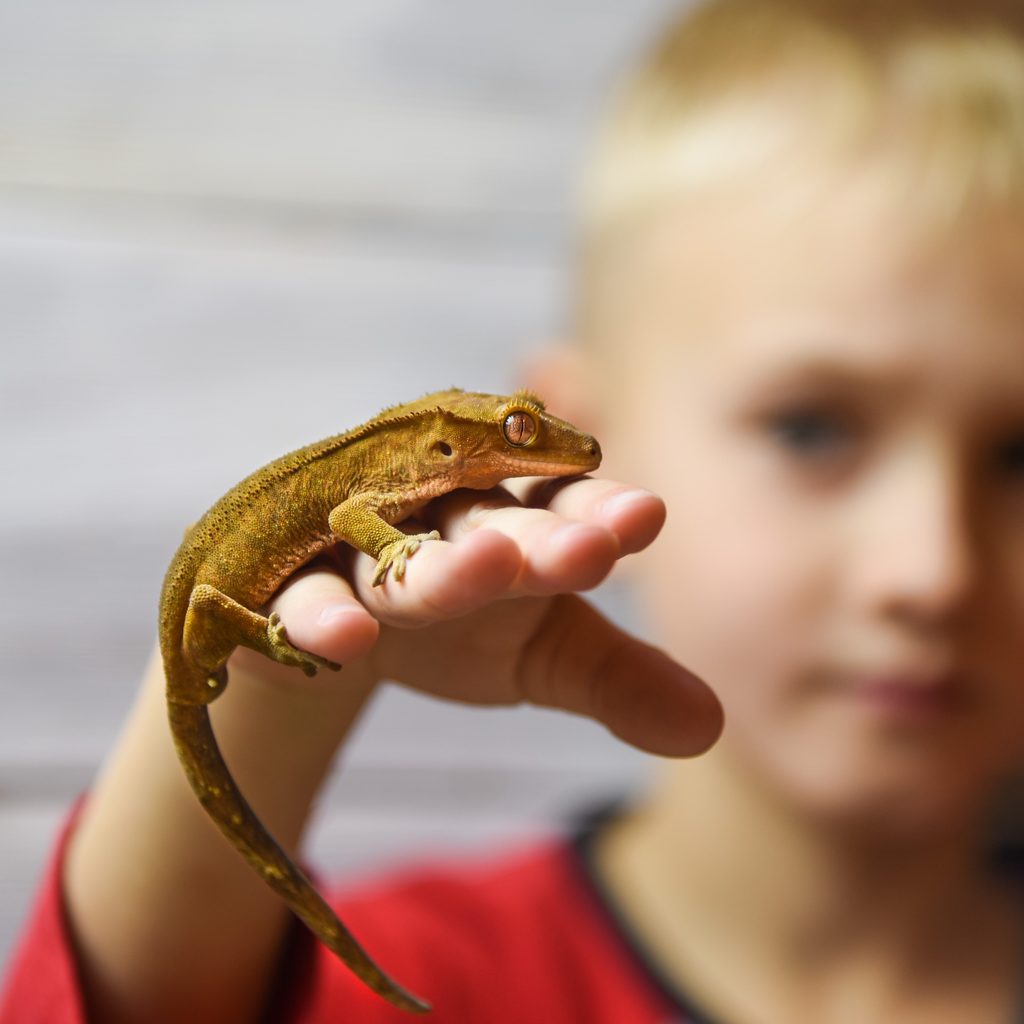
Teaming up with a specialized vet goes a long way to keeping your gecko healthy. They are prone to a few diseases, particularly when very small, and have fragile bones. When you first bring them home, give them at least two weeks to settle without being handled. Then start small and gentle, paying extra mind to their sensitive tail. As you likely know, that can break right off, an effective method of escaping predators. Babies are more sensitive, but getting them young will help get them used to you long-term.
Play
Geckos love to explore and some will even take to toys. Create a reptile-safe area and let your lizard out for short periods with supervision. They’ll take a good look at their surroundings and explore you as well. Some owners set up obstacle courses with safe items like toilet paper rolls and empty boxes. Remember though that geckos can carry diseases like salmonella so wash your hands after and keep them away from your face.
Every pet brings unique joys and challenges with geckos having some particularly fun traits and a few tricky needs. While leopard geckos make great first-time pets, try out the beautiful Tokay Gecko once you have your herping down. While you likely want separate tanks for climate, you can put a few in a room together. For all of these little reptiles though, be careful to keep them mostly away from other pets as the stress of animals will throw their fragile constitutions out of whack.