Your bird is displaying strange behavior, and you know it means something's up. You suspect your bird is afraid of something, but what? While it's important to calm your bird, you could make things worse without knowing for sure what’s happening.
Birds use body language to tell us what’s going on, and displaying fear is no different. It’s time to learn the signs of fright in a bird and what to do to calm down scared birds.

How do birds show fear?
Birds show stress in a number of different ways, such as feather picking, loss of appetite, and repetitive behaviors. Fear is another way birds tell you they’re experiencing stress about something.
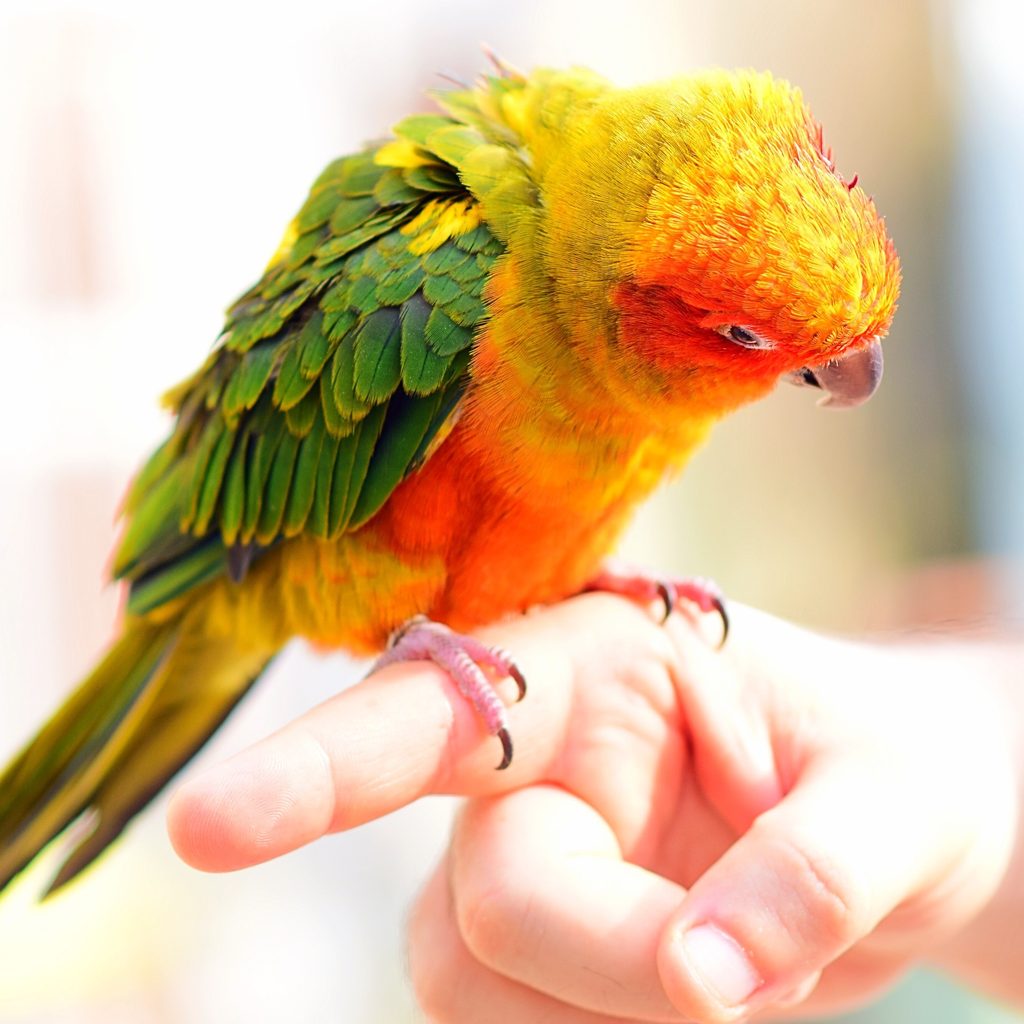
When a bird is afraid, they pull their feathers close to their bodies. Showy birds like cockatiels may put their crests up or spread out their wings close to the ground. Some birds stand in a corner and rock from side to side.
Extremely frightened birds may up the ante by hissing or snaking their heads and attacking a person, toy, or another nearby animal. Vocal birds may display distress sounds and hesitate to settle on any surface.
If you suspect your bird is scared of something, it’s time to do some detective work to figure out what it is. If your bird is experiencing signs of prolonged stress, it’s time to consult your veterinarian.
What scares birds?
Birds have natural enemies in the wild and have evolved fear tendencies to keep them safe. Here are a few common things pet birds may find frightening:
Other birds: Predatory birds can cause trigger fear if your bird spots them. Eagle or hawk shadows appearing on the ground outside may send some birds into a stress response, for example.
New items in the cage: If a bird isn’t familiar with a toy or new item, it may show a fear response until it’s sure the item won’t cause harm.
Other pets: Do you have a multi-species household with cats or dogs? Your bird may never get used to them. If your other pets have attempted to play with or catch your bird, that could make things even worse.
The dark: Birds often fear the dark, and some pet birds may require lights at night to sleep peacefully.
Change: Birds often treat change as something to be feared. It’s essential to introduce new things to your bird slowly to help reduce some of the stress response.
Color: It may sound absurd, but certain colors scare birds. They don’t see color exactly the way we do — they see more! If a new shirt is causing your bird to panic, it could be a UV spectrum color you don’t even know is there. Changing shirts may help.
Being held or touched: Birds must acclimate slowly to their owners and anyone else who wants to handle them. Gradually desensitize your bird to being touched, which will help make caring for your bird, vet visits, and having visitors more comfortable for both of you.
How do I calm my stressed or scared bird?
Calming your bird is important for ensuring its health and well-being. You may not be able to eliminate fear completely, but you can help make your bird’s life easier. Follow these steps:
Step 1: Remove the source.
If you can figure out what your bird is afraid of, getting rid of it is the first step. This may also mean moving your bird away from a window if the fear source is currently outside.
Step 2: Introduce new things gradually.
If your bird shows fear for something new, gently and slowly desensitizing your bird can help. Use treats, and keep a careful watch over your bird’s stress signs to know when it’s too much.
Step 3: Provide stimulation.
Birds get bored just like the rest of us. Overall stress can lead to a fear response and may alleviate with stimulation. Try favorite activity or providing a distraction through a familiar puzzle toy.
Step 4: Move slowly.
If you need to adjust the location of the cage, start by moving it just a little at a time instead of into a different room all at once. Approach your bird mindfully and introduce new things gradually.
Step 5: Allow your bird to recover.
Sometimes, the best thing to do is remove all outside stimulation. Place your bird in its cage (which is hopefully already in a quiet spot) and place the cage cover over it. This can help your bird to calm down and refocus.
How do you form a bond with your scared bird
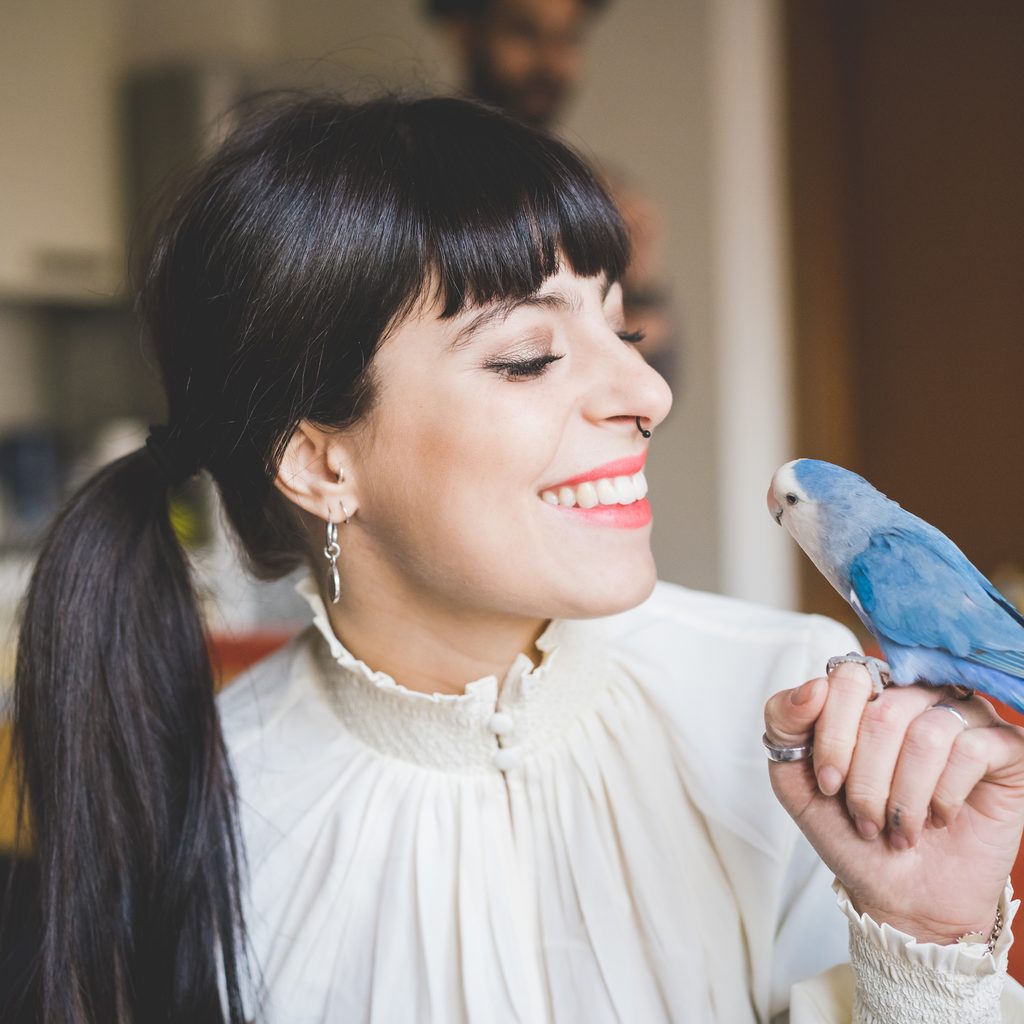
We've laid the foundation for managing your bird on a day-to-day basis, but what do you do when you bring home a new pet? Chances are, even the chillest breed will have some nerves on day one. Assuming you have a younger animal, you want to start hand-raising them soon, but don't dive in too quickly.
Give them a few days to adapt to the new environment and then go in slowly. As with all pets, treats can help bridge the gap between avian and human. Doll these out early and often while your bird gets used to you. Pretty soon, your flyer won't fear you at all.
Pay close attention to your bird
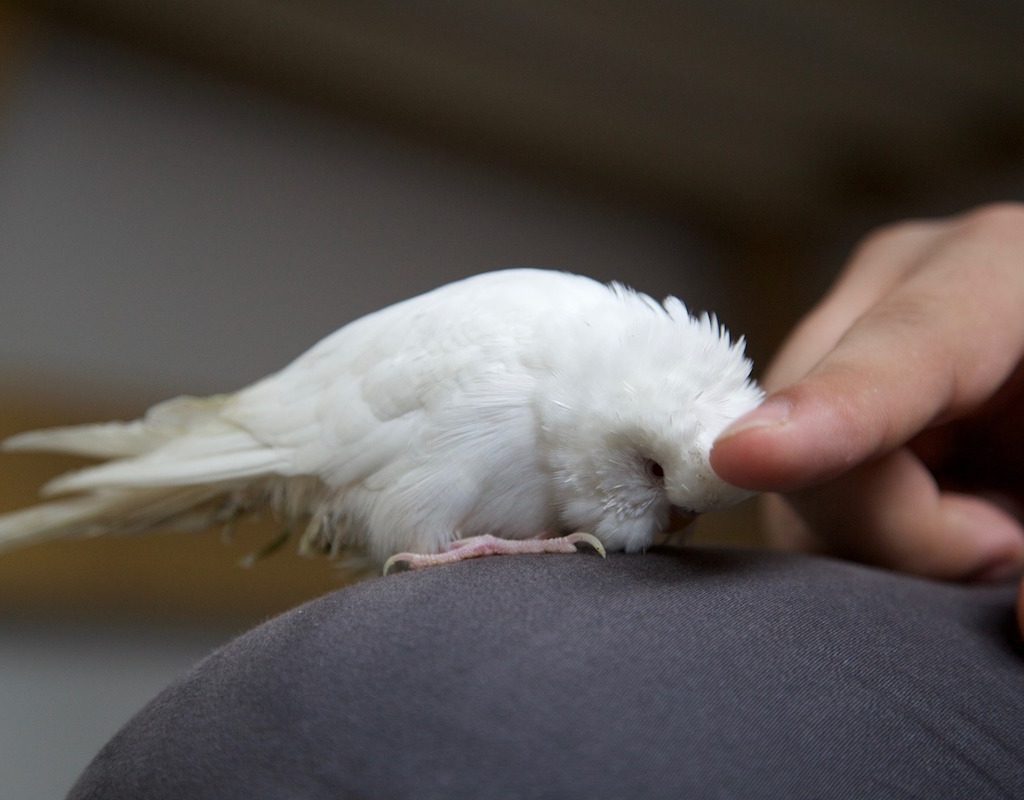
Learn your bird’s unique body language and preferences to help reduce stress and the chance of fright. Some birds may only have the standard triggers and be happy overall, while others tend to be more anxious. Your knowledge of your bird can help sort it out.
Spending time with your bird, allowing it to bond with you slowly, and providing a healthy environment with plenty of enrichment gives your bird the foundation for healthy behaviors. Taking action to remove stressors and keeping an open line of communication with your vet can help you handle any fear your feathered friend may experience.
If you’d like to know more, you can check our guide on what to feed a baby bird.