  1. Home
  2. Other animals
  3. How tos

This is how to remove bird poop stains from clothes (tips that really work)

Follow these tips to get bird poop out of your clothes

Add as a preferred source on Google
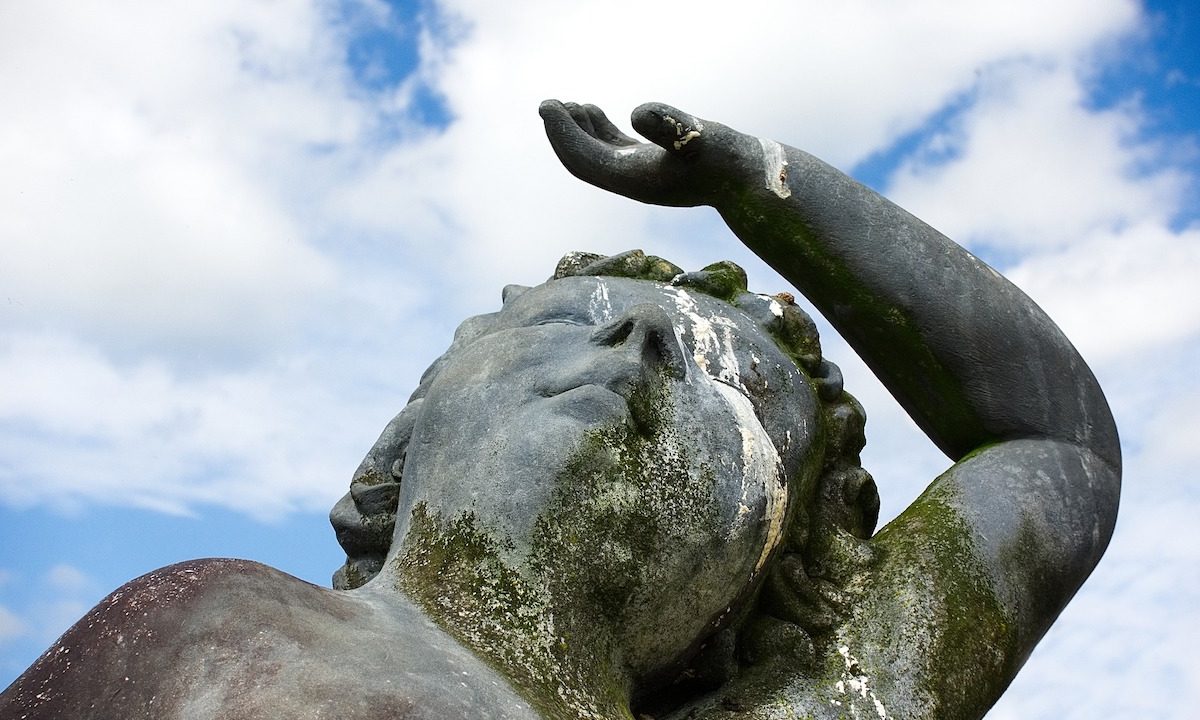
Statue covered in bird poop
Image used with permission by copyright holder

We've all been there: Nothing ruins a day more than winding up with bird poop on your clothing, or worse, your skin and hair. Bird poop seems to strike at the worst times — you're walking down the street and happen under a pigeon or you end up at the wrong end of your parrot.

While all you need is a good scrub to cleanse your body, it takes a bit more effort to get your clothes clean of bird leavings. Don't panic. With simple cleaning solutions, you can get your garments back to new. Here is how to remove bird poop.

Recommended Videos

Difficulty

Easy

Duration

15 minutes

What You Need

  • Cold water

  • Laundry detergent, vinegar, baking soda, plain seltzer, or hydrogen peroxide

  • Empty spray bottle (to mix in)

  • Cleaning cloth or old toothbrush

  • Protective gloves

Statue covered in bird poop
Image used with permission by copyright holder

How to remove bird poop

You open your cupboard and find almost an endless supply of cleaning materials. But which will get rid of bird poop stains and which will make them worse? Before rushing in, take a minute to take stock. Follow these steps for your best chance of eliminating spots from your fave shirt.

Step 1: Create your mixture.

First and foremost, always use cold water. Because bird poop contains proteins, hot water can actually cook it into the fabric. That will make it worse, and probably permanent.

Start with a mixture of plain old detergent and water, but only a little bit of the detergent. If you have a spray bottle lying around, that will make a great container for your concoction.

Step 2: Apply the mixture thoroughly.

Squirt a healthy amount onto the stained area, making sure to coat the stain thoroughly. If there's a chunk of poop on there (gross), you'll want to wipe that off first as best you can. Use gloves during the entire process to keep your hands clean and make sure you don't come into contact with any bacteria. Let cleanser bubbles sink in for a minute, and apply a bit more of your cleaning concoction

Step 3: Scrub and blot.

Grab a plain cloth and start to rub in your cleanser. As suds appear, blot up any excess. You don't want to push the stain in, so you need to use a light touch. If the stain is on a slick surface (such as a rubber boot), grab a spare toothbrush instead of your rag and give the surface a good scrub.

Step 4: Repeat as necessary.

The stain might not come out completely on the first try. Keep at it, and don't let the area sit too long between cleanings (basically, never allow the fabric to fully dry). The last thing you want is for the residue to bake in if you leave for a few minutes and don't return quickly.

Step 5: Wipe with water.

Once you feel confident that more cleanser won't help, it's time to wash it out. Again using cold water, you want to rinse carefully. While you may be tempted to put the entire piece of clothing under the faucet, you don't want any runoff to drip down on untreated areas. Once you've removed the top layer of the stain, rinse more thoroughly as the fabric allows

Woman looking nervously with parrot on her head
Image used with permission by copyright holder

Does vinegar work?

Yes, and so do a few other simple solutions. A mix of vinegar and water, water and baking soda, plain seltzer, or hydrogen peroxide — any of these can help get rid of bird poop.

But be careful before you dive into combining solutions. A few things (ammonia and bleach, famously) should not be mixed, so don't mess with that. Only combine a cleaning agent with water, not with other chemicals. Mop it up after it's done its work, with a bit of extra water if necessary.

Other possible options

You can always turn to hardier stain removers, such as carpet spot remover or instant stain remover. And if all else fails, you can try to bleach out a stain.
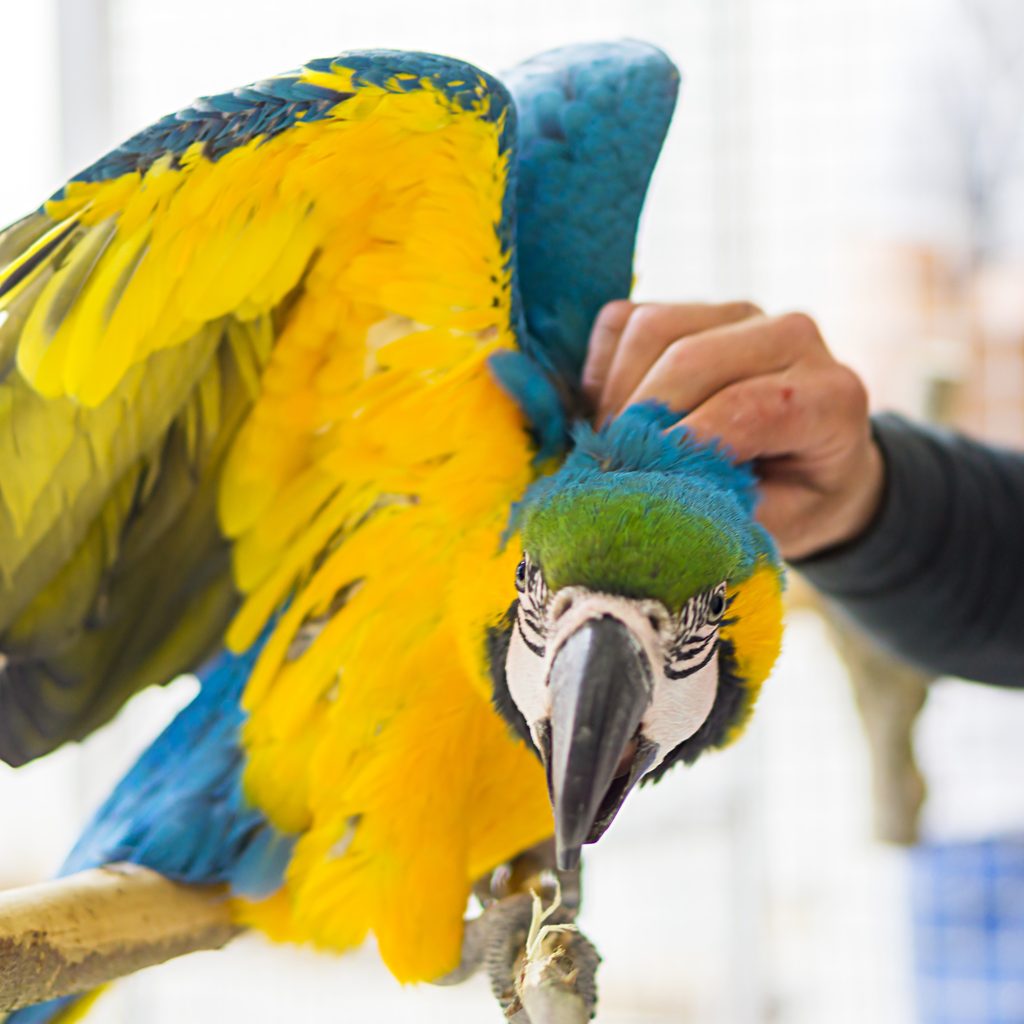
Blue and gold parrot being petted by owner
Image used with permission by copyright holder

Closing thoughts

If you've been popped on by one of your own birds, you may want to consider potty training your pet bird, since birds can control when they poop. If your feathered friend knows only to go in a small section of their cage, they won't relieve themself elsewhere if they can possibly help it. Of course, this won't work at all if a wild avian chooses you as a target. That's when you for sure turn to your handy cleansers.

Rebekkah Adams
Former Contributor
Rebekkah’s been a writer and editor for more than 10 years, both in print and digital. In addition to writing about pets…
Topics
How to reduce nitrates in your aquarium quickly and effectively
Get the nitrates under control for your fish
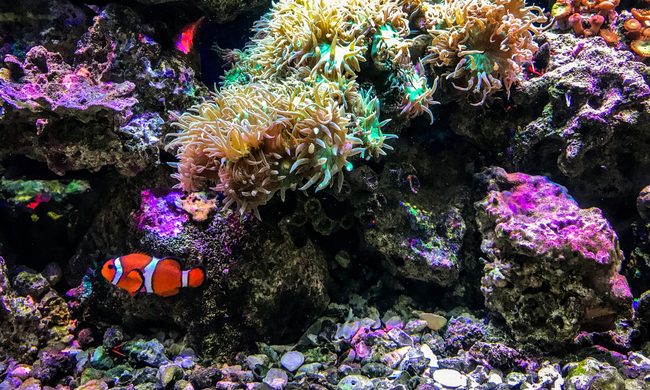
Clown fish swimming through corals in an aquarium

It’s one more thing to add to the seemingly endless aquarium checklist, but you need to stay on top of your nitrate levels. You’ll never get them to zero (though if you do, let us in on the secret), but keeping the aquarium chemicals in balance will greatly increase your fish’s life span. While not quite as dangerous as ammonia, out-of-control nitrates can kill fish. Proper testing, cleaning, and filtering will enable you to reduce nitrates and keep your fish healthy. Keep reading for more tips on how to reduce nitrates in aquariums.

Read more
Fish swimming at the top of the tank? Check these 3 things right away
Here's what might be causing fish to swim on the top of their home
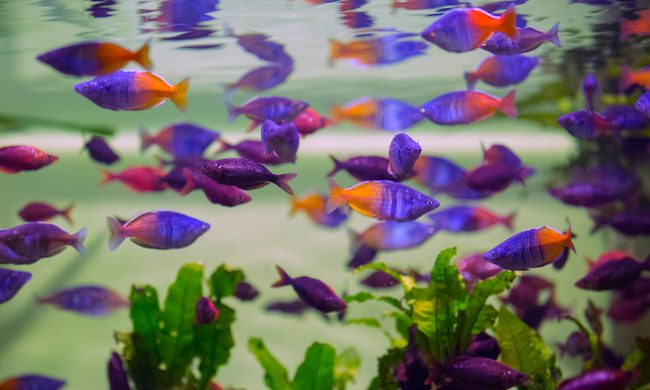
A school of rainbowfish in a tank

Before you set up your first tank, you likely didn't realize how much work went into maintaining the perfect ecosystem. In nature, we have the checks and balances of evolution to guide the delicate equilibrium, but in an aquarium, it's just you. Learning how to clean, feed, and decorate takes time and research but will certainly benefit you — and your swimmers — in the end.

Since fish can't tell you what they feel or even bark to let you know they need something, you'll have to discover other cues to tell you something's up. If you find your fish swimming at the top of the tank, take action right away. Here's what to do when your fish spend too much time at the surface.
What does it mean if you see your fish swimming at the top of the tank?

Read more
The lifecycle of platies — how to take care of these pretty fish
You need to prepare well for platies even though they're a good beginner fish
Two platy fish swim together in an aquarium

One of the perks of getting an aquarium is filling it with brightly colored, beautiful fish. If you are a first-time tank enthusiast, then you'll want to stick with swimmers that fit into the easy category. Of course, there's no such thing as a true starter pet — all animals take commitment and care. But diving into the deep end won't do anyone favors, which is why we recommend certain fish for newbies, including platies. Platy fish care has a few complications, but we'll walk you through everything you need to know.
What is a platy fish?

Sometimes called the Southern platyfish or Mickey Mouse platy, these beauties are native to North and Central America. In the wild, they live in slow streams, ponds, and even ditches. In captivity, these guys only get a couple inches long with the females growing slightly larger. You will only have this fish for a few years; however, they do breed fairly prolifically, which means you could end up with a whole school without really meaning to.
 Platy fish care: The basics

Read more