There’s a lot to love about lovebirds. They’re known for being extremely affectionate, either with each other or with us (usually not both; more on that later). Plus, these pretty pets are intelligent, funny, and, of course, gorgeous to look at. Whether you’re an avian expert or getting your first feathered friend, you’ll find the lovebird to be a solid choice. In fact, they work as a great beginner bird for anyone who isn’t equipped to take on a larger parrot. Before taking the plunge and bringing one (or two) home, check out these lovebird facts.

They mate for life
No surprise here — it’s right there in the name. These attractive parrots probably are monogamous because it enhances their social structure, and so lovebirds are extremely devoted to their partners. In the wild, this means they choose mates young and maintain that relationship through rituals and courtship behaviors, like feeding. At home, a single lovebird will bond with you since they don’t have any other animals to hang out with. A pair, on the other hand, will mostly want to stick together and may ignore you completely. Remember, though, if you sign up for a solitary bird, you need to take the place of her great love. Be prepared to spend a lot of time together and try to bond early in her life. Never break up a mated pair once they’ve become attached. If they need to be moved or re-homed, do everything you can to ensure they can stick together.
There are a few different kinds
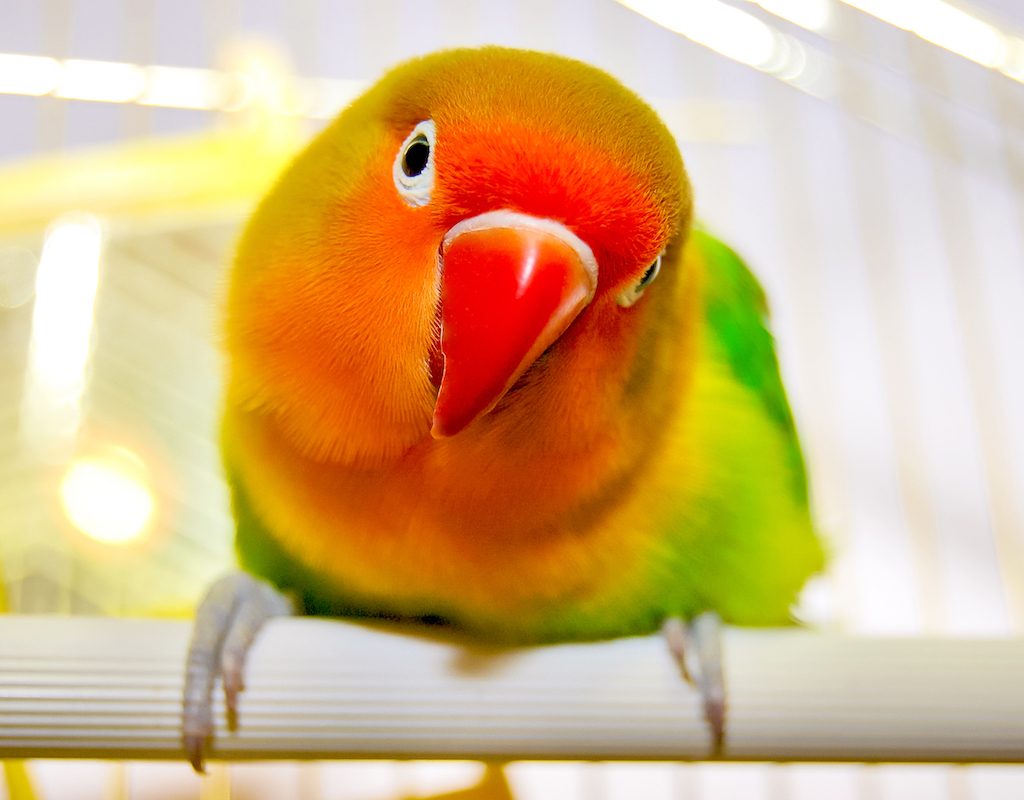
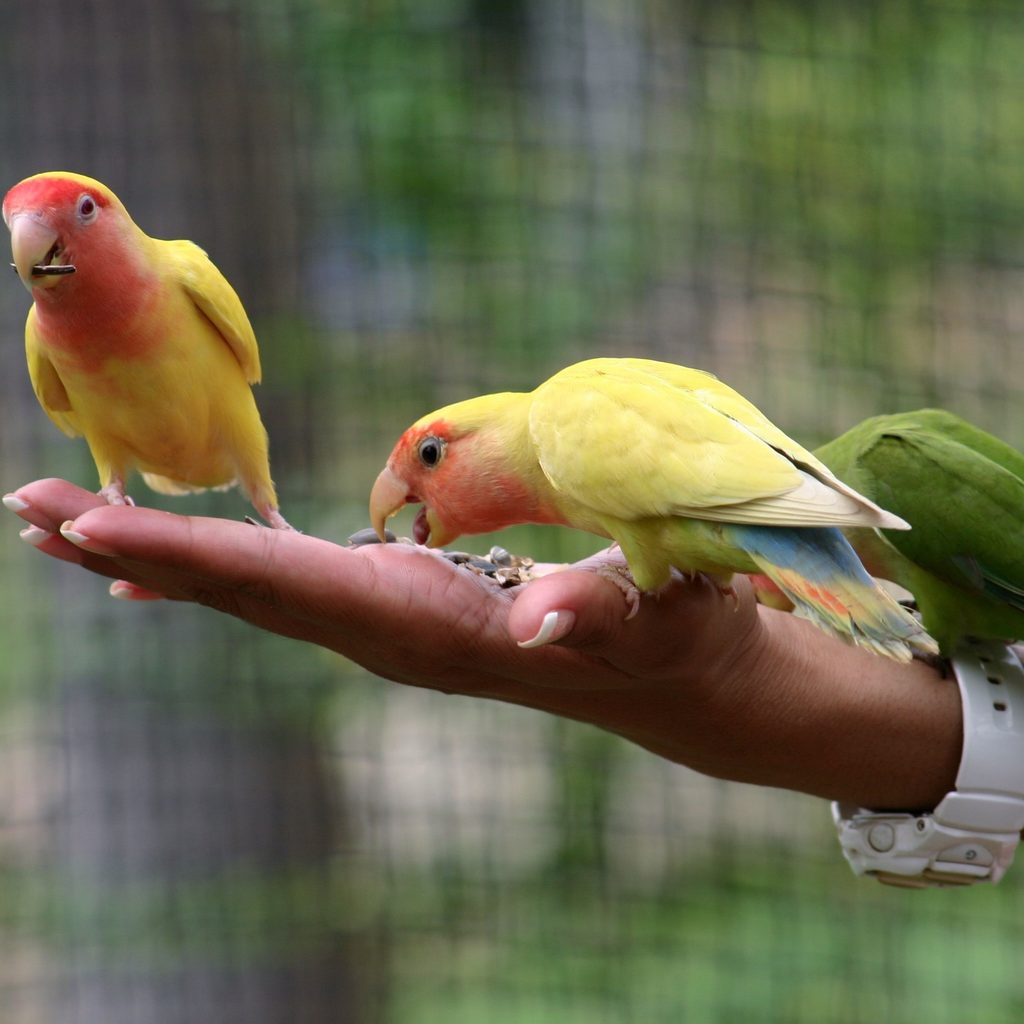
Nine distinct species, to be exact, and they all come from Africa (or Madagascar). While color and temperament vary slightly, they’re all known for their distinctive green plumage. Not all types make good pets, though, so when you adopt one, it’ll probably be a peach-faced, Fischer’s, or masked. Because they breed easily in captivity, you’ll definitely have your choice of plumage coloring. Do a little research in advance and figure out what you’re looking for before committing. All of them stay pretty small, however, so you won’t have to worry about them outgrowing their space.
Lovebirds like to play
Like all parrots, lovebirds are remarkably intelligent and highly inquisitive because of it. Start taming her at a young age so that she attaches to humans early, but then it becomes your job to keep her entertained. She’ll enjoy puzzles and games with or without you. Since these beautiful creatures flock in the wild, she also needs lots of social stimulation and interaction. Find ways to engage her, especially when your pet has free roam to exercise her wings, such as in a playroom. When purchasing toys, make sure you get bird-safe ones. Lovebirds will enjoy them, especially the chewing and shredding parts. That’s OK! Guide her to pick at the things you can replace easily, like cardboard. Because they’re so smart, your pet can also learn to be potty trained so she won’t go to the bathroom in your house when she’s out playing.
They’re not loquacious
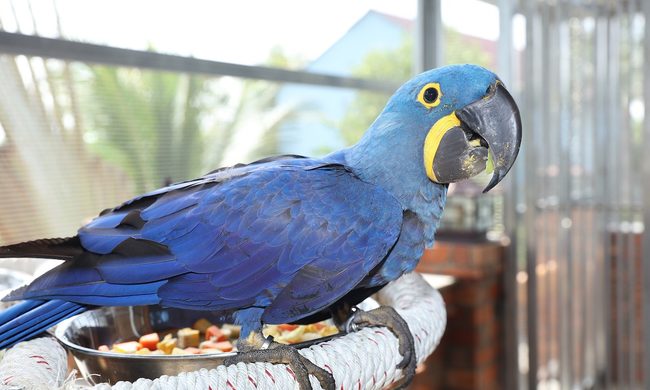
If you want a chatty bird, you should probably look into the African gray or another member of the macaw family. This little guy won’t be spouting sentences too often. If you start really young, and work with her every day, you may teach her a small handful of words (no promises, though). But mostly, this parrot likes to chirp, whistle, and sometimes sing. Don’t worry, she won’t make a ton of noise and will do well in a small house or apartment. You can learn a few of her sounds and try to repeat them, even if she can’t (or won’t) do the same for yours.
Their wild cousins need you, too
Some of these species in the wild are becoming endangered and need our help. A lot of it comes from climate change, which has caused droughts that affect the flocks in their native habitats. Luckily, many organizations are working to help the population and curb underlying issues. And because they aren’t yet endangered, there’s still a lot of hope that they can rebound. Do your part by getting only a bird that is ethically sourced from a well-managed captive breeding program. Hopefully, lovebirds will bounce back quickly. They do breed really well, after all.
While no pet works for everyone, lovebirds make excellent companions for a family or individual and can fit in environments that would be too small for another parrot. While they’re known for being friendly, your bird may turn aggressive, especially if not properly handled. Also, the females can get more confrontational than the males. If you have a family and want a single, chill pet, check out a male, peach-faced lovebird to start and see if that might be the right fit. Remember, all these pets are a commitment, and the lovebird life span can be up to 15 years. That means you get more than a decade of true love from your animal friend.