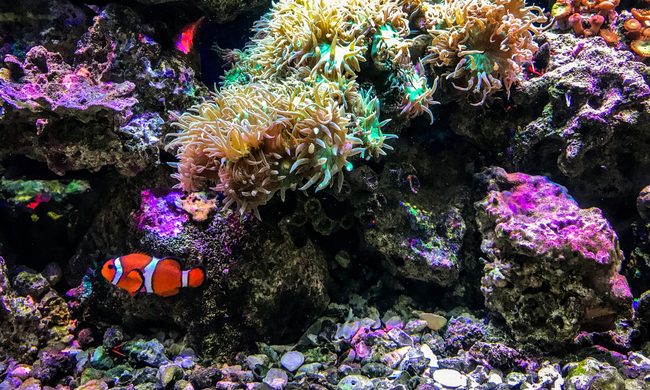
Adding plants to your saltwater aquarium is a great idea. There are several benefits to adding new natural features to your habitat. Splash some color and beautiful shapes by integrating helpful plants into the mix. The right mix will make your maintenance easier and will keep a natural balance that will make the environment thrive. Many varieties will improve the quality of the water, provide your fish with a new source of food, and make your tank look amazing. Here is a curated list of the best options out there.
Clean your aquarium with the right plants
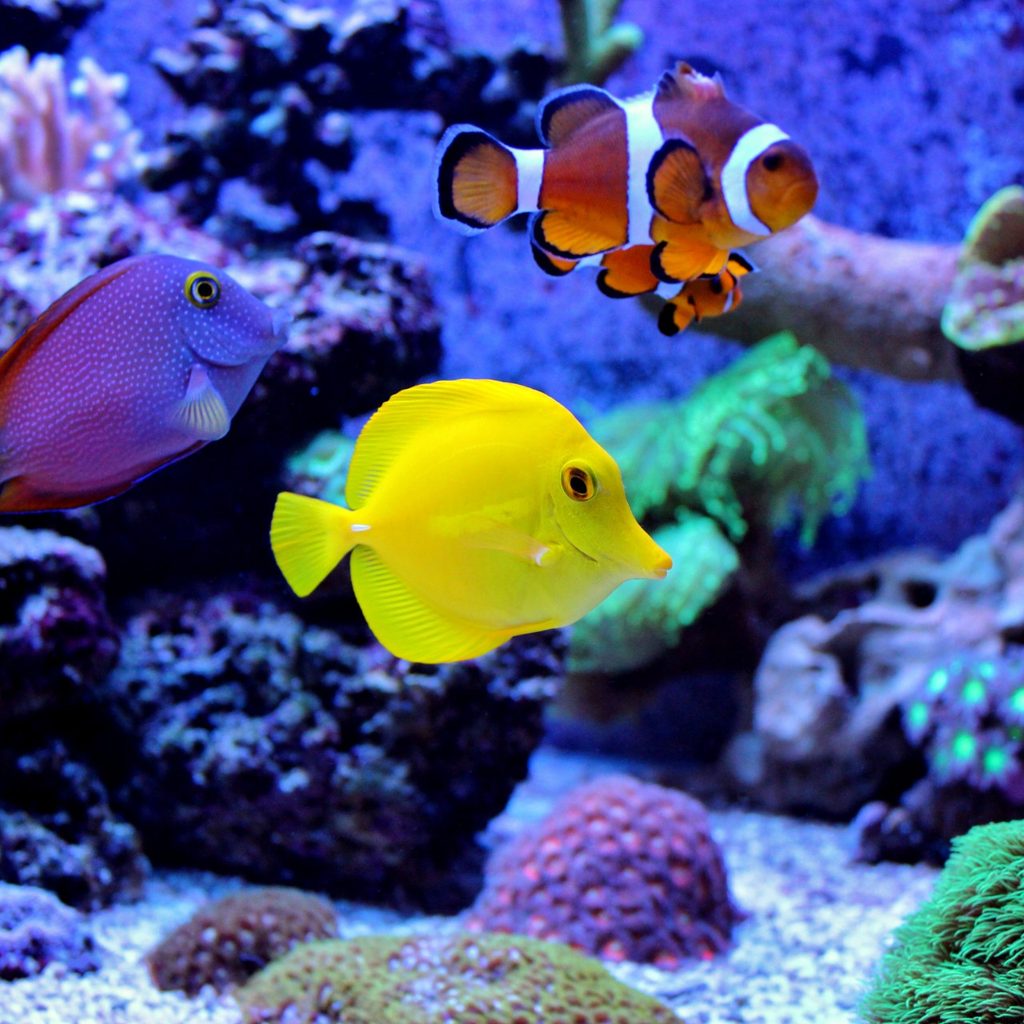
Your best ally in cleaning your saltwater tank are plants. While most aquarium owners don’t like the microalgae that forms and builds up in the surfaces of your tank, macroalgae can be cultivated and grown as a plant. Plus, it can help you keep the slimy coating in check.
Both varieties feed on nitrates floating in the tank. The important part is that macroalgae feeds first. After a few days of introducing algae, they will eat up all the nitrate available and starve the nuisance microalgae, making it go away. Some great examples are:
Sea Lettuce (Ulva Lactuca): This plant is one of the most helpful. Its growth paired with the ability to keep levels of nitrates and phosphates low makes it one of the most popular plants for beginners. It is ideal for well-lit habitats with plenty of flow and small cuttings can be fed to your fish.
Halimeda: Many experienced caretakers use this plant to monitor calcium levels and high adaptability. They absorb high levels of calcium, so if you see them thriving, you know your water is rich in this essential mineral. It’s also a unique type of algae with a beautiful foliage.
Add a new source of food for your fish
Fish in the wild eat a significant amount of plants as part of their daily diet. When we are designing our tanks, we forget that and add plants just for their decorative value and not their nutritional benefits. You can easily help your fish have a more balanced and natural diet by adding the right varieties. Some of the most popular edible saltwater plants out there are:
Dragon’s Tongue Algae (Halymenia Dilatata): This is a gorgeous plant that will immediately become a focal point of your aquarium for both its beauty and taste. It features a deep red color, and it grows in a small shrub. It grows fast, and it’s a source of natural nutrients for many large herbivorous fish.
Tufted Joint Algae (Cymopolia Barbata): One of the most striking underwater plants, this alga grows in green miniature trees with hairy tops that explode in colorful sprouts. It also grows on live rocks and is an excellent dietary supplement for most types of fish. You can either chop it into small pieces and combine with your feeding or let them chomp off some pieces themselves.
Best tips for beginners
Most marine plants need very little maintenance other than occasional pruning and keeping the water levels and chemical composition in balance for a healthy environment. For beginners, taking care of your fish in addition to all of the maintenance needed to keep your habitat going might seem like too much. But don’t panic, here are the best tips for those starting out:
- Ensure proper lighting. Macroalgae really need a steady amount of light to grow. Make sure you are supplementing the natural light in your room with the right lamps, or your plants will have a hard time thriving. Green algae needs a lot of light, whereas red algae can thrive in darker environments.
- Check the levels of nutrients in your tank. Nitrates and phosphates are needed for your plants to grow. But they can also create havoc in your habitat if the levels are too high. Other important nutrients that your plants need are iron and calcium. With the proper levels, your plants will grow to their mature form and then help maintain healthy levels without much intervention.
- Prune and trim to control the growth. Prevent certain fast-growing plants from overtaking your tank. By limiting their growth, you can give other plants and coral in your habitat the chance to grow. If a certain species takes over, it might start shifting the water quality and affect other plants and fish. Also, a trimmed plant looks better and blocks less light, allowing the algae on the bottom to grow, as well.
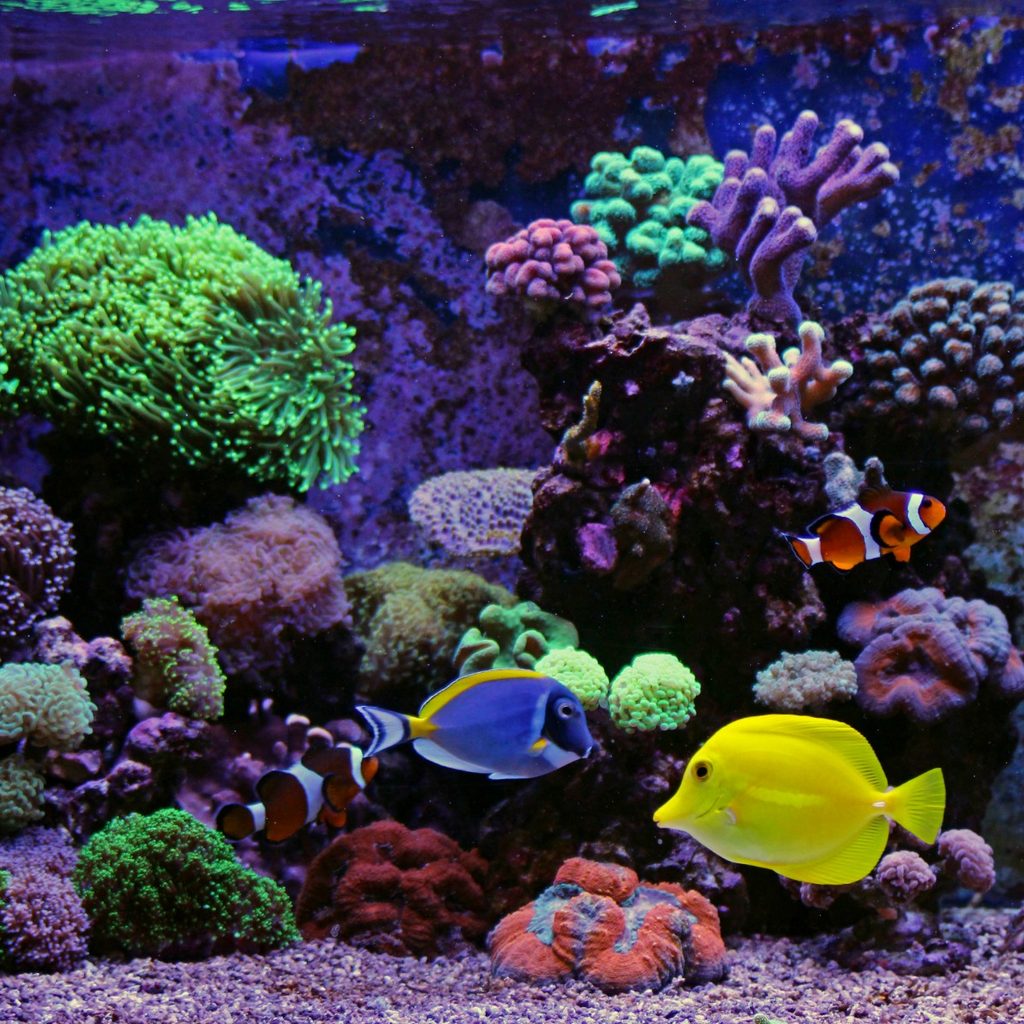
Make your tank a better place by introducing healthy plants that will clean your water, feed your fish, and make your aquarium look fresh and full of life. Remember that integrating a balanced mix of species and observing proper aquarium lighting is critical to create the environment needed for underwater life to prosper. Start slowly by adding one variety at a time and give it a week or so to see how things develop. Once you see that your new plant is growing and settles in, it’s time to introduce your next plant. Enjoy the process and give your aquatic pets the best home possible.