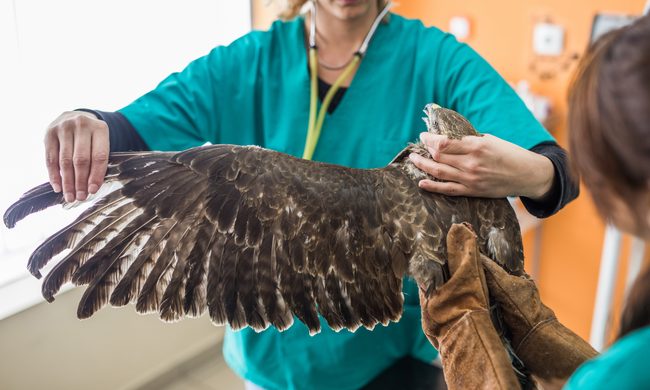
Birds can make entertaining, social pets, but they can also be noisy. If you live in an apartment, that potential noise might have you thinking twice about getting a bird. The good news is, some breeds tend to be quieter than others and can be fine choices for apartment living.
So, what is the quietest pet bird you can get? While all birds will make some noise, these four breeds tend to be quieter than most.
Finch
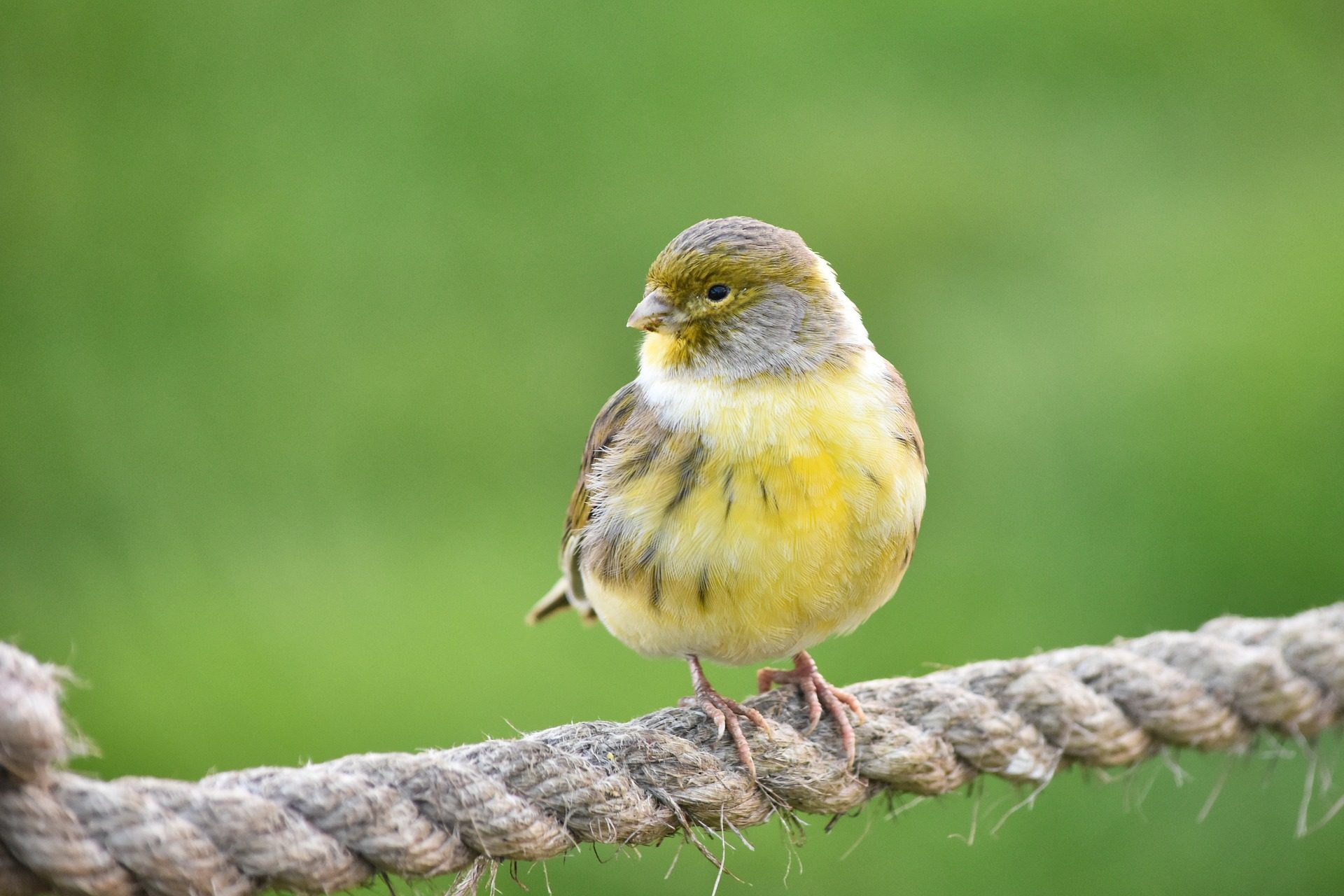
Finches tend to be relatively quiet birds, and when they do vocalize, it’s with a series of pleasant, musical chirps — no loud squawking here! These small birds measure between 4 and 6 inches long and don’t require a sizable cage, which is another advantage to apartment living with a finch.
Finches are highly social, so you should always keep multiple birds together. Plan on having a pair or a larger group of six or more birds. (For apartments, a pair works best with a limited space.)
These birds tend to be shy, and they’re not terribly fond of being handled. They’re more a breed that you can sit back and enjoy from a distance. Finches come in many varieties and can live up to 10 years with care. They’re most active in the mornings, ideal if you’d like some company when you’re just starting your day.
Cockatiel
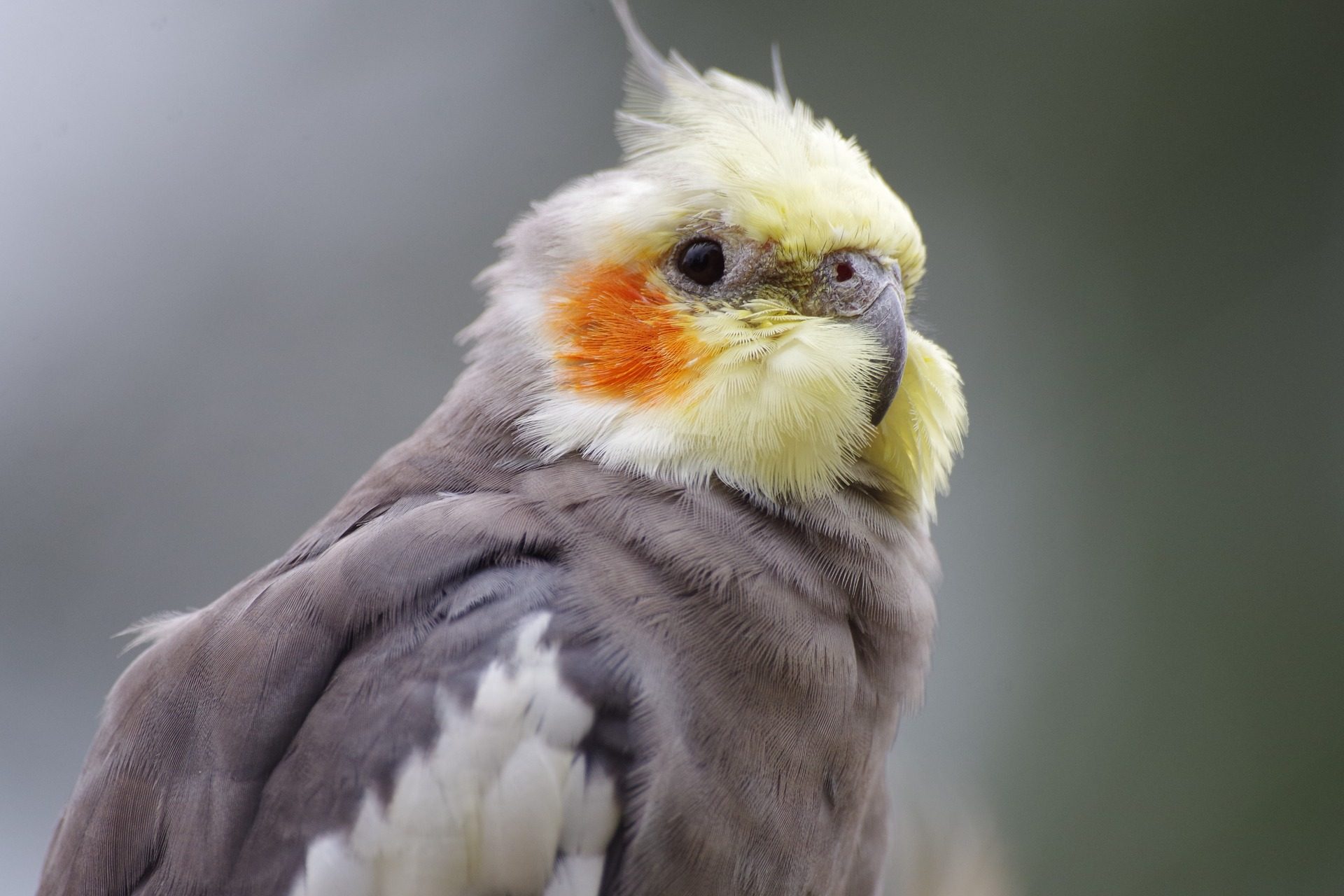
Although cockatiels are a species of parrot, they tend to be quieter than most breeds. These highly social birds can whistle and can be trained to repeat certain words, though they have a softer voice than some larger parrot species. Females tend to be quieter than males, so if you’re looking to minimize noise, you’ll want to buy a female.
With a life span ranging from 15 to 20 years, your cockatiel will be a long-term pet. Their smaller size (about 12–13 inches long) is well-suited to apartments, and these birds are usually easy to tame. They’re both active and playful and tend to be good-natured.
Parakeet
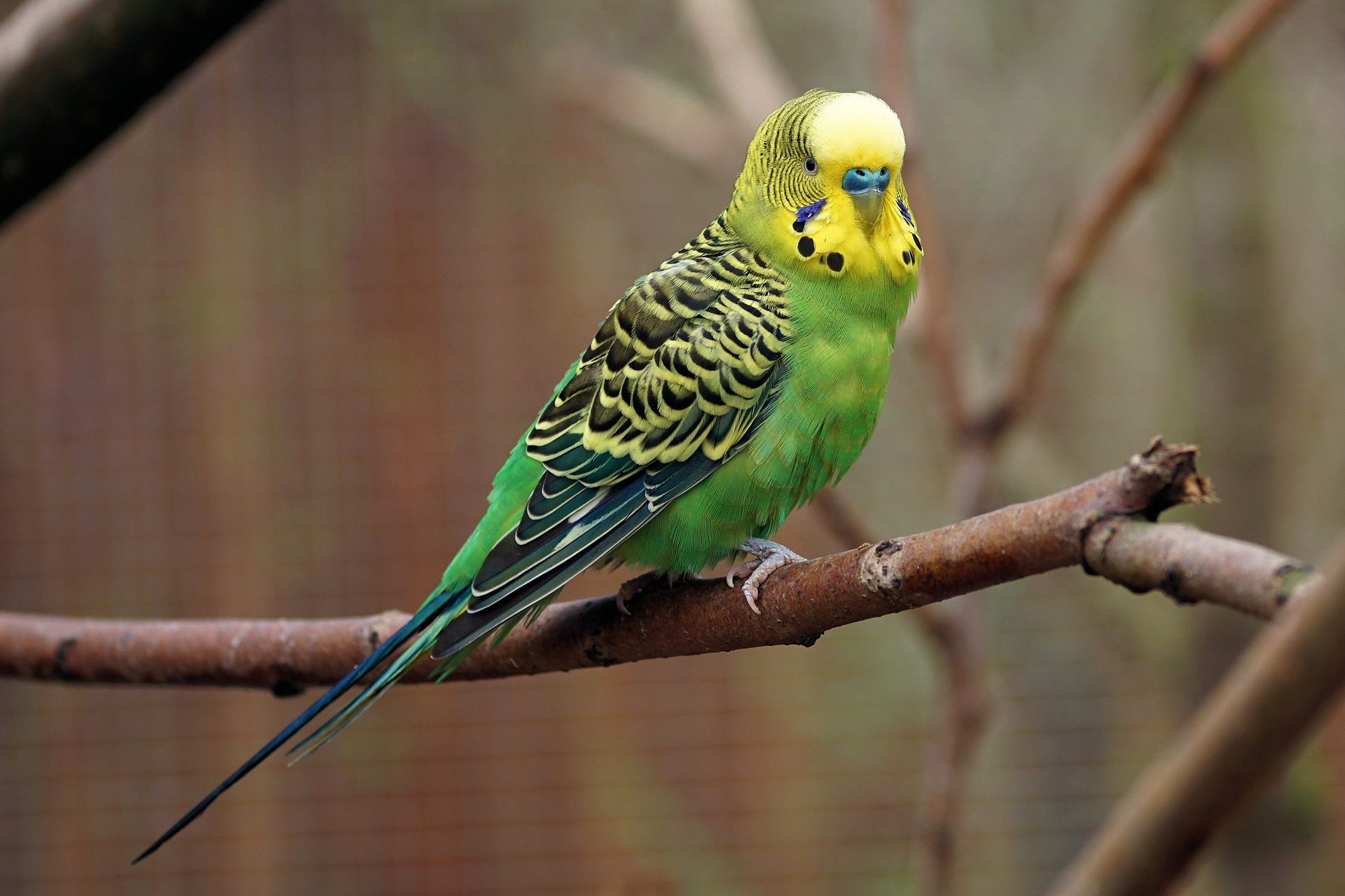
Originating in Australia, parakeets now number more than 120 species. They’re highly popular pets in America and are also referred to as budgies outside the U.S. These birds are lively and talkative, but because they’re so small (about 7 inches long), they don’t create the kind of noise that’s common with other bird breeds.
These birds are highly intelligent and can be taught to say words. Parakeets can live for 10 to 20 years and are quite social. They need human engagement as well as plenty of entertainment to keep them happy. They particularly love taking baths, so plan to give your parakeet plenty of access to water.
Parakeets can be trained to sit on your hand. They can become loyal friends and do well with kids in the home as long as the children are supervised and taught to handle the birds gently. Parakeets can be housed in pairs or alone, though birds housed alone will need extra attention from their owners.
Canary
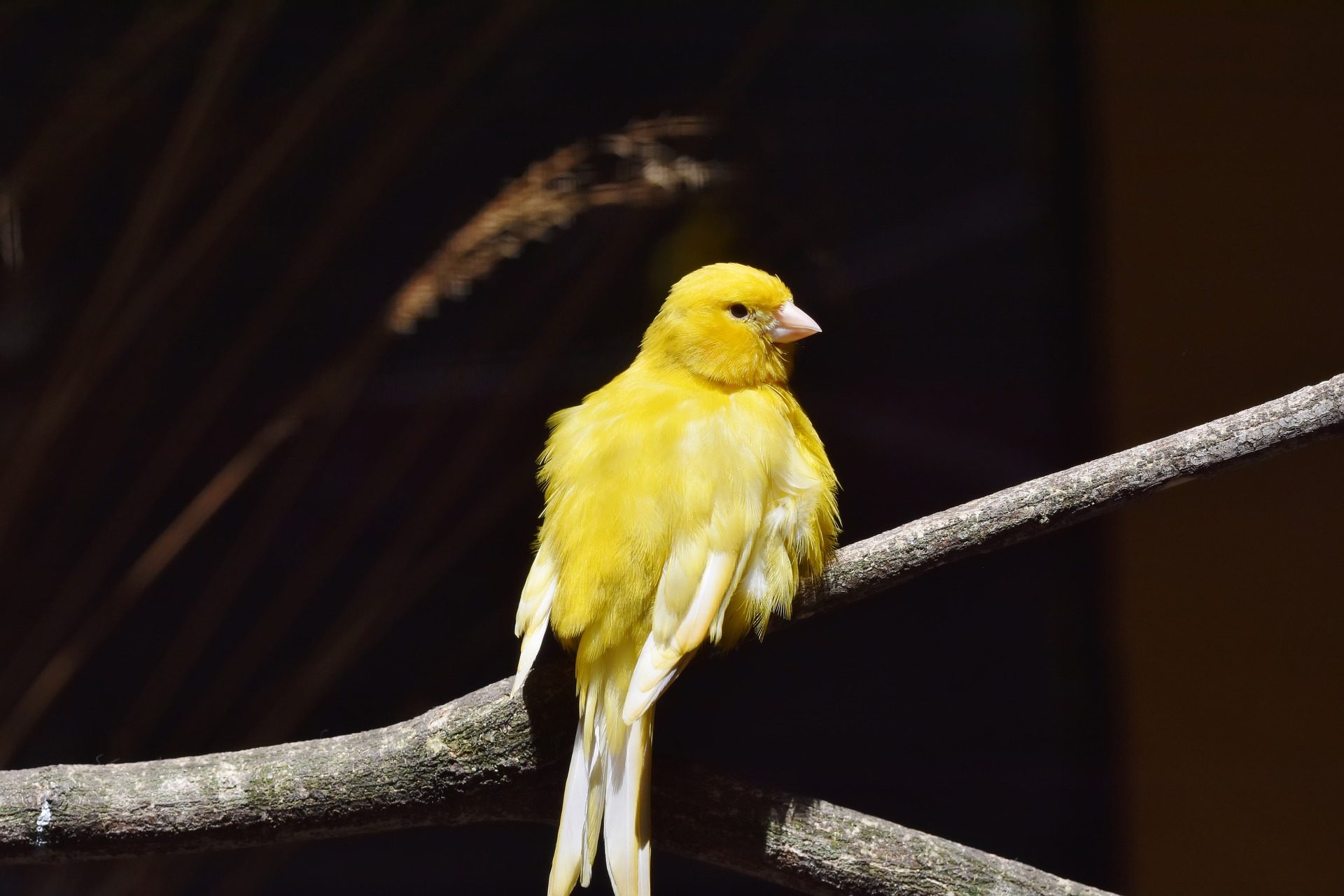
Canaries are known for their sweet and melodious songs, which, thankfully, are often quiet. Males tend to sing more often than females, and some birds are bred specifically for their song quality. While many canary owners seek out birds that sing beautiful songs, there are plenty of birds that don’t sing quite as well or as much, and these can be ideal for apartment environments.
Canaries are largely a hands-off breed and prefer to be let alone. They measure between 4 and 5 inches long and can live up to 10 years. You’ll find canaries in many brilliant colors.
Most canaries are shy and they can be territorial, so it’s often best to keep one bird per cage. Canaries will benefit from longer, rather than taller, cages, which give them plenty of room to fly around.
Keeping your pet bird quiet
While these breeds tend to be quiet, every bird will make some noise. Luckily, there are additional steps you can take to keep your bird quiet and minimize the effects of the noise he does make. When you position your bird cage in your apartment, locate it away from a wall that you share with another apartment. You can also put a cage cover over your bird’s cage at night to encourage him to rest and be quiet.
Providing your bird with plenty of mental stimulation can also help keep noise down. Schedule time to interact with your bird daily and give him toys so that he can keep himself occupied when you’re not around. With appropriate care and planning, you can share your apartment with a bird without annoying your neighbors.
Check out our guide on what do baby birds eat and drink for more.