When you bring home a reptile or amphibian, you sign up to put a lot of work into temperature control. Nearly all reptiles need heating lamps or pads but they also need a cool spot, meaning you must have a setup that allows for both, with plenty of thermometers to confirm. Add in UV or other lights for a night/day cycle and you basically have a full-time job just keeping your buddies warm. But there are ways to cut down on the number of man-hours required, especially by installing timers and smart controls that adjust themselves with little input from humans. This is our heat-lamp hack to make the whole process a lot easier.
What do I need for my reptile’s enclosure?
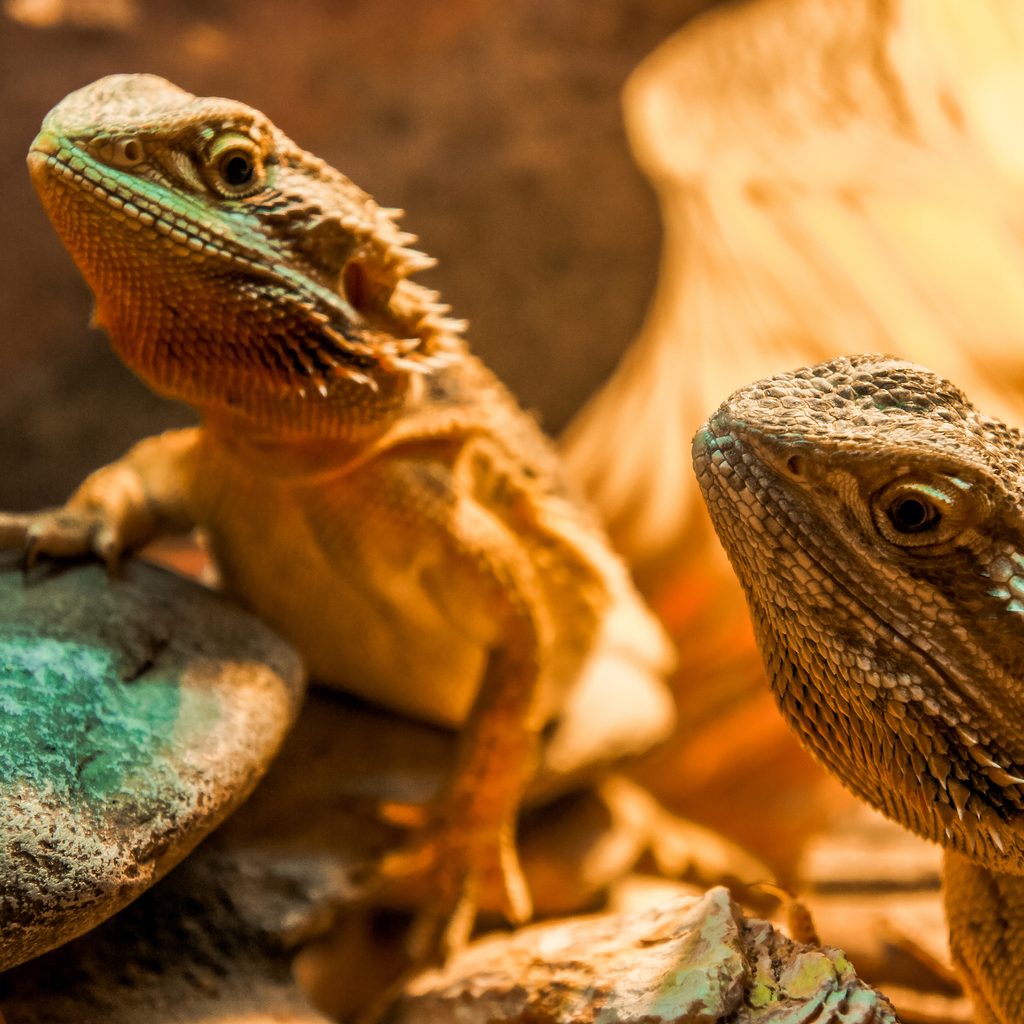
Reptiles hail from everywhere in just about all habitats, which means you’ll need to adjust your specifications based on what species you have. Even among lizards or snakes, for example, you could have one creature that needs warm and dry while another prefers hot and wet. Still some turtles spend almost their entire lives completely underwater. Your tank will take on an array of gadgets and gauges to keep your animals in optimum health, controlling temperature, light, and humidity. Maintaining these three things will be crucial to keeping your scaly pet alive.
How do I automate my system?
When taking your tank to the next level, consider each piece separately. You don’t want to treat the humidity the same as the lighting and both of those will be very different from heat. That means you’ll likely be investing in multiple gadgets, each with a specific purpose to maintain optimum levels in your enclosure.
Light
We’ll start with the easiest because you can mostly set it and forget it for this one. Each animal has a slightly different sleep schedule and different lighting needs. Remember, many reptiles also want UV or specially colored bulbs. However, no matter what creature you have, you’ll most likely want to simulate night and day, though not necessarily to correspond with the actual clock. That’s because many reptiles, such as most geckos, are nocturnal and so you could have some of their “night” happen while it’s waking hours for you. This only works if you can control the environment very closely of course. Regardless, many herpers keep their lamps on a timer that goes off and on at specific times or intervals. This will ensure that everything stays really consistent and there’s no such thing as forgetting to turn the light off and keeping your animal up for too long. You will periodically need to check on it to make sure it’s functioning properly, but this definitely qualifies as the easiest piece to get settled.
Mist
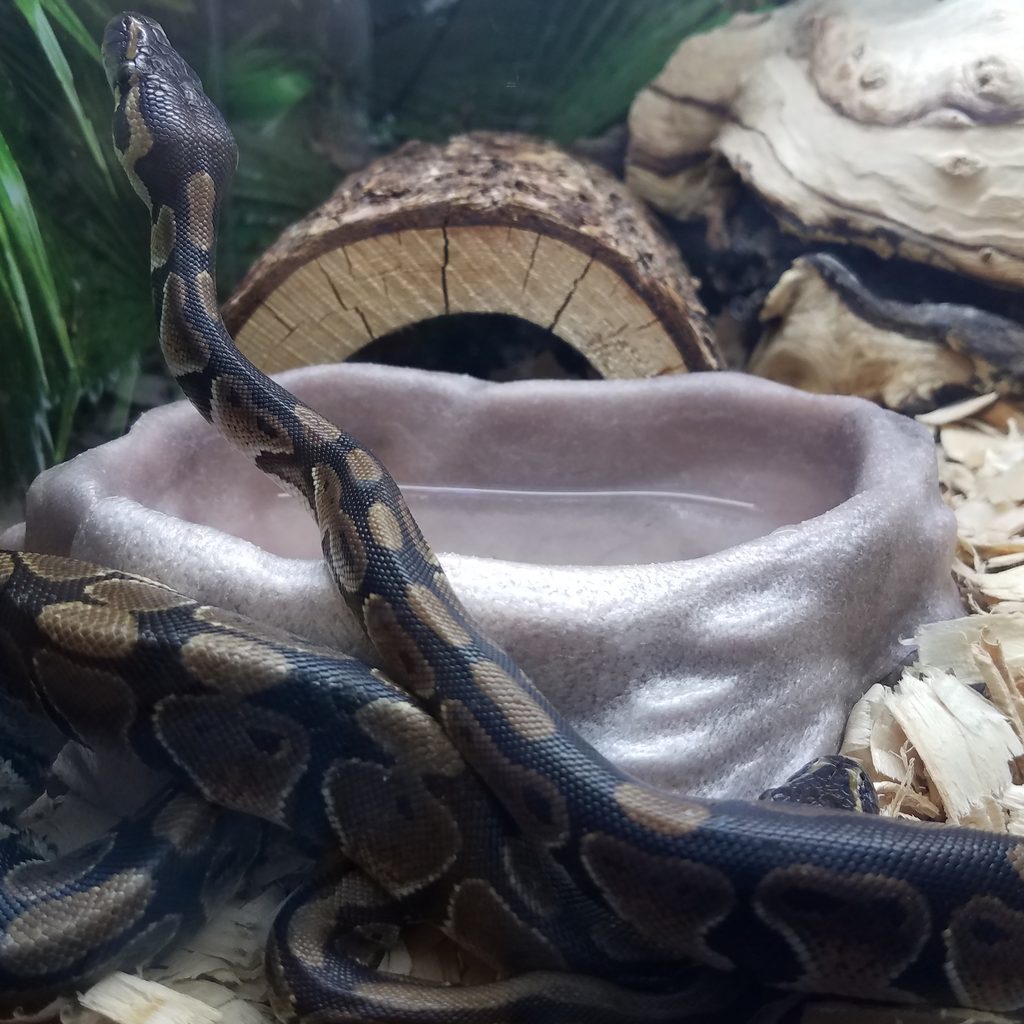
Lots of reptiles must keep their skin moist and therefore need their habitat misted periodically both for grooming and to drink. For starters, you might use a simple spray bottle and check it carefully. But once you’re ready to dive into a more advanced array, consider setting up an automatic mister. These handy machines allow you to control how quickly the fog comes out and will tell you when there’s none left, using an indicator light. It’s essential for traveling since you won’t always be around to keep your pet properly wet.
Heat
Perhaps the most challenging piece of the puzzle to automate, the heat lamp is one you can go basic with. A simple heating lamp or pad will do the trick (we don’t generally recommend rocks as they can burn pets if they get too hot), but it’s much better to include a thermostat that helps you control the temperature. Some products come with this built in, but you get a lot of mileage out of building one for yourself as well. You can even set up two units in one to control two separate sides of the tank or control it with your phone from afar.
Trust us: after you’ve fully automated your system, you won’t ever be able to go back. While it takes the stress out of constantly checking, you do need to keep an eye on each piece periodically and refill your water tank as necessary. This becomes even more important if something disrupts the arrangement like a power surge or outage. At that point, you likely need to do a full reset. Still, it’s amazing how much time and stress you’ll save once your handy appliances are taking care of your reptiles for you.