The good news: Turtles can live for up to 50 years in captivity and will stay “young” for decades. That means you can enjoy many, many years of fun with your reptile and not worry about her passing too young. However, as with any pet, you should check her frequently for signs of illness. Even animals with this type of longevity can get sick, and you definitely don’t want anything shortening her impressive life span. Check her for these sick-turtle symptoms to ensure she makes it to a ripe old age.
How to tell if your turtle is sick
Hopefully, you find a vet when you first bring your new pet home and get regular checkups. Certain symptoms should trigger you to make that call sooner than the annual visit, though. Turtles aren’t as expressive as mammals or birds and so can be harder to read. Be sure you’re checking your animal weekly for any signs of distress, perhaps during a regular feeding or cleaning day.
Runny nose
Just like us, turtles get respiratory illnesses. You might see some snot, cloudy eyes, or breathing difficulties. Oftentimes, these infections are actually signs of a bigger problem like a vitamin deficiency or a poorly constructed environment. Basically, your pet will be much more likely to get sick if everything else isn’t working in her environment. A reptile doctor may help diagnose the deeper issues while you get meds to take care of the immediate problem.
Disfigured shell
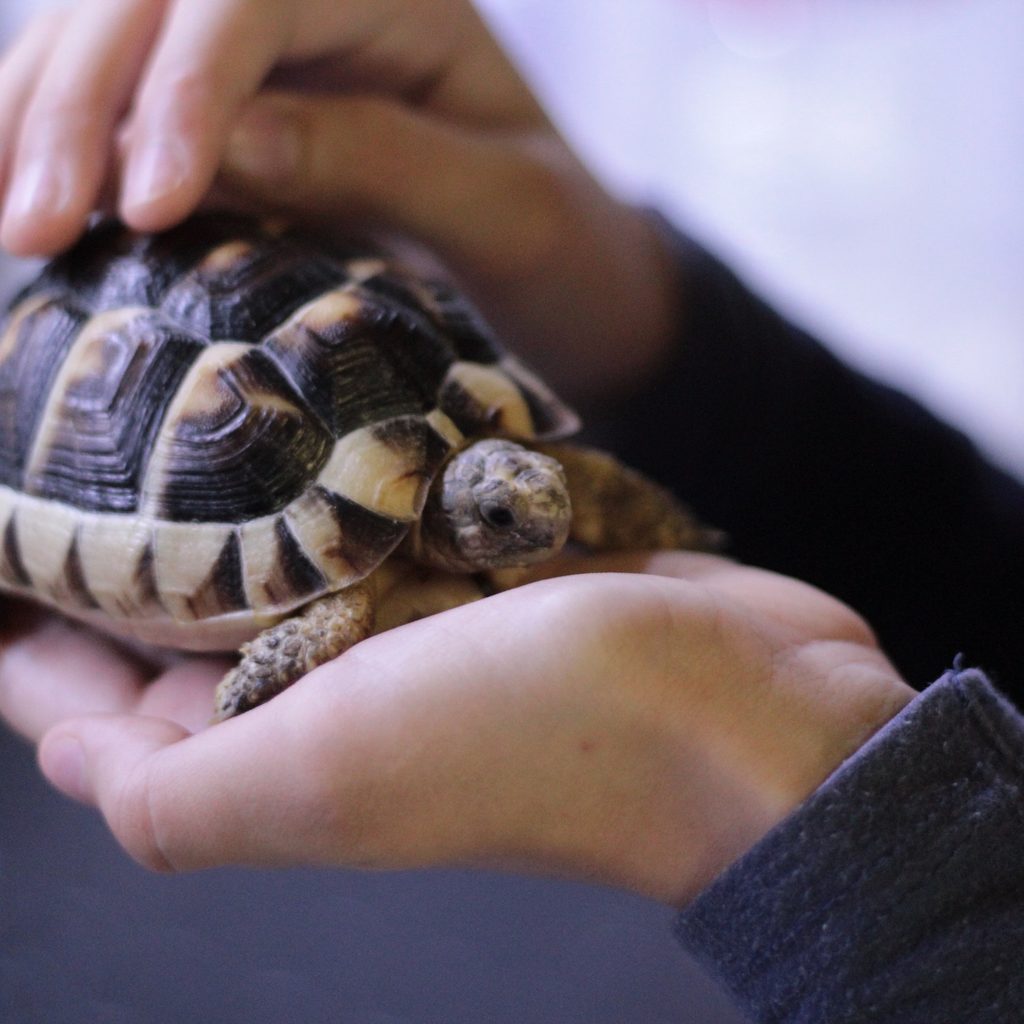
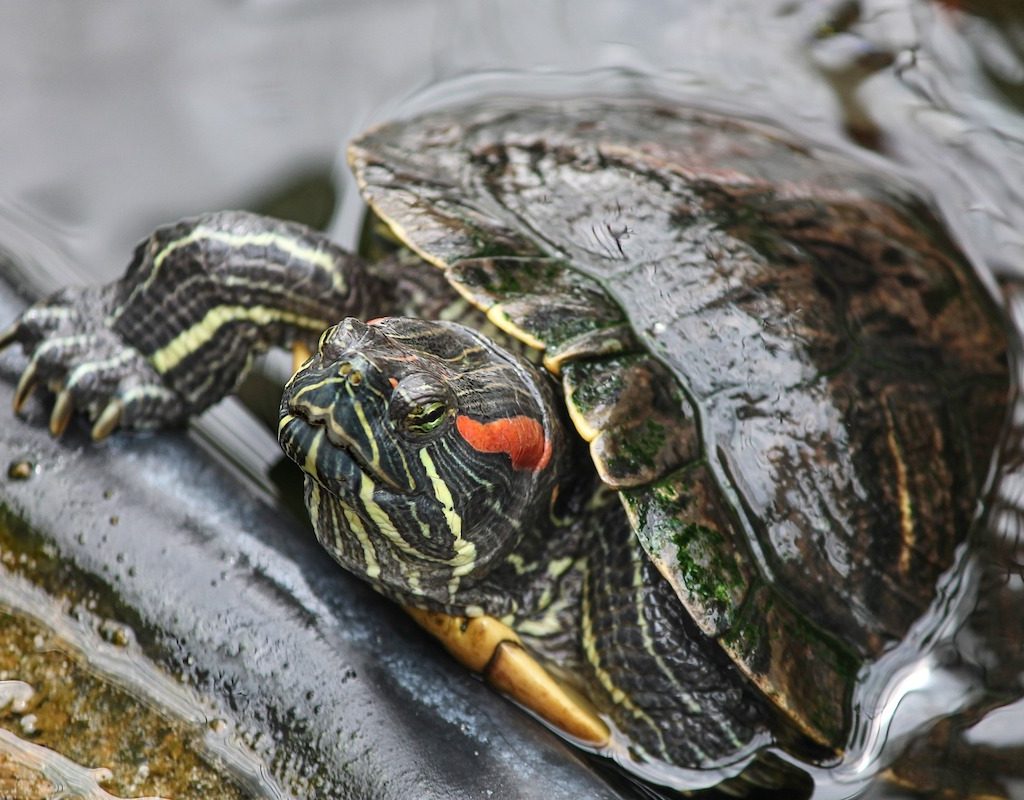
While turtles generally prefer to be hands-off, you should examine your pet every so often. Pay particular attention to the shell, as that will be a good indicator of many issues and diseases. Notice if it feels too soft, is bleeding, or has cracks. Shell cracks often occur when your turtle winds up in a dog’s mouth or crushed under an object. So, sometimes you’ll know right away that damage has been done. Of course, this requires an emergency visit to the doc but can often be repaired. Alternatively, a general softness or a discoloration usually means an issue with diet.
Behavior changes
As with other animals, in the best case, you will see your turtle exhibiting warning signs. Perhaps she stops swimming around and looks lethargic or suddenly has trouble turning right side up. By knowing your animal’s routine and usual personality, you will spot any of these drastic changes immediately. Most issues won’t be clear enough for an at-home diagnosis since any of these symptoms could be a sign of infection, virus, reproductive issue, digestive concern, or parasite. It’s a long list, but your turtle care team will know what’s up when you bring her in.
Bathroom problems
Sorry, but you’ll need to monitor your pet’s poop carefully for any obvious changes in frequency and consistency. You can take stock as part of daily maintenance and note any clear changes that may indicate a larger issue. Generally, the cause will be dietary, and you will want to note any recent food changes. Like humans, though, a sick turtle with a virus might experience some diarrhea. Swallowing a nonfood item can kill your turtle, as well as present digestive difficulties. Keep all enticing objects, like small pieces of Styrofoam or plastic, far from your turtle tank.
Lumps and swelling
Don’t panic if you see a tumor-looking lump on her face, especially near her ear opening. It’s most likely an abscess and relatively common in some species. As with other health problems, there could be an underlying issue, but she might also just have an earache and need meds. Never try to treat an abscess yourself. You need a special doctor to examine, drain, and treat this particular condition and discuss the secondary concerns if need be.
Keeping your pet happy and healthy mostly requires the basics: good food, clean habitat, plenty of water, comfy sunning rock, safe and secure environment. A balanced diet of protein and plants goes a long way to ensuring your reptile is living her best life. While some diseases are specific to your animal, salmonella and other pathogens can transfer to you. Wash your hands thoroughly anytime you handle your pet or her water. Keep her secure from other pets who might catch diseases, too, and that will keep her happiest as well.