
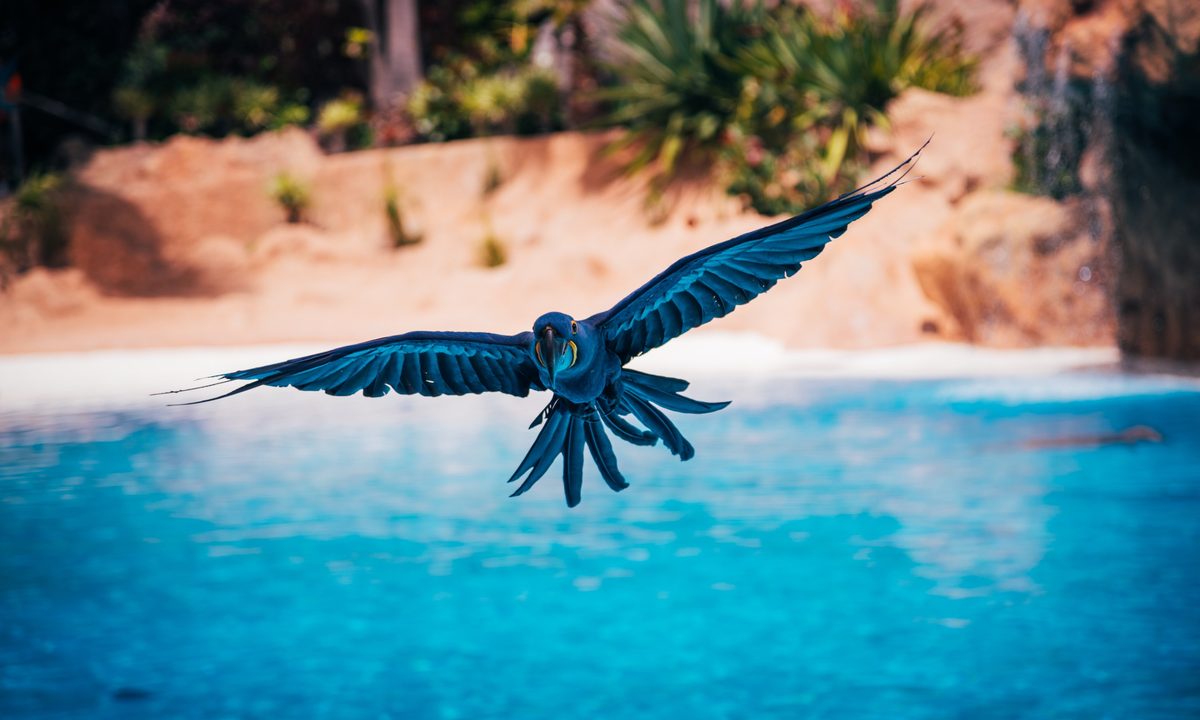
Birds are actually one of the most intelligent creatures and have the unique skill of mimicking the human voice. Of course, most of this is just repeating back things they’ve heard, but they can also learn basic commands and even understand some concepts.
If you’re looking for the smartest birds, you will probably want to stick with members of the parrot family. Although many other species are quite smart, like ravens, they don’t all make good pets. By choosing from this list, you can bring home a bird to play with that’s friendly to humans and intelligent.
What is the smartest bird?
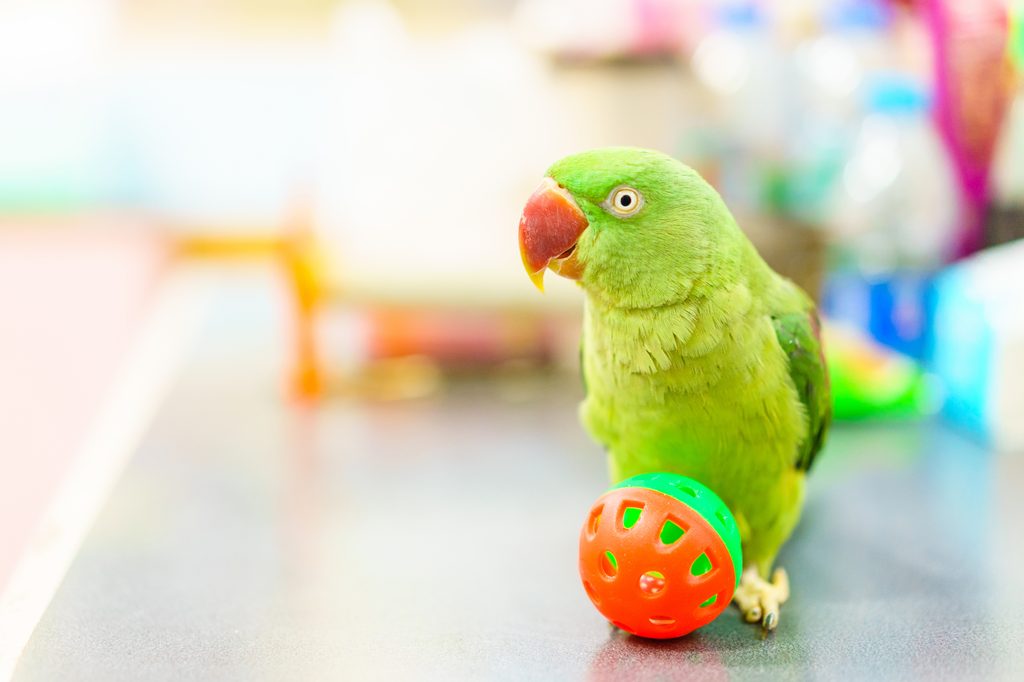
A little bit of this depends on what kind of intelligence you want in a pet. However, you usually will look for an animal that can speak well and learn commands. Many of these birds also enjoy puzzles and problem-solving. Because you have a clever avian, you’ll need to provide plenty of stimulation. These pets can also live quite a long time, which means signing up to keep one is a big commitment. Here’s our list of the smartest pet birds.
African grey
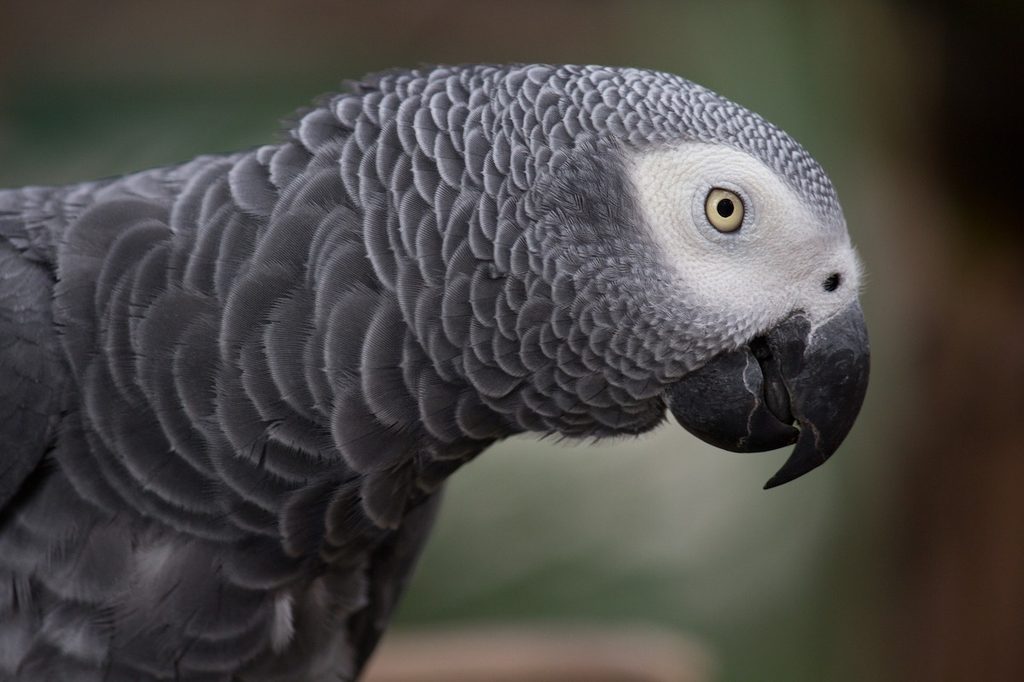
Just about anyone will put these guys at the top of the list of the smartest birds, and for good reason. Part of what makes them unique is they aren’t just repeating things back but can understand lots of what they say. If you teach your grey to ask for things he wants, you’ll be surprised at how well he can identify his own desires. Because these birds have intelligence in line with small children, they need a lot of mental nourishment. Otherwise, he may start to act out — just like a kid.
Macaw
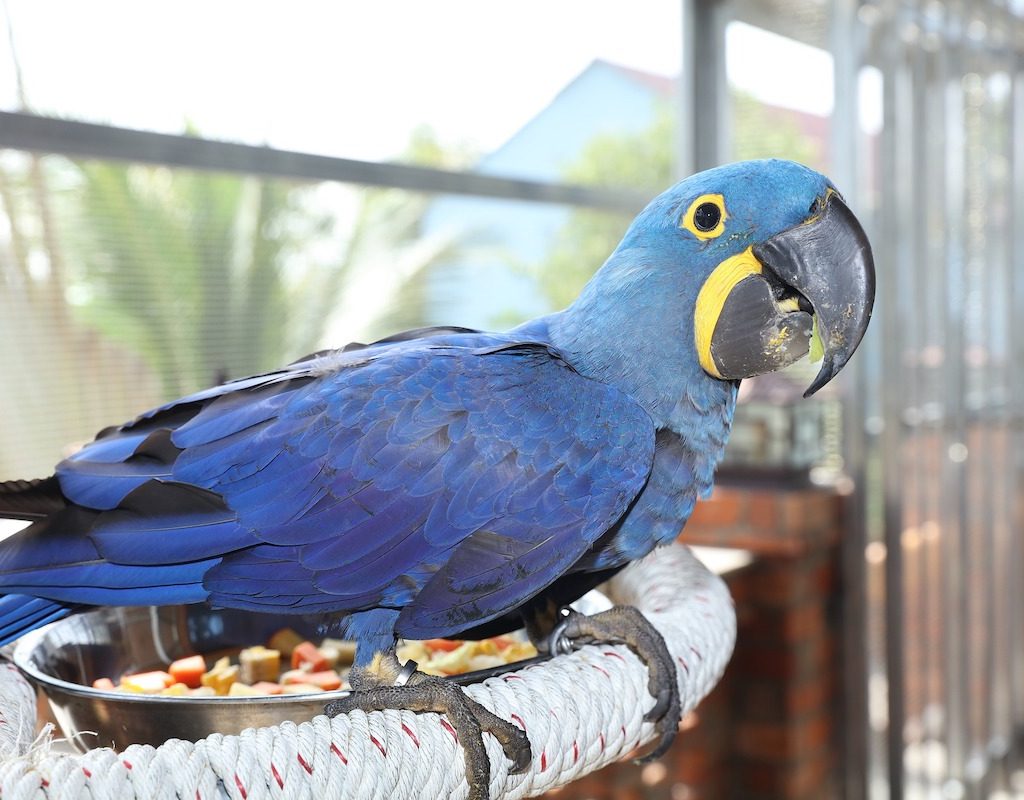
Another one of the biggest parrots, these pets enjoy making tools and communicating, especially with each other. You’ll notice your bird engages both with you and with other pets in the house. Since macaws are one of the best at mimicking sounds, you can and should teach your large parrot lots of words and phrases that he can use to ask for things and talk to you (or at you, as the case may be).
Amazon parrot
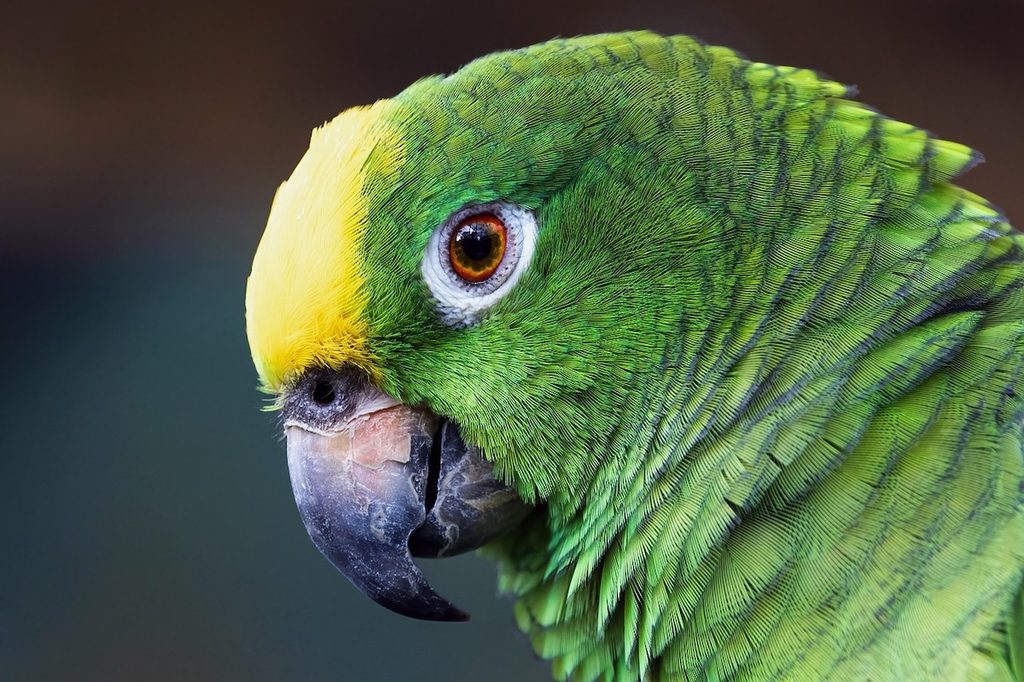
You’ll love this bird’s friendly personality and penchant for chatting. Specifically, Amazons enjoy singing and playing — they’ll gladly belt along to your favorite hits. One thing to note, if you spend enough time talking to him and training him, he can match speech nearly exactly. Some get so good, it’s almost impossible to distinguish between them and a real human. Be mindful of their huge personalities, though, which can make for a great pet, provided they have enough to do and get enough attention.
Cockatoo
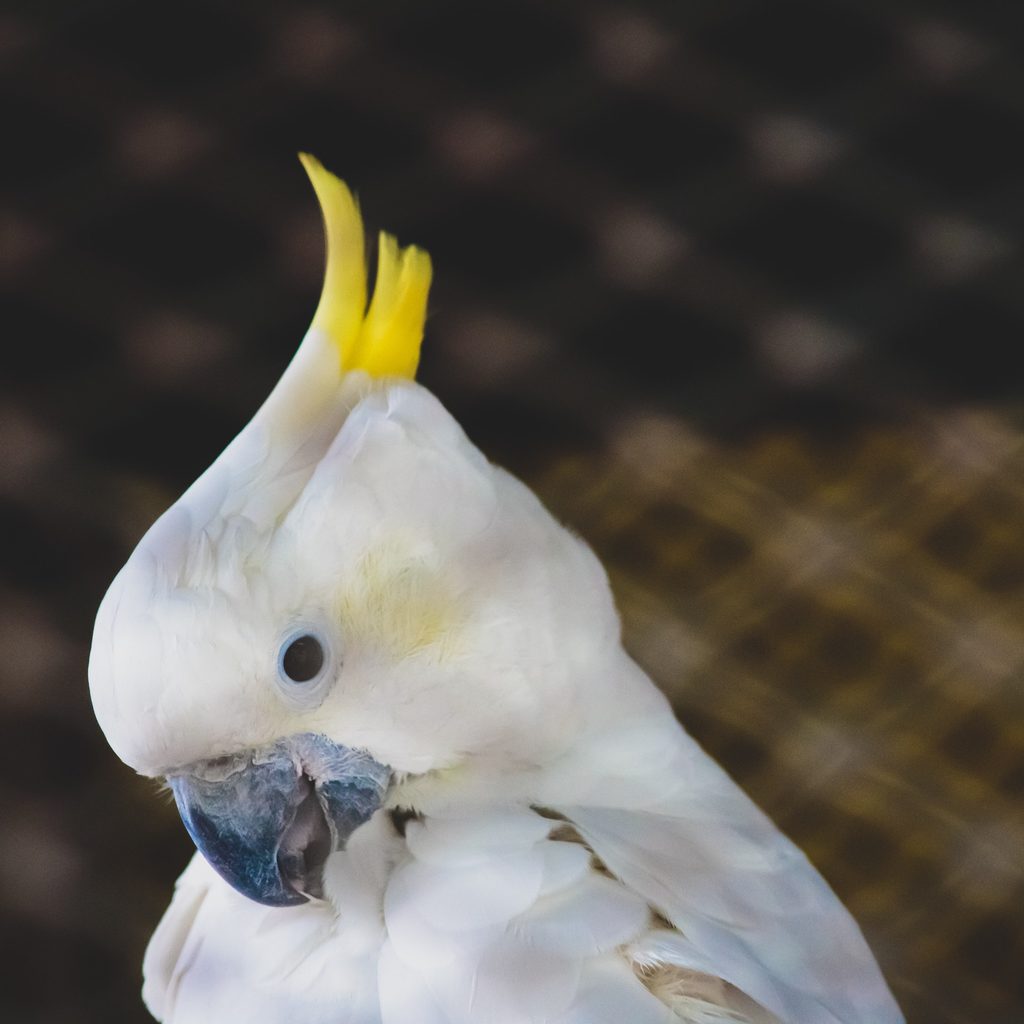
Members of the cockatoo clan have very different personalities than the first few birds on this list. They won’t be keeping you up with chitchat but have a wonderful attitude and a love for puzzles and games. Some of their intelligence is social, and you’ll form a deep bond with your pet. Make sure to spend lots of time with him — just not too much, as he needs to learn to entertain himself as well. You can also have fun watching this guy solve problems, but sometimes that means escape attempts, so keep that in mind when designing his enclosure.
Budgie
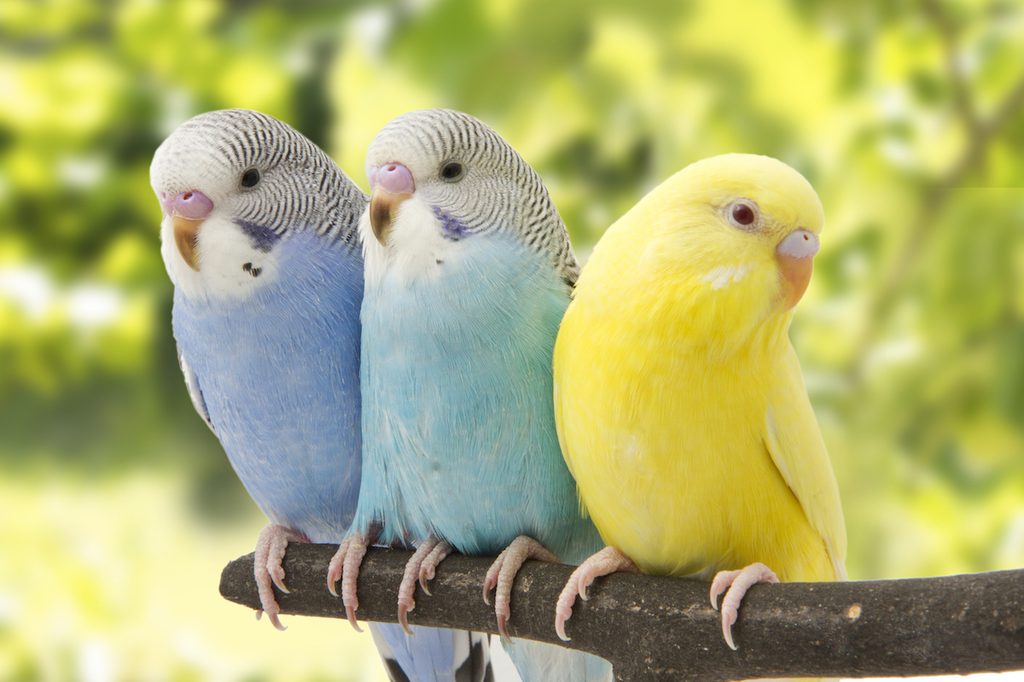
Colloquially called parakeets, these birds come in on the smaller end of this spectrum. They also love to hang out with each other, and escaped budgies have formed large flocks in the wild. Although not quite as intelligent as some of the others, parakeets more than make up for it with their lovable personalities. While this avian can really learn only a few words, he will definitely respond to speech even if he doesn’t do as good a job at repeating it.
Conure
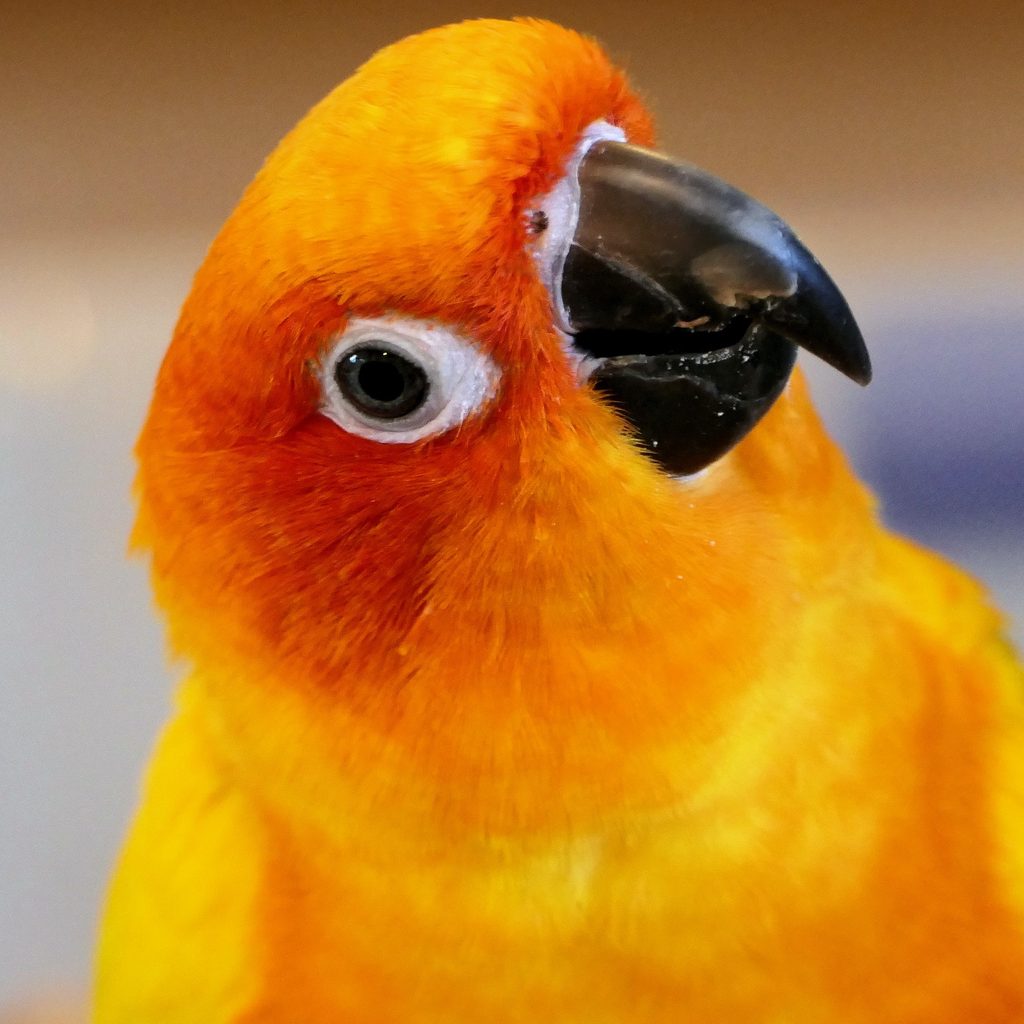
Conures are probably tied with other species like lovebirds and some parakeets for brains. They particularly love toys, so make games and fun activities a major priority. You may also consider getting your new pet a friend who will keep him company when you are out. Make sure to give them lots of physical and mental exertion — conures equally enjoy problem-solving and exercise.
Canary
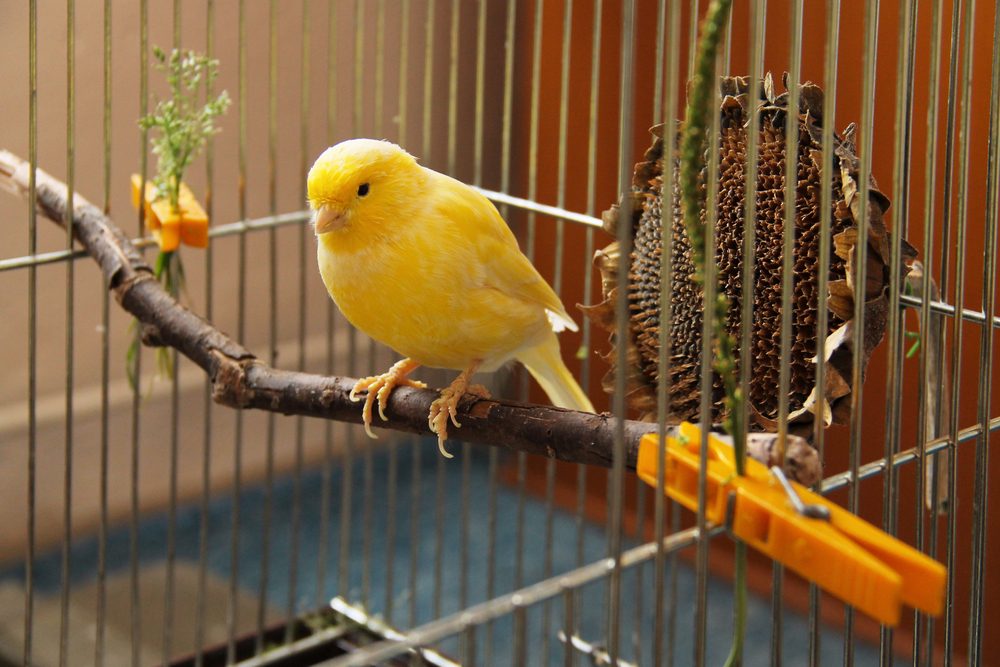
OK, this bird might not win as many Einstein competitions, but don’t write them off quite yet. Best known for their beautiful singing ability, canaries can also be well trained, especially as youngsters. By playing with them daily, teaching them commands, and giving them lots of toys, you’ll stimulate their little minds. Unlike the other small birds here, canaries shouldn’t be kept in bunches; they enjoy solitary life.
What is the easiest bird to own?
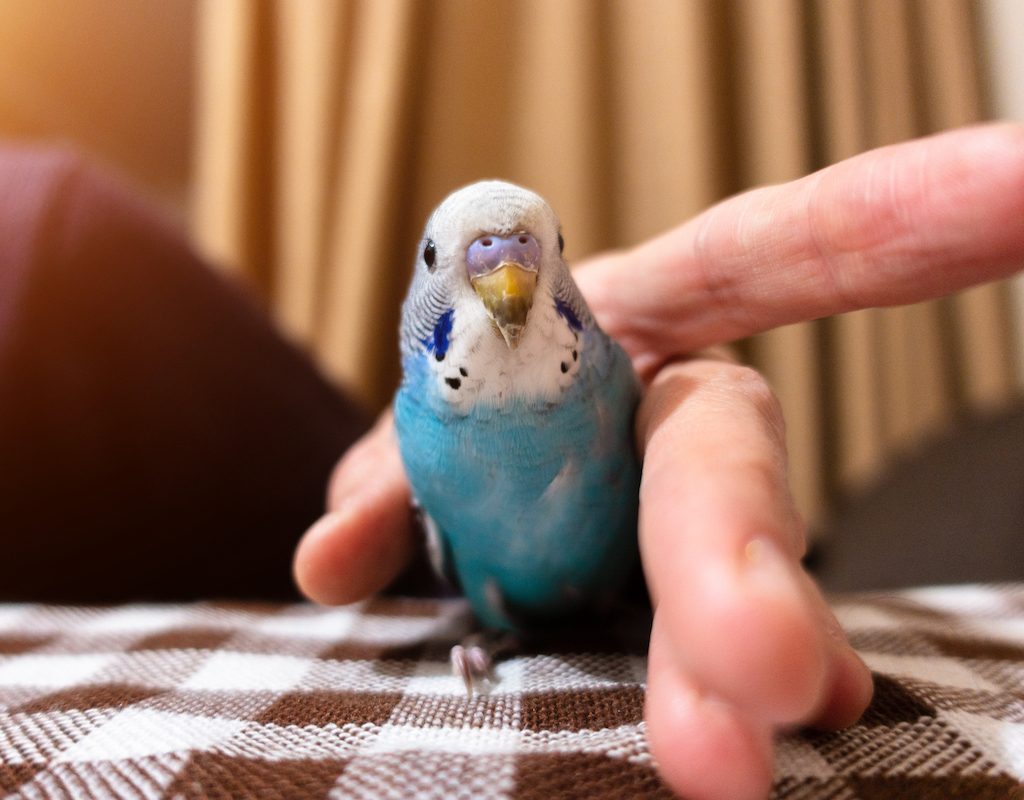
Out of everyone on this list, we would recommend the budgie for novice bird owners. Remember that keeping this pet isn’t the same as having a cat or dog. While you might not have to worry so much about walks, you do need to tune into their unique needs. That includes cage cleaning, feeding, and providing the correct perches.
Many birds thrive when they can get out and stretch their wings, so setting aside a flying-friendly room will help keep them happy and well exercised. While some large species do just fine in a home with pooches and felines, parakeets will look like prey to your furry friends and shouldn’t be kept in the same household without extensive precautions.
Each of these animals brings something to the occasion and can make for an amazing pet. When choosing a bird, don’t think just about who’s the smartest but also what personality and commitment level you want. The key is to train them young or find a rehomed bird who has been around humans much of the time. Remember, many of these species live for decades, so it’s important to give them enough to do every day for the rest of their long lives. When you welcome one of the most intelligent pet birds into your life, you sign up for a dazzling companion who will be worth every minute.