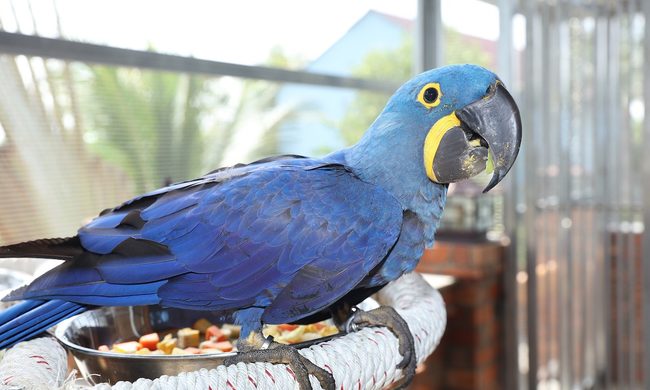
We’re all drawn to exotic animals, whether it’s in rescue and rehabilitation, in David Attenborough documentaries, or yes, even in Tiger King. While this show has shed light on the plight of these beasts, that doesn’t stop the illegal trade from continuing. In birds alone, thousands are taken from their homes every year. “According to [one] study, between 65,000 and 78,500 parrots are illegally trapped in the wild in Mexico every year, and thousands are smuggled across the border into the United States,” explains writer Charles Bergman on the illegal parrot trade. But that doesn’t mean you can only own a dog or cat: there are ways to properly acquire and keep a pet so that it will thrive and live a wonderful life with you. The most important thing is to do your research on exotic animals before you bring one home.
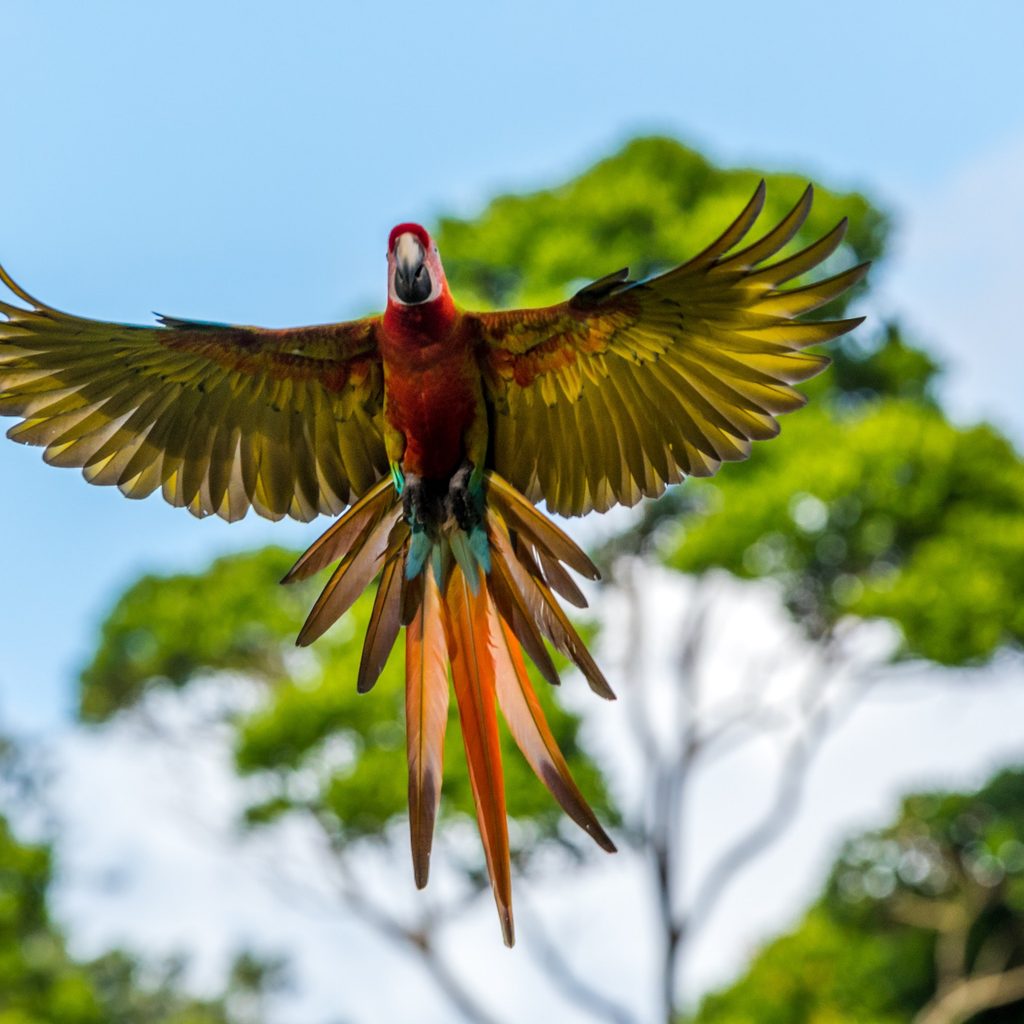
What is the illegal animal trade?
Nowhere does the situation become more clear than in animal markets around the world. They’re a major source for exotic pets that travel to many countries, including the U.S. Animals are often treated badly, with estimates that up to 75 percent never even become pets because they don’t make it through the journey, as Bergman explains. This doesn’t just include parrots, but also reptiles, some primates, and even hedgehogs. In some places, there aren’t laws against trafficking, but it’s always inhumane, not to mention unsanitary. These clusters of wild animals held together for sale also breed disease and poor conditions for humans too.
How can I help prevent animal trafficking?
Bergman’s quest for information led him to Maria Elena Sanchez, president of Teyeliz, a Mexican conservation organization, who has been working to enact laws and make broader change.
“‘We don’t want to chase traffickers anymore,’ Sanchez says. ‘We want to change attitudes.’ That’s something they are working on now — a public-awareness campaign that includes radio talk shows, posters, children’s coloring books, and teaching kits for educators — to alert people not to buy wild or captive-bred parrots.”
We’re a big piece of that. There’s only a market for wildlife trafficking if there are people willing to purchase the animals on the other end. Spreading awareness and supporting organizations who work within communities to help locals find other forms of employment make a big difference, too.
Tips for getting an exotic pet
When in doubt, don’t do it. If you’re an inexperienced owner, make sure to get some practice, such as volunteering at a rescue, before bringing an exotic pet home. However, once you’re certain that you can respectfully manage, there are a few things you should do to make sure you aren’t participating in illegal trade and are instead ethically sourcing your animals.
Find a good breeder
Always research in advance to find trusted breeders. Call your local vet or check websites to locate breeders that are recommended by professionals. Then ask questions. You can absolutely look for photos and videos of breeding facilities and find out more about conditions, both before birth and after.
Set up a proper habitat
Even if your pet has never lived in the wild, it’s still built for a specific environment, and so it’s your job to recreate it. That means carefully monitoring temperature and humidity, as well as keeping up with cleaning. These critters need the exercise that they would normally get from hunting and hiding. Remember, they were really born to fly miles around the trees of a tropical rainforest or spend life burrowing below ground in the desert.
Maintain correct care
In addition to a good home, your animal needs the right food, water, and grooming to stay healthy. Too often, animals are brought into a well-intentioned, yet lacking, environment that cannot support their needs. Even if you decide to adopt a rehomed pet, you need to have the resources to keep up with it. Lastly, some of these creatures — macaws and tortoises in particular — live for decades. It’s essential to have a plan in place for the very real possibility that they may outlive you.
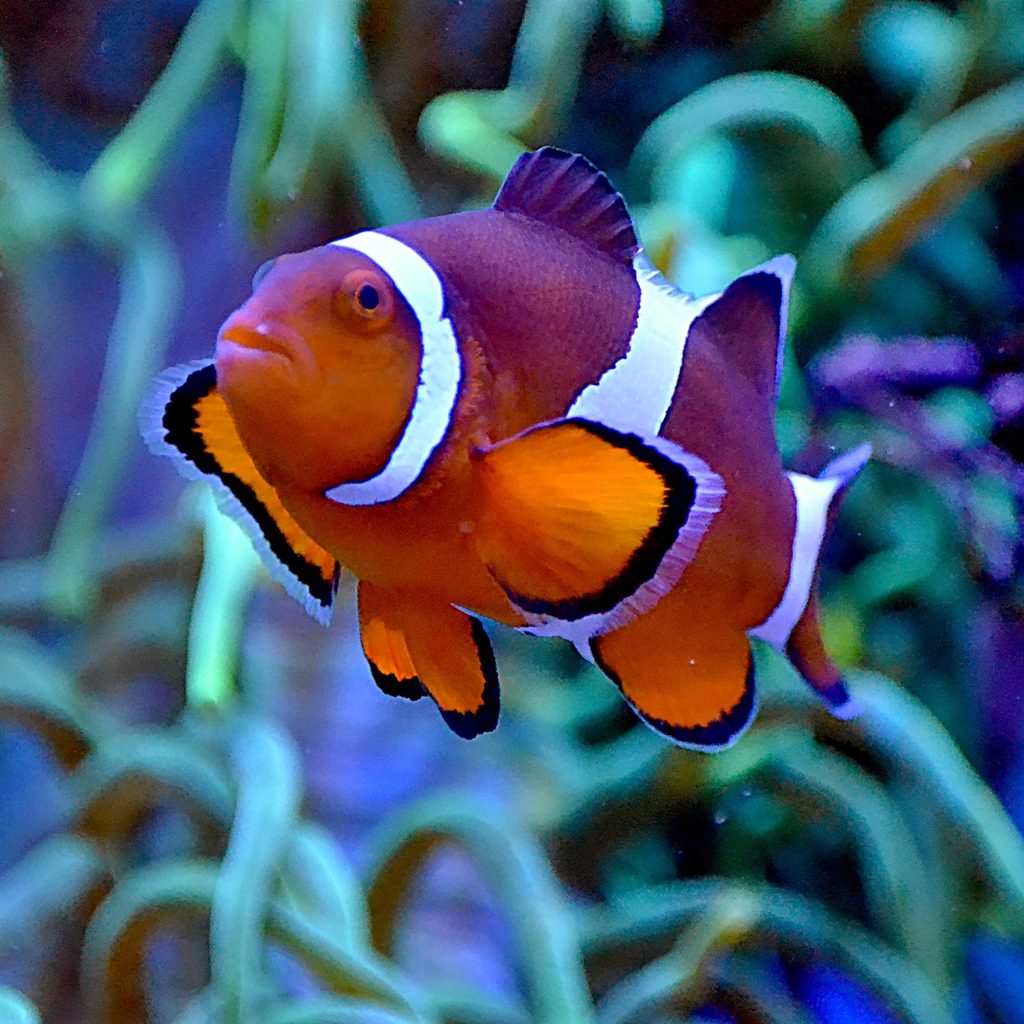
There’s a lot you can do to ensure that you don’t wind up contributing to harm towards animals or their ecosystems. While some pet stores will lie about where an individual animal came from, doing your own research goes a long way. For some species, like tropical fish, you won’t have to look hard to discover captive-bred swimmers who were raised safely. For others, look into adoption or rescue organizations to save an animal that might otherwise be put down. After your investigation, you might decide to stick with watching nature documentaries instead, with your pet cat on your lap, of course.