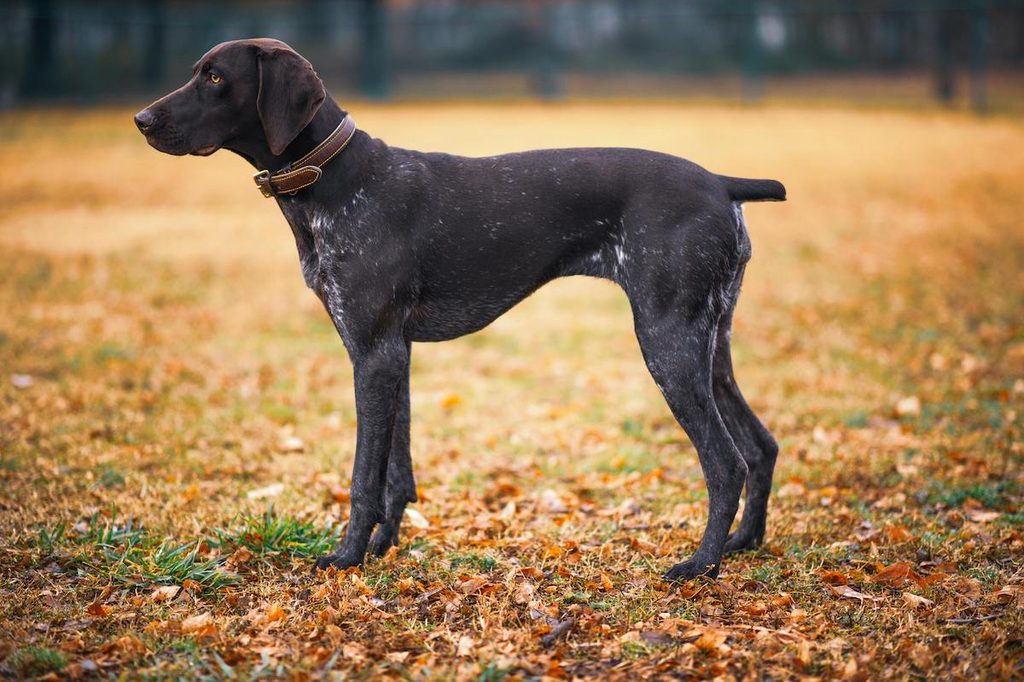
With floppy ears, deep eyes, and a proud stance, the German shorthaired pointer is a stunning (and adorable) dog breed. These pups have won over human companions for their friendly nature and high intelligence. Bred to hunt in Germany (hence the name) in the 1800s, German shorthaired pointer dogs are now most commonly loving family pets. Knowing key facts about a breed before you welcome a dog into your home can help ensure you can be that pet’s forever family. Of course, the learning never stops. Understanding more about a breed’s personality can help you troubleshoot issues and ensure the pet is getting all their needs met, keeping them healthy and happy and your sofa intact. If you’re considering a German shorthaired pointer dog or already call one your best friend, these facts will help.

German shorthaired pointers are loving
Think “larger dog” means scary? Think again. German shorthaired pointers are a medium-sized breed with loads of love to give. These dogs are considered highly affectionate with family members and generally good with small children. Human and dog parents will always want to monitor interactions between children and dogs, as even the most loving animal can grow tired of a toddler poking their eyes and pulling their floppy ears.
The breed was initially bred for hunting
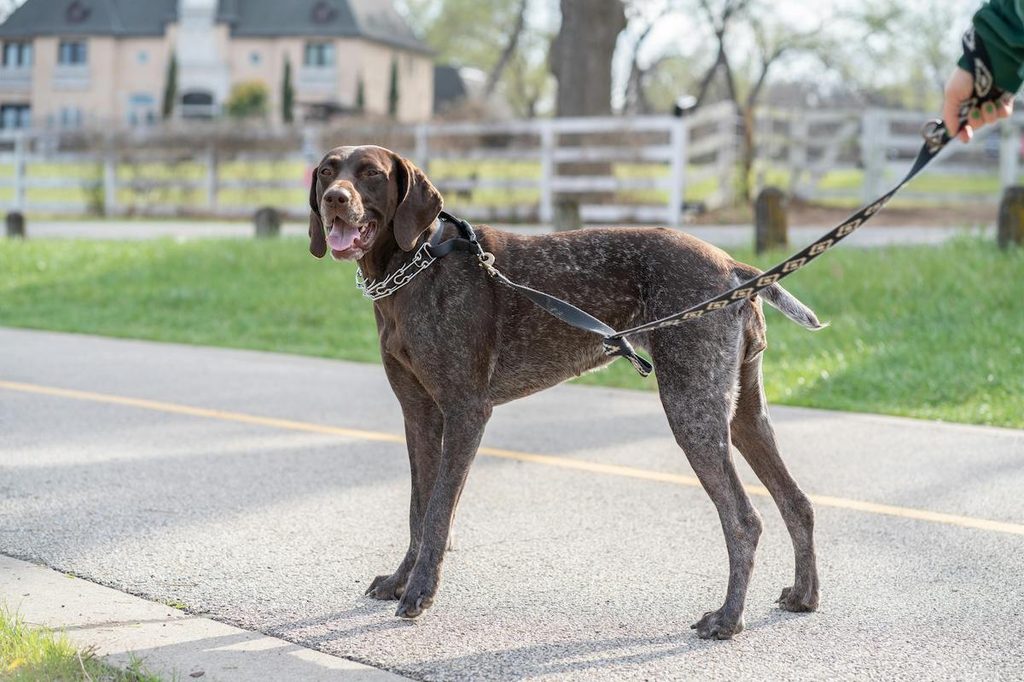
German shorthaired pointers were bred as hunters in Germany in the late 19th century. While they are more typically companion animals in the modern era, you can take the dog away from hunting, but you can completely take the hunter out of the dog — at least not in the case of the German shorthaired pointer. This breed will still go after prey like squirrels, rabbits, and birds. Ensure your yard is fenced and secured to keep a German shorthaired pointer safe. Leash walking is best in areas that are not enclosed, particularly if a road is nearby.
They love to swim
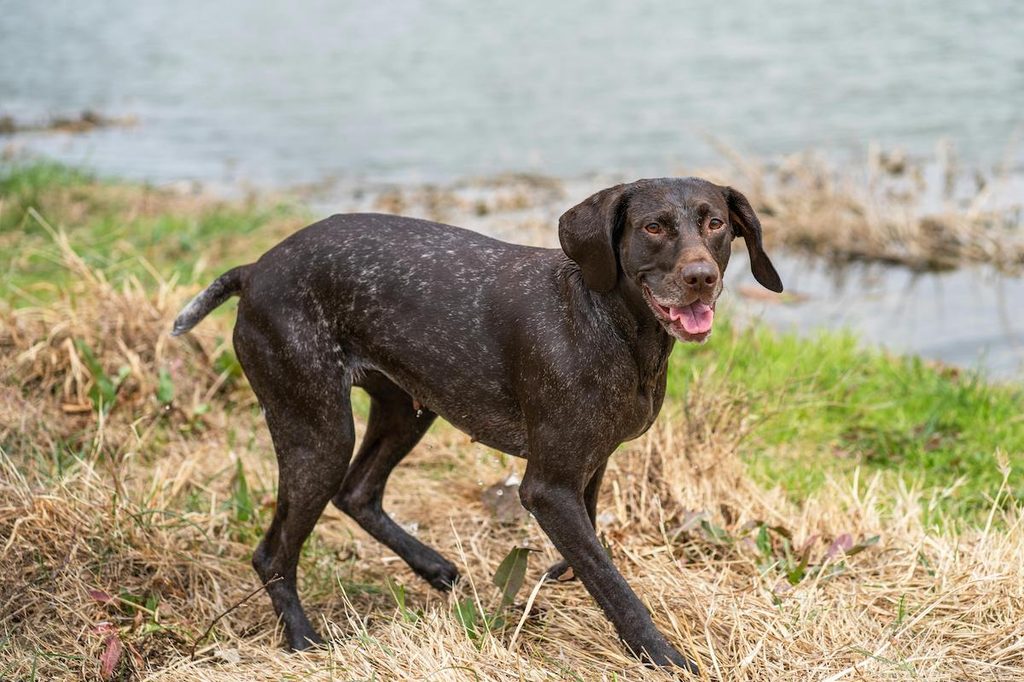
Look at a German shorthaired pointer’s paws, and you’ll notice they are webbed. There’s a reason: These pups can retrieve items from water. Moreover, the German shorthaired pointer has a muscular build well suited for swimming. Beach days can be a bonding activity between you and your German shorthaired pointer. Watch the water temperature — these dogs have short coats and can quickly feel chills.

German shorthaired pointers are generally just plain active
Swimming isn’t the only sport a German shorthaired pointer loves. Fetch, flyfishing, agility courses, and long walks (keyword long) are all up these dogs’ alleys. These pups have a strong need for plenty of mental and physical stimulation and are a high-energy breed. Therefore, a German shorthaired pointer is ideal for active families.
German shorthaired pointers require training ASAP
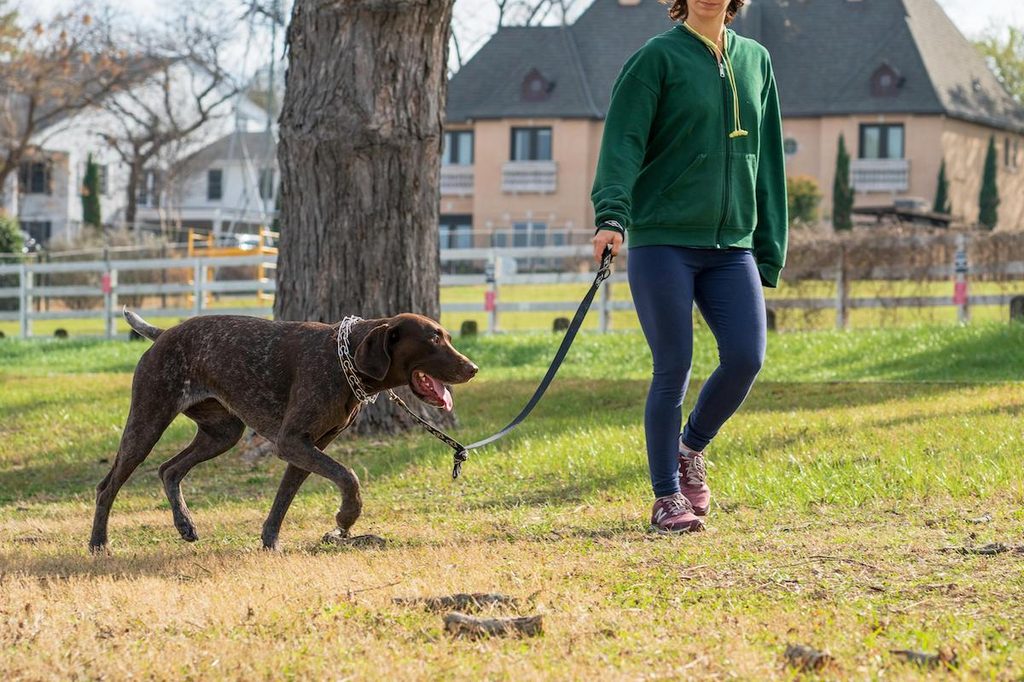
German shorthaired pointers are whip-smart and thrive in active lifestyles. However, all dogs benefit from training from an early age. Specifically, the German shorthaired pointers’ propensity to chase makes learning commands like “wait” and “stay” life-saving. Your veterinarian can connect you with trainers in the area. The good news? The breed’s eagerness to please and intelligence help the German shorthaired pointer take to training well.
Summary
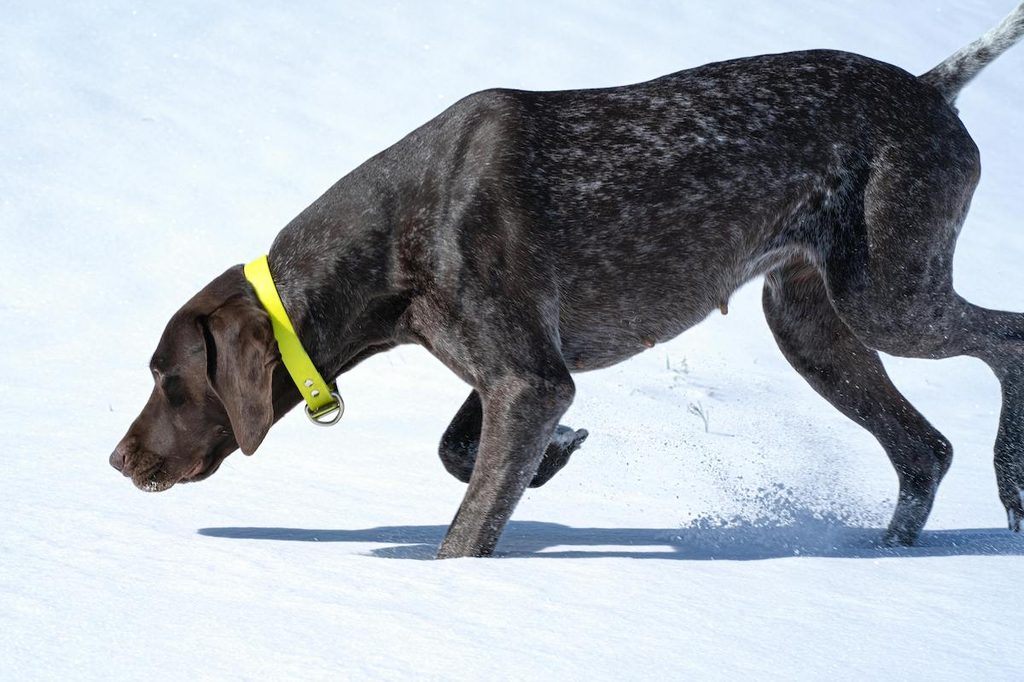
German shorthaired pointers dogs were initially bred to hunt. Today, the breed is a loving family pet. These dogs are usually highly affectionate and good with young children. The breed is active and high-energy, so they thrive in families that can stimulate them mentally and physically with long walks, chances to swim, and plenty of play. The breed benefits from training from a young age. Remember, breed characteristics are generalizations. Each dog is different. A shelter or breeder can help you decide if a German shorthaired pointer is best for you.