
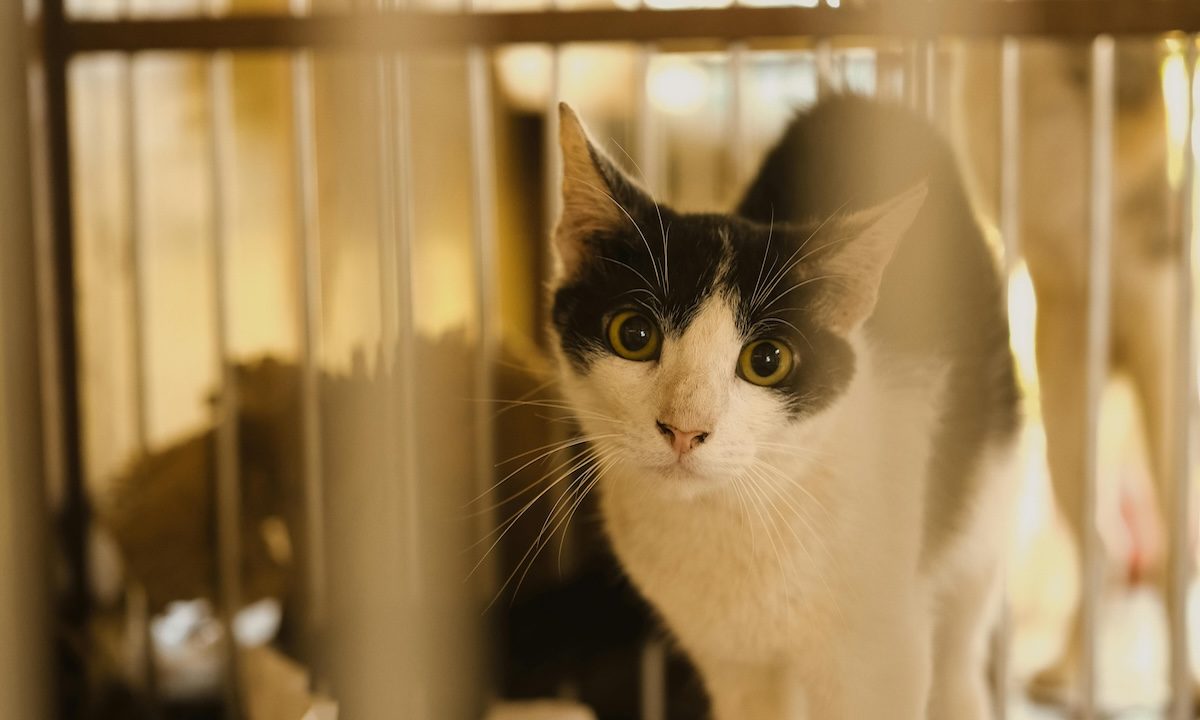
The idea that there’s “no place like home” is a tale as old as time (or at least as old as the 1939 classic starring Judy Garland, The Wizard of Oz). Yet, you may need to leave home for several days at a time for vacation or a last-minute emergency trip. Ideally, you can find a pet sitter to check in on and feed your cat. However, everyone may be booked, or your kitty may require complex medical treatment that you’d rather leave to a vet (and none near you make house calls). In these instances, a cat boarding facility may be the best — even safest — option.
The idea of boarding a cat can feel intimidating and make you feel guilty. However, putting your best paw forward can make the experience positive for you and your kitty.
How to find the best cat boarding facility
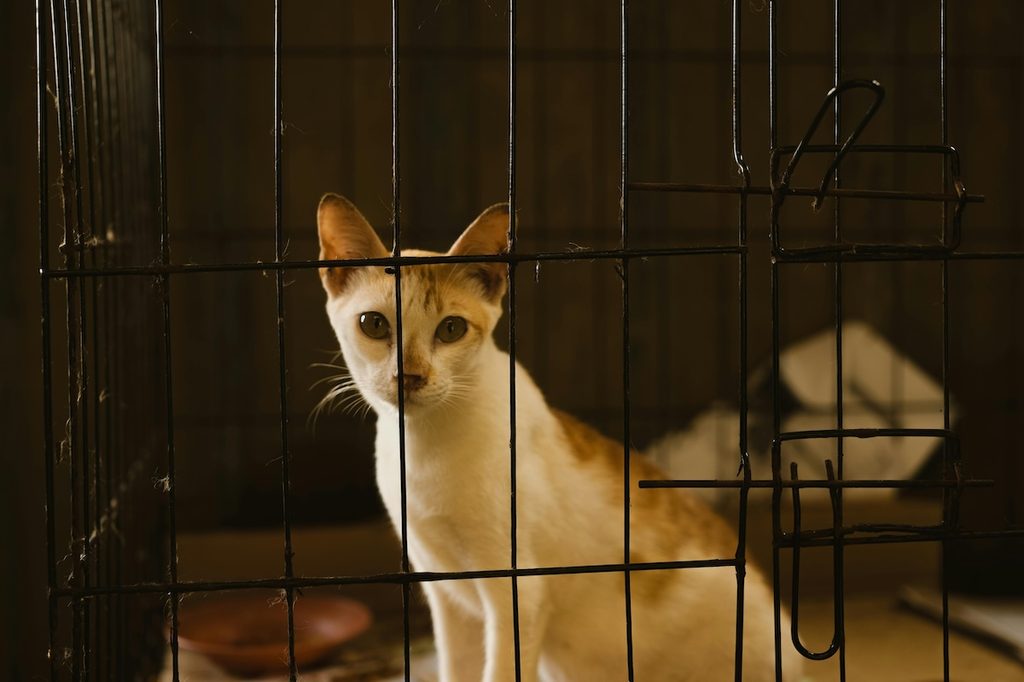
Family, friends, your pet’s veterinarian, and Google and social media searches can all help you in your quest to find a cat boarding facility. However, you’ll want to do some personal investigation to make sure the spot lives up to the hype. Whenever possible, touring the facility in advance is essential in ensuring the environment is clean, safe, and comforting for pets. Here are some red and green flags to look out for during your search for a place to board your cat:
- Room to move. You don’t want your cat stuck in a small kennel all day. The cat should have room to use the bathroom at a minimum. Ideally, the space is like a condo with multiple layers for climbing, exercising, and hiding.
- Cleanliness. The cat “residences” should be a well-kept space. An excellent way to gauge how clean a spot is, is to peek at the litter — how much buildup is there?
- Basics. The cats should have easy access to food, water, and a comfortable place to sleep.
- Temperature and ventilation. Cats are also prone to temperature-related issues like heat exhaustion. Also, under-ventilated spaces can honestly smell. Does the facility where the cats stay feel stuffy or too cold?
- Emergency plans. You’re researching to ensure you find a safe spot and understandably desire peace of mind. However, even the safest facilities are susceptible to emergencies, like fires, and cats can have medical events. Ask what the emergency action plan is and whether the facility has vets on staff. If your cat has medical needs, ensure the staff can meet them.
- Separate areas for animals. Ensure dogs and cats reside in different places. Even if your cat is a dog-friendly pet, loud barking and unfamiliar canines may be super stressful without you and their creature comforts around.
- Enrichment. Sitting alone in even a spacious cat condo 24/7 can get rather lonely. Ask the staff about cuddle time and playtime.
- Personal items. Having some pieces of home can make a cat feel more comfortable. See what you’re allowed to bring, such as toys and beds.
How to prepare a cat for and keep them comfortable during boarding
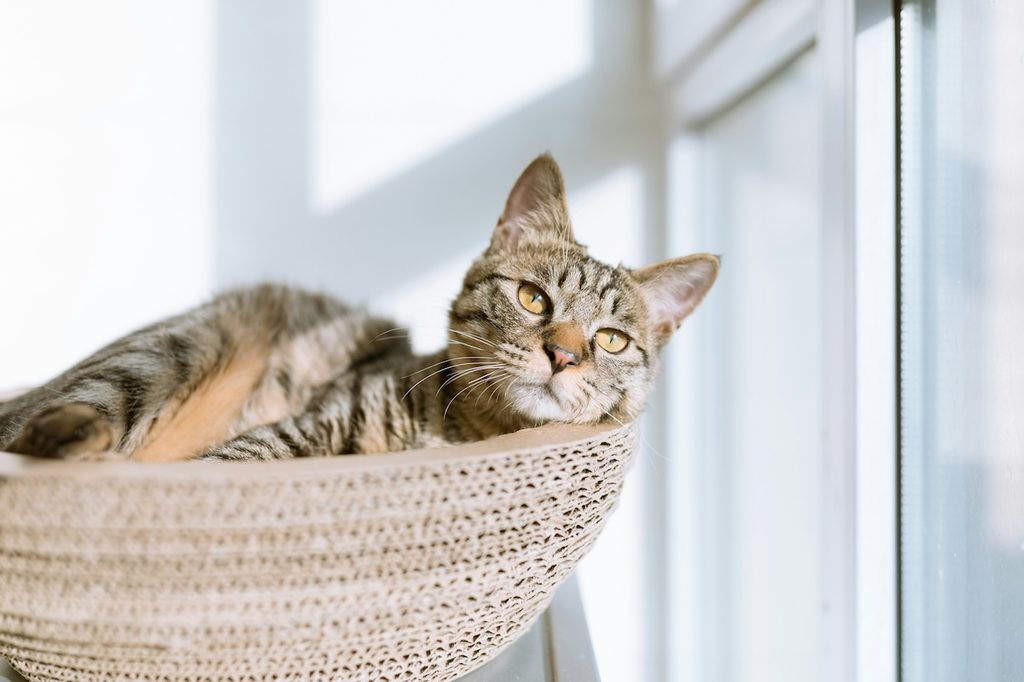
You may be comfortable with the cat boarding facility. However, your cat won’t be when they arrive for their stint. Kitties are creatures of habit that thrive on routine and familiar surroundings, so a new environment will likely throw your pet for a loop at first. The experience doesn’t have to be 24/7 miserable, though. These steps will help your pet get more comfortable sooner rather than later.
- Bring their preferred food. Keeping a cat’s diet consistent will make them more amenable to eating, even if they’re stressed. You’ll also ward off GI issues, like vomiting, due to cold-turkey food switches.
- Favorite toys and blankets. Food isn’t the only way to give your cat a taste of home. Many boarding facilities will let you bring your pet’s favorite toys and blankets, allowing them to feel cozy and entertained in their home away from home.
- Up to date on vaccines and treatments. The facility should require proof of necessary vaccinations, but they won’t know if you applied monthly preventative. Ensure you did — this step will keep your cat comfortable long after their stay. (Also, real talk: Do you want your cat bringing home souvenir fleas?)
Final thoughts

There’s no denying that cats are homebodies that crave familiarity. For this reason, finding an in-home pet sitter while you’re away is likely your (and your kitty’s) preferred option. However, your Plan A might not be an actual choice. While cats are generally more independent and less prone to separation anxiety than dogs, they need human help to fill their water and food dishes and clean their litter. A cat boarding facility is a safe Plan B.
Boarding a cat can be stressful. However, touring the place in advance to ensure cleanliness and professionalism can put your mind at ease. Sending your cat their regular food, favorite toys, and blankets can help them. Be sure the facility can meet your cat’s medical needs as applicable and that your pet has received the necessary vaccines and preventatives to keep them safe during and after boarding.