
Fierce, independent, and, most of all, adorable — you can’t deny a cat’s captivating charm. Something else we can agree on, though, is that litter boxes are not very cute. Unless you’ve trained your cat to “go” in the toilet, you probably need an indoor litter box. Here are some of the best litter box placements in your home.

Do’s and don’ts for where to put a litter box
This is what you need to consider before placing your cat’s litter box:
- How many boxes you have depends on the number of cats you have. You should have one litter box per cat, plus one extra.
- The litter box should be in a private, quiet location, but not in a dark, completely isolated spot.
- Don’t place the litter box next to your cat’s food and water.
- Have a litter box on every floor in your home so cats don’t have to use the stairs to get to one.
- Make sure the spot you choose is accessible and that the door is always open.
The best rooms for a litter box
The living room
The living room is often the biggest open area in a home. This is good news for cats since they actually prefer going to the bathroom when they can see their surroundings. Call it a primal instinct, but cats would rather know who or what is coming when they’re using the litter box.
So, if you’re wondering where to put a cat litter box in your home, a quiet corner of your living room can work. Avoid high foot traffic areas, like right between the kitchen and your living room or in front of the coffee table. Also, ensure that the area isn’t extremely dark, as cats are less likely to use the bathroom when they feel unsafe.
The bathroom
We know we said to avoid dark areas, but we really meant closed-off corners or cramped rooms like utility closets. The bathroom, on the other hand, is one of the best places to put a litter box. If you’re worried about litter tracking, especially if your cat is still getting used to their box, place a mat under and around it. This will catch stray litter and give your kitty a chance to clean their paws before they explore the house again.
You can keep the box next to the toilet if there’s enough room. This will save you space in the rest of your home and help contain any litter box odor that may escape. Another reason why the bathroom is a good idea is that it’s quiet enough for your cat to feel comfortable. Just make sure to keep the door open after you use the bathroom, or install a cat door if you prefer to keep the entryway closed.
The bedroom
If you don’t mind the litter box being in your bedroom, it’s the ideal place for litter box placement in your home. It’s quiet, calm, accessible, and roomy enough. If you are tight on space, though, there are countless litter box holders disguised as furniture. The best options are actually functional furniture with a built-in container for a litter box.
For instance, you can purchase a side table with a litter box opening at the bottom. This conceals the litter and any mess, and you can use the top of the table as storage. However, if you have a multi-story home or if your room is difficult to access, consider placing the litter box elsewhere.
The guest room
If you don’t want the litter box in your master bedroom, a spare guest bedroom is a good alternative. Designate a corner of your guest room for your cat. You may also want to offer them a second litter box in a different corner of the same room. This might surprise you, but some cats actually prefer to go number one and number two in separate boxes. If this is the case with your cat, accommodate their needs by providing a second litter box.
Upon research, you’ll discover that the general rule of thumb when it comes to litter boxes is you should have one box for each cat in your home, plus a spare. So, if you have two cats in your household, you should have three litter boxes.
The laundry room
If your laundry room is spacious enough for a litter box, consider placing one in a quiet corner where your cat can get to at all times. Keep in mind that loud machines or appliances may startle your cat, though. Stash their litter box here if your washer and dryer are quiet. Moreover, determine if your cat has a fairly predictable litter box schedule you can work your laundry around.
Remember to set the box where they can see the open room.
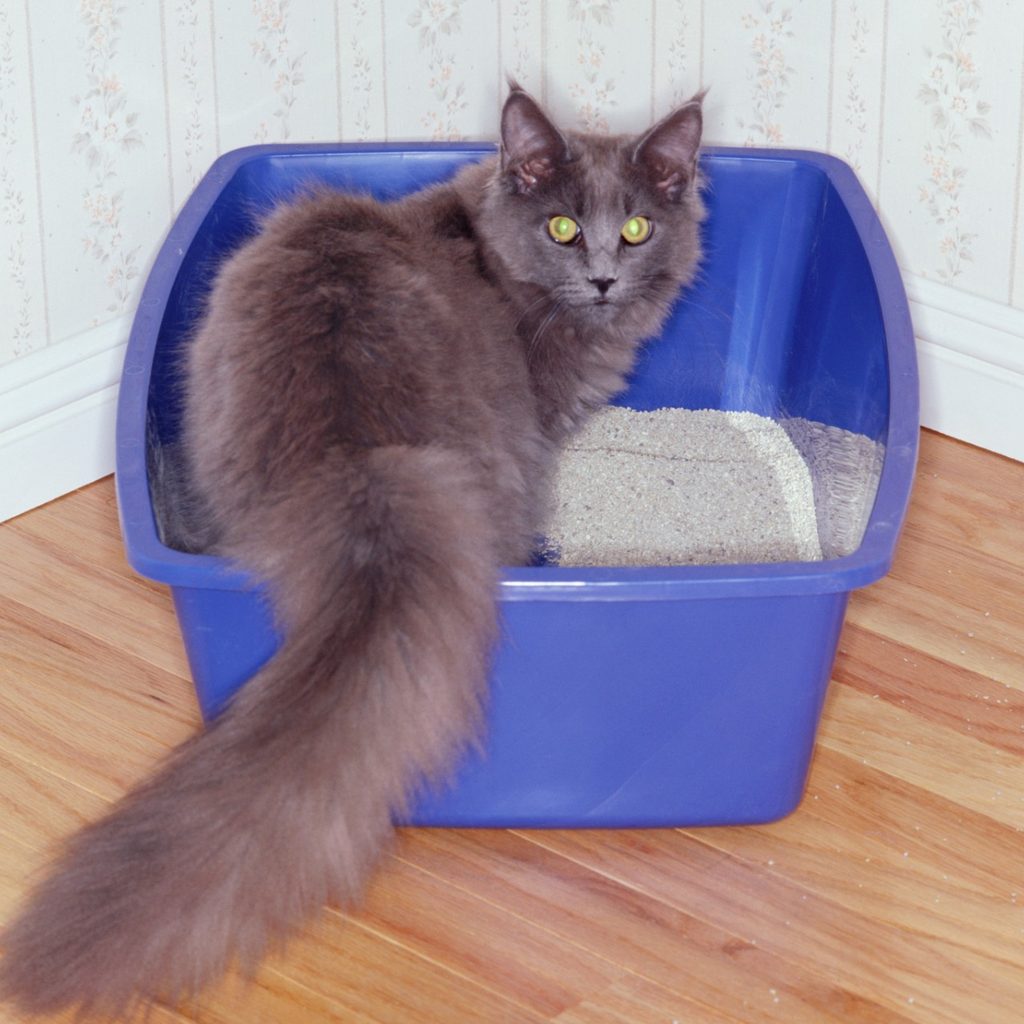
Cats are incredibly intelligent. Once you provide them with a safe, private, and quiet area to do their business, the rest is easy. They’re wired to go on sandy surfaces, so the real deciding factor on whether or not they’ll go in their box is where you place it in the house. Lucky for you, you can try any of the destinations above so your floors can stay litter-free.